How Many Watts Does a Coffee Machine Use: Power Consumption

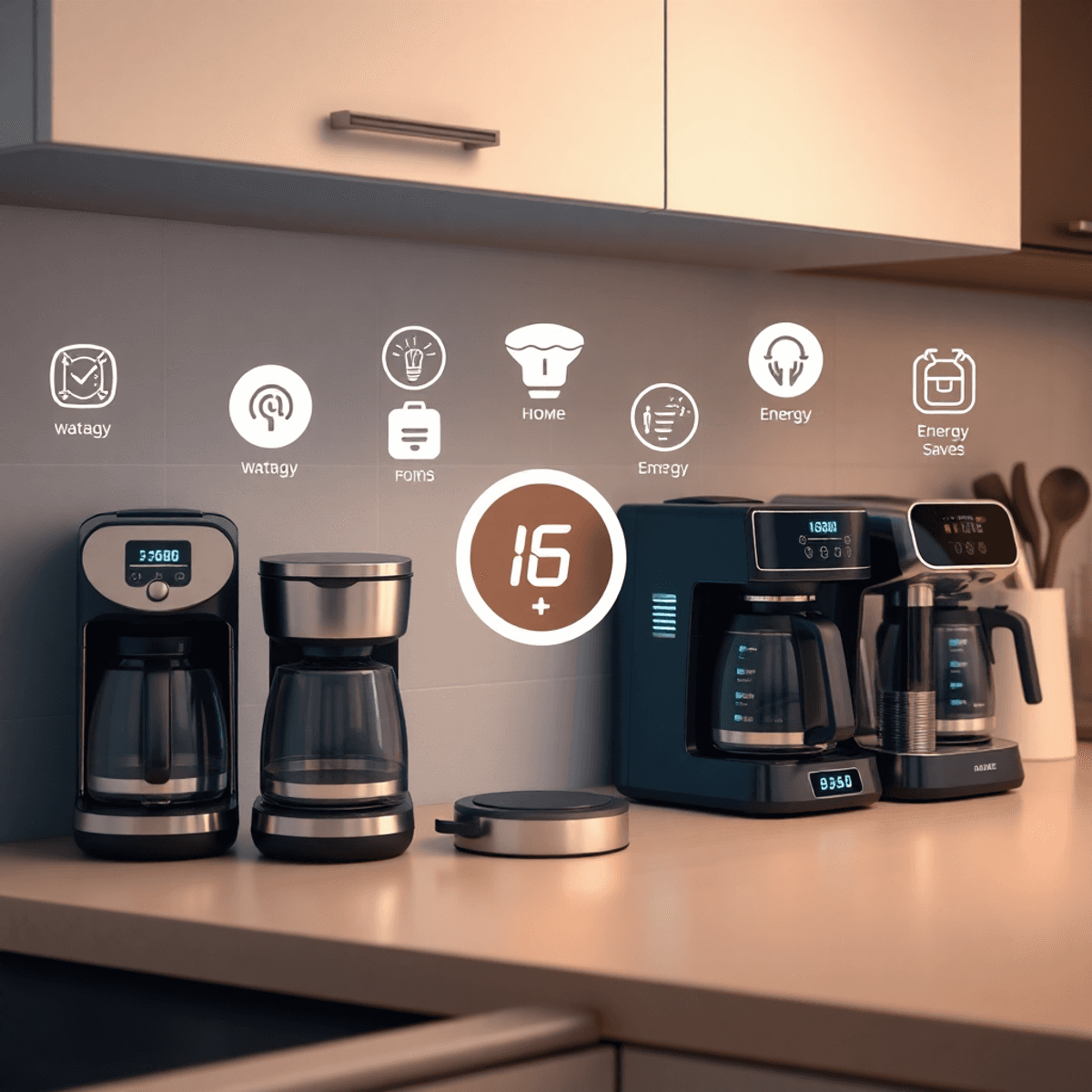
Understanding how many watts does a coffee machine use: power consumption is essential for anyone looking to manage their household energy bills effectively. Coffee machines vary widely in their wattage, which directly affects how much electricity they draw during operation. This power consumption contributes to your overall energy costs, especially if you use your coffee maker daily.
Knowing your coffee machine wattage allows you to:
- Estimate its impact on your electricity bill
- Choose more energy-efficient models like the ones mentioned in our top recommendations
- Adjust usage habits to save power
Even small differences in wattage can add up over time. Being aware of these details helps you make informed choices that balance convenience with energy savings.
For instance, if you’re considering a new coffee machine, understanding its power consumption can help you choose a more energy-efficient model. You might also want to explore some beginner’s guides or brewing techniques that could optimize your caffeine routine without unnecessary expense.
Moreover, regular maintenance such as cleaning a Krups coffee machine or a Ninja coffee machine can also help improve efficiency and prolong the lifespan of your appliance. This article dives into the specifics of coffee machine power consumption so you can optimize your caffeine routine without unnecessary expense.
Understanding Coffee Machine Power Consumption
Watts measure the rate at which electrical energy is used by an appliance. When you see a coffee machine rated at 1000 watts, it means the machine uses 1000 joules of energy per second while operating at full power. This rating helps you understand how much electricity the coffee maker consumes during its use.
Factors Affecting Energy Usage in Coffee Machines
Energy usage in coffee machines varies significantly depending on design and function. The brewing process demands the most power because it involves heating water rapidly to extract flavors from coffee grounds. During this stage, some machines can draw up to 1500 watts or more, especially models that heat water quickly or maintain high pressure, like espresso machines.
Several factors influence this energy consumption:
- Heating element size and efficiency: Larger or more powerful heating elements consume more watts but brew faster.
- Type of coffee maker: Drip machines tend to have moderate wattage, while single-serve pod machines and automatic espresso makers often require higher wattage due to rapid heating and pressure systems.
- Temperature maintenance: After brewing, many machines switch to a lower wattage setting (200–400 watts) to keep coffee warm, extending total energy usage.
- Machine capacity: Bigger reservoirs need more energy to heat larger volumes of water.
- Additional features: Components like built-in grinders or milk frothers add to overall power draw during operation.
Peak Power Consumption Period in a Coffee Machine’s Cycle
The brewing phase’s intense energy demand usually represents the peak power consumption period in a coffee machine’s cycle. Understanding these dynamics helps you assess how different models and their operational patterns affect your electricity bill.
Tips for Efficient Coffee Machine Operation
To ensure your coffee machine operates efficiently and consumes less power, regular maintenance is crucial. For instance, cleaning a Mr. Coffee machine or a Cuisinart model can significantly improve its performance. Likewise, knowing how to descale a Keurig coffee machine or understanding the complete decalcification process for any coffee machine are essential skills for any coffee lover. Additionally, using the right amount of vinegar is important when cleaning your machine; knowing how much vinegar to use can help maintain your machine’s longevity and efficiency.
It’s also worth noting that understanding how energy consumption works in other appliances, such as refrigerators or ovens, can provide valuable insights into overall household energy usage and help further optimize power consumption across all devices.
Exploring Different Types of Coffee Makers and Their Wattage Ranges
Understanding the wattage range of different coffee makers helps you choose a machine that fits your energy usage preferences. Each type of coffee maker comes with its own power consumption profile influenced by design, brewing technology, and capacity.
Drip Coffee Makers
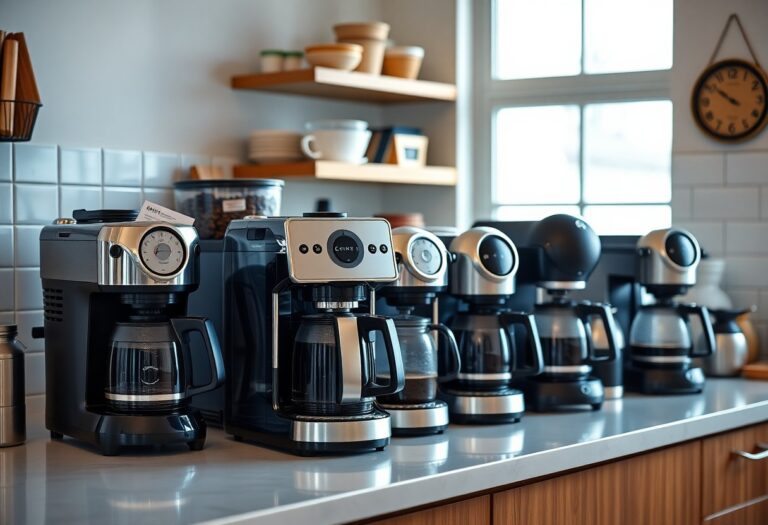
- Typical drip coffee maker wattage range: 550 to 1200 watts.
- Brew time significantly affects total energy use. A longer brew cycle means the heating element remains active longer, increasing consumption.
- Machines with larger water reservoirs generally require more power to heat the increased volume.
- After brewing, many drip machines maintain temperature via a warming plate using about 200 to 400 watts, adding to ongoing energy use if left on for extended periods.
Single-Serve Pod Coffee Makers
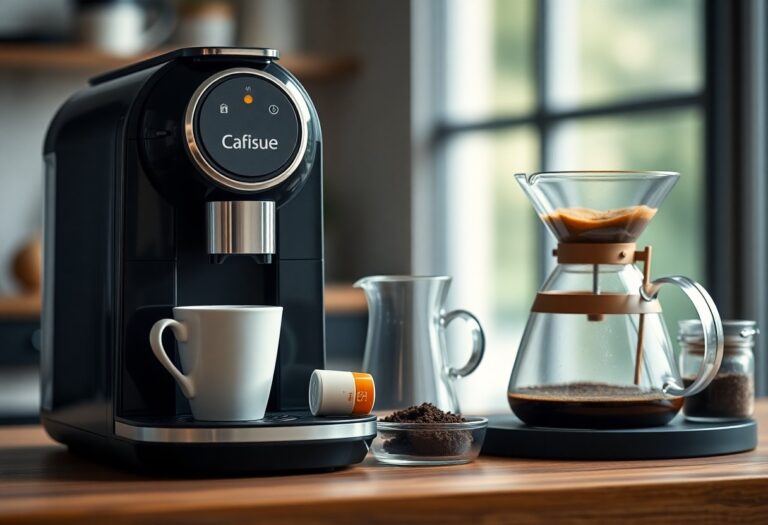
- Popular models like Keurig and Nespresso fall within the single-serve pod coffee maker power consumption range of approximately 900 to 1500 watts.
- These machines heat water quickly to deliver fast brewing times, which explains the higher wattage.
- Despite higher peak power during brewing, their short operation cycles mean total energy consumed per cup can be efficient if used intermittently.
- Brands vary slightly; for example:
- Keurig K-Elite uses around 1470 watts.
- Nespresso Vertuo typically consumes about 1350 watts during brewing. If you’re considering a Keurig, you might find this complete operating guide helpful. And remember, regular maintenance is key for longevity; here’s an ultimate maintenance guide that provides detailed steps for cleaning your Keurig.
Automatic Espresso Machines
- Known for automatic espresso machine high wattage, these appliances often draw up to 1500 watts or more.
- Complexity in heating systems, including boilers and pumps, contributes to elevated power demands.
- The ability to steam milk using built-in frothers also adds to power consumption during operation.
- Energy efficiency can improve by using features like auto-shutoff and programmable standby modes that reduce unnecessary heating when not in immediate use.
Percolators
- Percolators stand out with their percolator lower wattage, usually ranging between 500 and 800 watts.
- They operate at a steady heat level over a longer period compared to rapid-heating machines.
- This slow and consistent heating reduces peak power spikes but extends overall usage time.
- Ideal for those seeking modest energy use without sacrificing traditional coffee flavor extraction.
Each coffee maker type presents distinct advantages depending on how much power you want your appliance to draw. Knowing specific wattage ranges aids in balancing your caffeine needs with electricity consumption habits. Additionally, understanding how to properly clean and maintain your coffee machine can significantly enhance its performance and lifespan. For instance, here are some useful resources on cleaning a coffee machine with vinegar, maintaining a K-cup coffee machine, and cleaning a Keurig coffee machine.
Other Factors That Affect Coffee Machine Power Consumption
When considering the [power consumption](https://www.coffeemakerexpert.com/what-is-the-best-keurig-coffee-machine-top-model-reviews) of coffee machines, several factors come into play.
- Machine Size: The size of the coffee machine can significantly impact its wattage requirements. Larger machines generally consume more power during operation, leading to higher energy bills over time.
- Additional Features: Additional features such as built-in grinders or milk frothers can also influence a coffee machine’s overall energy consumption profile. These extra functionalities often come with increased power demands.
- Duration of Use: The duration of use each day contributes to the total electricity usage over time. For instance, if you are using a French press coffee machine or a Ninja coffee machine, understanding their specific power consumption can help in managing electricity usage more efficiently.
In summary, when assessing how many watts a coffee machine uses, it’s essential to consider these factors: machine size, extra features, and duration of use.
Energy-Saving Tips for Coffee Machine Users
1. Auto-Shutoff Feature Benefits
Utilize the auto-shutoff feature on your coffee machine to prevent unnecessary energy consumption. This feature ensures that the machine turns off automatically after a set period of inactivity, reducing standby power usage.
2. Manual Brewing Methods Advantages
Consider manual brewing methods like pour-over or French press, which require no electricity. These methods not only save energy but also allow you to have more control over the brewing process for a personalized coffee experience. Alternatively, you could explore camping coffee techniques without fire for an outdoor adventure, or make an informed choice between electric and stovetop kettles with this guide on making the right choice.
3. Maintenance Tips for Improving Efficiency
Regularly clean your coffee machine to optimize its performance and energy efficiency. You can follow this personal maintenance guide for general cleaning tips, or refer to this professional maintenance guide if you own a Bunn coffee machine. Descaling the machine, replacing filters, and ensuring proper maintenance will help it operate at its best while consuming less power.
By incorporating these energy-saving tips into your coffee routine, you can enjoy your favorite brews while being mindful of your energy consumption. If you need help with specific machine operations, such as using a Cuisinart coffee machine, you can find detailed operating instructions here. For basic operation instructions on using a coffee machine, this link provides useful insights.
Comparing Coffee Machines With Other Kitchen Appliances In Terms Of Wattage Consumption
Understanding how coffee machines stack up against other common kitchen appliances in terms of wattage helps you assess their energy impact more clearly. Here’s a focused comparison based on typical power consumption:
-
Microwaves: Usually operate between 600 and 1200 watts. They deliver quick bursts of heat, making them one of the higher-consumption appliances during use but for short durations.
-
Toasters: Tend to consume 800 to 1500 watts. Their high wattage is necessary to achieve rapid browning, yet they only run for a few minutes per use.
-
Kettles: Often require 1200 to 1500 watts to bring water to boil swiftly. This peak power usage can rival or even surpass some coffee makers during their brewing phase.
-
Blenders: Typically draw between 500 and 700 watts. Their power consumption is moderate and depends largely on motor size and speed settings.
-
Refrigerators: Operate continuously but at a lower wattage range of about 300 to 800 watts. Despite lower power, the total energy usage adds up due to constant operation.
-
Coffee Machines: Cover a range from approximately 500 up to 1500 watts, varying by type and features. Brewing demands most power, similar in scale to kettles and microwaves but generally for shorter periods.
This microwave toaster kettle blender refrigerator comparison highlights that coffee machines sit within the mid-to-high range of kitchen appliance wattages. Your choice of machine alongside frequency and duration of use will influence your household’s overall energy profile.
Using Solar Generators To Power Your Coffee Machine Off-Grid: A Sustainable Solution For Caffeine Lovers On The Go!
When considering How Many Watts Does a Coffee Machine Use: Power Consumption, solar generators present a compelling off-grid power source. These portable devices convert sunlight into electricity, allowing you to power your coffee machine without relying on traditional outlets. This flexibility proves invaluable during camping trips, outdoor events, or emergencies where grid power is unavailable.
Key benefits of using solar generators for your coffee maker include:
- Portability: Compact and lightweight models make it easy to carry your energy source wherever you go.
- Eco-friendliness: Harnessing renewable solar energy reduces your carbon footprint compared to conventional electricity.
- Grid independence: Solar power lets you brew coffee even during power outages or in remote locations.
When selecting a solar generator, ensure its wattage capacity matches or exceeds your coffee machine’s requirements—typically between 550 and 1500 watts depending on the model. Pay attention to battery storage and inverter quality for consistent power delivery during brewing cycles.
With the right setup, you can easily use a filter coffee machine or a Mr. Coffee machine powered by solar energy. For detailed instructions on operating these machines, refer to our guides on how to use a filter coffee machine and how to use a Mr. Coffee machine.
Using solar generators enhances sustainability without sacrificing your daily caffeine fix. Adopting this technology aligns with energy-conscious living while maintaining convenience and reliability in diverse settings.