
What Coffee Do I Buy for My Espresso Machine – Personal Purchase

There’s a rich world of coffee options waiting for you when selecting the right beans for your espresso machine. Your choice can significantly influence the flavor and overall experience of your espresso shot. To achieve that perfect balance of bitter and sweet, consider factors such as roast type, origin, and freshness. This post will guide you through the best coffee options available, ensuring you make an informed decision that elevates your espresso game and satisfies your palate.
Key Takeaways:
- Choose high-quality, freshly roasted coffee beans, as they greatly impact the flavor and aroma of your espresso.
- Look for coffee blends specifically designed for espresso; these typically have a richer and more robust profile.
- Pay attention to the roast level; medium to dark roasts are often recommended for espresso due to their bold flavors.
- Consider trying single-origin coffees for unique taste experiences; they can offer distinct flavor notes from different regions.
- Experiment with different grind sizes and brewing methods to find the perfect match for your espresso machine and personal taste preferences.

Unraveling the Espresso Bean: What to Know Before You Buy
Choosing the right coffee bean for your espresso machine involves understanding the complexities of flavor and aroma. Each bean has unique characteristics shaped by its origin, processing method, and fermentation. To get started on your journey, explore the 5 Great Coffee Beans For Your At-Home Espresso Machine, which can guide you in narrowing down your options while keeping flavor profiles in mind.
The Role of Bean Variety in Flavor Profile
Bean variety plays a significant role in shaping your espresso’s flavor profile. Arabica beans, known for their sweetness and nuanced flavors, may appeal to those who enjoy floral and fruity notes, while Robusta beans, with their bolder, earthier flavors and higher caffeine content, can create a stronger taste. You can mix different varieties to achieve a personalized flavor that aligns with your preferences.
Roasting Levels: Finding the Sweet Spot for Brewing
The roasting level of your beans can make or break your espresso experience. Light roasts can bring out subtle and bright flavors, while medium roasts strike a balance between acidity and sweetness. Dark roasts highlight bold, intense flavors, often introducing a smoky finish. Experimenting with different roasting levels allows you to uncover the “sweet spot” that resonates with your palate.
Lightly roasted beans maintain more of their original flavor, leading to a brighter, more complex espresso experience. On the other hand, medium roasts tend to offer well-rounded flavor profiles, showcasing sweetness without overwhelming bitterness. Dark roasts, while richer and fuller, can mask some of the unique notes of the beans themselves. Aiming for medium to medium-dark roasts might give you the most satisfying balance between flavor depth and intentional complexity, ensuring your espresso pulls are both enjoyable and memorable.
Decoding Labels: What to Look for on Coffee Packaging
Understanding coffee packaging labels can significantly enhance your selection process. Look for roast dates, origin information, and the coffee variety listed on the bag. Roast level descriptions like light, medium, or dark can guide your choices, as can flavor notes provided by roasters. Certifications such as Fair Trade or Organic can also reflect specific ethical or quality standards you’re aiming for, ensuring you’re not only enjoying great coffee but also supporting sustainable practices.
Understanding the Importance of Freshness Dates
Freshness dates on coffee packaging are key to enjoying the best flavors in your espresso. Ideally, you should choose coffee that has been roasted within the last two to four weeks. After roasting, coffee beans begin to degas and lose their optimal flavor. Packaging your coffee to prioritize airflow, as well as those labeled as “freshly roasted,” can help ensure you’re getting the most aromatic and flavorful cup.
Artisanal vs. Commercial Blends: Making the Right Choice
Opting for artisanal blends over commercial ones often provides a spectrum of flavors that can elevate your espresso experience. Artisanal roasters typically focus on high-quality beans, specific processing methods, and unique flavor profiles, whereas commercial brands may prioritize cost and mass production. Choosing artisanal blends usually means you’re supporting small farms and enjoying coffee with distinct tastes that are often reflective of their origin.
Artisanal coffee blends are usually crafted with a lot of care and intention, showcasing unique tasting notes from specific regions, varieties, and processing techniques. For example, you might discover a single-origin espresso with fruity undertones and a complex finish, often resulting from careful sourcing and small-batch roasting. In contrast, commercial blends might aim for consistency and price, sometimes sacrificing the intricate flavors found in artisanal offerings. If you’re looking to explore the depths of espresso flavors, gravitating towards artisanal selections can be a rewarding experience; the investment often pays off in the cup.
The Bold and the Balanced: Choosing Your Flavor Compass
Embarking on the journey to find the ideal coffee for your espresso machine requires an appreciation for the spectrum of flavors available. Balancing boldness with subtlety is key; some individuals gravitate toward darker, richer coffees with pronounced chocolaty notes, while others prefer a lighter roast that reveals bright, floral tones. Exploring these contrasts will help you define your flavor compass and find a coffee that resonates with your taste preferences, enhancing every shot you brew.
Exploring Flavor Notes: From Fruity to Nutty
Each coffee bean carries a unique profile influenced by its origin, processing method, and roast level. You may be drawn to fruity notes found in Ethiopian beans, which can range from berries to citrus, or the nutty undertones of a Brazilian coffee that brings comforting flavors of almonds and caramel. Experimenting with different beans will unveil the extensive flavor spectrum available, allowing you to discover which notes captivate your palate the most.
Matching Coffee to Your Desired Espresso Style
Your favorite espresso style should guide your coffee selection to ensure a consistent and enjoyable experience. If you prefer a traditional Italian espresso, choose a blend with a delightful balance of sweetness, acidity, and body, often achieved with medium to dark roasts that carry rich flavors. On the other hand, if you lean towards a more contemporary espresso style, opt for single-origin coffees with unique profiles, as these can introduce exciting notes and nuances into your espresso. The right choice will enhance each extraction, allowing for a greater appreciation of the brewing art.
For example, if you enjoy a creamy cappuccino, a blend that includes a harmonious balance of chocolate and caramel notes can complement the milk perfectly, creating a rich, textured experience. Alternatively, if you gravitate towards a sharp, single shot to sip neat, a bright, fruity Ethiopian coffee may provide that vibrant kick you crave, transforming your espresso drinking into a flavorful adventure. Paying attention to these nuances and tailoring your coffee selection to your style will ultimately elevate your brewing game.
Grinding Gear: Why Grind Size Matters for Espresso
The grind size of your coffee beans plays a pivotal role in the espresso-making process. A fine grind ensures optimal extraction, resulting in vibrant flavors and rich aromas. For a deep explore the different types of ground coffee for espresso machines, check out What Type of Ground Coffee for Espresso Machine. Using the wrong grind size can easily lead to over-extraction or under-extraction, negatively impacting your brew.
The Impact of Grind Size on Extraction
Grind size directly influences the rate of extraction, determining how much flavor is pulled from the coffee grounds during brewing. A fine grind exposes a greater surface area to water, facilitating quick extraction but also risking bitterness if brewed too long. Conversely, a coarser grind may lead to under-extraction, resulting in a sour or weak espresso. Finding the right balance is imperative for achieving the desired taste profile.
Choosing the Right Grinder: Blade vs. Burr
Selecting the appropriate grinder makes a significant difference in your espresso experience. Blade grinders chop beans unevenly, which can result in a mix of grind sizes that leads to inconsistent extraction. In contrast, burr grinders produce uniform grounds, allowing for precise control over grind size. This consistency is vital in espresso preparation, ensuring you achieve the perfect shot every time.
Burr grinders are available in two styles: flat and conical. Flat burrs provide a consistent size but can be tricky to clean, while conical burrs tend to produce a more uniform grind and are generally easier to maintain. The investment in a quality burr grinder pays off, as the improved grind consistency enhances flavor extraction, giving you better control over your espresso shots and a richer coffee experience overall.
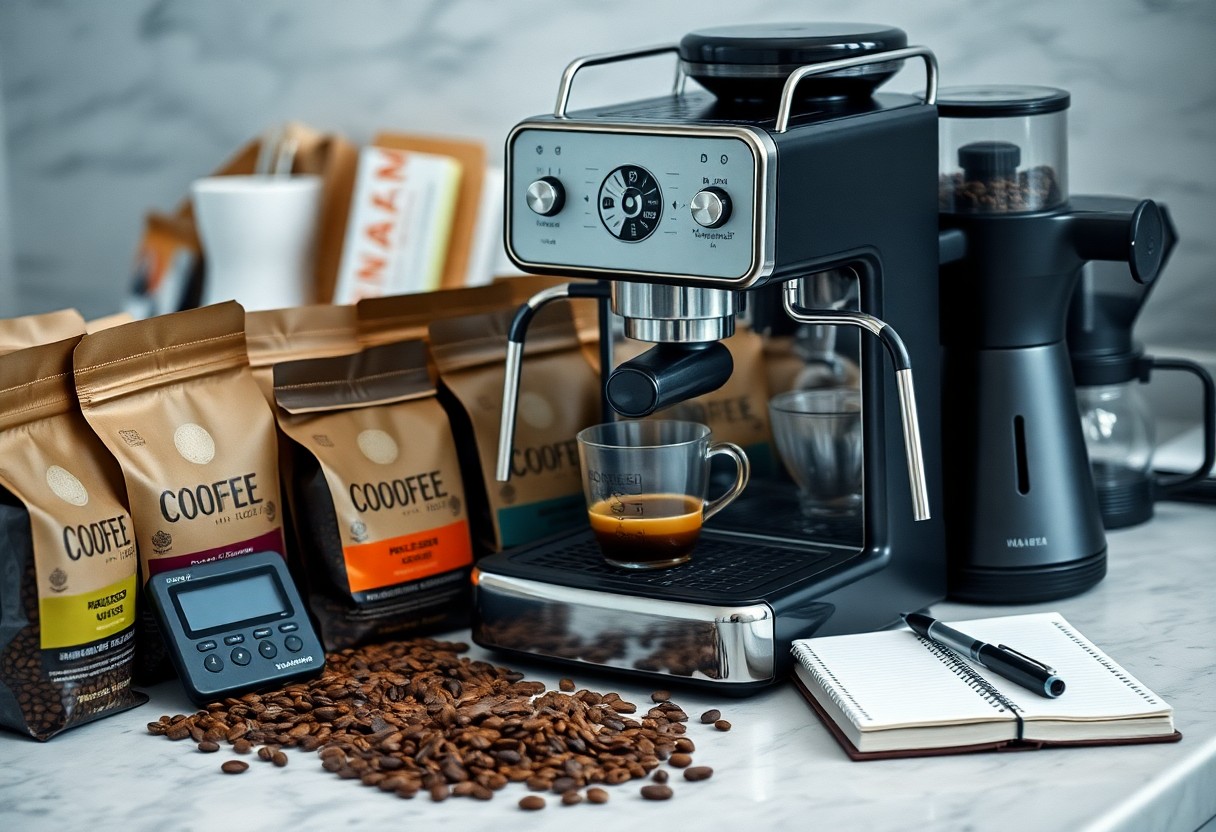
Personalizing Your Espresso Experience: Experimentation and Adjustment
Your espresso experience is unique, and personalizing it through experimentation can lead to your ultimate brew. Taste preferences vary greatly, so try different beans, grind sizes, and brew times to discover what resonates with you. Each adjustment can dramatically impact the flavor profile, transforming a straightforward sip into a delightful journey of taste. Embrace the exploration, refining the variables until you uncover your perfect cup.
Keeping a Coffee Journal: Tracking Your Preferences
Maintaining a coffee journal can be highly beneficial in tracking your espresso preferences. Jot down details such as the type of beans, roast levels, grind size, and brew times, along with tasting notes. This methodology allows you to reflect on what works and what doesn’t, helping you replicate successful brews or avoid mistakes in the future. Over time, your journal can become a personalized guide, assisting in refining your espresso journey.
Recalibrating Based on Brew Conditions: Water, Pressure, and Temperature
Adjusting brew conditions significantly influences your espresso. Factors like water quality, pressure, and temperature can create variations in extraction and flavor. Aim for filtered water, ideally with a total dissolved solids (TDS) around 150-200 ppm, ensuring clean tastes. Maintain brew pressure at around 9 bars, and calibrate temperature between 90-96°C to optimize flavor extraction without compromising the coffee’s integrity. These tweaks guarantee that each cup of espresso is as flavorful and enjoyable as possible.
Table – Brew Conditions Adjustments
| Condition | Optimal Range / Tips |
| Water Quality | Use filtered water with 150-200 ppm TDS for clean flavors. |
| Pressure | Maintain around 9 bars for optimal extraction. |
| Temperature | Calibrate between 90-96°C for best flavor extraction. |
Monitoring these variables can greatly influence the outcome of your espresso shots. Fine-tuning water quality ensures clarity in flavor, while appropriate pressure extracts oils and essences, achieving that signature crema. Temperature plays a pivotal role in pulling the right flavors from your beans—too hot or too cold alters the extraction process and can result in bitterness or under-developed flavors. Experiment with these parameters to see how each influences your final drink, leading to a tailored espresso experience customized just for you.
Conclusion
As a reminder, choosing the right coffee for your espresso machine is key to crafting a perfect cup. Focus on selecting freshly roasted beans that suit your taste preferences, whether you prefer light, medium, or dark roasts. Experiment with different origins and blends to find what resonates best with your palate. Don’t hesitate to consider factors like grind size, brew time, and water temperature, as they significantly impact your espresso’s flavor profile. Ultimately, your satisfaction comes from the careful selection and thoughtful brewing of your coffee.
FAQ
Q: What type of coffee beans are best for my espresso machine?
A: For espresso, it’s recommended to use high-quality Arabica beans, often blended with a small percentage of Robusta for added crema and body. Look for beans that are specifically labeled for espresso to ensure optimal flavor and extraction.
Q: Should I choose whole beans or pre-ground coffee for my espresso machine?
A: Whole beans are typically the better choice for espresso machines. Grinding your beans right before brewing preserves the freshness and flavor, allowing for a richer and more aromatic espresso shot. If you prefer convenience, look for pre-ground coffee designed specifically for espresso, but ensure it’s within a short shelf life to maintain quality.
Q: How do I know if the roast level is suitable for espresso?
A: Generally, espresso requires a medium to dark roast level. This is because darker roasts create a fuller body and develop flavors better suited for espresso. Check the packaging for roast level notes; many can indicate if they are suitable for espresso preparation. Light roasts might lack the depth needed for a balanced shot.
Q: Is it important to consider the grind size when buying coffee for espresso?
A: Yes, grind size is crucial for making espresso. A fine grind is necessary for espresso machines to ensure proper extraction. While buying coffee, check if the beans can be ground to a fine consistency, or invest in a burr grinder to achieve the perfect grind for your machine.
Q: Can I use flavored coffee beans or blends in my espresso machine?
A: While you can technically use flavored coffee beans in an espresso machine, it may not produce the best results. Flavored coffees often have added oils that can affect your machine, potentially leading to clogs. If you enjoy flavored coffee, consider using a basic espresso blend as a base and adding your desired flavor elements through syrups during or after brewing.