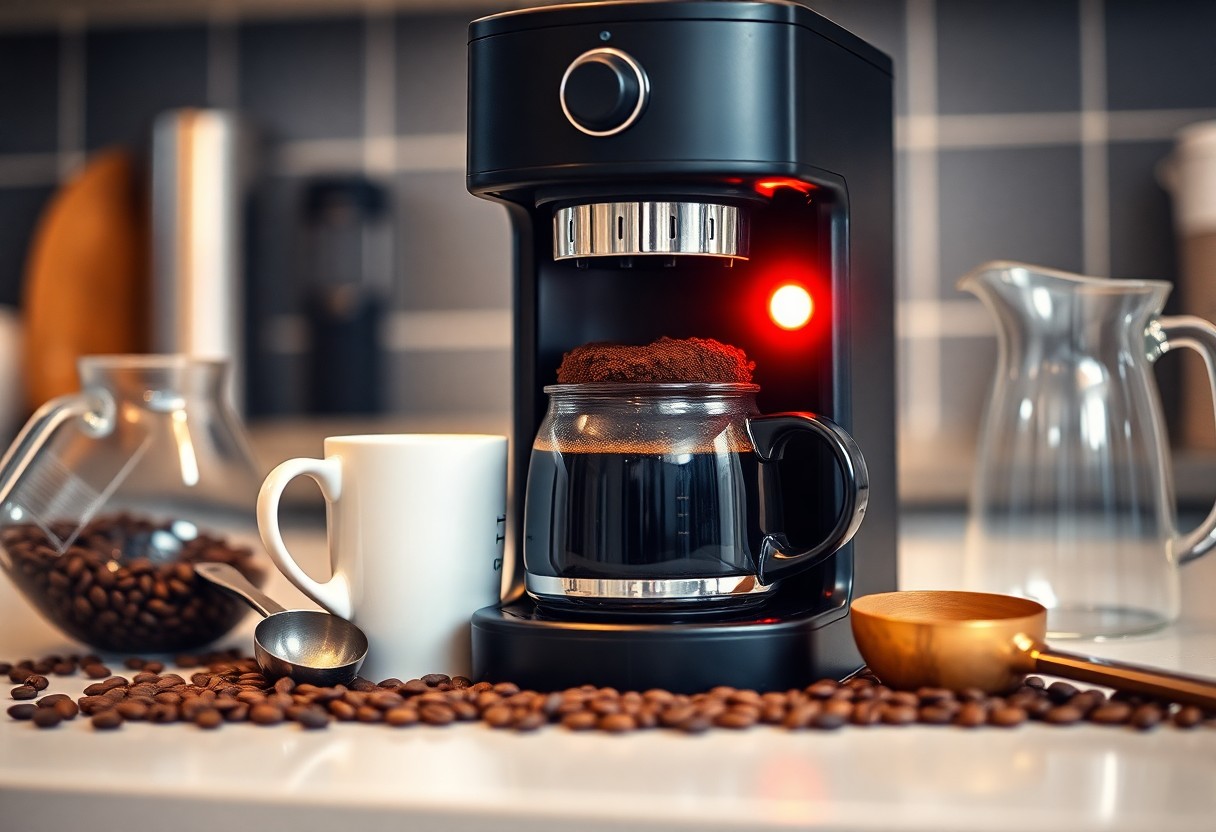
How to Make Coffee in a Coffee Maker Machine – Operating Process

Maker machines are your best friend for brewing that perfect cup of coffee in the morning. In this guide, you’ll discover the step-by-step process to efficiently operate your coffee maker, from selecting the right coffee grounds to pouring your first cup. By following these directions, you will enhance the flavor and aroma of your brew, ensuring a delightful experience. Additionally, I’ll walk you through some safety tips to ensure your coffee-making journey is not only enjoyable but also safe.
Key Takeaways:
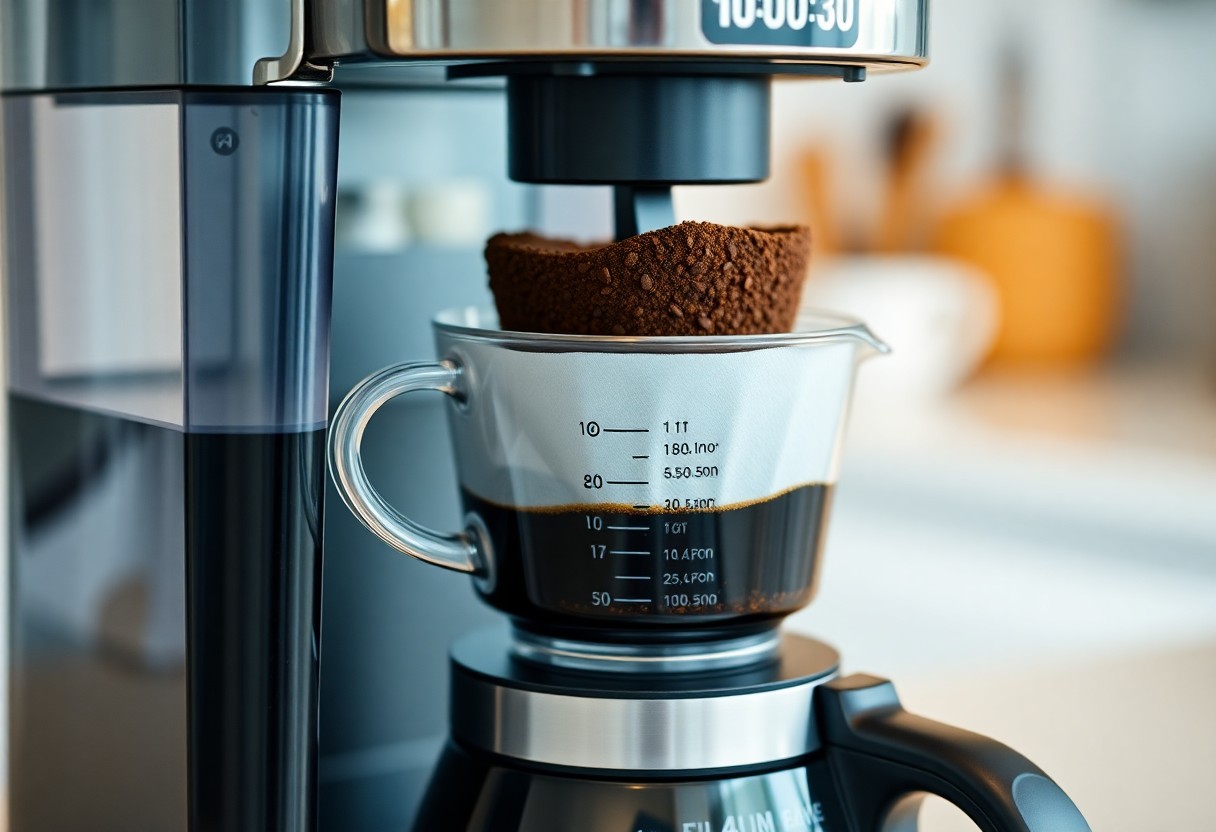
- Begin by filling the coffee maker’s water reservoir with fresh, cold water according to the desired quantity of brewed coffee.
- Use a coffee filter in the brew basket to prevent coffee grounds from entering the final drink.
- Add the appropriate amount of ground coffee to the filter, typically 1 to 2 tablespoons per 6 ounces of water for a balanced flavor.
- Close the brew basket and ensure the carafe is positioned correctly to catch the brewed coffee.
- Turn on the coffee maker and wait for the brewing cycle to complete; enjoy your freshly brewed coffee once done.
The Essential Components of a Coffee Maker
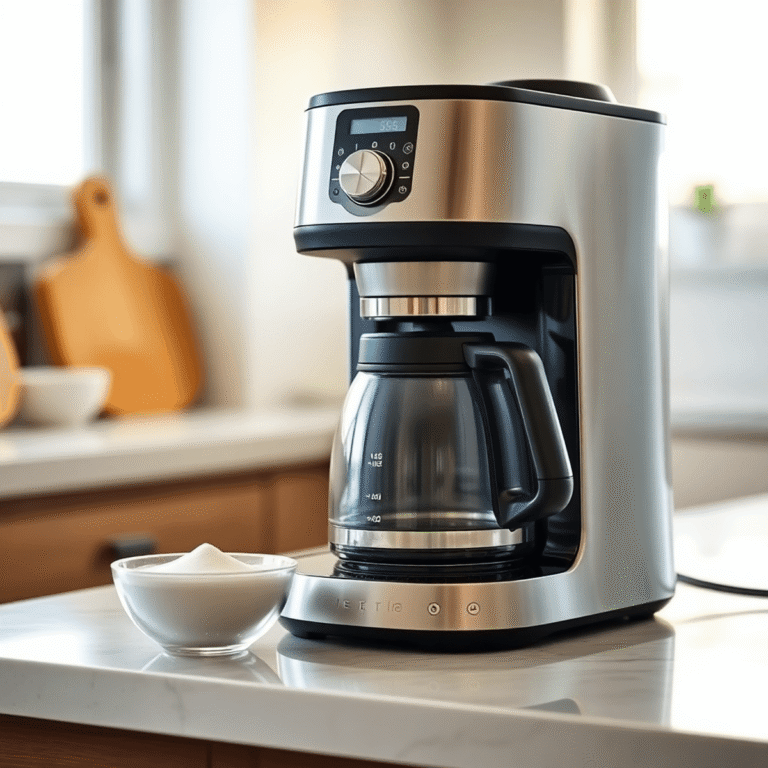
Your coffee maker is composed of several key components that work together to deliver that delightful brew. Understanding these parts can enhance your brewing experience and help you troubleshoot any issues that may arise. Essential components include the water reservoir, filter basket, carafe, and heating element—all of which play vital roles in the coffee-making process.
Identifying Key Parts and Their Functions
The water reservoir holds the water needed for brewing, while the filter basket is where you place your coffee grounds. The heating element heats the water to the optimal temperature for extraction, and the carafe collects the freshly brewed coffee. Each component must function properly to ensure your coffee is flavorful and satisfying.
Selecting the Right Coffee Maker for Your Needs
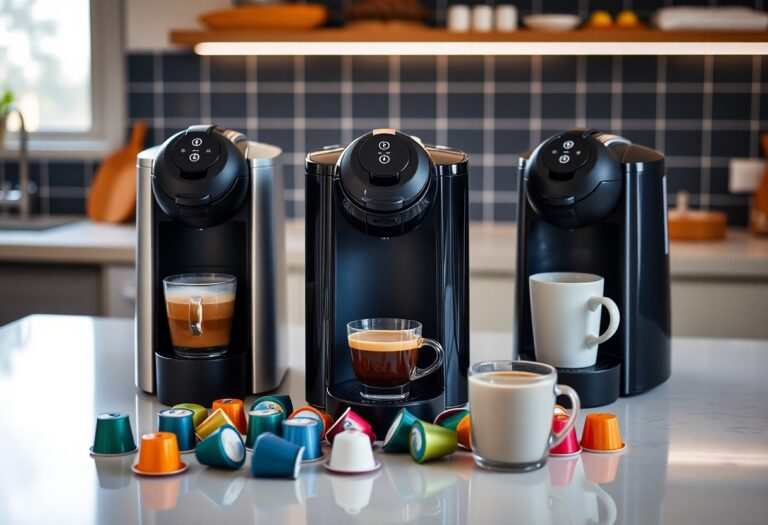
Choosing the right coffee maker involves considering your brewing habits and preferences. Various styles exist, from basic drip machines to single-serve pod systems, each catering to different lifestyles. For instance, if you drink coffee daily but only make one cup at a time, a single-serve machine may be ideal, while a larger drip coffee maker is perfect for family gatherings or frequent entertaining.
For those who appreciate versatility, certain models offer features like programmable settings, built-in grinders, or even milk frothers. Evaluate factors such as how much coffee you typically brew at once, whether you prefer hot or iced coffee, and the footprint of the machine in your kitchen. By aligning your choice with your daily coffee-drinking habits, you’ll enhance your coffee experience and enjoy the perfect cup every time.
Prepping Your Gear: Ingredients and Equipment
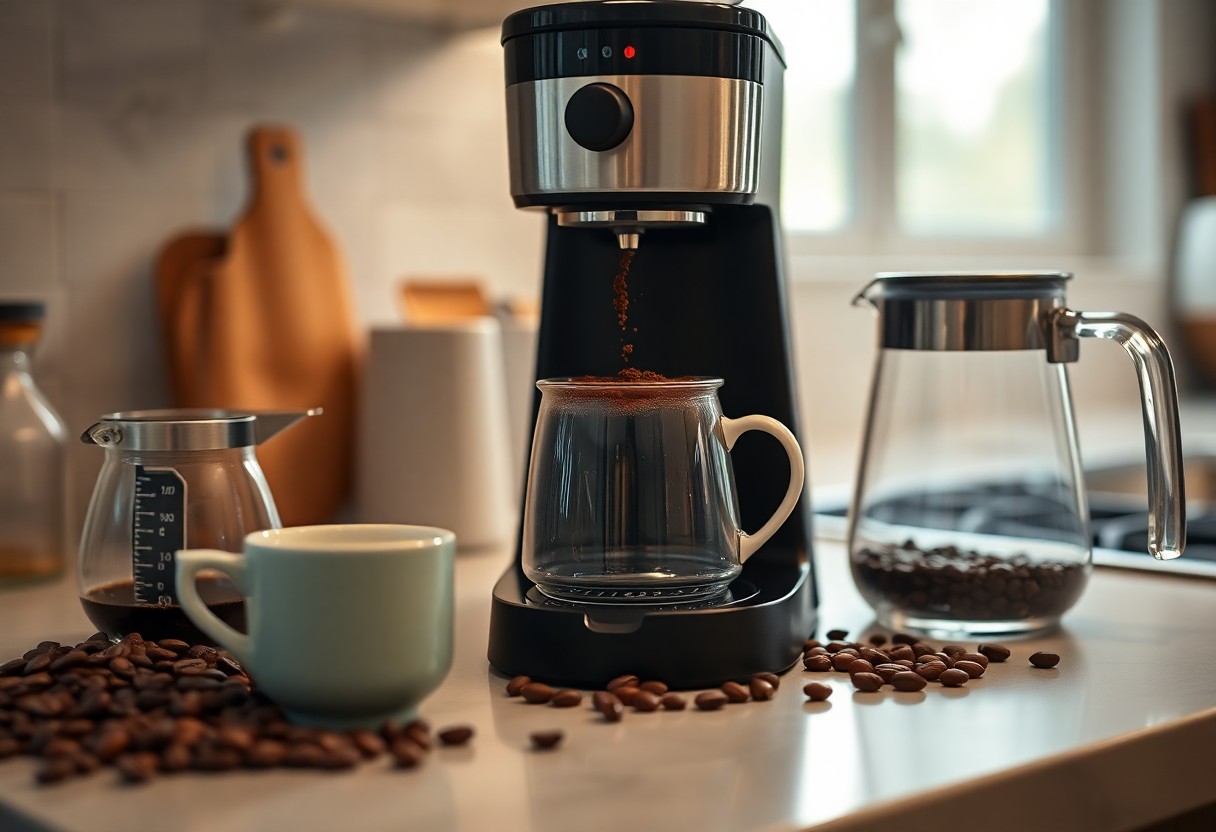
To brew the perfect cup of coffee, begin by gathering your crucials. You’ll need fresh coffee beans or grounds, clean water, and your trusty coffee maker machine. Equip yourself with a coffee filter if your machine requires it, and have a scale or measuring spoons handy for accurate measurements. Each component significantly influences the flavor and strength of your brew. For a detailed guide on this process, check out this resource on How To Make Coffee in a Coffee Maker.
Choosing Fresh Coffee Beans or Grounds
The foundation of any great cup starts with your coffee choice. Opt for freshly roasted coffee beans whenever possible, as they retain more flavor than pre-ground options. Look for beans that have been roasted within the last few weeks; freshness diminishes once the beans are ground.
Proper Measurement Techniques for Optimized Flavor
Finding the right measurement for your coffee not only enhances the taste but also prevents waste. A standard rule is to use about two tablespoons of coffee grounds per six ounces of water. For precise results, consider using a kitchen scale, which accurately measures your coffee to a fine degree. This attention to detail ensures that your brew is consistently flavorful.
Correct measurements are a game changer in your coffee-making journey. Rather than relying solely on scoop sizes, weighing your coffee elevates your brewing precision. For a standard 12-cup coffee maker, you’ll need roughly 3/4 to 1 cup of coffee grounds, adjusting to your taste preferences. Keeping a consistent ratio will help you dial in your ideal strength over time, paving the way for a daily cup that’s perfectly suited to your palate. This practice not only optimizes flavor but enhances your overall coffee experience.
The Art of Brewing: Step-by-Step Process
| Step | Description |
| Filling the Machine with Water | Fill the reservoir with fresh, cold water using the appropriate measurement for your desired cup amount. |
| Adding Coffee and Selecting Brewing Settings | Measure your coffee grounds and add them to the filter, then select your brewing settings based on your taste preference. |
| Initiating the Brewing Cycle | Start the brewing process using the machine’s power button or brewing switch. |
Filling the Machine with Water
Begin by filling your coffee maker’s water reservoir with clean, cold water. Use a measuring cup to ensure you add the right amount according to how many cups of coffee you wish to brew. Most machines offer markings on the reservoir for precise measurement, making it easier to achieve consistency in your brew.
Adding Coffee and Selecting Brewing Settings
Next, scoop your freshly ground coffee into the filter basket. A standard ratio is about two tablespoons of coffee per 6 ounces of water, but you can adjust this to suit your taste. Once the coffee is in place, select your brewing settings, which may include options for strength or delay brew, ensuring the final product meets your preferences.
Choosing the right brewing settings allows you to customize the extraction process. For instance, if you prefer a stronger flavor, opt for a bold setting or increase the coffee-to-water ratio slightly. Many modern machines also come equipped with features like temperature control or brew time adjustments, catering to the diverse palates of coffee aficionados.
Initiating the Brewing Cycle
Once the coffee and water are in position, it’s time to start brewing. Simply press the power button or switch to activate the coffee maker, initiating the brewing cycle. A well-calibrated machine will heat the water and circulate it through the coffee grounds.
This step is where the magic happens. Pay attention to the sounds and aromas; the bubbling and gurgling indicate that hot water is extracting flavors from the coffee grounds. The brewing cycle typically takes around 5-10 minutes, depending on the machine type and selected settings, so use this time to prepare your favorite coffee mug and enjoy the enticing smell of fresh brewing coffee.
Maximizing Flavor: Tips for the Perfect Brew
To brew a cup of coffee that truly excites your taste buds, focus on integrating several key factors. Start with freshly roasted, high-quality beans. Use the right coffee to water ratio, typically around 1:15 for optimum extraction. Monitor the brewing time, typically 4-6 minutes, and ensure your water temperature stays between 195°F and 205°F. Store your coffee beans properly to preserve their flavor. Adjusting these parameters can significantly elevate your coffee experience. Knowing how to manipulate these elements will lead to the ideal cup every time.
Adjusting Brew Time and Temperature
Optimizing your brew time and temperature can transform a mediocre cup into a barista-level brew. The recommended water temperature for coffee extraction lies between 195°F and 205°F. If the water is too hot, you risk over-extracting bitter flavors; too cold, and you’ll under-extract, leaving your brew weak and sour.
| Addition | Recommended Parameter |
| Brewing Temperature | 195°F – 205°F |
| Optimal Brew Time | 4 – 6 minutes |
Understanding the Impact of Grind Size
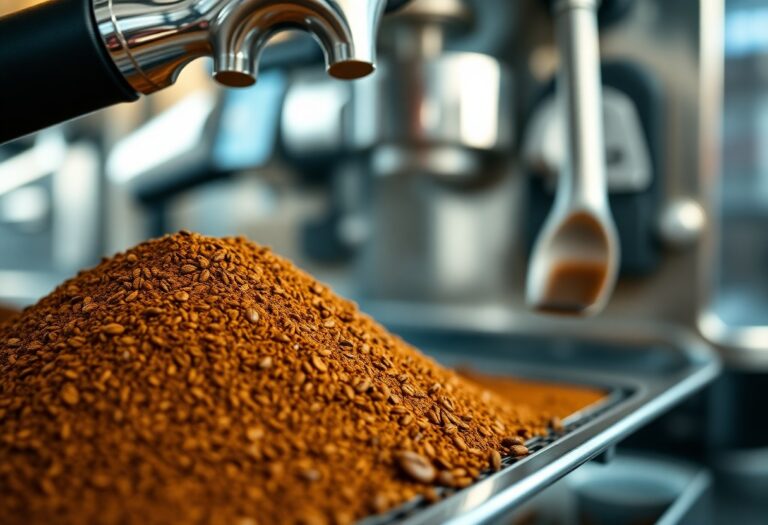
Your choice of grind size plays a pivotal role in how flavors are extracted during brewing. A coarser grind is generally used for methods like French press, while a finer grind is suited for espresso machines. The grind affects the surface area exposed to water, influencing the extraction timing. Too fine increases bitterness, while too coarse may leave your coffee bland.
Understanding the intricacies of grind size can greatly enhance your brewing process. For example, a medium grind allows for balanced extraction in drip coffee makers, while experimenting with fine or coarse sizes can lead to nuanced flavor profiles. Adjust according to your taste—each coffee bean has its ideal grind size, directly impacting the richness of the cup.
Post-Brew Rituals: Enjoying Your Coffee
Once you’ve poured yourself a steaming cup of coffee, the experience becomes all about savoring the rich flavors and aromas. Take a moment to appreciate the visual beauty of your brew, whether it’s a simple black coffee or a complex latte art masterpiece. Engage your senses fully as you take that first sip, allowing the warm liquid to envelop your palate. Create a cozy ambiance; grab a favorite book, listen to music, or relish a quiet moment to yourself. For comprehensive guidance on coffee-making techniques, see How to Use a Coffee Maker: 15 Steps (with Pictures).
Safely Cleaning Your Coffee Maker
Cleaning your coffee maker is important for maintaining both the machine’s longevity and the quality of your brews. Always unplug the coffee maker first and allow it to cool before disassembling any parts. Use a mixture of equal parts water and white vinegar to run a cleaning cycle, helping to remove mineral deposits. Rinse thoroughly afterward with plain water to ensure no residual vinegar remains. Regularly wash the carafe and filter basket with warm, soapy water for optimal hygiene, keeping your coffee delicious and free from unwanted flavors.
Creative Ways to Serve and Enhance Your Coffee
Elevating your coffee experience can be as simple as adding personal touches that match your taste. Try incorporating flavored syrups, whipped cream, or a dusting of cocoa powder for visual appeal and a flavor punch. You can also explore alternatives like nitro coffee for a creamy texture or cold brewing for a smooth, less acidic taste. Consider serving your coffee in unique mugs or pairing it with complementary snacks such as biscotti or pastries to round out the experience.
Experimenting with toppings such as caramel sauce or a sprinkle of cinnamon can transform your daily cup into a special treat. Additionally, hosting a coffee tasting event with friends provides an opportunity to showcase different brewing methods, explore bean varieties, and create signature drinks. Think about crafting a signature blend tailored to your palate, or even creating coffee cocktails for a fun twist. This creativity not only enhances your coffee but also adds a social element that can make every cup memorable.
Conclusion
On the whole, brewing coffee in a coffee maker machine is a straightforward process that can lead to satisfying results. By gathering your ingredients, properly measuring coffee and water, and following the machine’s operational steps, you can enjoy a delicious cup of coffee tailored to your taste. Be sure to clean your coffee maker regularly to maintain its efficiency and flavor quality. With these guidelines, you’ll be well on your way to mastering your coffee-making experience.
FAQ
Q: What are the basic steps to brew coffee in a coffee maker machine?
A: To brew coffee in a coffee maker, start by filling the water reservoir with the desired amount of fresh water. Next, place a coffee filter in the designated basket. Measure out your coffee grounds (generally, one to two tablespoons per six ounces of water is recommended) and add them to the filter. Finally, close the lid and turn on the machine to start the brewing process. The coffee will be ready when the indicator light turns off or after the brewing cycle is complete.
Q: How much coffee should I use for brewing?
A: The amount of coffee grounds you should use depends on your taste preference and the amount of water you are using. A common guideline is one to two tablespoons of coffee grounds for every six ounces of water. You can adjust this ratio to make stronger or milder coffee according to your liking.
Q: What type of coffee grounds can I use in a coffee maker?
A: You can use various types of coffee grounds in a coffee maker, including medium, coarse, or fine grounds. However, medium grind is typically preferred for drip coffee makers as it allows for optimal extraction during the brewing process. Avoid using whole beans directly in the coffee maker unless you have a built-in grinder, as they need to be ground before use.
Q: How do I clean my coffee maker to ensure the best tasting coffee?
A: Cleaning your coffee maker regularly will enhance the taste of your coffee. Start by unplugging the machine and emptying any leftover coffee. Clean the carafe and filter basket with warm, soapy water, or place them in the dishwasher if they are dishwasher-safe. For deeper cleaning, consider running a mixture of equal parts white vinegar and water through the machine, followed by a cycle with plain water to rinse out any vinegar residue.
Q: How long does it take to brew coffee in a coffee maker?
A: The brewing time for coffee in a coffee maker varies, typically taking around 5 to 10 minutes, depending on the machine and the amount of coffee being brewed. Most machines have a built-in timer or an automatic shut-off feature that lets you know when the brewing process is complete. Keep in mind that the water must first heat up before it flows through the coffee grounds, which can add a bit of time to the overall process.