What is Coffee Machine Descaling: Complete Explanation

What is Coffee Machine Descaling?
Coffee machine descaling refers to the process of removing mineral buildup from your coffee machine, a task that is crucial for maintaining optimal performance. For instance, if you own a Keurig coffee machine, regular descaling will help it function efficiently.
Importance of coffee machine descaling
- Regular descaling is essential for prolonging the lifespan of your coffee machine and ensuring consistently great-tasting brews. It’s a part of the essential maintenance tips that every coffee machine owner should follow.
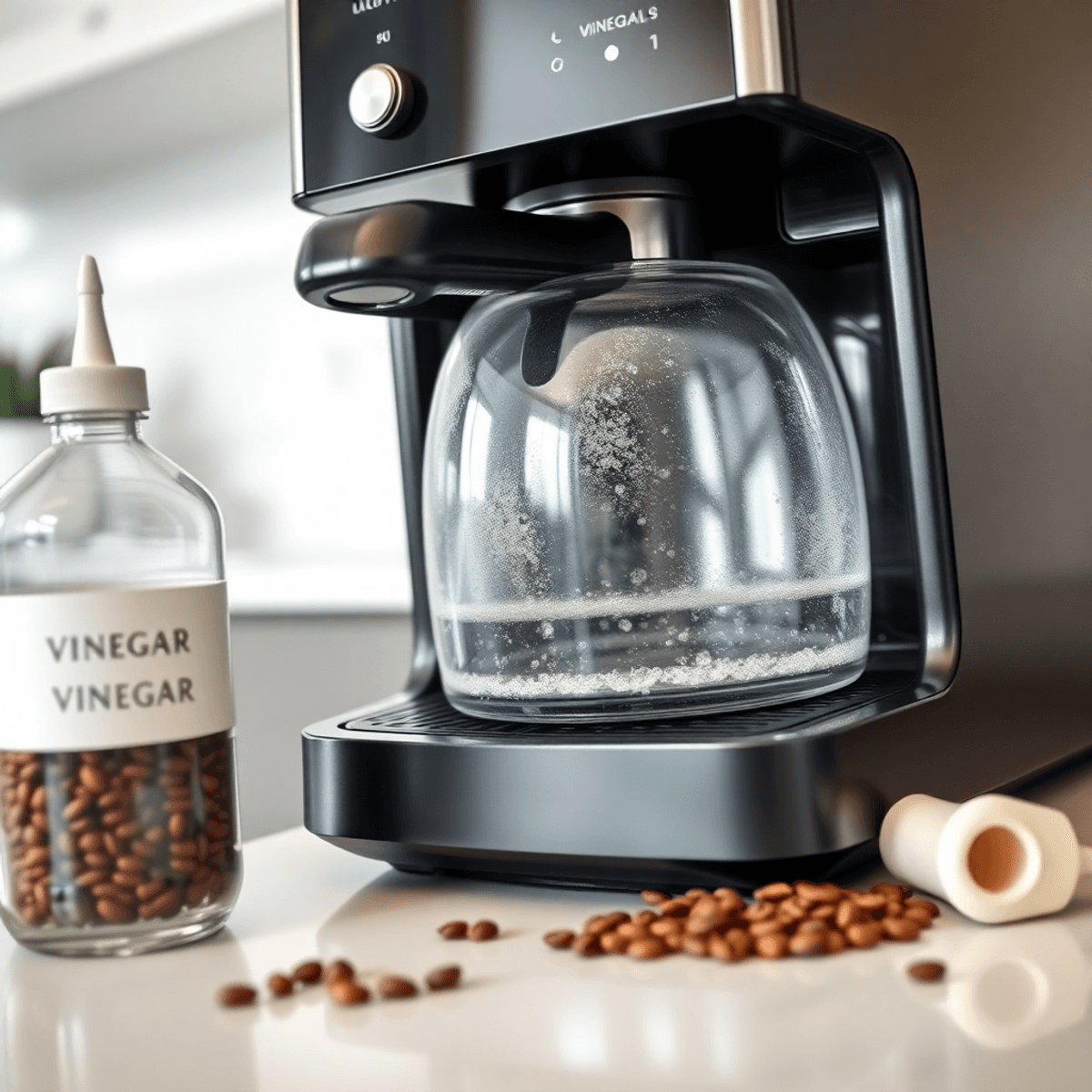
- For those who prefer a more natural approach, using vinegar as a DIY method for cleaning can also be effective.
- If you’re unsure about how to maintain specific models like the Ninja coffee machine, check out this guide on how to clean my ninja coffee machine.
- Lastly, remember that the flavor of your brew can also be influenced by the amount of coffee you put in, so it’s important to get that ratio right!
Understanding Mineral Buildup in Coffee Machines
Limescale buildup, a common issue in coffee machines, is primarily caused by the minerals present in hard water. When hard water is heated during the brewing process, calcium and magnesium salts precipitate out and form limescale deposits within the internal components of the machine. These mineral deposits can accumulate over time, leading to various performance issues if not addressed promptly.
What is Limescale Made Of?
The composition of limescale consists mainly of calcium carbonate and magnesium carbonate, which are insoluble compounds that adhere to surfaces such as heating elements, pipes, and valves within the coffee machine.
How Does Limescale Affect Your Coffee Machine?
As limescale builds up, it can:
- Hinder heat transfer
- Disrupt water flow pathways
- Affect the taste of your brewed coffee
Why is Descaling Maintenance Important?
Understanding how these mineral deposits form and impact your machine is crucial for recognizing the importance of regular descaling maintenance. This not only prevents deterioration in performance but also ensures a consistently high-quality brew.
For instance, when using a French press coffee machine, understanding how to maintain it properly can greatly enhance your brewing experience. Regularly cleaning your coffee machine with the right vinegar ratios can help mitigate these issues effectively.
The Impact of Mineral Buildup on Coffee Machine Performance
Effects of Limescale on Coffee Machines
- Mineral deposits, such as limescale, can significantly disrupt the brewing process.
- Temperature fluctuations may occur due to the insulating effect of limescale on heating elements.
- Reduced water flow can lead to incomplete extraction of coffee grounds, affecting flavor.
- Neglecting descaling may result in increased wear and tear on components over time.
- Long-term consequences include a shorter lifespan for the coffee machine if mineral buildup persists.
By understanding how mineral deposits impact coffee machine performance, you can appreciate the importance of regular descaling in maintaining optimal functionality. However, should your coffee machine become too affected by these mineral buildups, it might be worth exploring manual brewing methods as an alternative. This could ensure that you still enjoy your favorite beverage while extending the longevity of your beloved appliance.
Descaling vs Regular Cleaning: Understanding the Difference
When discussing descaling vs cleaning coffee machines, it’s important to recognize that both are essential but serve very different purposes.
1. Descaling
Descaling targets mineral buildup, primarily limescale composed of calcium and magnesium salts, which accumulate inside your machine due to hard water. This process uses acidic agents to dissolve these deposits from heating elements and water pathways, restoring optimal function.
2. Regular Cleaning
Regular cleaning focuses on removing coffee oils, grounds, and residues that linger in brew baskets, portafilters, and drip trays. This helps maintain hygiene, prevents rancid odors, and preserves the pure flavor of your coffee.
Neglecting either can lead to problems: descaling keeps internal mechanics running smoothly by preventing clogs and overheating, while cleaning avoids taste contamination and microbial growth. Understanding What is Coffee Machine Descaling: Complete Explanation means knowing that both maintenance tasks contribute uniquely to your machine’s longevity and coffee quality. Each process complements the other rather than replaces it.
Choosing the Right Descaling Agent: What You Need to Know
Selecting an effective descaling agent is crucial to restore your coffee machine’s performance without causing damage. The market offers two main categories: commercial descalers and natural alternatives.
Commercial Descalers
These products are specifically formulated for coffee machines. Most contain citric acid or sulfamic acid as active ingredients, designed to dissolve limescale quickly and thoroughly.
Pros
- Highly effective at removing stubborn mineral deposits.
- Tested for safety on various machine materials like stainless steel and plastic.
- Often come with clear manufacturer guidelines.
Cons
- Can be more expensive than natural options.
- Some formulas may have strong chemical odors if not rinsed properly.
Natural Alternatives
Common household items such as white vinegar or pure citric acid powder are popular natural descaling agents.
White Vinegar
- Readily available and inexpensive.
- Effective against light scale buildup.
- May leave a lingering smell if not flushed out thoroughly.
- Risk of damaging rubber seals or sensitive components over time due to acidity.
Citric Acid Powder
- Food-safe and odorless.
- Gentle yet efficient in dissolving limescale.
- Requires careful measurement to avoid over-concentration that could harm internal parts.
Choosing between commercial descalers vs natural alternatives depends on your machine type, how frequently you descale, and personal preferences regarding safety and environmental impact. Always verify compatibility with your coffee machine’s materials to prevent corrosion or component degradation. Proper rinsing after descaling is essential regardless of the agent used to maintain optimal flavor and machine health.
When Should You Descale Your Coffee Machine? A Practical Guide
Knowing when to descale your coffee machine is essential for maintaining its performance and longevity. Here are some guidelines to help you determine the appropriate intervals for descaling based on factors like water hardness level and usage patterns:
1. Water Hardness Level
- Test water hardness using strips or machine prompts.
- Soft water: descale every 3-6 months.
- Medium water hardness: descale every 1-2 months.
- Hard water: descale monthly or even bi-weekly.
2. Usage Patterns
- Light use (1-2 times a day): descale every 3-6 months.
- Moderate use (3-4 times a day): descale every 1-2 months.
- Heavy use (5+ times a day): descale monthly or more frequently if using hard water.
For specific coffee machines, the descaling process may vary. For instance, if you’re using a Keurig, you can follow this detailed step-by-step guide for effective results. If you own a Black and Decker coffee machine, this operating guide will provide useful insights.
Regular descaling maintains optimal performance, prolongs machine lifespan, and ensures high-quality brews. For a comprehensive understanding of the descaling process applicable to various coffee machines, refer to this complete decalcification guide.
Preventing Limescale Buildup: The Role of Water Quality
The quality of water you use in your coffee machine can have a significant impact on scale formation. By understanding how different factors affect limescale buildup, you can take proactive measures to prevent it and extend the lifespan of your appliance.
Filtered Water
Consider using filtered water in your coffee machine to reduce mineral content and delay scale buildup. Filters can effectively remove impurities and minerals that contribute to limescale formation, ensuring that only clean water is used for brewing.
Softened Water
Using a water softener can help prevent limescale formation by reducing the concentration of minerals in your water supply. Softened water contains lower levels of calcium and magnesium, which are the primary culprits behind limescale buildup.
Regular Water Quality Testing
Periodically test your water hardness to gauge the need for descaling. This will help you stay proactive in preventing mineral accumulation and allow you to adjust your maintenance routine accordingly.
Follow Manufacturer Recommendations
Check if your coffee machine manufacturer advises against distilled water, as it may lack essential minerals that could lead to corrosion. It’s important to follow their guidelines regarding the type of water suitable for your specific model.
By proactively managing your water quality, you can significantly reduce the frequency of descaling and maintain the optimal performance of your coffee machine.
Descaling Procedures for Different Types of Coffee Machines
1. Drip Coffee Makers
Descaling drip coffee makers requires a specific approach to effectively eliminate mineral buildup without damaging the machine. Use a descaling agent compatible with your device—commercial descalers formulated for coffee machines are ideal, but citric acid solutions can also work well.
Step-by-step guide for descaling drip coffee makers:
-
Prepare the descaling solution:
- Follow the instructions on your chosen descaling product to dilute it with water. If using citric acid, dissolve about 2 tablespoons in 1 liter of warm water.
-
Fill the water reservoir:
- Pour the prepared solution into the machine’s water tank as you would when brewing coffee.
-
Run a brew cycle without coffee grounds:
- Start the brewing process and let the descaling solution pass through the internal components, including the heating element and water lines. Stop the cycle halfway if possible, allowing the solution to sit inside for about 15-30 minutes to break down limescale effectively.
-
Complete the brewing cycle:
- Resume and finish the cycle, letting all of the descaler run through.
-
Rinse thoroughly:
- Empty any remaining solution from the carafe and fill the reservoir with fresh water. Run two or three complete brew cycles using only clean water to flush out residual descaling agents and prevent taste contamination.
-
Clean removable parts:
- While descaling focuses on mineral deposits, wipe down or wash removable components like filters and carafes to maintain overall hygiene.
This method ensures thorough removal of calcium and magnesium salts clogging your drip coffee maker’s internal pathways. Regularly following this procedure helps maintain consistent water flow and optimal brewing temperature, preserving both machine function and coffee flavor quality.
For more detailed instructions on how to clean a drip coffee machine, including natural cleaning methods like using vinegar, refer to our comprehensive guides. Remember that different machines may have subtle variations in capacity or brewing mechanisms; always consult your specific model’s manual before starting a descaling routine to avoid voiding warranties or causing damage.
2. Espresso Machines
Espresso machines require a different approach compared to drip coffee makers when it comes to descaling. Here’s how you can properly descale your espresso machine:
1. Check the manufacturer’s instructions
Before starting the descaling process, it’s crucial to check the manufacturer’s instructions for your specific espresso machine model. Some machines may have unique features or requirements that need to be considered during descaling.
2. Gather the necessary materials
You’ll need a few materials to properly descale your espresso machine:
- Descaling solution (ensure it’s compatible with your machine)
- Water
- A container to catch the liquid
3. Prepare the descaling solution
Follow the instructions on the descaling solution bottle to prepare it. Usually, this involves mixing a certain amount of descaling solution with water.
4. Fill the water tank
Empty the water tank of your espresso machine and fill it with the prepared descaling solution.
5. Start the descaling process
Turn on your espresso machine and start the descaling process according to the manufacturer’s instructions. This may involve running a specific program or manually activating certain functions.
6. Rinse with clean water
Once the descaling process is complete, it’s important to rinse your espresso machine thoroughly with clean water. This will help remove any remaining descaling solution and ensure that your next cup of coffee doesn’t taste off.
By following these steps and taking into account any unique features of your espresso machine, you’ll be able to properly descale it and keep it in great condition for brewing delicious coffee! For more detailed guidance, you might find this comprehensive guide on cleaning and descaling espresso machines helpful.
3. Single-Serve Pod Machines
Specific Considerations for Descaling Single-Serve Pod Machines:
Single-serve pod machines, like Nespresso or Keurig, have unique descaling requirements due to their specialized design and brewing mechanisms. The enclosed system of these machines necessitates thorough descaling to ensure optimal performance and flavor consistency.
Descaling Process for Single-Serve Pod Machines:
Follow manufacturer guidelines for the recommended descaling frequency, usually every 3-6 months depending on usage. Use a commercial descaling solution suitable for pod machines to avoid damaging sensitive components.
Step-by-Step Descaling Guide for Single-Serve Pod Machines:
- Empty the water reservoir and remove any remaining pod.
- Prepare the descaling solution as per instructions and fill the reservoir.
- Run a descaling brew cycle without inserting a pod.
- Discard the used solution and rinse the reservoir thoroughly with clean water.
- Perform a rinse cycle with fresh water to eliminate any residual descaler.
Importance of Proper Descaling:
Regular descaling of single-serve pod machines ensures consistent brew quality and prolongs the appliance’s lifespan. Neglecting descaling can lead to clogs, inconsistent brewing temperatures, and ultimately affect the taste of your favorite coffee pods.
By following these specific steps tailored to single-serve pod machines, you can maintain your appliance’s performance and enjoy delicious coffee with every brew cycle.
4. Bean-to-Cup Machines
Bean-to-cup machines are popular for their convenience, offering freshly brewed coffee at the touch of a button. However, like any other coffee machine, they require regular descaling to maintain optimal performance.
Manual Descaling
If your bean-to-cup machine doesn’t have an automatic descaling program, you’ll need to do it manually. Here’s how:
- Prepare the Descaling Solution: Mix the descaling solution with water according to the manufacturer’s instructions.
- Fill the Water Reservoir: Pour the descaling solution into the water reservoir of your machine.
- Start the Descaling Process: Refer to your machine’s manual for specific instructions on how to start the descaling process. This usually involves selecting a specific coffee size or brewing option.
- Run Multiple Cycles: Depending on the severity of limescale buildup, you may need to run multiple cycles of the descaling solution through your machine.
- Rinse Thoroughly: After descaling, it’s crucial to rinse your machine thoroughly by running several cycles of clean water through it.
Automatic Descaling
Some high-end bean-to-cup models come with self-cleaning features that include automatic descaling programs. These should be used according to manufacturer instructions for best results.
By following these guidelines, you can ensure that your bean-to-cup machine remains in top condition, delivering delicious coffee every time.
The Importance of Following Manufacturer Instructions During Descaling
Adhering to your coffee machine’s manufacturer guidelines for safe and effective descaling practices is essential. Each model is engineered with specific materials, internal components, and features that require tailored care. Using the wrong descaling method or agent can lead to:
- Damage to sensitive parts like seals, gaskets, or heating elements
- Voiding of warranty coverage due to improper maintenance
- Residual flavors or odors lingering if rinsing instructions are ignored
Manufacturers design their descaling procedures based on how water flows through the system, temperature thresholds, and chemical compatibility. They often recommend particular descaling products proven safe for their machines. Following the exact steps—such as dilution ratios, cycle durations, and rinse sequences—ensures optimal removal of limescale without harming the coffee maker.
Ignoring these instructions risks not only machine performance but also your investment in quality brewing equipment. This focus on precision aligns with What is Coffee Machine Descaling: Complete Explanation, highlighting that correct maintenance balances effectiveness with safety for lasting results.
For instance, if you own a K-Cup coffee machine, it’s crucial to follow the specific maintenance instructions provided by the manufacturer during descaling. Similarly, each brand has its unique setup and operational guidelines; whether it’s a Cuisinart coffee machine, a Ninja coffee machine, or a Mr. Coffee machine, adhering to these tailored instructions is key for maintaining optimal performance.
It’s worth noting that the principles of descaling and maintenance extend beyond coffee machines. For instance, in medical settings where autoclaves are used, following specific cleaning protocols is equally important. You can learn more about this in our comprehensive guide on cleaning autoclaves which shares insights into proper cleaning techniques that ensure longevity and efficiency of such machines.
Benefits Beyond Maintenance: Why Regular Descalings Matter for Coffee Lovers Too!
Regular coffee machine descalings deliver advantages beyond just maintenance purposes. These benefits directly impact your daily coffee experience and the long-term health of your machine.
1. Enhanced Brew Quality
Mineral buildup disrupts water temperature and flow, key factors in extracting the perfect flavor from coffee grounds. Routine descaling restores consistent heat and optimal water passage, which translates into richer aroma, balanced acidity, and fuller body with every cup.
2. Consistent Extraction Conditions
Descaling ensures that internal components such as heating elements and pipes remain free from blockages. This stability prevents fluctuations during brewing cycles, allowing you to enjoy reliable taste profiles without unexpected bitterness or weak shots.
3. Reduced Risk of Costly Repairs
Ignoring scale accumulation can lead to severe mechanical issues like clogged valves or overheating. These problems often require expensive parts replacement or professional servicing. Regular descaling minimizes wear and tear, safeguarding your investment over time.
4. Preservation of Machine Efficiency
Scale deposits force machines to work harder, consuming more energy while delivering subpar performance. A clean internal system maintains efficient operation, saving electricity and preventing premature breakdowns.
Paying attention to descaling is not just a technical chore but a way to protect the flavor integrity of your coffee while extending the functional life of your equipment. This practice also lowers the chance of sudden malfunctions that disrupt your routine and incur avoidable expenses.
Conclusion
Understanding What is Coffee Machine Descaling: Complete Explanation equips you to maintain your machine effectively. Regular descaling removes harmful mineral buildup that compromises performance and flavor. Key points to remember:
- Prolongs machine lifespan by preventing damage from limescale
- Ensures consistent coffee quality through optimal extraction
- Reduces risk of costly repairs caused by neglected scale deposits
- Following manufacturer instructions guarantees safe and effective maintenance
Commitment to descaling transforms your daily brew experience, keeping your coffee fresh and your machine running smoothly for years to come.