How to Clean a Coffee Machine with Baking Soda: Alternative Method

Keeping your coffee machine clean is essential for making great-tasting coffee every day. Regular maintenance is important to keep your coffee maker working well and lasting longer. In this article, we’ll introduce you to an alternative method for cleaning your coffee machine using a common household item – baking soda. This method provides a natural and efficient solution to remove dirt, mineral buildup, and unpleasant smells that can affect the taste of your coffee. Let’s discover how you can use baking soda to effectively clean your coffee machine and maintain its performance.
Why Use Baking Soda for Cleaning Your Coffee Machine?
Baking soda offers multiple benefits that make it an excellent choice for cleaning your coffee machine. Its cleaning properties are particularly effective at tackling the grime and mineral deposits that accumulate over time inside the machine. These deposits often result from hard water and leftover coffee oils, which can affect both machine performance and coffee flavor.
Key cleaning features of baking soda include:
- Mild abrasive action: It gently scrubs away buildup without scratching delicate surfaces inside the machine.
- Alkaline nature: Baking soda’s slightly basic pH helps dissolve acidic residues like coffee stains and mineral scale.
- Non-toxic formula: Safe for use in food-related appliances, it leaves no harmful chemical residues behind, making it a better option than some natural cleaning products to avoid harmful chemicals.
The odor-neutralizing benefits of baking soda also play a crucial role in maintaining your coffee maker. Coffee machines can sometimes develop unpleasant smells due to trapped oils, stale water, or mold growth in hard-to-reach areas. Baking soda naturally absorbs and neutralizes these odors rather than just masking them, ensuring your brewed coffee tastes fresh every time.
Using baking soda as a cleaning agent supports:
- Eliminating sour or musty smells that could alter your coffee’s aroma.
- Preventing odor buildup between regular cleanings.
- Maintaining a cleaner environment inside the machine for better flavor extraction.
These combined effects highlight why baking soda is not only effective but also a gentle and safe alternative to harsh chemical cleaners when it comes to keeping your coffee machine clean and odor-free.
However, while baking soda is a fantastic option, it’s not the only one available. For instance, cleaning your coffee machine with vinegar is another popular natural method. If you own a K-cup model, you might want to consider these maintenance instructions for cleaning a K-cup coffee machine. Alternatively, if you’re using a drip coffee maker, this guide on how to clean a drip coffee machine could be very helpful. Lastly, if you have a Hamilton Beach coffee machine, this operating guide will provide you with useful insights on its usage and maintenance.
Step 1: Preparing the Coffee Machine for Cleaning
Before we dive into the cleaning process, it’s essential to start with an empty water tank. This step is crucial because any leftover water can dilute the baking soda solution, reducing its effectiveness in breaking down grime and mineral buildup inside your coffee machine. Make sure to remove all water from the reservoir and discard any used coffee grounds or filters.
If you’re unsure about how to operate your specific coffee machine during this process, you can refer to this detailed operating guide for Black and Decker coffee machines.
The next step involves preparing a baking soda mixture with a simple yet precise ratio to maximize cleaning power without causing harm to your machine:
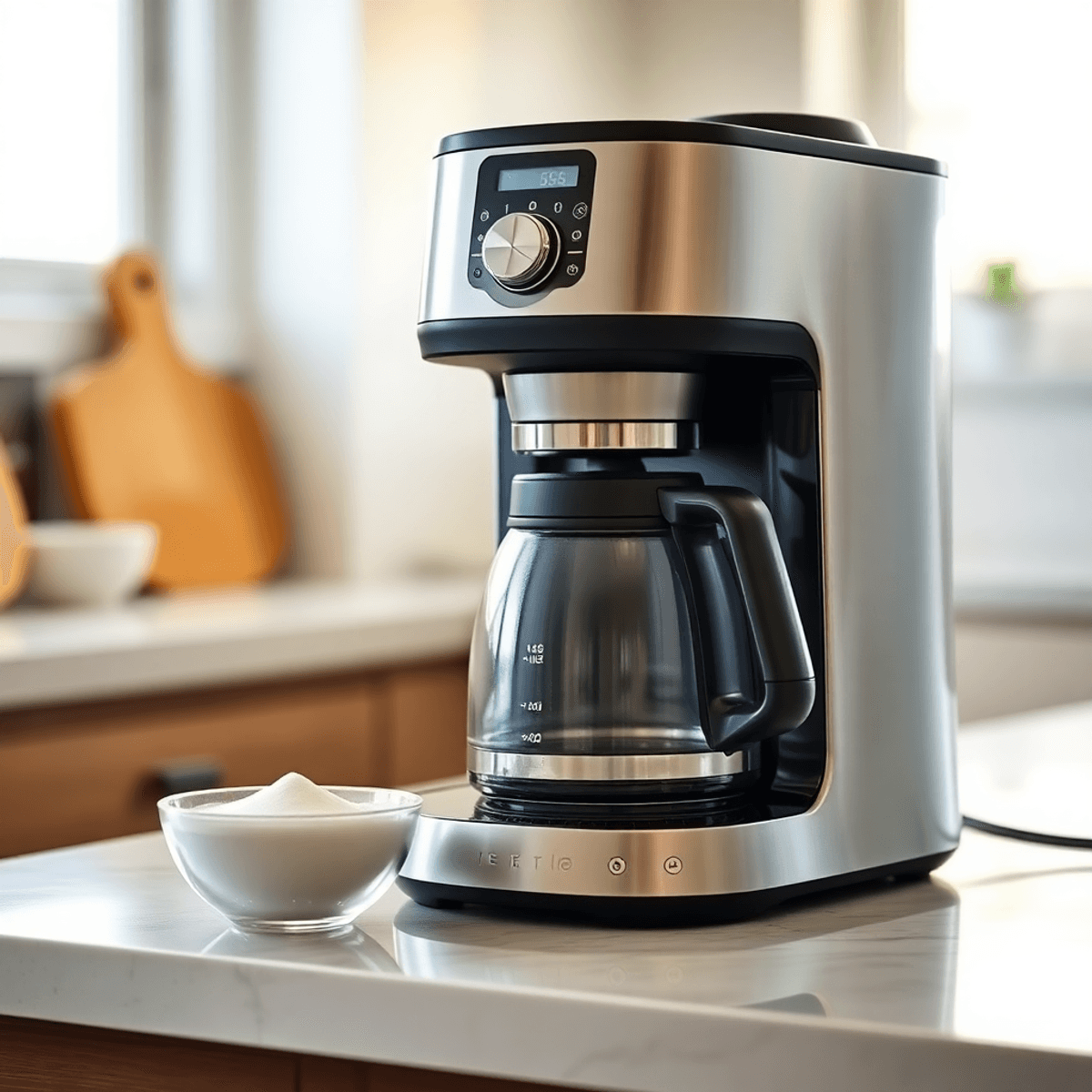
- Use ¼ cup (about 60 grams) of baking soda.
- Dissolve it in 4 cups (1 liter) of warm water.
Warm water helps the baking soda dissolve more efficiently, ensuring an even distribution throughout the machine when cycled. Stir the mixture thoroughly until no visible particles remain. Avoid using cold water as it may leave undissolved baking soda in the reservoir, which can clog or damage internal components.
It’s also important to note that using too much baking soda can leave a residue or create excessive foam during the cleaning cycle. Sticking to the recommended ratio balances effective cleaning with machine safety.
Once your solution is ready, carefully pour it into the empty water tank. Ensure there are no spills or leftover deposits around the reservoir opening. This prevents unwanted buildup outside the machine and ensures that the entire volume of your baking soda mixture enters the system for optimal cleaning coverage.
This preparation stage sets a solid foundation for thoroughly cleansing your machine’s internal parts during the next step. If you own a Cuisinart coffee machine, you might find these step-by-step instructions useful, while those with a Keurig should check out this complete guide on descaling. For general advice on how to descale any coffee machine, refer to this comprehensive decalcification guide.
And if you’re ever in a situation where you need a caffeine fix but don’t have access to your coffee machine, consider exploring some manual brewing methods as an alternative solution.
Step 2: Cleaning Process with Baking Soda Solution
Pouring the prepared baking soda solution into the reservoir of your coffee machine.
Before you start this step, ensure that your coffee machine is still unplugged for safety. Take the mixture prepared in the previous step, where you dissolved baking soda in warm water. Slowly pour this solution into the water reservoir of your coffee machine. Be cautious not to overfill or spill the mixture to prevent any mess.
Running the coffee maker with baking soda mixture
Once you have poured the baking soda solution into the reservoir, plug in your coffee machine and turn it on as if you were brewing a regular pot of coffee. For instance, if you’re using a Keurig coffee machine, follow the specific instructions for running it. Let the machine run its brewing cycle so that the baking soda mixture circulates through all internal components. This process helps break down any lingering grime, mineral deposits, or odors inside the machine.
By allowing the baking soda solution to flow through all parts of your coffee maker, you ensure a thorough cleaning process that targets any buildup effectively. This step is crucial in maintaining the cleanliness and performance of your machine while enhancing the taste and aroma of your favorite brews. If you own a Cuisinart coffee machine or a French press, remember to follow their specific operational guidelines during this cleaning process for optimal results.
Step 3: Flushing Out Residue and Ensuring a Clean Finish
After running the baking soda solution through your coffee machine to break down stains and buildup, it’s essential to ensure a thorough clean finish. To complete the cleaning process effectively, follow these steps:
- Fill the water reservoir with fresh water.
- Run a brewing cycle without adding any coffee grounds.
- Repeat this process several times until the water runs clear from the coffee maker.
This final step helps to eliminate any leftover baking soda residue or loosened debris from the internal components of your coffee machine. By flushing the system with clean water, you can guarantee that your next brew will not be tainted by any cleaning agents or impurities. Regularly performing this flushing routine after using baking soda for cleaning will help maintain the freshness and quality of your coffee machine over time.
For specific guidance on how to clean different types of coffee machines, including Keurig, Ninja, Mr. Coffee, or even using vinegar as a cleaning agent, you can refer to these comprehensive resources: general coffee machine cleaning tips and cleaning your coffee machine with vinegar.
Benefits of Regularly Using Baking Soda for Coffee Machine Maintenance
Improved Taste and Aroma
Regularly using baking soda for cleaning your coffee machine can lead to a noticeable enhancement in the taste and aroma of your brews. By effectively [removing grime and mineral deposits](https://www.coffeemakerexpert.com/how-to-descale-a-breville-coffee-machine-maintenance-guide) that accumulate over time, you can experience a cleaner and more flavorful cup of coffee.
Eliminating Odors
One of the key benefits of incorporating baking soda into your cleaning routine is its ability to [eliminate odors that affect coffee flavor](https://www.coffeemakerexpert.com/how-much-vinegar-to-clean-a-coffee-machine-proper-ratios). Baking soda’s odor-neutralizing properties work to freshen up the internal components of your coffee machine, ensuring that each brew tastes as delicious as possible.
Long-Term Maintenance
By consistently cleaning your coffee machine with baking soda, you are investing in its long-term maintenance. This proactive approach helps prevent the buildup of residue that can not only affect the quality of your coffee but also the overall performance of the machine. Regular maintenance with baking soda can prolong the lifespan of your coffee maker and ensure optimal brewing results every time.
Incorporating baking soda into your cleaning routine is a simple yet effective way to maintain the cleanliness and performance of your coffee machine while enjoying better-tasting brews.
Safety Precautions and Recommendations for Using Baking Soda in Coffee Machines
1. Consult Your Coffee Machine’s Manual
Before using baking soda to clean your coffee machine, it is essential to refer to the manufacturer’s instructions. Not all machines are designed to withstand the abrasive nature of baking soda, which could potentially damage certain components. For instance, if you own a Black and Decker coffee machine, following specific cleaning guidelines is crucial. By adhering to the recommendations provided in the manual, you can prevent any harm to your appliance and maintain its longevity effectively.
2. Prioritize Safety and Recommended Cleaning Methods
Always prioritize safety and adherence to recommended cleaning methods for optimal performance of your coffee maker. If you’re unsure about the amount of coffee to use in your machine, remember that there are [perfect ratios](https://www.coffeemakerexpert.com/how-much-coffee-to-put-in-a-coffee-machine-perfect-ratios) that can help you achieve the best results.
3. Understand Different Types of Coffee Machines
Furthermore, understanding how different types of coffee machines operate can also enhance your experience. For example, if you’re interested in using a French press, or if you’re looking for operating instructions for a Ninja coffee machine, it’s beneficial to familiarize yourself with their specific usage guidelines.
Remember, a well-maintained coffee machine guarantees the continued production of delicious brews without compromising on flavor or quality. Whether it’s a Nespresso or any other model, ensuring proper care and understanding its functionality will lead to an enriched coffee brewing experience. If you’re considering purchasing a new Nespresso machine, check out this model comparison guide for some helpful insights.
Conclusion
Give this alternative method a try to maintain your coffee machine effectively.
If you found these maintenance tips helpful, share them with fellow coffee lovers!