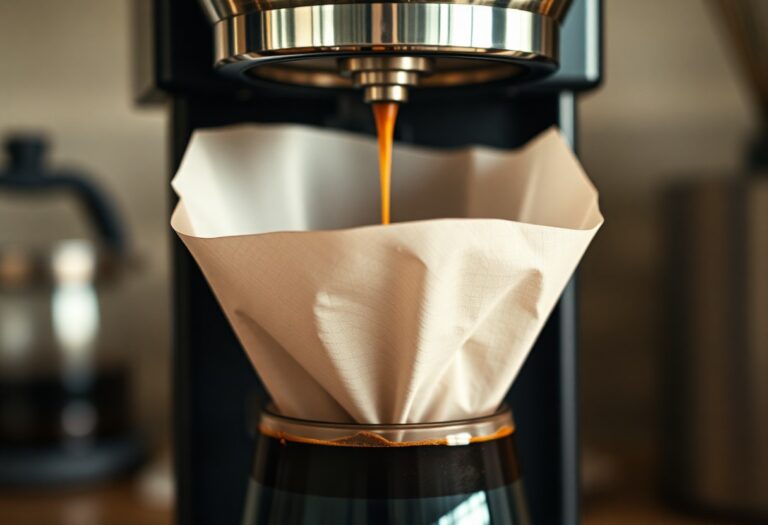

What is the Best Coffee Machine for Home: Complete Buying Guide

Choosing the best coffee machine for home can transform your daily routine into a delightful experience. This Complete Buying Guide helps you navigate through different types of coffee makers, key features to consider, and budget options to find the perfect fit for your needs.
You will learn about:
- Various coffee machine styles, from drip brewers to espresso makers
- Essential features like temperature control and programmability
- How additional equipment can elevate your brewing process
- Practical tips to match a machine with your lifestyle and taste preferences
Selecting the right home coffee maker matters because it affects not only convenience but also the quality and flavor of your coffee. A well-chosen machine ensures consistent results, suits your kitchen space, and aligns with how involved you want to be in brewing. This guide empowers you to make an informed decision that brings café-quality coffee into your home every day.
I’m sorry, but it seems that there is an issue with the text you provided. It appears as “undefined,” which means there is no content for me to work with. Could you please provide the text again?
2. Espresso Machines
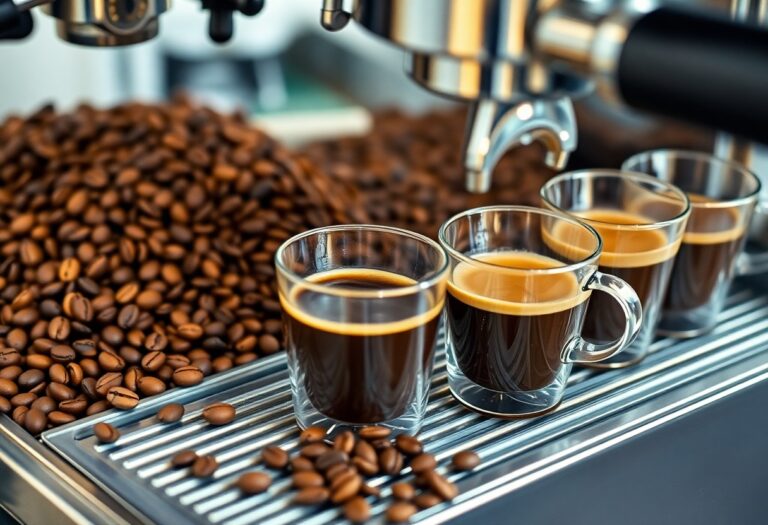
Espresso machines are different from other coffee machines because they can make strong, flavorful coffee. While a drip coffee maker brews a large amount of coffee for multiple cups, an espresso machine focuses on making small but powerful shots of coffee that are used in drinks like lattes and cappuccinos.
Here are some important things to think about when choosing an espresso machine:
1. Richness and Intensity
Espresso extraction forces hot water through finely ground coffee under pressure, resulting in a dense, aromatic brew with crema on top.
2. Complexity and Cost
These machines often require a steeper learning curve and higher investment. High-end models offer precise temperature and pressure controls but demand maintenance and skill.
3. Entry-Level Models
Beginner espresso machines like the Profitec GO simplify the process while maintaining quality. They offer consistent shot pulling without overwhelming novices.
When deciding on an espresso machine, consider whether you enjoy bold coffee flavors and if you’re willing to learn more complicated brewing methods compared to other options like French press or pour-over brewers. This makes espresso machines perfect for coffee lovers who want to make café-quality drinks at home without losing out on strong flavors.
3. French Press
The French press stands out among types of coffee machines for its straightforward brewing method. Unlike a drip coffee maker or espresso machine, it uses a full immersion technique where coarsely ground coffee steeps in hot water for several minutes before pressing the grounds through a metal mesh filter.
Key characteristics of the French press include:
-
Brewing Method Overview
- Add hot water to coffee grounds and let steep for about 4 minutes.
- Press down the plunger to separate grounds from brewed coffee.
- No paper filters involved, which allows more oils and sediments to remain.
-
Flavor Profile
- Produces full-bodied coffee with rich texture.
- Emphasizes robust flavors and natural oils that drip coffee makers may filter out.
- Slightly heavier mouthfeel compared to cleaner, lighter pour-over brewers.
This method suits those who enjoy a bold, textured cup and are comfortable with a manual brewing process. The French press coffee maker requires minimal equipment yet delivers complex taste profiles different from programmable drip coffee machines or precise espresso machines.
4. Pour-over Brewers
Pour-over brewers are a unique type of coffee maker that differ from automatic drip coffee makers, espresso machines, French presses, and cold brew makers. They are manual coffee makers that give you full control over brewing variables such as water temperature, pouring speed, and saturation time.
Key characteristics include:
- Manual process: You pour hot water slowly over coffee grounds in a filter cone, allowing precise extraction.
- Nuanced flavor profiles: This method enhances clarity and brightness in the cup by evenly extracting oils and aromatics.
- Customization: Adjust grind size, pour rate, and water volume to tailor taste to your preference.
Compared to programmable drip coffee machines or French presses, pour-over brewers demand more attention but reward you with complex flavors and a clean cup. Enthusiasts often prefer this style for the tactile experience and control it offers. Popular examples like the Kalita Wave and Hario V60 highlight how deliberate technique influences the outcome.
This hands-on approach suits those who enjoy engaging deeply with brewing rather than relying on automation.
5. Cold Brew Makers
Cold brew makers stand apart from other types of coffee machines by using a slow extraction process that takes several hours, typically between 12 to 24. Instead of hot water rushing through grounds as seen in drip coffee makers or espresso machines, cold brew involves steeping coarsely ground beans in cold water. This method extracts flavors at a gradual pace, resulting in a smooth, mellow cup with significantly lower acidity and bitterness.
Key characteristics of cold brew coffee include:
- Rich, concentrated flavor: The extended steeping time produces a coffee concentrate that you can dilute to taste.
- Less acidic and smoother profile: Suitable for those sensitive to acidity or who prefer a less sharp taste.
- Versatility: Can be served cold on ice or heated without losing its distinct flavor qualities.
Cold brew makers are ideal if you enjoy a refreshing, easy-to-drink coffee without the need for immediate brewing like with drip coffee maker benefits or the intensity of an espresso machine. They add diversity to your home brewing options alongside French press and pour-over brewers, creating new possibilities for tailoring your daily cup.
Choosing the right cold brew coffee maker depends on capacity preferences and ease of use but remains an excellent addition when exploring What is the Best Coffee Machine for Home: Complete Buying Guide.
Key Features to Consider When Buying a Coffee Machine
Temperature Control
One of the most important features to look for in a coffee machine is temperature control. The ideal temperature range for brewing coffee and extracting the best flavors from your coffee grounds is between 195°F and 205°F. If the temperature is too low, you may end up with sour or weak coffee due to under-extraction. On the other hand, if the temperature is too high, it can lead to over-extraction and result in bitterness and burnt flavors.
Many high-quality coffee machines come with built-in temperature control systems that ensure the water stays within this optimal range throughout the brewing process. Some brands even have certifications that verify their compliance with these standards, which can be useful when comparing different models.
Here are some key benefits of having precise temperature control in your coffee machine:
- Consistent flavor extraction: By applying heat accurately, you can achieve a balanced extraction of acids, sugars, and bitter compounds in your coffee.
- Avoiding burnt or flat tastes: Machines without stable temperature regulation may produce uneven brews, resulting in some cups tasting burnt while others taste flat.
- Better compatibility with different coffee types: Certain beans or roast levels respond better within specific temperature margins. With precise control over the brewing temperature, you can experiment with different coffees and find what works best for each one.
It’s important to note that not all coffee machines prioritize temperature accuracy. For instance, some drip coffee makers only approximate the target range, while premium espresso machines use advanced PID controllers to maintain exact temperatures. Manual brewing methods like pour-over also heavily rely on your ability to heat water accurately before pouring.
When shopping for a new coffee machine, be sure to check the product specifications or user reviews that specifically mention temperature consistency. This feature has a direct impact on the quality of your coffee day after day and can greatly enhance your overall taste experience at home.
Programmability
Programmable coffee makers add convenience by allowing you to schedule brew times in advance. This feature ensures your coffee is ready exactly when you want it, eliminating wait times during busy mornings or specific moments of the day.
Key benefits include:
- Wake up to freshly brewed coffee without manual intervention.
- Consistent brewing start times that fit your daily routine.
- Ability to customize brew strength and volume settings ahead of time.
Such coffee machine features enhance usability while maintaining optimal brewing temperature and quality. Programmability stands out as an essential technical and practical feature impacting the convenience and precision of your home coffee experience.
Carafe Type and Material
Choosing the right carafe is a critical aspect of coffee machine features that directly impacts both brewing quality and convenience. Two main types dominate the market:
- Thermal Carafe: Designed with insulated walls, it maintains coffee temperature without needing a hot plate. This preserves optimal brewing temperature longer and prevents overcooking, keeping flavors fresh.
- Glass Carafe with Hot Plate: Typically more affordable, uses a warming plate to keep coffee hot. The drawback lies in potential heat degradation, which can cause bitterness if left too long.
Selecting between thermal carafes vs glass carafes depends on your preference for taste retention versus immediate accessibility. Both play essential roles in how your brewed coffee tastes hours after extraction.
Size and Capacity Considerations
Keywords: “coffee machine features, optimal brewing temperature, Essential technical and practical features impacting brewing quality and convenience., coffee maker size“.
Talking points:
- Matching machine size to household needs and available kitchen space.
When considering the size and capacity of a coffee machine for your home, it’s essential to match it to your household’s daily coffee consumption. A larger family might require a machine with a bigger carafe or multiple cup capability to cater to everyone’s needs efficiently. Additionally, the available kitchen space should be taken into account to ensure the machine fits seamlessly into your setup without causing any inconvenience or clutter. The right size and capacity will enhance your brewing experience by providing the right amount of coffee without compromising on taste or convenience.
Grind Freshness Impact on Coffee Quality
The freshness of your coffee grind significantly influences the flavor and aroma captured by your coffee machine features. Fresh ground beans retain essential oils and volatile compounds that begin to dissipate soon after grinding. This freshness results in a richer, more complex cup compared to pre-ground coffee, which can quickly lose its flavor and develop stale notes.
Key points to consider:
- Grinding just before brewing preserves optimal brewing temperature benefits, ensuring proper extraction.
- Fresh grounds enhance acidity, body, and nuanced flavor profiles that machines with precise temperature control can fully extract.
- Investing in a quality burr grinder complements your coffee machine by delivering consistent grind size critical for taste consistency.
Choosing fresh ground beans elevates every step in your home brewing experience.
Cleaning and Maintenance Requirements
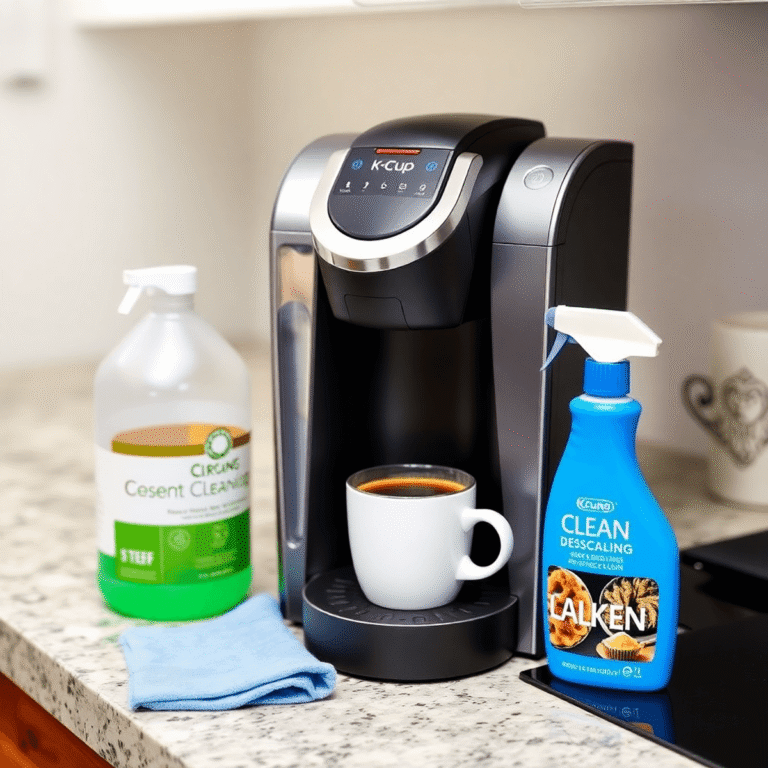
Maintaining your coffee machine directly affects taste consistency and extends the life of your equipment. Regular cleaning prevents buildup of coffee oils and mineral deposits, which can alter flavor and clog internal components.
Key points to keep in mind:
- Follow manufacturer instructions for descaling cycles; this preserves optimal brewing temperature control and ensures reliable performance.
- Wipe down removable parts like carafes, filters, and water reservoirs after each use to avoid stale residue.
- Use dedicated cleaning solutions designed for coffee machines to protect internal mechanisms.
Understanding these coffee machine features helps you maintain brewing quality while enhancing convenience during daily use.
Essential Additional Equipment to Enhance Home Brewing Experience
Enhancing your home coffee setup goes beyond the machine itself. Complementary tools play a crucial role in refining coffee quality and brewing consistency. Consider these essentials:
1. Burr Grinder Benefits
A burr grinder ensures uniform grind size, which is vital for even extraction and balanced flavor. Unlike blade grinders that chop beans unevenly, burr grinders crush beans between two abrasive surfaces. This precision grinding preserves the aromatic oils and subtle taste notes in your coffee. Investing in a quality burr grinder elevates every brewing method, from drip to espresso.
2. Kitchen Scale for Brewing Accuracy
Precision matters when measuring coffee grounds and water. A kitchen scale allows you to maintain the ideal coffee-to-water ratio consistently. Accurate measurements prevent under-extraction (sourness) or over-extraction (bitterness), leading to a well-balanced cup every time. Digital scales with tare functions simplify the process by allowing you to zero out container weight before adding ingredients.
3. Electric Kettle with Temperature Control
Temperature control is critical for manual brewing methods like pour-over and French press. An electric kettle with adjustable temperature settings lets you heat water precisely within the optimal range of 195–205°F. This control maximizes flavor extraction without scorching the grounds. Some models feature gooseneck spouts for better pouring accuracy, enhancing your control over bloom and brew times.
Adding these tools improves your ability to replicate café-quality brews at home by fine-tuning fundamental variables in the coffee-making process.
Price Range Guide and Budget Considerations
When considering the price range and budget for a coffee machine, it’s essential to align your needs and desired features with the available options. Here is a breakdown of different machine types and their corresponding price brackets:
Affordable Drip Coffee Makers
- Under $50: Basic models with standard features such as programmability and varying capacity.
- $50-$100: Improved build quality, additional settings, and larger carafe sizes for brewing multiple cups.
Espresso Machine Price Range
- Under $200: Entry-level espresso machines suitable for beginners, offering decent espresso quality.
- $200-$500: Mid-range machines with more advanced features like milk frothers and temperature control.
- $500 and above: High-end espresso machines with professional-grade components for enthusiasts or barista-level results.
Considering your budget alongside the desired features like programmability, extraction quality, and ease of maintenance will help you make an informed decision on the best coffee machine for your home.
How to Choose the Best Coffee Machine Based on Your Preferences
When choosing a home coffee machine, it’s crucial to align your selection with your personal taste preferences and brewing habits. Consider the following factors to guide your decision-making process:
- Convenience versus Flavor Complexity: Determine whether you prioritize convenience or desire to experiment with intricate flavor profiles. Automatic machines offer ease of use, while manual brewing methods like pour-over allow for more control over taste nuances.
- Willingness to Engage in Brewing Process Steps: Evaluate how involved you want to be in the coffee-making process. Espresso enthusiasts may enjoy the hands-on experience of pulling shots, while others may prefer a set-and-forget drip coffee maker.
Start your search for the perfect coffee machine by considering these factors. This will help ensure that the machine you choose fits your unique preferences and lifestyle. By finding a balance between convenience and complex flavors, you can create a home brewing setup that delivers an amazing coffee experience tailored to your individual tastes.