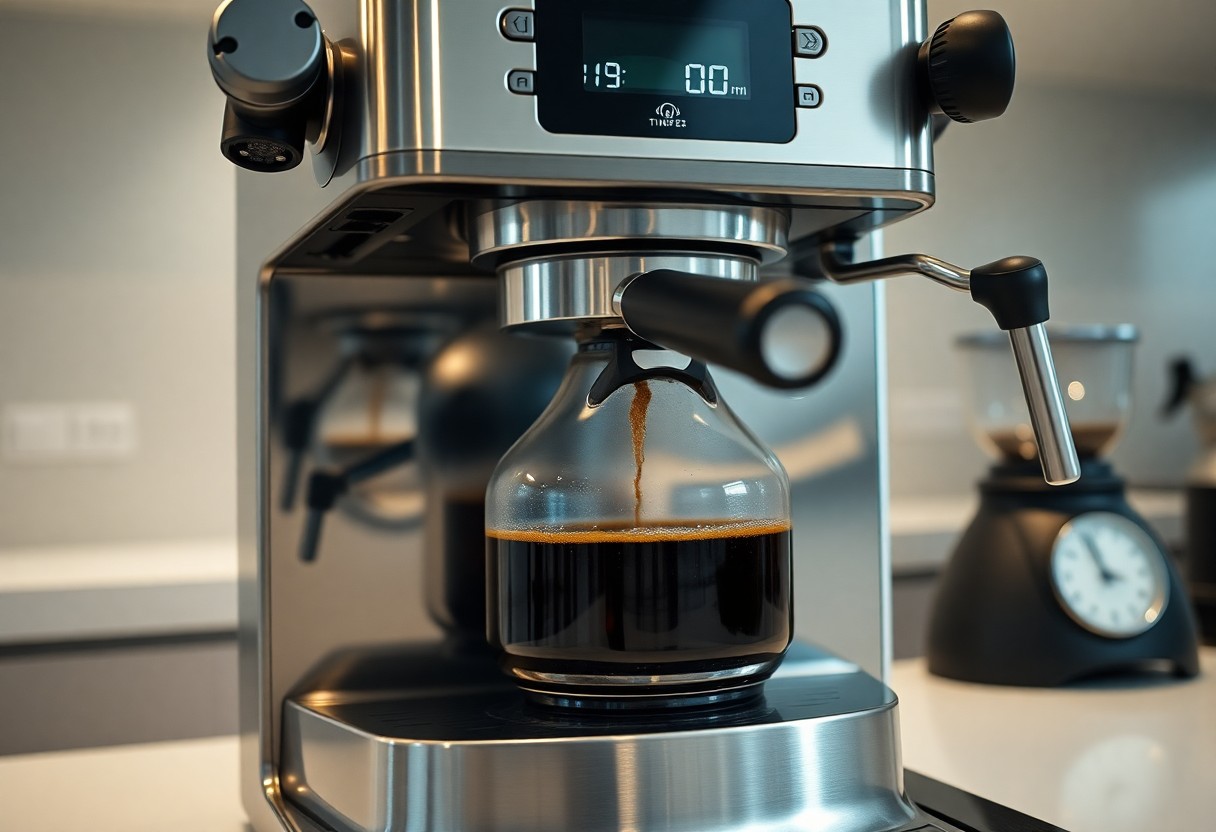
What is a Semi-Automatic Coffee Machine – Manual Control Features

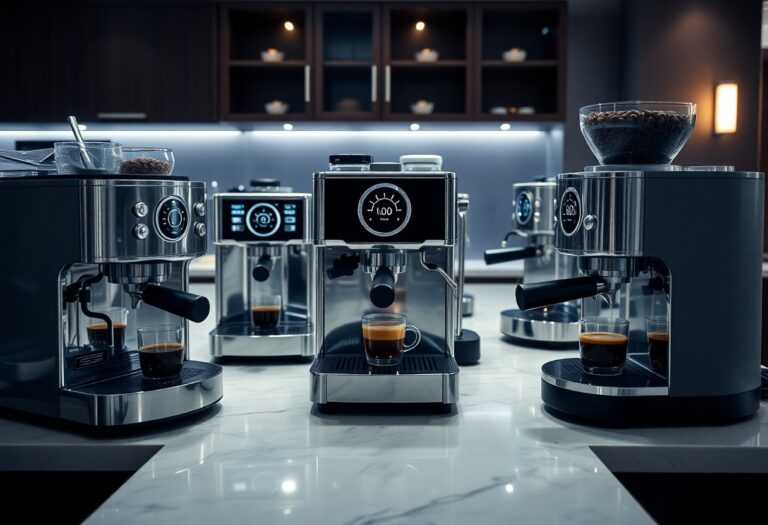
You may find yourself enjoying the art of coffee brewing with a semi-automatic coffee machine, which combines the convenience of automation with the control that comes from manual adjustments. This type of machine allows you to fine-tune your espresso by controlling variables such as grind size, tamp pressure, and extraction time, resulting in a personalized cup tailored to your taste. While it offers more flexibility than fully automatic models, it also requires a bit of practice to master. If you’re curious about the differences in coffee machines, you can explore more in this article about Manual vs. automatic espresso machine: Which is best?.
Key Takeaways:
- Semi-automatic coffee machines allow users to manually control the brewing process, offering flexibility in extraction time and water temperature.
- The machine typically features a pump that manages water pressure while the user operates the grind size, coffee dose, and extraction duration.
- Baristas can achieve a more personalized and refined cup of coffee by adjusting parameters according to their preferences.
- These machines often include a steam wand for frothing milk, providing the option to create coffee beverages like lattes and cappuccinos.
- While they require more skill and technique compared to fully automatic machines, they are favored by coffee enthusiasts for their hands-on brewing experience.
The Anatomy of a Semi-Automatic Coffee Machine
A semi-automatic coffee machine is an intricate combination of technology and design that enhances your ability to create exceptional coffee. These machines allow for a manual brewing process while still automating specific aspects for convenience. Understanding the anatomy of these machines can elevate your coffee-making skills, giving you the knowledge to tweak and perfect each cup to your taste.
Key Components and Their Roles
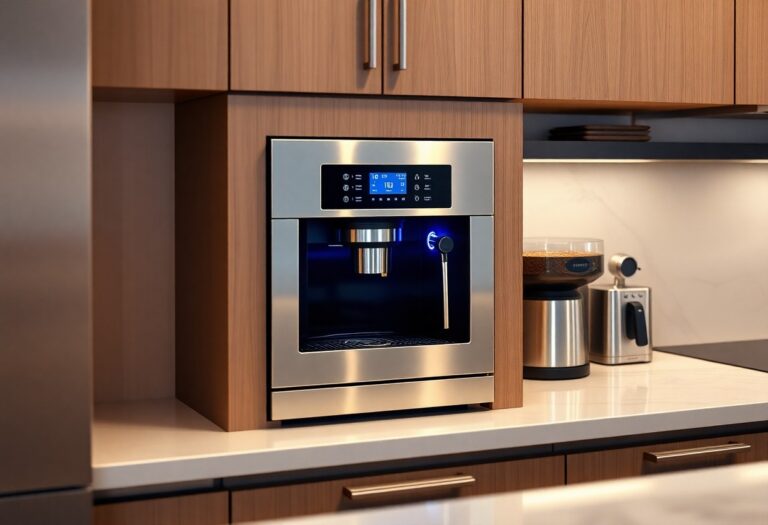
The key components of a semi-automatic coffee machine include the water reservoir, pump, boiler, group head, and portafilter. The water reservoir holds water, while the pump generates pressure to facilitate extraction. The boiler heats the water, the group head houses the portafilter during brewing, and the portafilter holds the coffee grounds. Each part plays a vital role in the overall coffee-making process.
How Semi-Automatic Differs from Other Types
Unlike fully automatic machines, which handle everything from grinding to brewing, a semi-automatic machine grants you control over the extraction time and pour, allowing for a more personalized experience. Manual machines require you to handle the entire brewing process, while semi-automatic combines automation with the hands-on approach. This balance gives you the satisfaction of crafting the perfect cup without sacrificing all the convenience.
| Component | Function |
| Water Reservoir | Stores water for brewing |
| Pump | Creates pressure for extraction |
| Boiler | Heats water to the optimal temperature |
| Group Head | Connects to the portafilter for brewing |
| Portafilter | Holds coffee grounds during extraction |
Understanding how semi-automatic machines differ from other types really hinges on your approach to coffee-making. While fully automatic machines do the legwork for you, with pre-programmed settings for everything from grinding to brewing, the semi-automatic gives you the freedom to experiment. You can adjust water temperature, pressure, and extraction time according to your taste preferences, making every cup a unique creation. This control allows for an artisanal touch that many coffee enthusiasts appreciate.
| Feature | Semi-Automatic |
| Control Over Brewing | You decide the extraction time |
| Grinding Function | Usually separate; you grind the beans |
| Convenience | Offers automation with personal touch |
| User Skill Requirement | Requires practice to master |
- Brewing control allows for tailored coffee experiences.
- Artisan approach caters to personal taste preferences.
- Temperature adjustment plays a key role in flavor extraction.
- Skill development fosters a deeper connection to the process.
- Experimentation leads to discovering new coffee profiles. Perceiving
The Art of Manual Control
Embracing the nuances of a semi-automatic coffee machine immerses you in the artistry of coffee making. With manual control, you wield significant power over your brew, from determining the precise extraction time to adjusting the water flow. Consider it a delicate dance where every variable influences the final flavor profile, allowing you to create a cup tailored to your taste preferences.
Mastering Water Temperature and Pressure
Water temperature and pressure are vital in determining how your coffee extracts flavors. Managing these elements requires a keen eye and a steady hand, making adjustments as needed to unlock the best characteristics of your beans.
| Water Temperature | Pressure |
|---|---|
| Optimal brewing temperature ranges between 195°F to 205°F. | A standard espresso machine operates at 9 bars of pressure. |
| Too high or too low can lead to over-extraction or under-extraction. | Pressure impacts the intensity of flavor and crema formation. |
The Importance of Grind Size and Tampering
Your grind size and tampering technique directly influence extraction efficiency, impacting taste and texture. A proper grind strikes a balance between too coarse (resulting in weak flavor) and too fine (yielding bitterness). Moreover, effective tampering ensures uniform pressure, allowing for a delectable and balanced cup every time.
A coarser grind, typically suited for press coffee, extracts slowly, while a finer grind used in espresso allows for quick extraction under high pressure. Aim for a texture resembling granulated sugar. The act of tampering is as significant; applying even pressure creates a level coffee bed, preventing channeling and inconsistent extraction. Mastering these elements transforms your brewing, lifting the experience of your coffee from average to extraordinary.
Extraction Techniques: Timing is Everything
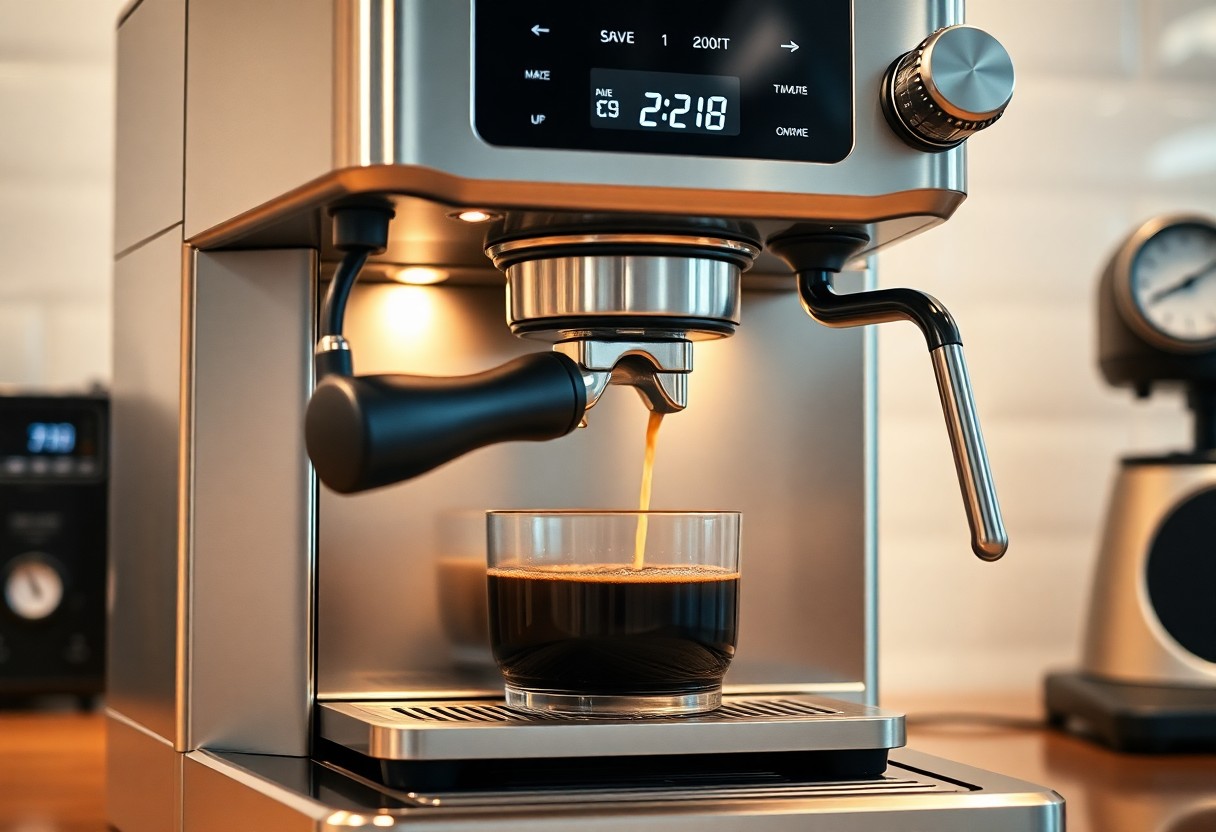
Mastering extraction techniques is key for achieving the perfect espresso shot. The balance between water pressure and brew time can dramatically influence the final flavor profile of your coffee. Each variable, including grind size and coffee dose, works in tandem with your timing decisions to yield an optimal extraction. By being attentive to these details, you refine your expertise and elevate your coffee experience.
The Role of Brew Time in Flavor Development
Brew time significantly impacts the flavor development of your espresso. A shorter extraction often results in a bright, acidic taste, while extending the time can lead to a richer, fuller-bodied flavor. Typically, aiming for an extraction time of 25 to 30 seconds allows maximum flavor extraction from the coffee beans, contributing to a balanced cup.
Understanding Shot Pulling for Optimal Results
Understanding shot pulling is crucial for brewing espresso that meets your flavor preferences. This technique involves controlling the extraction process, focusing on how much time you spend pulling the shot and ensuring consistency in your brewing method. By adjusting your grind size or tamping pressure, you can manipulate the flow rate and timing, ultimately impacting the richness and complexity of your espresso.
For optimal results, aim for a shot pull duration of around 25 to 30 seconds. If your espresso pulls too quickly, it can taste weak and underdeveloped due to insufficient extraction. Conversely, if the shot takes too long, it may become bitter and over-extracted. Adjusting variables like grind size, dose, and tamp pressure is crucial in perfecting shot pulling techniques, allowing you to explore various flavor profiles that cater to your taste preferences. With practice, you’ll hone a consistent approach that unveils the true potential of your coffee beans.
Enhancing the Espresso Experience: Customization Options
Crafting the perfect espresso goes beyond brewing; it involves personalizing each element to suit your unique palate. Semi-automatic coffee machines allow you to manipulate various factors such as grind size, brewing time, and temperature, creating a coffee experience tailored specifically to your taste. This level of customization empowers you to experiment, whether you prefer a rich, full-bodied flavor or a lighter, fruitier brew. With endless possibilities at your fingertips, your coffee-making journey can transform into an exciting exploration.
Frothing Milk: Techniques for the Perfect Microfoam
Achieving silky smooth microfoam is vital for lattes and cappuccinos, and mastering frothing techniques enhances your coffee artistry. Use a steam wand positioned at an angle to create a whirlpool effect in the milk, allowing for that velvety texture. Keep the milk temperature between 140°F and 150°F to avoid scalding, while diligently incorporating air for volume. As you practice, you’ll develop a feather-like microfoam that elevates your espresso drinks to café-quality perfection.
Flavor Adjustments: Adding Syrups and Spices
Enhance your espresso with flavor adjustments like syrups or spices to create signature drinks that reflect your preferences. A splash of vanilla syrup or a sprinkle of cinnamon can add depth and complexity to your cup. Consider using flavored syrups like hazelnut or caramel for different experiences, and don’t shy away from experimenting with spices. Nutmeg and cocoa powder can also bring interesting notes, allowing you to craft seasonal beverages that tantalize your taste buds.
In terms of flavor adjustments, a little experimentation leads to delightful discoveries. Mixing specific syrups with various milk types, such as oat or almond, opens an array of new flavors. For instance, pairing caramel syrup with almond milk creates a sweet, nutty profile that contrasts beautifully with robust espresso. You can also combine multiple syrups in your drink, harmonizing flavors like mocha and hazelnut for a rich experience. The key is to find a balance that enhances rather than overpowers the espresso—aiming for a harmonious blend that speaks to your preferences. Don’t hesitate to jot down your favorite combinations, making it easier to recreate your personal masterpieces again and again.
Common Pitfalls in Manual Brewing
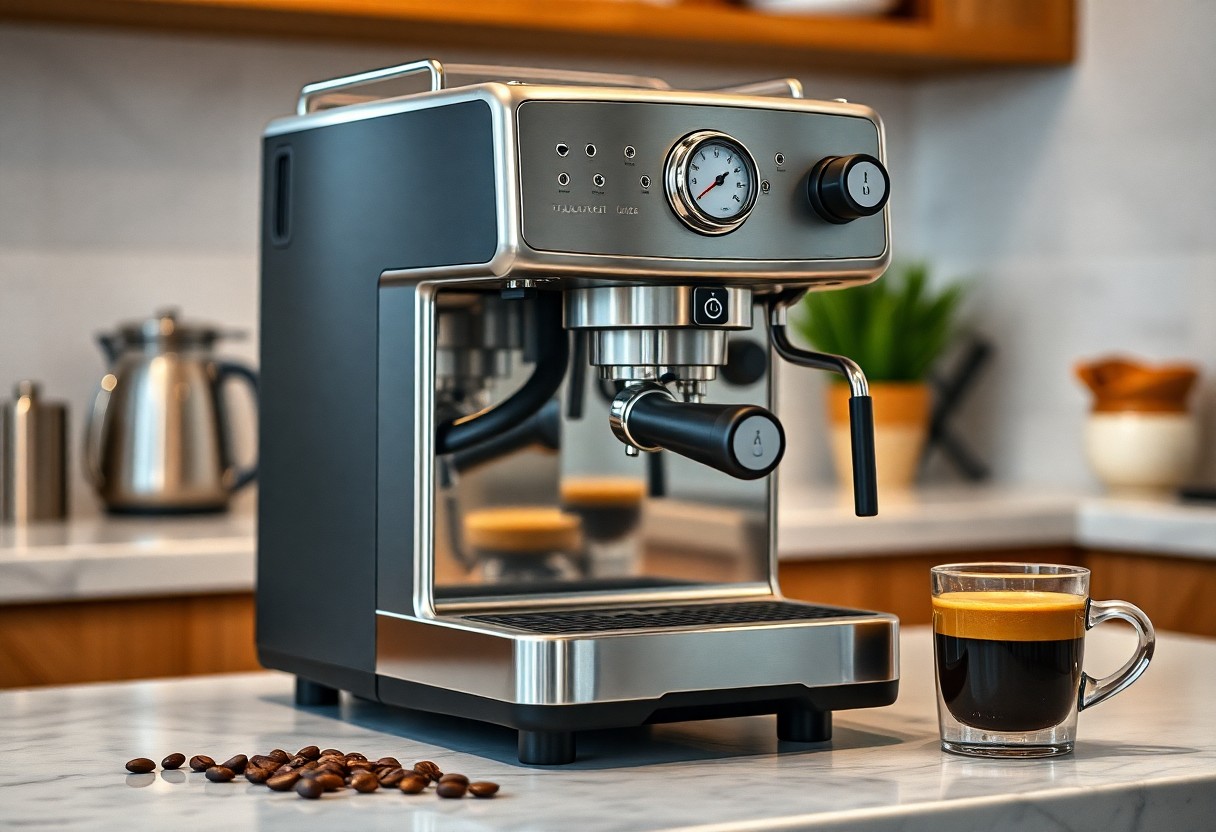
Identifying common pitfalls in manual brewing can save you from disappointing coffee experiences. Many enthusiasts fall into the trap of over-extraction or under-extraction, which leads to flavors that do not represent the beans well. You might also find that inconsistencies in your grinding technique and water temperature can greatly affect the final product. Paying attention to timing and technique will help you make the most of your semi-automatic machine.
Mistakes That Sabotage Your Coffee
Your passion for coffee can sometimes lead you to make simple mistakes that ruin your brew. Poorly managed grind sizes, incorrect water-to-coffee ratios, and inadequate storage methods result in a lackluster cup. If you rush the extraction process or use old beans, the end product may taste muddy or flat. These seemingly minor errors can detract from the quality of your carefully selected coffee.
Tips for Avoiding Common Errors
To steer clear of common brewing errors, embrace fundamental techniques that enhance your coffee experience. Invest time in calibrating your grinder settings to achieve a consistent grind size and measure ingredients with precision for the perfect coffee-to-water ratio. Ensure your water is at the right temperature, aiming for between 195°F and 205°F for optimal extraction. This attention to detail allows your beans to shine in every cup. The key is consistent practice and mindful execution.
- calibrating your grinder settings is crucial for a balanced brew
- measuring coffee-to-water ratio can make or break your cup
- using optimal water temperature allows for the best extraction
- consistent practice builds your brewing confidence
Adjusting your practices can make a significant difference in your brewing routine. Take the time to experiment with various grind sizes until you find the perfect blend for your taste preferences. Adjust the coffee-to-water ratio based on the type of beans you’re using and their flavor characteristics, ensuring each cup is a delightful reflection of the coffee’s origin. Lastly, note your brewing times and tweak them as needed to extract the rich flavors and aromas from your beans. The combination of these tips will elevate your manual brewing efforts.
- experiment with grind sizes to find your ideal flavor
- adjust coffee-to-water ratios for different bean profiles
- note and refine brewing times for maximum flavor extraction
- elevate your manual brewing efforts with careful adjustments
Conclusion
Summing up, a semi-automatic coffee machine offers you the flexibility to control various brewing parameters manually, such as grind size, water temperature, and extraction time. This hands-on approach allows you to customize your coffee experience, tailoring each cup to your personal taste preferences. With the right knowledge and technique, you can elevate your coffee-making skills and enjoy a perfect brew that satisfies your cravings. Investing time in understanding your machine will pay off in exceptional coffee quality and satisfying results.
FAQ
Q: What is a semi-automatic coffee machine?
A: A semi-automatic coffee machine is a type of espresso maker that requires the user to perform certain tasks manually while still offering a degree of automation. This means the user is responsible for initiating the brewing process, controlling water flow, and sometimes adjusting the grind size, but the machine typically handles temperature regulation and pressure consistency, which are vital for brewing a good shot of espresso.
Q: What manual control features can I expect from a semi-automatic coffee machine?
A: Semi-automatic coffee machines usually include several manual control features such as the ability to control the water flow and pressure, as well as customize the brewing time. Users can also adjust the grind size and amount of coffee used, ensuring a personalized brewing experience. Additionally, some machines allow users to froth milk manually, giving baristas more control over the texture and temperature of their frothed milk for drinks like lattes or cappuccinos.
Q: How does the manual control aspect enhance the coffee brewing experience?
A: The manual control aspect of semi-automatic coffee machines allows coffee enthusiasts to experiment with different variables to achieve their desired flavor profiles. Users can fine-tune aspects like water temperature, grind size, and extraction time. Many find this hands-on approach to brewing gratifying, as it enables them to develop their skills and understand how each element affects the final cup of coffee.
Q: Are semi-automatic coffee machines suitable for beginners?
A: Yes, semi-automatic coffee machines can be suitable for beginners though they may require some learning. While they provide a more hands-on experience than fully automatic machines, many models come with user-friendly features and clear instructions. Beginners should start with simple settings and gradually explore more complex manual controls as they become more comfortable with the brewing process.
Q: What types of beverages can I make with a semi-automatic coffee machine?
A: A semi-automatic coffee machine is versatile and can produce a wide range of espresso-based beverages. Users can make classic espresso shots, cappuccinos, lattes, Americanos, and more. With milk frothing capabilities, users can create drinks with varying textures and presentations. The customization options also allow users to experiment with flavor combinations and serving styles, making it an excellent choice for those who enjoy a variety of coffee drinks.