What Does Descaling a Coffee Machine Mean – Complete Explanation

Descaling your coffee machine is imperative for maintaining its performance and ensuring the quality of your brews. Over time, minerals from water can build up inside the machine, leading to issues like reduced efficiency and poor tasting coffee. Not descaling can lead to clogs or even permanent damage to your machine, putting a damper on your daily coffee ritual. In this post, you’ll learn what descaling means, why it’s important, and how to effectively keep your coffee maker running smoothly for the best possible coffee experience.
Key Takeaways:
- Descaling is the process of removing mineral buildup, especially limescale, from the internal components of a coffee machine.
- Regular descaling ensures optimal performance and prolongs the lifespan of the coffee machine by preventing blockages and damage.
- Common descaling solutions include vinegar, citric acid, or commercial descaling solutions specifically designed for coffee machines.
- The frequency of descaling depends on the hardness of the water used and the machine’s usage; generally, every 1 to 3 months is recommended.
- Descaling procedures vary by machine type (e.g., drip, espresso); always refer to the manufacturer’s instructions for best results.
The Science of Calcium: Why Descaling Matters
Calcium is a natural mineral found in water, especially in areas with hard water. Over time, calcium can accumulate as limescale in your coffee machine, hindering its performance and efficiency. This buildup affects water flow and temperature, which directly influences the quality of your coffee. Keeping your machine free of calcium deposits ensures optimal brewing pressure and heat regulation, allowing you to enjoy a rich and flavorful cup without unwanted interruptions.
The Impact of Hard Water on Coffee Machines
Hard water can wreak havoc on your coffee machine, leading to significant malfunctions over time. The minerals found in hard water, primarily calcium and magnesium, deposit themselves in critical areas, such as heating elements and water lines. This buildup restricts water flow and causes your machine to work harder, ultimately shortening its lifespan and requiring costly repairs or replacements.
How Mineral Buildup Affects Coffee Quality
Mineral buildup not only hampers your coffee machine’s functionality but also compromises the flavor profile of your coffee. When limescale deposits affect the brewing process, it can alter the temperature and pressure levels required for optimal extraction. As a result, your coffee may taste flat, bitter, or even excessively acidic, depriving you of the rich nuances you expect from quality coffee beans. Regular descaling can help eliminate these unwanted effects and keep your daily brew delicious.
In numerous coffee evaluations, experts have found that mineral deposits can result in a bitter aftertaste and muted aroma, both of which diminish your overall coffee experience. For instance, a study revealed that coffee brewed with machines suffering from severe limescale buildup had a 20% lower overall flavor intensity compared to coffee made with well-maintained equipment. This underscores the necessity of routinely descaling to preserve the exquisite flavors and aromas locked within your favorite coffee beans.
Recognizing the Signs: When to Descale Your Machine
Observing the performance of your coffee machine can reveal much about its need for descaling. Look out for changes in brewing time, a decrease in temperature, or unusual noises during operation. If your coffee flavors seem off, possibly tasting bitter or metallic, it’s a strong indication that mineral buildup is impacting your machine. Regularly checking these factors ensures your coffee remains consistently delicious and your machine stays in prime condition.
Common Indicators of Mineral Buildup
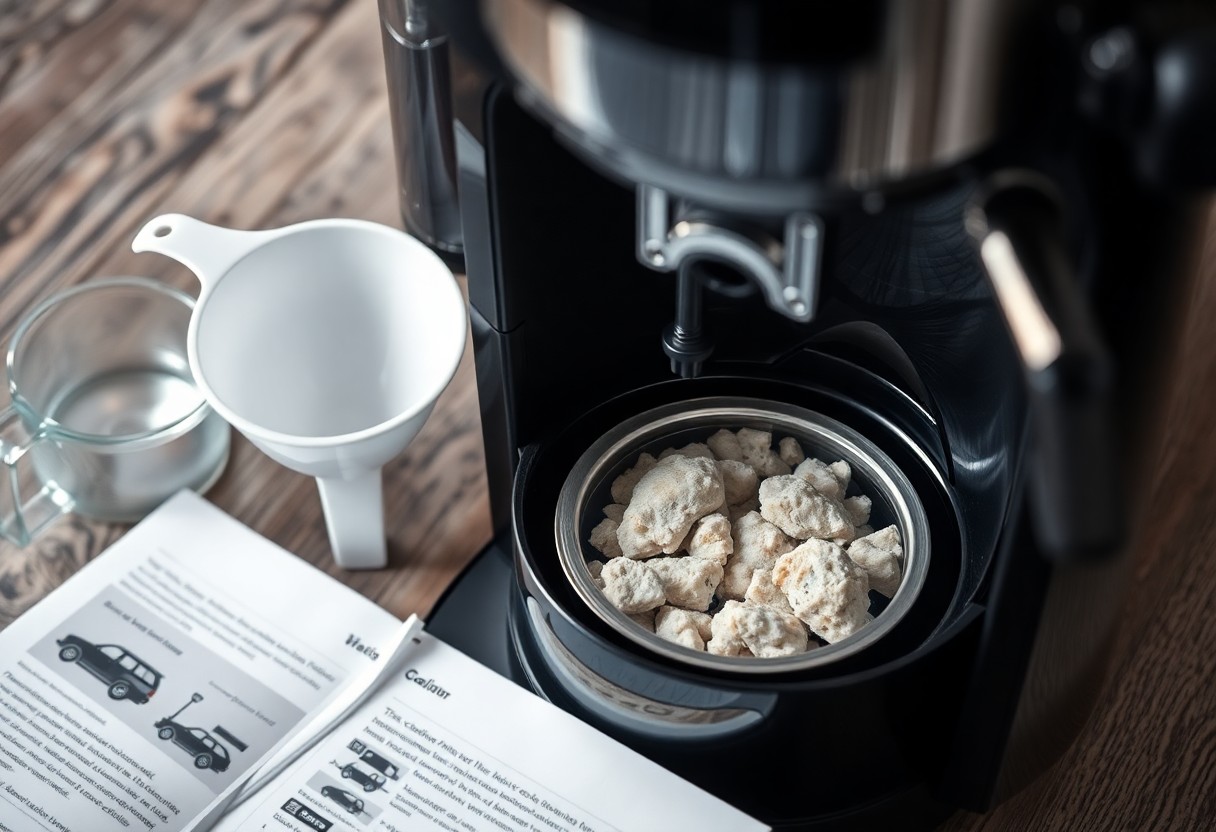
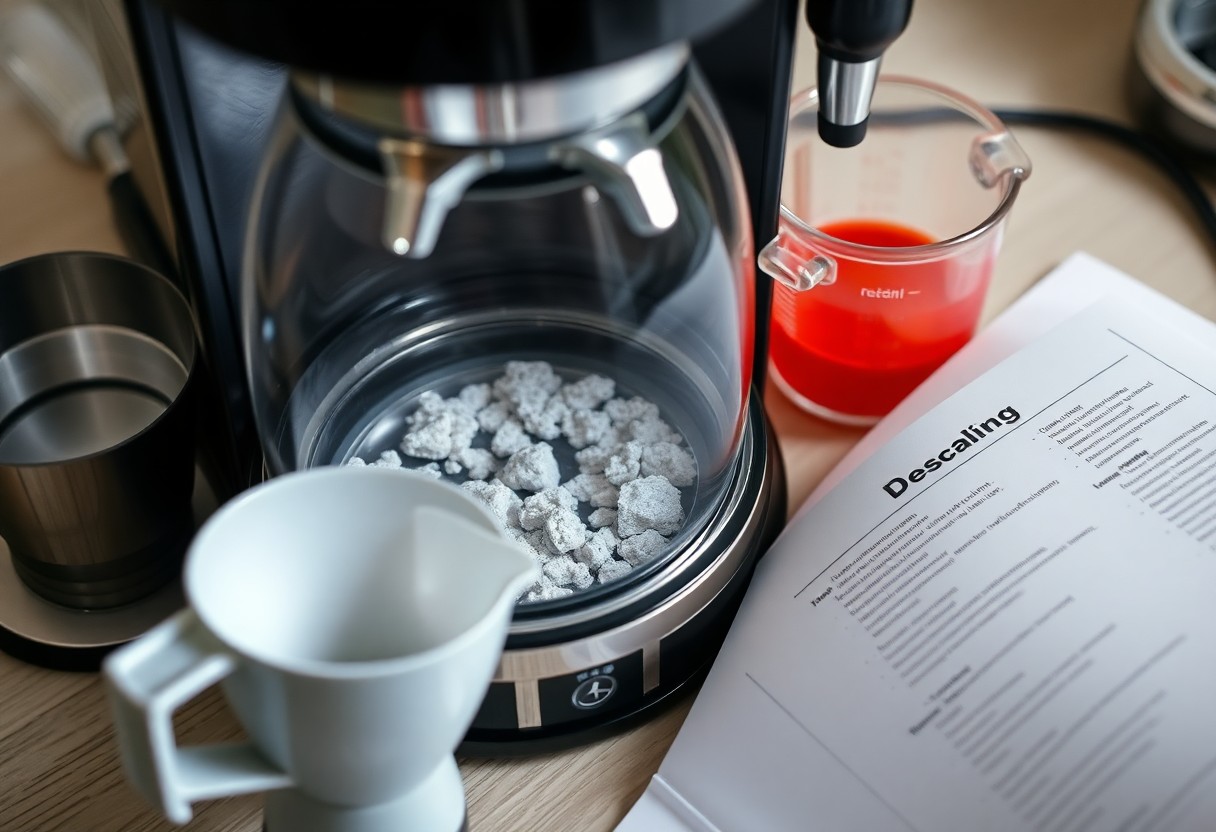
Common signs of mineral buildup include a decrease in brewing efficiency and changes in the taste of your coffee. You may notice that water takes longer to heat up or that brewing cycles are sluggish. Additionally, if you observe visible white residue around the water reservoir or on the brewing components, it’s likely caused by limescale deposits. Together, these signs clearly indicate that it’s time to descale your machine.
The Long-Term Effects of Neglecting Descaling
Neglecting to descale your coffee machine can lead to several long-term issues, including decreased efficiency and potential permanent damage. Over time, mineral deposits can clog the internal components, impacting water flow and ultimately leading to breakdowns. Affected machines may also produce inconsistent coffee quality and require expensive repairs, resulting in additional costs that could easily be avoided with regular maintenance.
Ignoring the need for descaling can significantly shorten the lifespan of your coffee machine, which is often an investment. In particular, a blockage due to limescale can affect heating elements, causing them to work harder than necessary, which may lead to their premature failure. By proactively descaling your machine, you not only ensure better coffee quality but also save money in the long run by extending the operational life of your equipment.
Decoding the Descaling Process: A Step-by-Step Guide
| Step | Description |
|---|---|
| 1. Gather Materials | Collect your descaling solution, water, and any tools necessary for your coffee machine. |
| 2. Prepare the Machine | Ensure your coffee machine is clean and empty, including the water reservoir and the brew basket. |
| 3. Mix the Solution | Follow the manufacturer’s instructions to mix the descaling solution with water in the reservoir. |
| 4. Run the Descale Cycle | Activate the descaling program or run a brew cycle without coffee to allow the solution to flow through. |
| 5. Rinse and Clean | After descaling, rinse the machine thoroughly with fresh water to eliminate any lingering descaling solution. |
Preparing Your Coffee Machine for Descaling
Before venturing into the descaling process, ensure your coffee machine is ready by removing any remaining grounds, water, and filters. Thoroughly clean the outer surfaces and check for any visible buildup or residue. This preparation helps the descaling solution effectively target limescale without interference from leftover coffee oils or particles.
Choosing the Right Descaling Solution
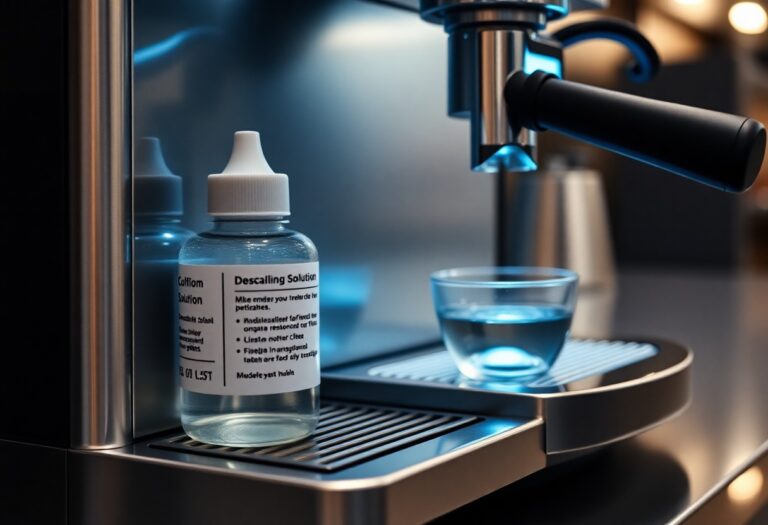
Selecting an appropriate descaling solution is vital for effective cleaning and long-term care of your coffee machine. Options include commercial descalers specifically formulated for your machine type or natural alternatives like vinegar or citric acid. Pay attention to your manufacturer’s recommendations to avoid damaging your machine’s components.
Commercial descaling solutions are often tailored to specific brands and models, ensuring optimal results without the risk of residual flavors or damage. For example, if you have a high-end espresso machine, using the manufacturer’s recommended descaler can prevent voiding your warranty. If opting for a natural solution, a mixture of equal parts water and vinegar can be effective, but should be followed by thorough rinsing to avoid lingering taste. The choice of descaling solution can significantly influence the efficiency of the descale process and the longevity of your coffee machine.
Maintaining Your Equipment: Best Practices for Longevity
To extend the life of your coffee machine, consistent maintenance practices are non-negotiable. Regularly inspect all components, including filters and seals, and keep an eye on any signs of wear or damage. Performing routine cleaning and using quality products for descaling will help ensure your machine continues to operate smoothly. Additionally, following the manufacturer’s guidelines for usage and cleaning can prevent unnecessary breakdowns and enhance the flavors of your brew.
Regular Maintenance Routines
Establishing a schedule for maintenance is vital to keeping your coffee machine in top condition. This includes daily cleaning tasks like rinsing parts and weekly deep cleaning sessions. Monthly descaling prevents mineral deposit buildup, while periodic checks of your machine’s functioning help identify potential issues early on. For instance, consider logging your maintenance activities to track performance and know when it’s time for a thorough upkeep.
Choosing Water Wisely to Minimize Buildup
The type of water you use greatly impacts your coffee machine’s performance. Hard water, which contains minerals like calcium and magnesium, can lead to significant scale deposits over time. Opting for filtered or bottled water with lower mineral content minimizes the potential for buildup and extends the intervals between descaling sessions. Using distilled water is another effective option as it eliminates these minerals completely.
Many coffee enthusiasts underestimate the role water quality plays in machine longevity. By investing in a water filter or using bottled water, you can proactively tackle the scaling problem. Consider that switching to filtered water can reduce scale buildup by up to 60%, significantly increasing the lifespan and efficiency of your coffee maker. Pairing good quality water with regular descaling gives you a solid foundation for delicious coffee and a well-maintained machine.
The Cost of Procrastination: Financial and Functional Consequences
Delaying descaling can lead to both financial and functional drawbacks. Without regular maintenance, mineral buildup can damage internal components, resulting in expensive repairs or even the need for a complete replacement of your coffee machine. The savings from postponing this important task can quickly evaporate when faced with unexpected repair bills. To better understand the best practices in descaling, check out How to Descale a Coffee Machine?
Repair Costs vs. Regular Maintenance
Neglecting regular descaling inevitably leads to higher repair costs. A coffee machine running on accumulated mineral deposits may experience overheating, clogged pipes, or even electrical failures, each coming with a hefty price tag for repairs. Investing in a simple descaling routine is a fraction of the cost compared to the financial burden of major repairs.
The Impact on Your Coffee Experience
Your coffee experience can significantly deteriorate when you forgo descaling. As mineral buildup affects the heating element and water flow, your beloved brew may taste bitter, lose aroma, and even show variations in temperature. A well-maintained machine not only preserves your coffee’s flavor but also offers a consistent experience, so you can savor each cup as intended.
Imagine your morning coffee lacking the rich, aromatic flavor you love. Over time, descaling neglect can lead to a noticeable decline in coffee quality. The water used in brewing will carry over impurities, resulting in off-flavors that mask your premium beans. Additionally, inconsistent temperatures can leave you sipping lukewarm brews rather than the perfectly hot cup that starts your day right. Prioritizing regular maintenance ensures you enjoy every drop coffee as it was meant to be tasted.
To wrap up
Considering all points, descaling your coffee machine is necessary for maintaining its performance and longevity. This process removes mineral buildup, ensuring that your machine operates efficiently and produces high-quality coffee. By regularly descaling, you not only enhance the taste of your brew but also protect your investment from potential damage. Implementing this simple maintenance routine will keep your coffee machine in top shape, allowing you to enjoy perfect cup after perfect cup. Take the time to descale, and savor the benefits it brings to your daily coffee experience.
FAQ
Q: What does descaling a coffee machine involve?
A: Descaling a coffee machine involves the process of removing mineral buildup, particularly calcium and lime scales, that accumulate inside the machine over time. This buildup can negatively affect the machine’s performance and the taste of the coffee. Descaling typically requires a descaling solution or vinegar, which is run through the machine as if you were brewing coffee. The solution dissolves the minerals, allowing the machine to operate efficiently and producing better-tasting coffee.
Q: How often should I descale my coffee machine?
A: The frequency of descaling your coffee machine largely depends on the hardness of the water in your area and how often you use the machine. As a general guideline, it’s advisable to descale every 1 to 3 months. If you use your coffee machine daily or have hard water, you might need to descale more frequently. Some machines have built-in indicators that alert you when descaling is necessary, making it easier to keep track of maintenance.
Q: Can I use vinegar to descale my coffee machine?
A: Yes, vinegar is a common and effective natural descaling agent. To use vinegar, mix equal parts water and white vinegar, then run the mixture through the coffee machine as if brewing coffee. After doing so, run two or three cycles of clean water through the machine to rinse away any vinegar residue. Keep in mind that while vinegar is effective, some manufacturers recommend specific descaling products for optimum performance and to prevent any potential damage to certain machine components.
Q: What signs indicate that my coffee machine needs descaling?
A: There are several signs that suggest your coffee machine may need descaling. These include a slow brewing process, unusual noises during operation, and a decrease in coffee quality, such as changes in taste or temperature. Additionally, you might notice visible mineral buildup around the machine’s water reservoir or spouts. Paying attention to these signs can help ensure your machine continues to function properly and produce delicious coffee.
Q: Is descaling harmful to my coffee machine?
A: When done correctly and with the appropriate products, descaling is not harmful to your coffee machine. In fact, it is a necessary maintenance process that prolongs the machine’s lifespan and enhances its performance. However, using non-recommended descaling agents or neglecting to rinse the machine thoroughly afterward can cause potential issues. Always follow the manufacturer’s instructions regarding descaling frequency and recommended products to ensure safe and effective maintenance.