What Coffee to Use for DeLonghi Espresso Machine – Brand Guide

Most coffee enthusiasts find that selecting the right beans is imperative for achieving the perfect espresso with your DeLonghi espresso machine. Your choice of freshly roasted coffee significantly impacts flavor, aroma, and overall experience. You might wonder if Q: Can you use pre-ground coffee with this machine? … While it’s possible to use pre-ground coffee, optimal results come from whole beans that you grind just before brewing. In this guide, we’ll explore recommended brands and blends that suit your machine for an amazing espresso experience.
Key Takeaways:
- Select high-quality coffee beans for optimal flavor and aroma.
- Consider using medium to dark roast beans for a richer espresso profile.
- Freshly ground coffee leads to better extraction and taste.
- Experiment with different blends to discover your preferred espresso taste.
- Ensure the coffee grind size is appropriate for your DeLonghi machine to achieve the best results.
Decoding Espresso: What Makes the Perfect Bean
Creating that perfect espresso shot hinges on your choice of coffee beans. The right bean can enhance flavors, create a pleasant crema, and deliver the aromatic experience you seek. Factors such as the origin, variety, and roast level all contribute to the nuanced profiles found in different coffee beans. Understanding these elements helps you make informed decisions, ultimately elevating your espresso experience with your DeLonghi machine.
The Role of Bean Origin and Variety
Your espresso’s flavor profile largely depends on the bean’s origin and variety. Beans sourced from Central and South America often exhibit bright acidity with chocolatey undertones, while African beans typically provide fruity and floral notes. Single-origin beans can bring distinct flavors, making them ideal for coffee enthusiasts wanting to explore unique tastes. Understanding these differences aids you in selecting beans that resonate with your personal preferences.
Understanding Roast Levels and Their Impact
The roast level significantly influences the flavors and aromas you’ll experience in your espresso. Light roasts retain more of the bean’s natural characteristics, allowing for bright acidity and complex flavors. Medium roasts strike a balance, providing a sweeter profile with moderate acidity. Dark roasts often result in robust flavors, characterized by bitterness and lower acidity, which some espresso lovers prefer for their rich body. Selecting the right roast level ensures that your espresso aligns with your taste preferences, enhancing your overall enjoyment.
Lightly roasted beans generally showcase the unique qualities of their origin, making them ideal for those who appreciate vibrant and diverse flavors. Conversely, medium roasts often cultivate a harmonious balance, offering hints of the bean’s origin while delivering a fuller taste experience. Dark roast aficionados enjoy a bold and intense coffee with lingering bitter notes, perfect for those looking to savor a heavy-bodied espresso. Experimenting with different roast levels on your DeLonghi machine enables you to discover what truly resonates with your palate, transforming each cup into an exceptional experience.
The Best Brands for Your DeLonghi Espresso Machine
Finding the right coffee brand to pair with your DeLonghi espresso machine can elevate your brewing experience significantly. Premium coffee brands often prioritize quality, sustainability, and the unique flavor profiles that make each espresso shot special. You should seek out brands that emphasize freshness and the regional characteristics of their beans to ensure that every shot you pull is rich and satisfying.
Top Specialty Coffee Roasters for Espresso
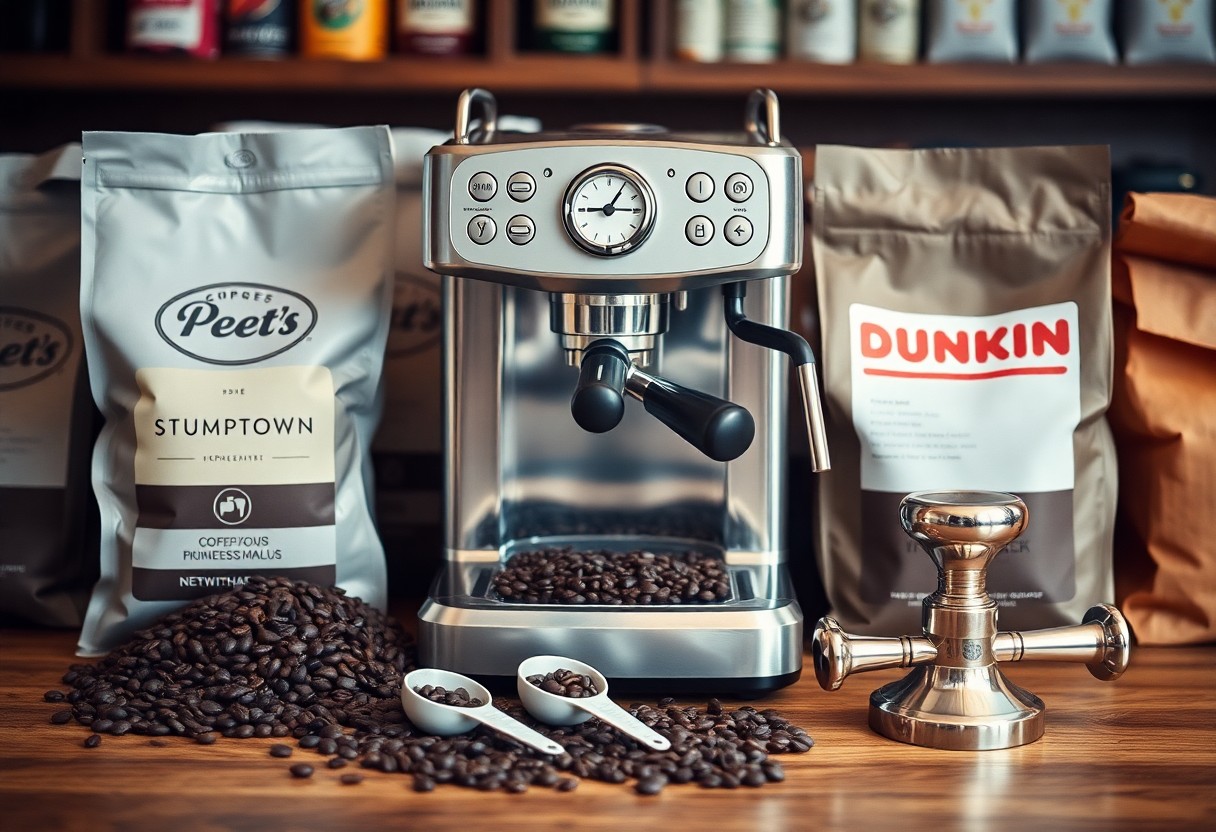
Specialty coffee roasters like Intelligentsia, Blue Bottle, and Stumptown focus on sourcing high-quality beans and developing distinct flavor profiles. These brands offer blends or single-origin coffees specifically crafted for espresso, ensuring that your DeLonghi machine produces the bold flavors and creamy textures you seek. Choosing one of these roasters guarantees you’ll enjoy a finely tuned espresso experience.
Established Brands with a Proven Track Record
Well-known brands such as Lavazza and Illy have built their reputations on consistently delivering quality coffee. Their blends, specifically designed for espresso, have been a staple in coffee culture for decades. For instance, Lavazza’s Super Crema blend offers a balanced flavor profile that enhances your espresso shot, while Illy’s Medium Roast provides a rich, smooth experience, making them top choices for DeLonghi espresso machines.
With established brands like Lavazza and Illy, you can expect a reliable espresso experience, as they have honed their craft over many years. You’ll find that Lavazza’s dark roasts provide robust flavors while maintaining a velvety crema. Meanwhile, Illy’s meticulously selected Arabica beans deliver a naturally sweet, nuanced taste profile, making these brands trusted choices for anyone looking to perfect their espresso game. By choosing these well-regarded brands, you can feel confident in knowing that each cup won’t just meet expectations, but often exceed them.
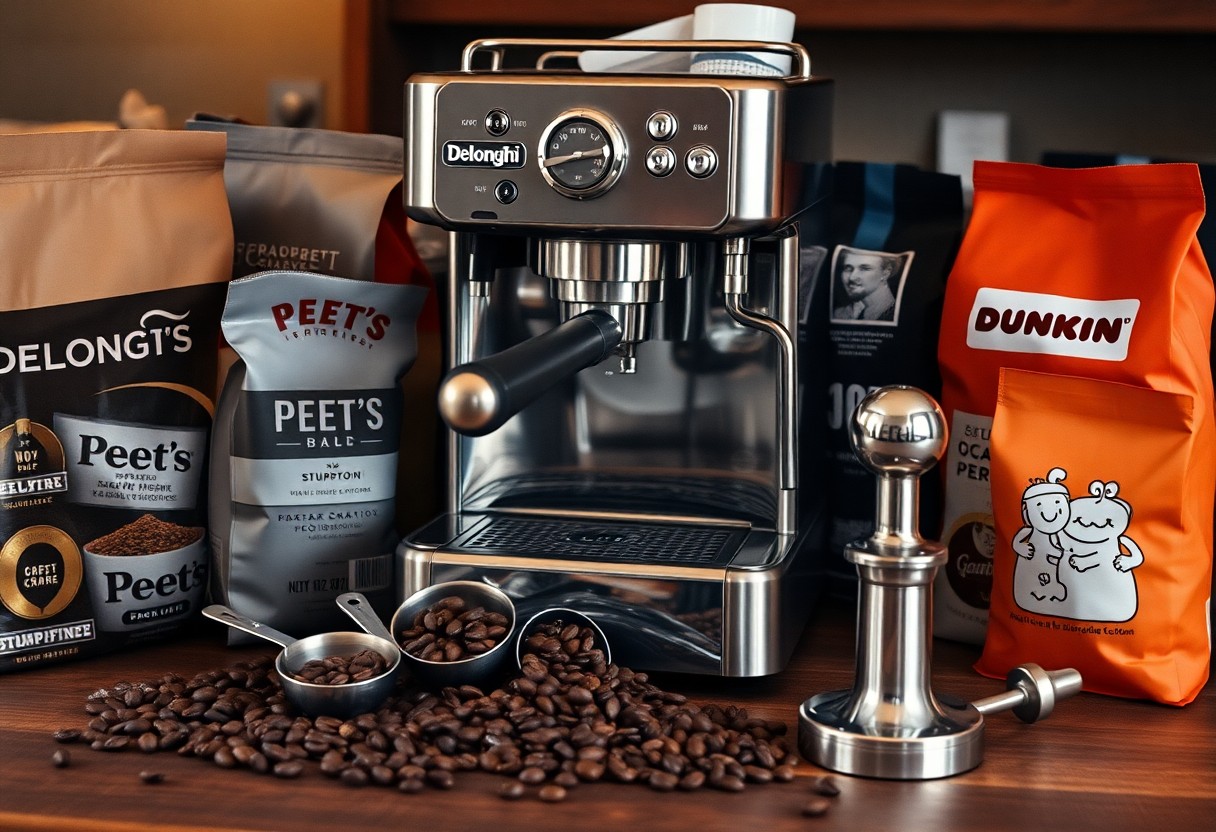
Grind Science: Unlocking Flavor Potential
Understanding the science behind coffee grind size can significantly enhance your espresso experience. The grind affects the extraction process, influencing flavors, aromas, and overall brew quality. By mastering grind settings, you can unlock the subtleties hidden within your chosen coffee beans, leading to a richer, more satisfying cup each time you brew with your DeLonghi espresso machine.
Importance of Grind Size for Brew Quality
Grind size directly impacts water flow and extraction time during brewing, which in turn affects flavor clarity and intensity. A finer grind allows for a quick extraction of oils and essences, enhancing bold flavors, while a coarser grind results in a milder taste. Achieving the right balance involves fine-tuning your grind based on the beans’ characteristics and your personal palate preferences.
Ideal Grind Settings for DeLonghi Machines
For DeLonghi espresso machines, a medium-fine to fine grind is typically ideal. This range permits quick extraction while ensuring rich flavors are fully realized. A setting of about 10-15 on a standard burr grinder or aiming for a texture similar to granulated sugar will work well for most espresso blends. Adjustments based on specific coffee types or personal taste can refine your results further, allowing you to experiment until you find your perfect shot.
When using your DeLonghi, consider starting with a grind setting around 12, then taste the espresso shot. If it tastes over-extracted and bitter, switch to a coarser grind. If it’s under-extracted and sour, adjust to a finer grind. Frequent adjustments will enable you to calibrate your machine finely, depending on the roast characteristics of your coffee. Pay attention to these details to ensure you optimize flavor extraction for the best espresso experience possible.
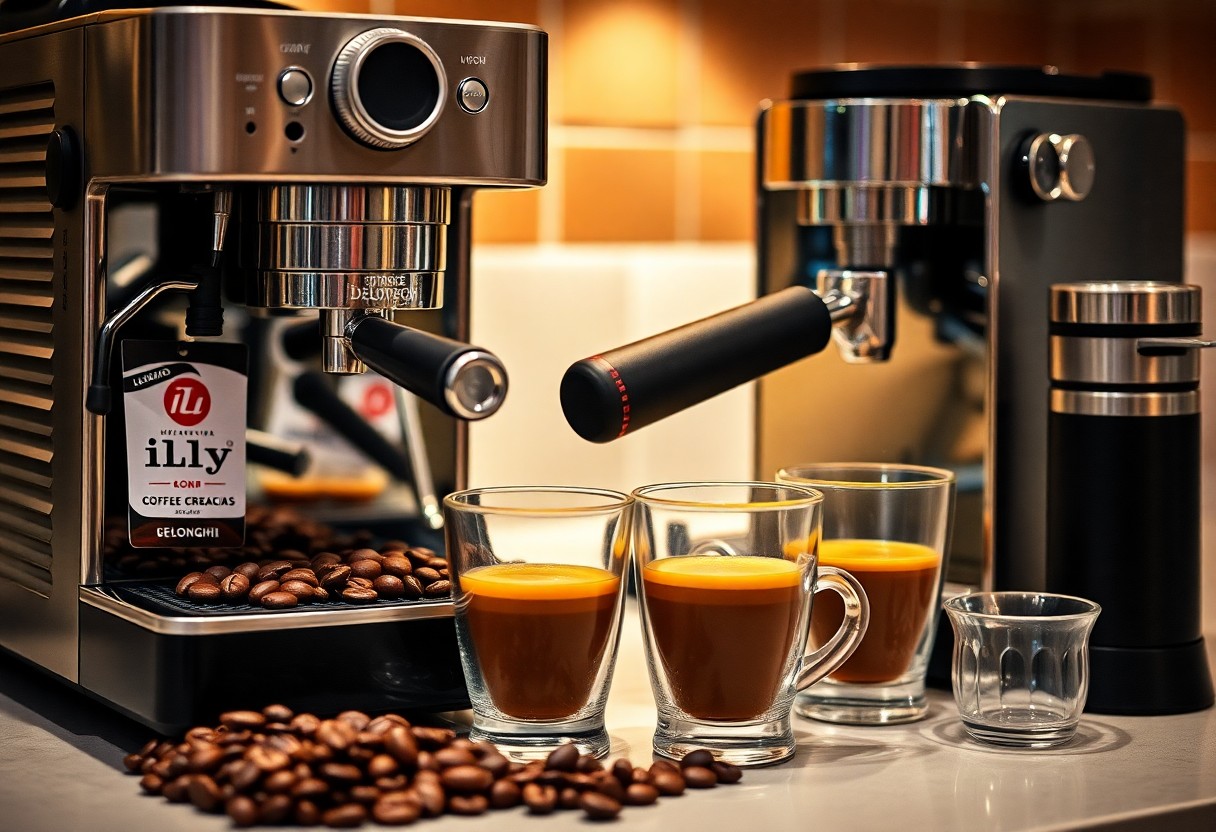
Brewing Techniques: Tips for Optimal Extraction
Achieving optimal extraction with your DeLonghi espresso machine requires a few imperative techniques. Start by ensuring consistent grind size for even extraction; aim for a fine grind to unleash the rich flavors of your coffee. Use the right tamping pressure with a uniform distribution to prevent channeling, which can lead to under-extracted coffee. Lastly, pay attention to your brewing time—typically around 25-30 seconds for a shot of espresso, as this is key for balancing sweetness and bitterness. Ultimately, perfecting these brewing techniques will enhance your espresso experience.
- Grind Size: Aim for a fine and consistent grind.
- Tamping Pressure: Use even pressure to compact the grounds.
- Brewing Time: Target a duration of 25-30 seconds.
Perceiving these subtle details in brewing techniques can transform your espresso from ordinary to exceptional.
Dosage and Distribution for Consistency
Your espresso’s taste hinges significantly on dosage and distribution of the coffee grounds. Generally, using around 18-20 grams of ground coffee for a double shot is optimal. Following a consistent distribution technique ensures an even extraction process. Utilizing tools like a coffee scale allows you to maintain accurate measurements, leading to consistent results in flavor and strength with every brew.
Temperature and Pressure Control: What You Need to Know
Temperature and pressure are pivotal in achieving that perfect shot of espresso. Your DeLonghi machine should operate at about 90-96°C (194-205°F) for optimal extraction, while maintaining a pressure of around 9 bars ensures a rich crema. Regularly calibrating and monitoring these parameters guarantees a finely balanced espresso with a robust flavor profile.
| Parameter | Optimal Range |
| Temperature | 90-96°C (194-205°F) |
| Pressure | 9 bars |
Consistency in temperature and pressure control is paramount for espresso extraction. If the water temperature is too low, you risk under-extracting, resulting in a sour taste. Conversely, too high a temperature can yield over-extraction, making your espresso bitter. Similarly, pressure relates directly to how water passes through the coffee grounds—the ideal range of around 9 bars promotes a well-balanced espresso shot. By ensuring you stay within these targeted parameters, your DeLonghi espresso machine can deliver café-quality beverages at home.
| Impact of Temperature | Impact of Pressure |
| Under-extraction leads to sour flavors. | Too low causes weak, watery shots. |
| Over-extraction makes the espresso bitter. | Higher pressure intensifies flavor but can choke the machine. |
Flavor Profiles: Finding Your Perfect Match
Choosing the right coffee for your DeLonghi espresso machine isn’t just about the roast level; it’s about finding flavors that resonate with your palate. Different beans bring distinct flavor profiles, ranging from fruity and floral to nutty and chocolatey. Understanding these profiles allows you to select beans that will complement your brewing style and enhance your espresso experience.
Identifying Flavor Notes in Different Coffees
Coffee beans originate from various regions, each imparting unique flavor characteristics. For instance, beans from Ethiopia often showcase bright, fruity notes, while Colombian beans can feature a well-rounded, nutty flavor. Taking time to explore these flavor notes helps you determine what appeals to your taste buds. Consider sampling beans from multiple origins to understand the vast spectrum of flavors available.
Experimenting with Blends vs. Single Origins
Exploring the difference between blends and single-origin coffees is vital for discovering your ideal coffee. Blends combine beans from different regions to achieve a balanced flavor, while single-origin coffees highlight the unique characteristics of a specific locale. Each option offers distinct tasting experiences, allowing you to tailor your espresso to your preferences.
Delving into blends provides you with the benefit of complexity, as different beans contribute varying flavors. For example, a blend might seamlessly harmonize the sweetness of a Brazilian bean with the acidity of an African counterpart, resulting in a multifaceted cup. On the other hand, single-origin coffees shine with their individual terroir, allowing you to savor a unique profile that reflects the particular farm and region. This exploration can greatly enhance your espresso journey, as experimenting with both can lead to delightful discoveries that cater specifically to your taste. Embrace the adventure and let your palate guide you!
Conclusion
Hence, choosing the right coffee for your DeLonghi espresso machine is necessary for achieving the perfect brew. Opt for fresh, high-quality beans that complement your taste preferences, and consider the grind size to ensure optimal extraction. By experimenting with different roasts and blends, you can refine your espresso experience. For additional tips and guidance, you can check out this insightful resource on How to Use a DeLonghi Espresso Machine.
FAQ
Q: What types of coffee beans are best for use in a DeLonghi espresso machine?
A: For a DeLonghi espresso machine, two main types of coffee beans are commonly recommended: Arabica and Robusta. Arabica beans tend to have a smoother, more nuanced flavor, making them a favorite for high-quality espresso. Robusta beans, on the other hand, contain higher caffeine levels and offer a fuller body, which can enhance the crema. A blend of both can also create a balanced flavor profile, catering to different taste preferences.
Q: Should I use pre-ground coffee or whole beans for my machine?
A: While pre-ground coffee is convenient, using whole beans is often preferred for the freshest taste. Grinding the beans just before brewing preserves the important oils and flavors that can diminish over time. If your DeLonghi machine has a built-in grinder, it is ideal for making espresso, as it allows you to achieve the perfect grind size tailored to your taste and equipment.
Q: How fine should the coffee grind be for a DeLonghi espresso machine?
A: The grind size for espresso should be fine, similar to table salt. This allows for optimal extraction during the brewing process. If the grind is too coarse, the coffee may taste weak or under-extracted. Conversely, if the grind is too fine, it can lead to over-extraction, resulting in a bitter flavor. Experimenting with grind size helps find the sweet spot that matches your taste preference and espresso machine settings.
Q: Are there specific coffee brands that work particularly well with DeLonghi machines?
A: Various coffee brands are known for producing quality espresso blends suitable for DeLonghi machines. Some popular options include Lavazza, Illy, and Peet’s Coffee. These brands offer a range of espresso blends crafted for rich flavor and crema. However, personal preference plays a significant role, so exploring local roasters or specialty brands can lead to discovering unique flavors that suit your taste.
Q: How should I store coffee to maintain its freshness before using it in my DeLonghi machine?
A: To keep your coffee fresh, store it in an airtight container in a cool, dark place, away from moisture, heat, and light. This helps preserve the coffee’s flavors and aromas. It’s also advisable to buy coffee in smaller quantities, as coffee tastes best within two to three weeks after roasting. If you have excess coffee beans, consider freezing them in airtight bags, but avoid refreezing once they thaw to maintain quality.