What Size Inverter to Run a Coffee Machine – Power Requirements

Most people overlook the importance of choosing the right size inverter for their coffee machine, which can lead to inefficiency or even damage to your equipment. Understanding your coffee machine’s power requirements is necessary for ensuring you have a reliable source of energy, especially if you plan to use it in locations without direct electricity. This guide will help you determine the ideal inverter size to meet your coffee machine’s needs while avoiding any potential pitfalls associated with inadequate power supply.
Key Takeaways:
- Determine the wattage of your coffee machine to assess the correct inverter size needed for operation.
- Inverters should typically have a capacity that is at least 20-30% higher than the coffee machine’s wattage to handle start-up surges.
- Consider both continuous power and peak power ratings when selecting an inverter to ensure it can handle the initial energy spike.
- Check the type of coffee machine, as espresso machines often require higher wattage compared to standard drip coffee makers.
- Portability and inverter type (modified sine wave vs. pure sine wave) can influence performance and compatibility with your coffee machine.
The Power Demands of Coffee Machines
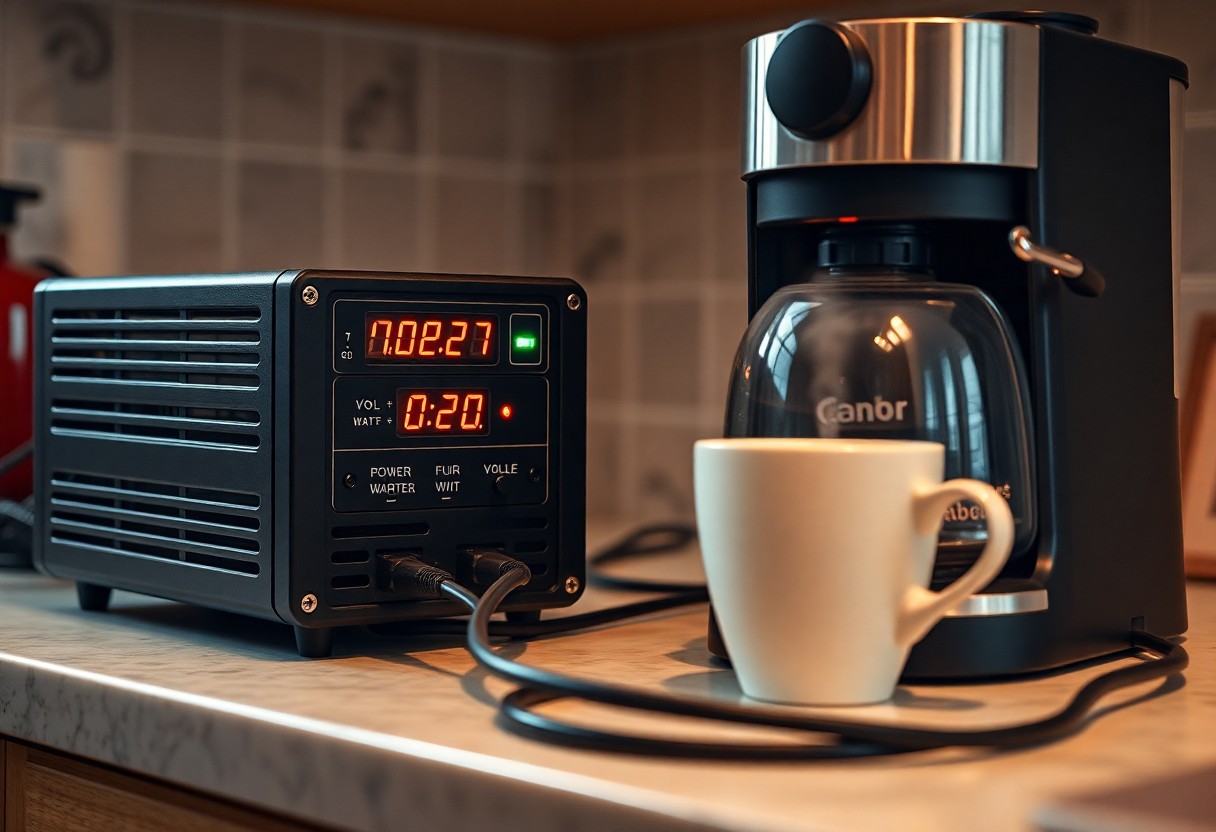
Coffee machines vary widely in their power requirements, depending largely on their design and functionality. Standard drip coffee makers generally consume less power, often ranging from 600 to 1200 watts. On the other hand, espresso machines, particularly those with advanced features, can demand significantly higher wattage—up to 2500 watts or more. Understanding these demands is critical when determining the right inverter size, ensuring it can handle peak power loads without issues.
Wattage Requirements Explained
Wattage requirements for coffee machines pertain to the energy needed to operate various components such as heating elements, pumps, and grinders. For instance, a typical single-serve coffee maker may use around 800 to 1200 watts, while larger, commercial-grade espresso machines often require 1500 to 2000 watts to function effectively. Assessing the wattage ensures your inverter can supply enough power when the machine is in use.
Factors Influencing Power Consumption
Several factors can influence the power consumption of your coffee machine, including its model, brewing method, and any additional features you may use. Variables like preheating time, brewing duration, and the number of simultaneous brews can significantly affect overall wattage needs. Additionally, energy-efficient models may consume less power due to advanced technology that optimizes resource use. You might want to consider the following:
- Machine type
- Features and functions
- Brewing capacity
- Heating elements
Knowing how these elements interact can help you make informed decisions regarding the capacity of your inverter. For instance, a versatile machine that allows simultaneous brewing will demand more energy as compared to a basic model working sequentially. Be attentive to your coffee machine’s specifications, as different brewing preferences can result in varying power consumption rates.
- Efficiency ratings
- Usage patterns
- Water temperature
Knowing these aspects of your coffee machine can provide deeper insights into selecting the appropriate inverter size. If you’re often brewing multiple pots or using specialized features, you will need an inverter with a higher capacity to accommodate these demands while maintaining reliable performance. Evaluate your specific needs to ensure that your inverter can handle any fluctuation in power impedance safely.
Evaluating Inverter Capacity
Understanding how to evaluate your inverter’s capacity is vital in ensuring that your coffee machine runs smoothly without interruptions. Consider both the required wattage of your coffee machine and any additional appliances you might operate simultaneously. The total wattage needed should guide you toward selecting the right inverter size. Always opt for an inverter that exceeds your total wattage requirement to accommodate fluctuations in power usage and avoid potential overloads.
Amperage and Voltage: The Dynamics
Amperage and voltage together determine the power output of your inverter. If your coffee machine operates at 12 volts and draws 10 amps, it requires 120 watts of power. Be aware that your inverter must match or exceed these ratings to function effectively. Always double-check your coffee machine’s specifications to ensure compatibility and efficient energy usage.
Continuous vs. Surge Power Ratings
The differences between continuous and surge power ratings significantly influence your inverter choice. Continuous power rating indicates the amount of power an inverter can supply over an extended period, while surge power rating shows the maximum power it can provide momentarily. For example, a coffee machine might consume around 800 watts during operation but require a surge of 1200 watts to start. Choosing an inverter with adequate surge capacity ensures your equipment will start without issue, preventing damage and ensuring consistent functionality.
To clarify, a typical coffee machine may have a continuous power requirement of about 800 watts, but it can draw significantly more power initially when heating elements are activated. This surge lasts only a few seconds, yet it is vital to select an inverter that can handle both the continuous and surge wattage requirements. If your inverter only meets the continuous rating, it may trip or shut down at startup, causing inconvenience and potentially damaging your equipment. Always factor in this surge when calculating your overall inverter needs to keep your coffee routine uninterrupted.
Matching Inverter Size with Coffee Machines
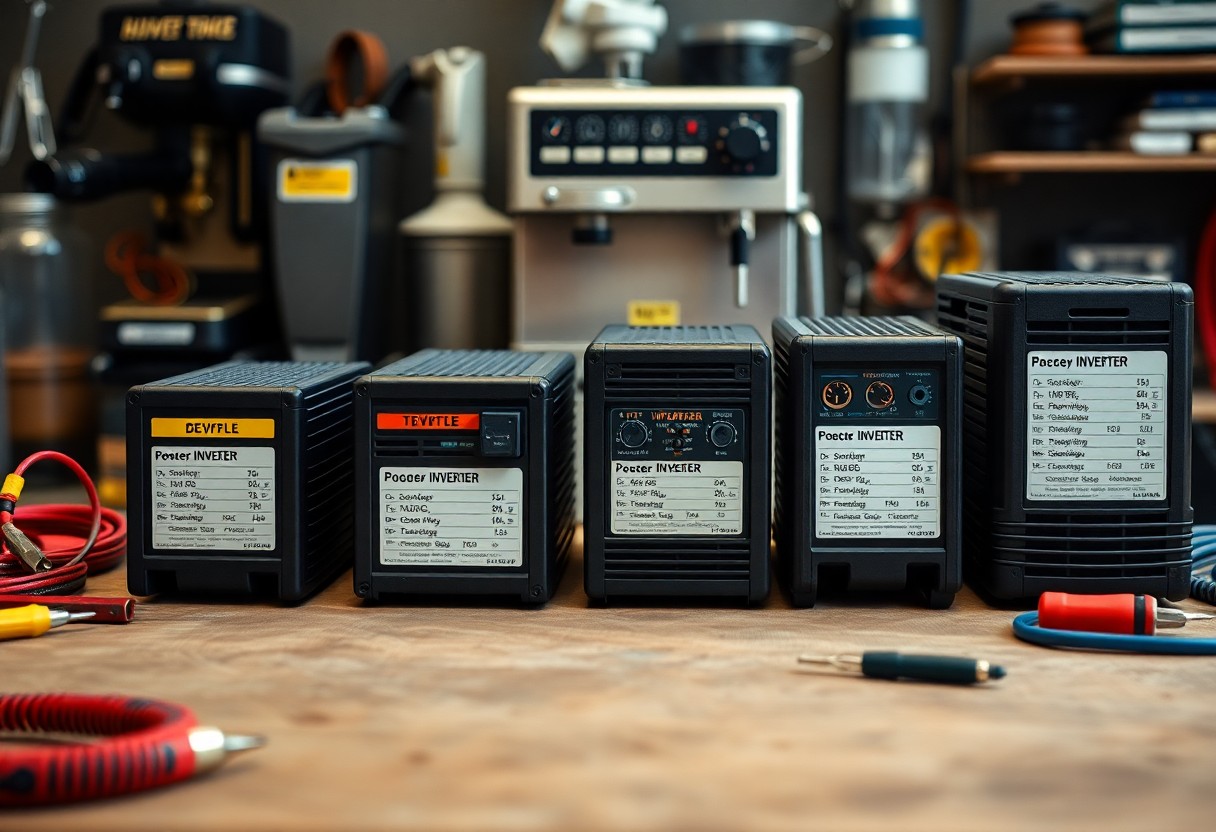
Selecting the right inverter size for your coffee machine involves understanding both your machine’s requirements and the output capacity of the inverter. If you own a 1000 watt inverter and coffeemaker, you’ll typically find that it can handle most standard residential coffee machines without issues. Aim for an inverter that can provide at least 20-30% more power than your coffee machine’s peak demand to avoid overloading and ensure reliable performance.
Residential vs. Commercial Needs
Your choice of inverter also hinges on whether you’re operating in a residential or commercial setting. Residential coffee machines generally require less power, allowing a smaller inverter to suffice. Conversely, commercial machines, often designed for high volume, may require significantly more power, often necessitating a higher wattage inverter to sustain consistent performance during peak hours.
The Role of Additional Equipment
Beyond just the coffee machine, additional equipment like grinders, blenders, or hot water dispensers can impact your overall power needs. Each piece of equipment adds to the total wattage required, so evaluating the complete set-up is important. Assessing your entire coffee station will help you determine if the existing inverter capacity is suitable or if you need to upgrade to accommodate the combined power demand.
For instance, if you’re using a grinder and a coffee machine simultaneously, the inverter must support both appliances’ peak wattage. Grinders can draw anywhere from 150-300 watts, so factoring in their demand is critical, especially if you enjoy a fresh-ground brew. If your coffee experience relies on multiple appliances, consider an inverter with ample headroom to manage these demands effortlessly.
Practical Tips for Selecting the Right Inverter
- Consider the wattage of your coffee machine.
- Factor in surge wattage requirements for start-up.
- Choose an inverter with sufficient capacity for other appliances.
- Look for a model with good efficiency ratings.
Thou will find it invaluable to assess these aspects to avoid potential issues with your coffee experience.
Assessing Your Coffee Setup
Evaluate your coffee setup by identifying the type of coffee machine you have and its specific wattage requirements. Drip coffee makers usually need around 600 to 1,200 watts, while espresso machines can require up to 2,000 watts or more. Factor in any additional equipment you may use, such as grinders or frothers, to determine your overall power needs accurately.
Cost Effectiveness: Balancing Power and Price
Finding the right balance between power and cost is vital in selecting your inverter. You want a model that meets your coffee machine’s power requirements while remaining economically viable. Higher-quality inverters with greater efficiency tend to have a higher upfront cost but may save you money in the long run on your energy bills and prolong the lifespan of your equipment.
Investing in a reliable inverter also translates to fewer frequent replacements. While many budget options might seem appealing initially, they often lack the durability and efficiency of premium models. In particular, pay attention to the manufacturer’s warranty and customer reviews, as these can provide insight into long-term performance. It’s wise to plan for both immediate and future energy demands to ensure that your investment genuinely offers value. Therefore, balance up-front costs with potential long-term savings for a truly cost-effective choice.
Future-Proofing Your Coffee Operation
Considering the rapid evolution of coffee machinery and technology is necessary to future-proofing your coffee operation. As you plan for growth or upgrade your equipment, factoring in anticipated advances will help you avoid the pitfalls of obsolescence. By investing in a scalable inverter system capable of handling increased demand and additional appliances, you ensure your business remains competitive and efficient in an ever-changing market.
Technology Trends in Coffee Machines
Emerging trends in coffee machines emphasize smart technology integration and energy efficiency. Many brands are now offering machines that connect to smartphones for remote operation and diagnostic capabilities, directly impacting your choice of inverter. Such innovations often come with heightened power demands, meaning your inverter must not only be adequate for today but also adaptable for upcoming advancements.
Long-term Considerations for Inverter Choices
Choosing the right inverter involves considering both current and future needs. Selecting a model with higher wattage can accommodate additional appliances or the latest coffee machines, ensuring your investment remains relevant as your business evolves. It’s advisable to opt for inverters with peak power capabilities to handle surge demands efficiently, minimizing the risk of equipment burnout or failure.
Planning ahead for long-term inverter choices involves not just current usage but also potential expansions. As coffee machine technology continues to advance, devices may require higher startup wattages. Researching inverters that feature a greater surge capacity allows you to seamlessly integrate new technologies without the need for frequent replacements. This forward-thinking approach protects your investment and enhances operational stability, making it a key consideration in your coffee business strategy.
Summing up
Following this, determining the appropriate size inverter to run your coffee machine involves understanding its power requirements. You should consider both the wattage needed for the coffee maker during operation and its startup surge watts. By ensuring your inverter can handle these specifications, you can enjoy your coffee without any interruptions. Always refer to your coffee machine’s manual for precise power needs, and choose an inverter that exceeds these numbers for optimal performance.
FAQ
Q: What power requirements should I consider for my coffee machine when choosing an inverter?
A: To determine the appropriate inverter size for your coffee machine, first check the power rating of the machine, often listed in watts. Coffee machines can range from 800 to 1500 watts. Add a margin of 20-30% to accommodate any surges in power when the machine heats up or when multiple appliances are used simultaneously. This ensures the inverter can handle peak demands without overloading.
Q: Can I use a standard inverter for my coffee machine?
A: Yes, you can use a standard inverter, but it should be capable of handling the wattage of your coffee machine. Ensure the inverter has a continuous output rating that meets or exceeds the coffee machine’s power requirements. For example, if your coffee machine requires 1200 watts, select an inverter rated for at least 1500 watts for safe operation.
Q: How do I calculate the wattage needed for my specific coffee machine?
A: To calculate the wattage, check your coffee machine’s specification label, usually found on the bottom or back. If it’s not visible, search for the model online, as manufacturers typically list electrical specifications. If your coffee machine states its voltage and amperage instead, use the formula: Watts = Volts x Amps. This will give you the wattage needed to run the machine.
Q: Is there a difference between the starting and running wattage for an inverter?
A: Yes, there is a difference. Starting wattage is the initial power required to turn on the coffee machine and can be significantly higher than the running wattage, which is the amount of power needed for continuous operation. Be sure to choose an inverter that meets both the starting and running wattage requirements to avoid tripping the inverter during operation.
Q: What if my coffee machine has additional features that require more power?
A: If your coffee machine has extra features, like built-in grinders, frothers, or programmable functions, these can increase power demand. Evaluate the total wattage by considering the peak consumption of all features when active. It’s best to add this total wattage to your inverter considerations, ensuring it has enough capacity to handle all functions without issue.