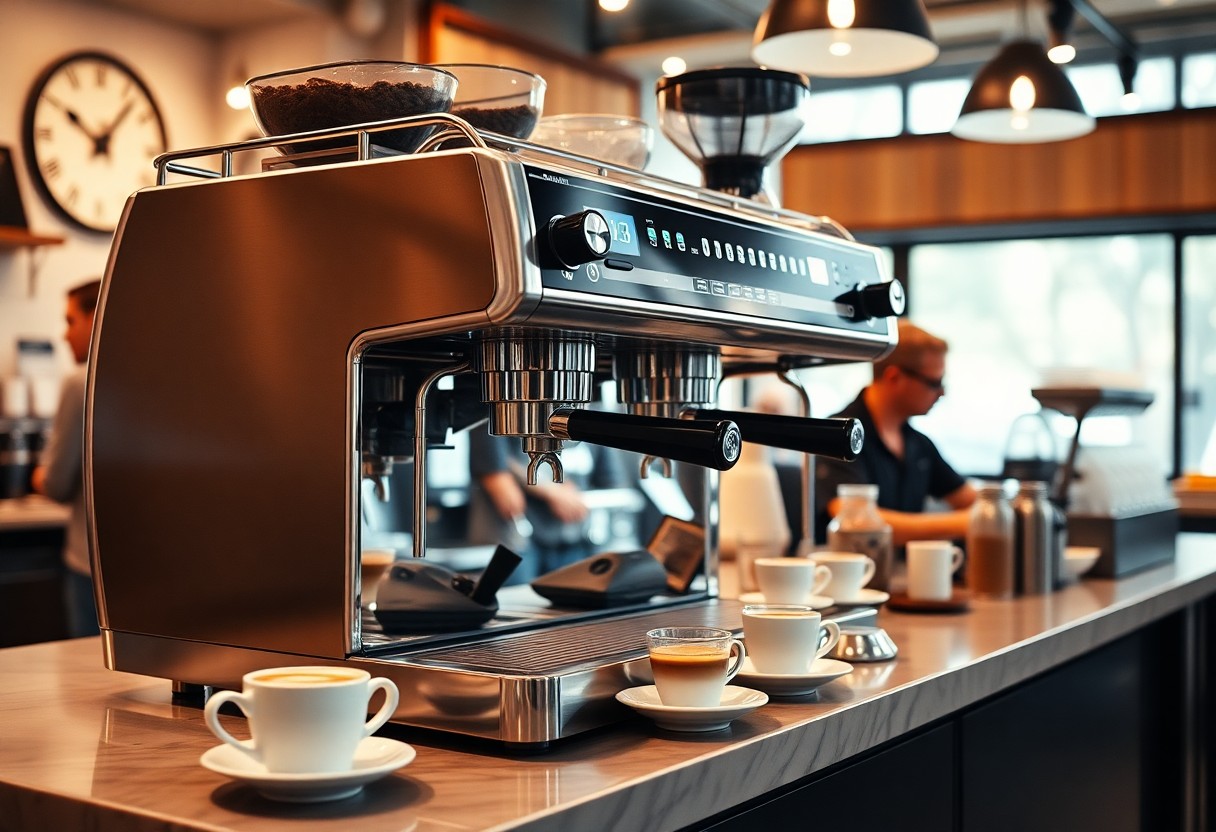
Which Coffee Machine is Best for Cafe – Commercial Application

Coffee is at the heart of every successful cafe, and selecting the right coffee machine can significantly impact your business’s performance. In this guide, you will discover the necessary features you should consider to meet your customers’ evolving tastes while maintaining efficiency and consistency. Whether you lean toward traditional espresso machines or modern automated systems, understanding your needs and the available options will ensure higher customer satisfaction and better profitability. Make an informed decision and elevate your cafe experience with the best coffee machine for your business.
Key Takeaways:
- Consider the type of coffee beverages you plan to serve; automatic espresso machines are ideal for high-volume cafes, while manual machines allow for more craft-oriented brewing.
- Evaluate the machine’s capacity and efficiency; look for features like dual boilers and multi-group heads to handle peak hours smoothly.
- Select a machine with reliable temperature control and pressure consistency for optimal extraction and consistent quality.
- Factor in maintenance and ease of cleaning; machines with accessible parts and automatic cleaning cycles can save time and labor costs.
- Assess the brand support and warranty options; reputable manufacturers often provide better service and replacement parts, ensuring long-term reliability.
Decoding Essential Features for Commercial Coffee Machines
Understanding imperative features in commercial coffee machines can dramatically enhance your café’s performance. From brew quality to operational speed, each attribute contributes to your overall service excellence, catering to diverse customer preferences while maintaining efficiency. Investing time in evaluating these aspects ensures you select a machine that aligns perfectly with your café’s goals.
Brew Quality: The Heart of Cafes
Brew quality directly affects customer satisfaction and loyalty, playing a pivotal role in defining your café’s reputation. Espresso machines equipped with stable temperature controls, optimal pressure settings, and advanced extraction techniques produce consistently rich flavors that delight your patrons. Features such as PID controllers and high-quality grinders can significantly elevate the coffee experience, making your café a go-to spot for coffee enthusiasts.
Capacity and Speed: Meeting High Demand
High-capacity machines equipped with multiple brew heads allow you to serve numerous customers simultaneously, preventing long wait times. For peak hours, machines with a minimum of two group heads and a boiler capable of sustaining continuous steaming and brewing can efficiently handle the rush. This ensures a seamless workflow, allowing your baristas to produce stellar beverages efficiently.
During busy times, the ability to deliver quality coffee quickly can set your café apart from the competition. For instance, a dual boiler system can brew espresso and steam milk at the same time, maximizing productivity. With the right coffee machine, such as a 3-group head model, you could serve an estimated 240 cups per hour, ensuring that even during your busiest hours, customers are satisfied and kept engaged. Upgrading to machines that offer faster heating times and efficient extraction will maximize your operational capacity and enhance your overall sale during peak periods.
The Top Contenders: A Comparative Analysis of Popular Brands
| Brand | Key Features |
|---|---|
| La Marzocco | Dual boilers, customizable temperature controls |
| Breville | User-friendly, built-in grinder, compact designs |
| Rancilio | Robust build, traditional espresso flavor, durable |
| EspressoWorks | Affordable, all-in-one machines, easy maintenance |
Expressing Preferences: Espresso Machines vs. Drip Brewers
Choosing between espresso machines and drip brewers hinges on your cafe’s clientele preferences. Espresso machines serve high-quality, concentrated shots ideal for specialty drinks, making them perfect for coffee aficionados, while drip brewers are suited for larger volumes of more straightforward coffee. If your cafe sees an inclination towards espresso-based beverages, investing in a superior espresso machine is imperative for customer satisfaction.
Evaluating Value: Cost vs. Feature Ratios
Comparing cost versus features reveals which machine offers the best investments for your cafe. A lower price might appeal initially, but neglecting features such as durability and ease of service can lead to higher long-term expenses. Conversely, while high-end machines offer advanced capabilities like precise temperature control, they may overwhelm smaller cafes with less traffic. It’s crucial to gauge potential return on investment before committing to a purchase.
Selecting the right coffee machine requires balancing costs against the features that will elevate your cafe experience. For instance, a high-capacity espresso machine that accommodates peak hours might command a higher price, but its ability to consistently produce quality shots could lead to increased sales and loyal customers. On the other hand, a simpler, lower-cost drip machine might suffice for establishments focused on basic coffee offerings. Dive deep into your budget, analyze your operational needs, and understand that every dollar spent will contribute to building your cafe’s reputation.
User Experience: The Impact of Design and Usability
The layout and usability of your coffee machine greatly influence the overall experience for both baristas and customers. A well-designed coffee machine offers intuitive controls and an ergonomic build, allowing you to serve beverages quickly and efficiently. This is vital for busy cafes where speed can make or break customer satisfaction. Investing in a model that enhances operational flow not only increases productivity but also shapes your cafe’s reputation. Explore Commercial Coffee Makers – The Busiest Cafes Come Here to find options that prioritize user experience.
The Importance of Ergonomics for Baristas
Ergonomics is not just a buzzword; it significantly impacts the efficiency and comfort of your baristas. A machine designed with your staff’s physical needs in mind minimizes strain during busy shifts, reducing the risk of injury and burnout. Features like adjustable heights, strategically placed controls, and comfortable grips can make the difference between a happy barista and an overwhelmed one, leading to better service and product quality.
Maintenance and Support: Long-term Considerations
Your choice of coffee machine should also be influenced by its maintenance requirements and the support available. Regular upkeep is vital for longevity and reliable performance, so selecting a model with easily accessible parts and a solid warranty plan is wise. Look for machines with extensive customer service offerings, as having access to timely support can mitigate downtime and maintain your cafe’s operational flow.
Long-term considerations encompass not only the cost of routine maintenance but also the availability of replacement parts and technical support. Some manufacturers offer subscriptions for regular servicing, ensuring your machine runs at peak performance and remains compliant with hygiene standards. Look for those with positive reviews regarding customer service, as having a reliable point of contact can significantly ease your burden. A well-supported machine can ultimately translate into better customer satisfaction and increased profits over time.

The Future of Coffee Brewing: Trends and Innovations
Emerging trends in coffee brewing indicate a shift towards enhanced personalization and efficiency in commercial applications. The integration of advanced technologies and a conscious mindset towards sustainability are paving the way for a new era in coffee preparation. As cafes strive to differentiate themselves in a competitive market, embracing these innovations is imperative for staying ahead and meeting the evolving demands of customers.
Smart Technology: The Rise of IoT in Coffee Machines
Incorporating smart technology into your coffee machines can redefine operational efficiency. The rise of the Internet of Things (IoT) allows you to monitor and control equipment remotely, enabling better management of your cafe’s workflow. This connectivity can lead to timely maintenance alerts, adjustment of brewing parameters, and even real-time inventory tracking, ensuring you optimize every cup served.
Sustainability: Eco-Friendly Innovations in Coffee Equipment
Eco-friendly innovations are transforming the coffee equipment landscape, making sustainability a priority for cafes. Manufacturers are increasingly focusing on materials that reduce environmental impact, such as biodegradable parts and energy-efficient designs. By selecting equipment that prioritizes sustainability, your cafe can not only enhance its brand image but also appeal to a growing base of environmentally-conscious consumers.
Investing in sustainable coffee equipment has visible benefits. For instance, many new machines use energy-efficient heating systems that reduce power consumption by up to 30%—all while maintaining optimal brewing temperatures. Furthermore, some companies, like Mahlkonig, create grinders made from recycled materials, emphasizing your commitment to eco-conscious practices. In addition, sourcing equipment from manufacturers that support fair trade practices ensures your coffee supply chain aligns with your sustainability goals, appealing to customers who value ethical choices. This dual focus on sustainability and quality can significantly enhance your cafe’s reputation and operational efficiency.

Making the Right Investment for Your Café
Investing in a coffee machine for your café goes beyond just picking a model; it’s about selecting the right tool that aligns with your business goals and customer expectations. Exploring options like efficiency, quality, and maintenance costs can help you decide which option truly represents the Best Commercial Coffee Machine for your Cafe. Take the time to evaluate your needs and the potential return on investment to ensure your choice pays off.
Budgeting for Quality: Analyzing Total Cost of Ownership
Consider the total cost of ownership when selecting your coffee machine, which includes not only the purchase price but also ongoing costs such as maintenance, repairs, and operational efficiency. A lower-priced model might save you money upfront but could lead to higher maintenance costs and decreased productivity. Invest wisely in a machine that balances initial cost with quality and performance, helping you avoid unexpected expenses down the road.
Future-Proofing Your Purchase: Adaptability and Longevity
Your coffee machine should be able to evolve with your café’s needs. Look for machines that offer customizable settings and modular attachments, allowing you to adapt to changing trends, customer preferences, or increased demand. Longevity is also a key factor; choosing models made from durable materials can save you money on replacements and repairs in the long run.
Adapting to the fast-paced coffee industry is vital. Many machines come with user-friendly interfaces and smart technology that allow you to track usage, monitor performance, and even implement new brewing techniques. For example, machines equipped with digital displays might let you program recipes or adjust parameters effortlessly, ensuring your coffee remains exceptional despite fluctuations in demand. Investing in adaptability not only prepares you for future trends but also enhances the overall customer experience, leading to greater satisfaction and repeat business.
Final Words
Drawing together the insights on coffee machines for commercial applications, you must evaluate factors like brewing capacity, durability, and ease of use when making your choice. Investing in a high-quality machine tailored to your cafe’s needs will not only enhance your coffee offerings but also improve customer satisfaction. Consider what features align with your business goals and customer preferences to make an informed decision. Ultimately, the best coffee machine is one that complements your cafe’s identity and operational workflow while delivering excellent coffee consistently.
FAQ
Q: What are the key features to look for in a commercial coffee machine for a cafe?
A: When choosing a commercial coffee machine for a cafe, consider the following features: capacity, brewing speed, ease of use, maintenance requirements, and versatility. A machine that can handle high volumes while providing consistent quality coffee is ideal. Look for programmable settings that allow for customization, as well as features like dual boilers for simultaneous brewing and steaming.
Q: How do I determine the right capacity for my cafe’s coffee machine?
A: The right capacity for your cafe’s coffee machine depends on your expected customer volume and peak hours. Estimate the number of coffee drinks sold per hour and choose a machine that can handle that demand without sacrificing quality. Machines with larger hopper and boiler sizes are suitable for busy environments, whereas smaller setups may work for cafes with a lower customer turnover.
Q: Are manual or automatic coffee machines better for cafes?
A: The choice between manual and automatic coffee machines largely depends on your baristas’ skill level and your cafe’s style. Manual machines allow for greater control over the brewing process, offering the potential for superior taste but requiring more training. Automatic machines, on the other hand, provide consistency and speed, making them suitable for high-volume settings where time and efficiency are important.
Q: What brands are known for high-quality commercial coffee machines?
A: Several brands are recognized for their high-quality commercial coffee machines. Some popular choices include La Marzocco, Synesso, and Nuova Simonelli, known for their performance and durability. Brands like Breville and Rancilio also offer reliable mid-range options. It’s important to read reviews and consider customer support when selecting a brand for your cafe.
Q: How much should I budget for a commercial coffee machine?
A: Budgeting for a commercial coffee machine varies widely based on features, brand, and quality. Entry-level machines can start around $2,000, while high-end models suitable for busy cafes may exceed $20,000. Consider additional costs such as installation, maintenance, and accessories when determining your total budget. Investing in a quality machine can lead to better performance and customer satisfaction in the long run.