What is the Best Coffee Machine Descaler – Product Comparison

Most coffee lovers understand that keeping your coffee machine in peak condition is vital for brewing the best-tasting coffee. Regular descaling not only prolongs the life of your machine, but it also enhances the flavor of your coffee by removing mineral buildup. In this comprehensive guide, you will discover the leading descaling products on the market, comparing their effectiveness, safety, and ease of use. By the end, you’ll find out which descaler is the ideal choice for your specific coffee machine needs.

Key Takeaways:
- Different descalers are formulated for specific types of coffee machines, including espresso, drip, and pod systems, so it’s important to choose one compatible with your machine.
- Natural descalers, like vinegar and citric acid, can be effective and eco-friendly alternatives to commercial products, although they may not be as efficient for heavy buildup.
- Read reviews and comparisons to find descalers that not only clean effectively but also have minimal impact on the machine’s components and flavors.
- Consider the frequency of use; some descalers are designed for regular maintenance while others are more suited for occasional deep cleaning.
- Price and quantity can vary widely, so evaluate which option offers the best value based on the size of your coffee machine and your cleaning routine.
Demystifying Coffee Machine Descalers: What Sets Them Apart?
Understanding the different coffee machine descalers is key to maintaining your brewing equipment. Each descaler is designed with a unique formulation that targets mineral build-up, ensuring your machine runs smoothly. Factors such as effectiveness, ease of use, and environmental impact differ across products. For a thorough comparison of top options, check out the Best Coffee Maker Cleaner | The Kitchn. Knowing what sets them apart will help you choose the right one for your needs.
Key Ingredients: Citric Acid vs. Lactic Acid vs. Malic Acid
Choosing a descaler often comes down to its active ingredients. Citric acid, a natural component found in citrus fruits, works effectively to dissolve limescale. Lactic acid, derived from fermented products, is gentler but still effective for regular use. Malic acid, found in apples, provides a balanced approach to cleaning while being less corrosive. Each acid has its benefits, so consider your machine’s requirements.
The Role of pH Balance in Effective Descaling
The pH level of a descaler influences how effectively it removes mineral deposits. Solutions with high acidity can be more potent in breaking down limescale, but if it’s too acidic, it can harm sensitive components of your coffee machine. Striking the right balance is important for maintaining the machine’s longevity.
When evaluating descalers, look for those with a pH level specifically designed for your machine type—espresso machines may handle lower pH levels better than drip coffee makers. A balanced pH ensures that the descaler doesn’t compromise your machine’s materials while still effectively addressing mineral build-up. Selecting a product with a well-researched pH balance guarantees a thorough cleaning without risking damage, thus prolonging the life of your coffee maker.
The Price Spectrum: Premium vs. Budget Descalers
The cost of coffee machine descalers can range significantly, with premium products often boasting advanced formulations and longer-lasting effects compared to budget options. Premium descalers are typically designed to tackle tough mineral build-up effectively and are often backed by well-known brands. In contrast, budget descalers may provide a quick fix but may not deliver the same protective benefits for your machine, potentially leading to more frequent maintenance needs in the long run.
Evaluating Cost-Effectiveness: Is Higher Price Always Better?
Higher-priced descalers can provide superior performance, using ingredients like citric acid or lactic acid that not only remove limescale but also help maintain your machine’s longevity. However, evaluating cost-effectiveness involves looking beyond just the initial price tag. You may find that a slightly more expensive option offers longer-lasting results and reduces the need for frequent replacements, ultimately saving you money over time.
Hidden Costs: Long-Term Implications of Using Low-Cost Solutions
Opting for low-cost descalers often leads to hidden costs that accumulate over time. While initial savings might be appealing, these inexpensive solutions can result in your coffee machine experiencing more frequent breakdowns or requiring costly repairs. Additionally, using subpar formulations can leave mineral deposits that affect the taste of your coffee and the performance of your machine, complicating your brewing experience and potentially shortening the lifespan of your equipment.
Over time, the choice of a low-cost descaler can manifest in a significant increase in maintenance costs. For instance, if a budget descaler leads to frequent breakdowns or malfunctions, you could be faced with repair bills or even the need to purchase a new coffee machine sooner than expected. In fact, studies suggest that investing in higher-quality descalers can extend machine life by up to 30%, highlighting the long-term financial benefits of a better choice. Prioritize the health of your coffee machine; the short-term savings may not be worth the potential long-term implications.
User Experiences: Real-Life Descaling Adventures
Users have shared fascinating journeys in tackling coffee machine descaling. From discovering highly effective solutions to learning from mishaps, the experiences are varied. Some praised their results after trying I Tried America’s Test Kitchen’s Top Coffee Maker … – Yahoo recommendations, while others found their favorite products fell short when tackling stubborn mineral buildup. These personal accounts shed light on what works best in real household scenarios and guide you in making informed decisions.
Testimonials from Coffee Aficionados: What Worked and What Didn’t
Coffee enthusiasts have provided powerful testimonials about their favorite descalers. Many claimed that products like the Brew Rite descaler not only removed mineral deposits but also enhanced the flavor of their coffee. However, a few users expressed disappointment with certain brand names, stating that residue remained even after following the instructions meticulously. These candid reflections serve as valuable insights as you navigate your choice in descaling agents.
Common User Errors in Application and Consequences
Common errors during the descaling process can lead to less-than-ideal results. Skipping the pre-cleaning steps, underestimating the concentration of the descaler, or failing to rinse thoroughly can leave your machine susceptible to mineral buildup or even damage. Users often share that incorrect application not only affects the flavor and quality of their brewed coffee but can also shorten the lifespan of their machines. Understanding these pitfalls is crucial for maintaining optimal performance.
Neglecting to follow precise measurements for dilution can result in overly concentrated solutions that may harm internal components, while omitting necessary rinsing steps can leave harmful residues behind. Some users reported a foul taste in their coffee long after the descaling process, indicating that any leftover descaler could compromise flavor integrity. It’s crucial to consult user guides for both the descaler and your coffee machine to minimize these risks and achieve the best possible results.

The Environmental Footprint of Coffee Descalers
With the rising awareness of environmental issues, the choice of coffee descalers has become more significant. Many consumers are seeking alternatives that minimize harmful effects on ecosystems. It’s necessary to evaluate the entire lifecycle of these products, from manufacturing to disposal, considering the potential impacts on both the environment and personal health.
Biodegradability and Eco-Friendly Options: A Growing Trend
Eco-conscious consumers are increasingly favoring biodegradable descalers, which break down naturally after use, reducing landfill waste. Brands are now formulating products with plant-based ingredients that offer effective descaling while being gentle on the environment. This shift not only supports sustainable practices but also appeals to those prioritizing healthier living.
The Impact of Chemical Descalers on Water Systems
Chemical descalers can significantly affect water systems, releasing harmful substances that contaminate aquatic environments. Often, traditional descalers contain phosphates and sulfates that disrupt local ecosystems, harm fish populations, and degrade water quality. Over time, these chemical runoffs contribute to larger issues like algae blooms, which further endanger aquatic life and the balance of the ecosystem.
In regions where coffee operations are prevalent, the use of conventional descalers can exacerbate water quality issues. For example, phosphorus-rich runoff encourages excessive algae growth, leading to hypoxic conditions where oxygen levels plummet, potentially causing fish kills and loss of biodiversity. Studies show that even small concentrations of these chemicals can have cascading effects on water systems, making the selection of environmentally-friendly descalers not just a personal choice but a communal responsibility to preserve water systems for future generations.
Expert Recommendations and Leading Brands in the Market
Regarding selecting the best coffee machine descaler, expert recommendations often highlight brands like De’Longhi, Urnex, and Durgol. These brands have built their reputation by providing effective, safe, and environmentally friendly options for descaling. Opting for products from these trusted manufacturers ensures that you’re not only getting quality but also insights derived from years of industry expertise.
Top 5 Descaler Products: Features, Pros, and Cons
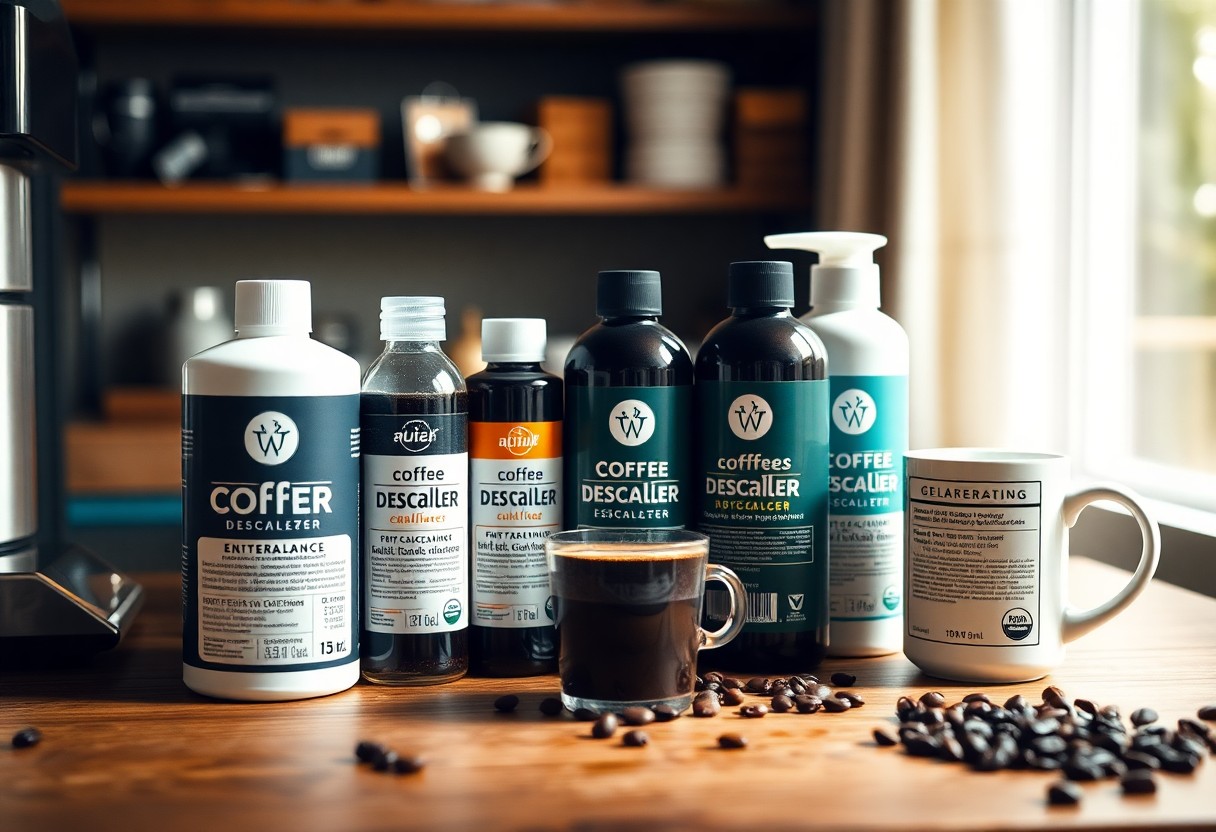
The top five descaler products include De’Longhi EcoDecalk, Urnex Dezcal, Durgol Swiss Coffee, Keurig Descaling Solution, and Grove Square Coffee. Each of these features biodegradable components and offers an effective cleaning experience, though there are pros and cons. For instance, De’Longhi is eco-friendly while Urnex is a top choice for value, but both may vary in price points and availability depending on your location.
Customer Ratings and Industry Standards: Finding the Best Fit
Choosing the right descaler involves analyzing customer ratings, which often inform your final decision. Products like Durgol Swiss Coffee consistently receive high satisfaction scores for their ease of use and effectiveness, proving to meet industry standards. On the other hand, Urnex Dezcal is favored for its affordability while offering robust performance in various coffee machines.
Delving into customer feedback provides insight into real-world efficacy of descalers. Many users report enhanced coffee flavor and machine longevity after using Durgol. Achieving an average user rating of 4.7 out of 5 demonstrates its reliability in the market. Reviews point out that while Keurig Descaling Solution is user-friendly, it’s less effective on high-mineral water areas. Ultimately, seeking out third-party certifications can further guide you to find the descaler best suited to your specific needs and machine type.
Conclusion
Taking this into account, selecting the best coffee machine descaler for your specific needs can enhance the longevity and performance of your coffee machine. By comparing various products based on effectiveness, ingredients, and user ratings, you can make a well-informed choice that suits your preferences. Whether you opt for a natural solution or a chemical descaler, ensuring regular maintenance will ultimately improve the taste of your coffee and protect your investment.
FAQ
Q: What is coffee machine descaler and why is it important?
A: Coffee machine descaler is a solution designed to remove mineral buildup in coffee machines, primarily caused by hard water. Regular descaling is important to maintain the performance and longevity of your coffee machine. It ensures optimal brewing temperature and flavor extraction, while also preventing damage to internal components.
Q: How often should I descale my coffee machine?
A: The frequency of descaling depends on your water quality and usage. Generally, it is recommended to descale your coffee machine every 1 to 3 months. If you use hard water or brew coffee daily, you might need to descale more often. Make sure to check your machine’s user manual for specific guidelines.
Q: What ingredients should I look for in a good coffee machine descaler?
A: A quality coffee machine descaler typically contains citric acid, acetic acid, or lactic acid, as these are effective at dissolving mineral deposits. Additionally, some products may include natural ingredients for a more eco-friendly approach. Always verify that the descaler is safe for your specific coffee machine model.
Q: Can I use homemade solutions instead of commercial descalers?
A: While some people use vinegar or citric acid solutions as homemade alternatives, it is crucial to be cautious. Vinegar can leave a strong aftertaste and may not be suitable for all machines. Store-bought descalers are formulated specifically for the task and are generally safer and more effective.
Q: How do I properly descale my coffee machine?
A: To descale your coffee machine, first, read the manufacturer’s instructions to ensure compatibility with the descaler you choose. Typically, the process involves mixing the descaler with water, running the solution through the machine as if you were brewing coffee, and then rinsing thoroughly with fresh water before usage. Always follow the specific steps outlined in your machine’s manual for the best results.