What Coffee Beans to Use for a DeLonghi Coffee Machine

With the right coffee beans, you can greatly enhance your experience with your DeLonghi coffee machine. Choosing freshly roasted, high-quality beans is imperative for achieving the best flavor and aroma. You’ll want to consider the grind size and bean type, as different machines can require specific adjustments. For a balanced taste, opt for a medium roast, while darker roasts can provide a richer, bolder flavor. Ultimately, selecting the appropriate beans tailored to your machine will help you create that perfect cup of coffee every time.
Key Takeaways:
- Select high-quality coffee beans for the best flavor profile. Look for specialty beans that suit your taste preferences.
- Consider using whole beans and grinding them just before brewing for optimal freshness and aroma.
- Experiment with different roast levels, such as light, medium, or dark, to find the perfect match for your DeLonghi machine.
- Pay attention to the grind size; a medium to fine grind is generally recommended for espresso machines.
- Check the compatibility of the beans with your specific DeLonghi model, especially if using pods or specialty blends.
The Taste Spectrum: Selecting Beans for Flavor
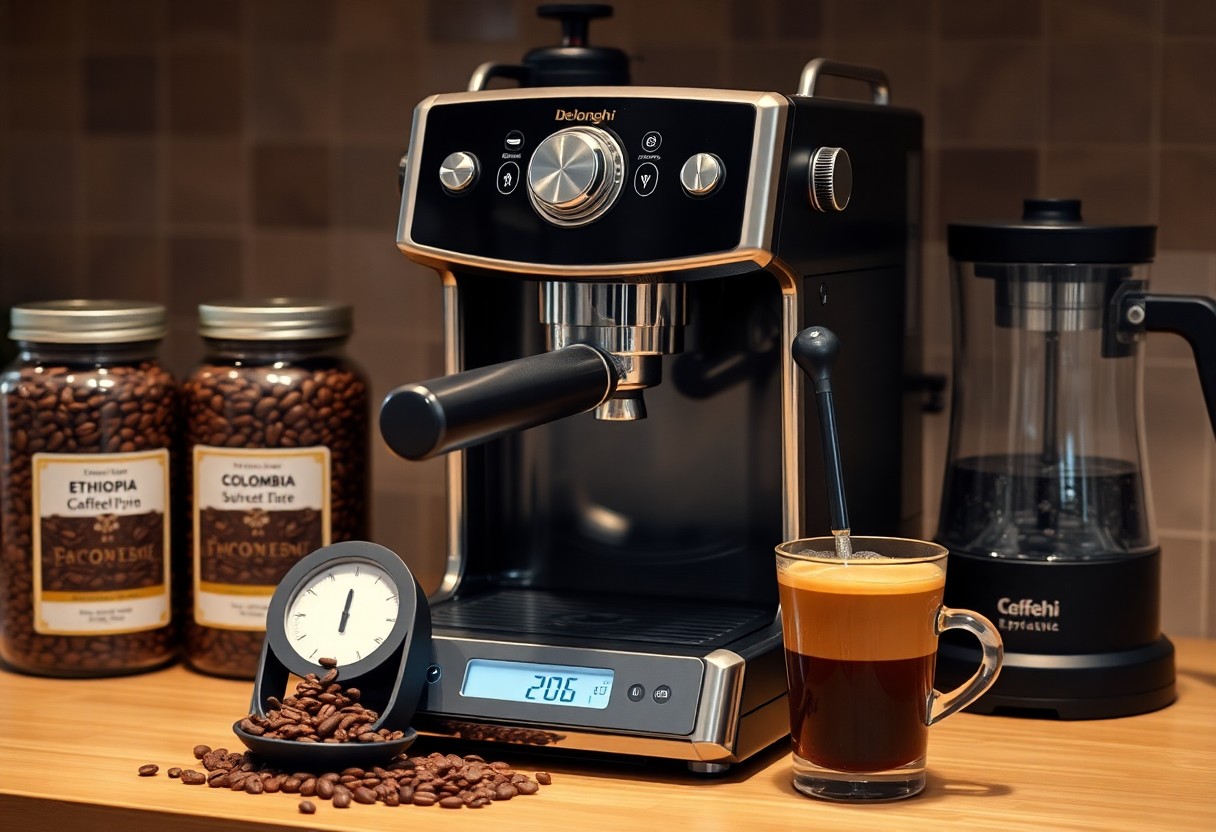
Identifying your preferred flavor profile is vital for crafting the ideal cup of coffee. Depending on the coffee bean variety and its origin, taste notes can range from fruity and floral to chocolatey and nutty. Consider your palate: if you enjoy bright acidity, look for beans from East Africa, such as Ethiopian Yirgacheffe. For a rich, full-bodied experience, South American beans like Colombian coffee might appeal more. Balancing sweetness, acidity, and bitterness is key to finding your favorite blend, so don’t hesitate to experiment with different varieties for the best DeLonghi brew.
Profiles of Popular Coffee Bean Varieties
Each coffee bean variety introduces distinct flavor profiles, making it vital to explore different options. For instance, Arabica beans are known for their smooth and sweet flavors, often with hints of fruit and sugar, while Robusta beans offer a stronger, more bitter taste with earthy undertones. Specialty blends, like Sumatra or Guatemalan, can deliver unique spice and chocolate notes, making your coffee experience as diverse as your tastes. Understanding these profiles allows you to make informed decisions when stocking your DeLonghi machine.
How Roast Level Affects Taste and Aroma
The roast level significantly influences both the taste and aroma of your coffee. Light roasts typically retain more of the original bean’s flavor, resulting in brighter acidity and complex fruity notes. Medium roasts strike a balance, enhancing sweetness while providing roasted flavor elements. Dark roasts yield a bold, intense flavor with pronounced bitterness and reduced acidity. This transformation occurs due to chemical changes within the coffee beans during roasting, altering oils and sugars that contribute to aroma and taste.
When you select your coffee based on roast level, consider how different characteristics will suit your preferences. For example, if you favor a more pronounced chocolate and nut flavor, a medium-dark roast may be ideal. Conversely, if you enjoy a vibrant, citrusy cup, a light roast could be your best choice. The method used to brew your coffee will also interact with roast levels, further influencing the final taste in your DeLonghi machine. Finding the right balance can elevate your daily coffee ritual to extraordinary heights.
Grinding Matters: Optimal Grind Size for DeLonghi Machines
Achieving the perfect brew with your DeLonghi coffee machine relies heavily on grind size. Coffees brewed with fine ground beans result in intense flavors and rich aromas, ideal for espresso. Medium grind suits drip coffee makers, allowing for balanced extraction. Coarse grinds work best for methods like French press. Ultimately, your device’s requirements dictate the grind, so research what type of coffee is recommended for use in a home machine to optimize your results.
Recommended Grind Sizes for Different Brewing Methods
For a DeLonghi espresso machine, aim for a fine grind, resembling table salt, to facilitate optimal extraction under pressure. If you’re using a drip coffee method, a medium grind similar to granulated sugar is perfect for a balanced brew. For French press lovers, a coarse grind akin to breadcrumbs will yield the best results while minimizing sediment in your cup. Each method’s grind size impacts flavor and strength, so adjusting accordingly will enhance your coffee experience.
The Science Behind Grind Consistency
Consistency in grind size directly influences extraction uniformity, resulting in a balanced flavor profile in your coffee. Inconsistent grinds lead to uneven extraction, causing some particles to over-extract while others remain under-extracted, which can generate unpleasant bitterness or weak flavors. Utilizing a good quality burr grinder can help achieve uniform particle sizes, allowing flavor compounds to interact optimally with water during brewing. For instance, a study highlighted that grind consistency affects not only taste but also crema quality in espresso shots, demonstrating that precision in grinding pays off in your cup.
Origin Story: How Geography Influences Coffee Quality
Your choice of coffee beans is significantly shaped by where they are grown. Climate, altitude, and soil composition all play vital roles in developing the flavors and aromas of the beans. Each coffee-producing region offers unique characteristics that influence the final cup. For instance, beans from the highlands of Colombia often present bright acidity and fruity notes, while Brazilian beans might produce a lower acidity profile with chocolatey undertones. Understanding these regional influences allows you to select beans that align with your flavor preferences.
The Distinct Characteristics of Regional Beans
Coffee beans from various regions each possess distinct traits that make them unique. For example, Ethiopian beans are renowned for their floral and berry notes, often appealing to those who enjoy vibrant and complex flavors. In contrast, Sumatra beans are typically heavier, with earthy tones and a rich, full-bodied experience. Choosing beans from specific regions can help you tailor the flavor profile of your coffee to match your tastes, proving the significance of geography in your brewing journey.
Why Freshness and Harvest Time are Important
Freshly harvested coffee beans play a pivotal role in the quality of your brew. The best flavor is captured when beans are roasted within a few weeks of their harvest. After their harvest, beans can lose their vibrant flavors and aromatic qualities due to exposure to air, light, and humidity. Optimal harvest times are often aligned with dry seasons, ensuring beans reach their peak ripeness before being picked. This ensures that you enjoy distinctive, bold flavors in every cup.
Harvesting coffee beans during their prime period is necessary for flavor integrity. Typically, coffee plants bloom once a year, leading to peak harvesting seasons that vary by region. For instance, in Central America, the harvest season typically occurs from November to March, while in Brazil, the timing can extend into June. Beans picked at their optimal ripeness are generally richer in flavor compounds. Not only does freshness impact the taste, but it also affects the overall sweetness and acidity of your cup. When you buy beans, look for roast dates indicating recent roasting to guarantee the best possible experience with your DeLonghi coffee machine.
The Role of Bean Storage: Maximizing Freshness
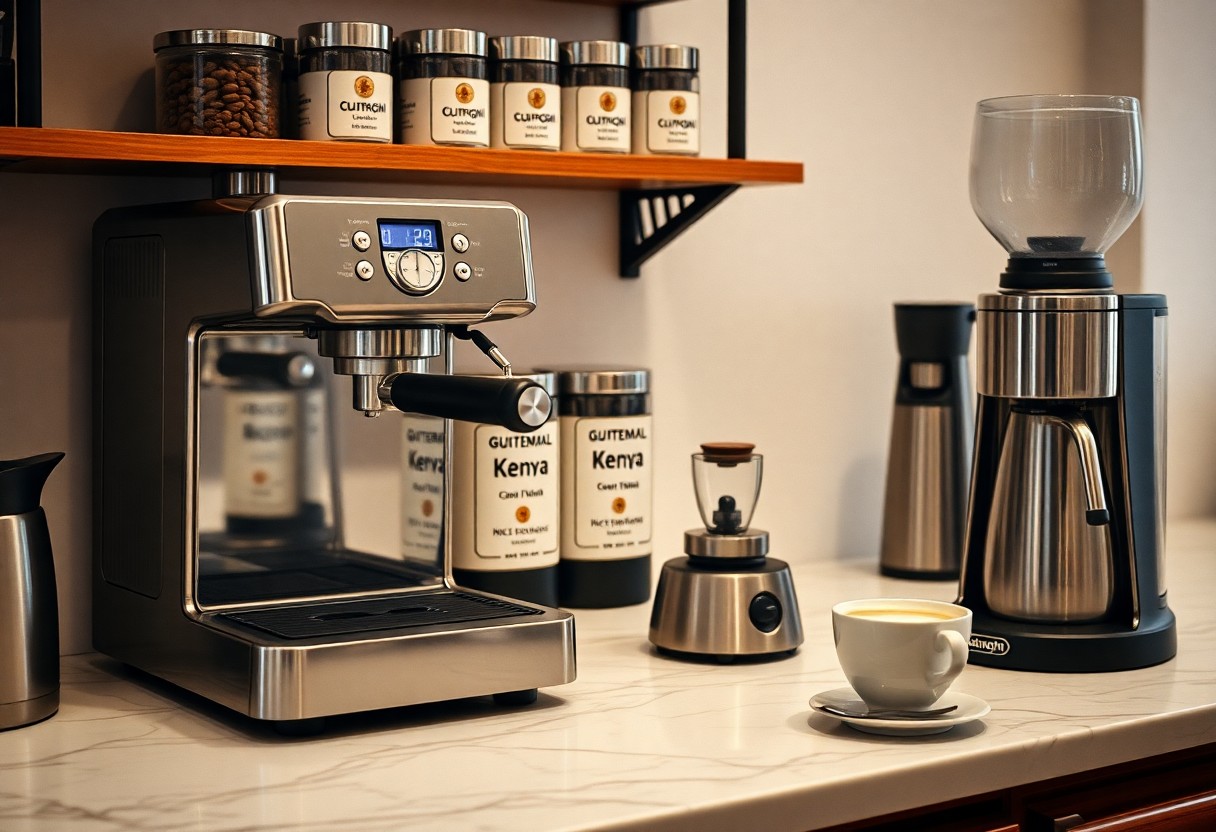
Proper storage of coffee beans significantly enhances their freshness and flavor profile. Maintaining the right environment for your beans ensures that you get the best experience each time you brew a cup, especially with your DeLonghi coffee machine. Pay attention to factors such as air, light, and temperature, as they can dramatically influence the taste and aroma of your coffee.
Best Practices for Storing Coffee Beans
To optimize freshness, store your coffee beans in an airtight container away from direct sunlight. A cool, dark place is ideal to prevent degradation. Avoid keeping beans in the refrigerator or freezer, as fluctuations in temperature can cause condensation and spoilage. Instead, consider using a ceramic or opaque glass jar to minimize exposure to harmful elements.
The Impact of Air, Light, and Temperature on Flavor
Air, light, and temperature are the biggest enemies of coffee bean freshness. Oxygen can make your beans stale quickly, while ultraviolet light can degrade crucial oils, resulting in flat flavor notes. Storing beans at room temperature is optimal; excessive heat can also lead to the loss of flavor complexity over time.
| Factor | Impact on Coffee |
| Air | Stales the beans quickly, diminishing flavor |
| Light | Degrades oils, leading to a flat taste |
| Temperature | Extreme heat can cause flavors to dissipate |
Each factor plays a pivotal role in maintaining your coffee’s flavor integrity. Exposure to air allows volatile compounds to escape, leading to oxidation. Similarly, light breaks down crucial oils in the beans, crucial for delivering rich flavors and aromas. Keeping your beans in a stable, controlled environment can significantly enhance your coffee-drinking experience, ensuring each cup is as fresh and delightful as the last.
| Optimal Storage Environment | Recommended Conditions |
| Airtight Container | Minimizes oxygen exposure |
| Cool, Dark Space | Prevents thermal and light degradation |
DIY Blends: Crafting Your Signature Coffee Experience
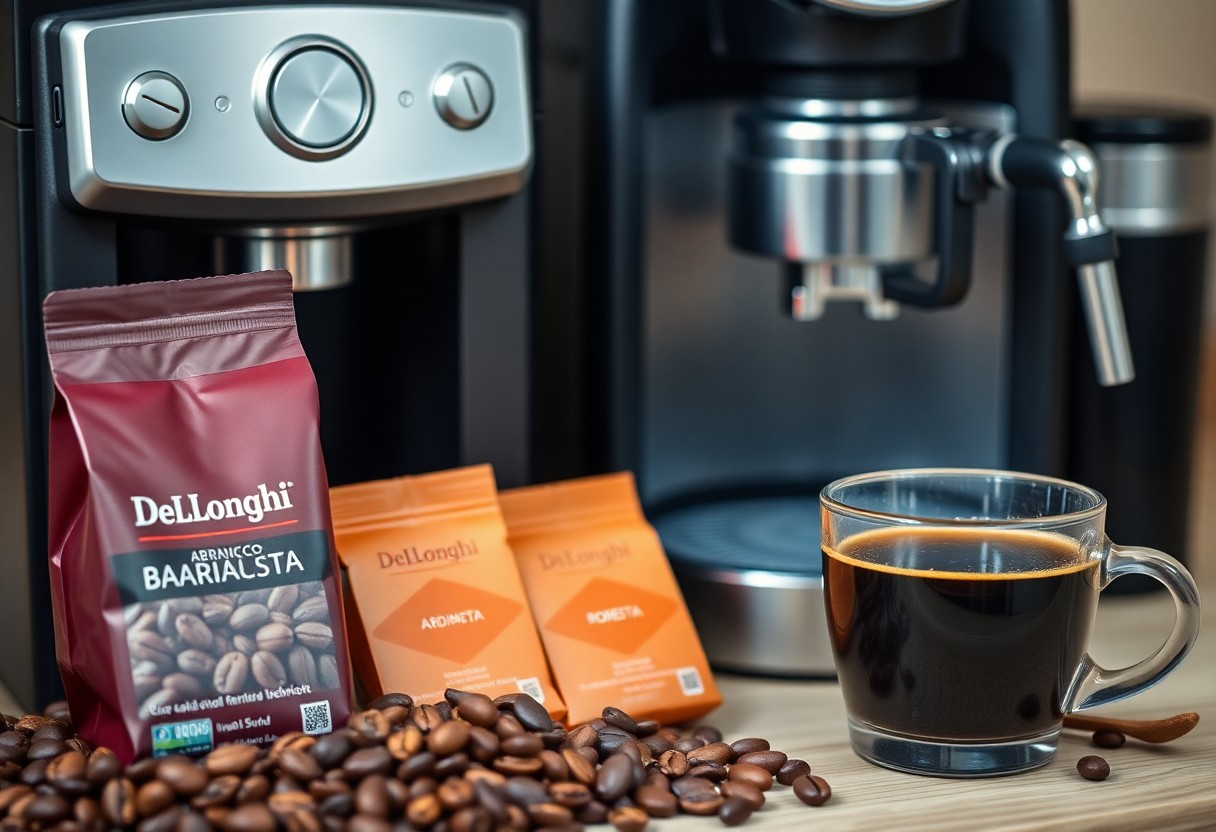
Creating your custom coffee blend with a De’Longhi machine elevates your brewing experience. Experiment with different origin beans to discover unique flavor profiles that resonate with your palate. For an excellent starting point, consider the De’Longhi Signature Espresso Blend Coffee Beans to find the perfect balance for your brewing style.
Tips for Experimenting with Bean Combinations
To develop your signature coffee blend, start small and note your findings. Here are some tips for success:
- Use freshly roasted beans for the best flavor.
- Mix beans from different origins to explore distinct notes.
- Vary the roast levels for depth and complexity.
- Keep a tasting journal to track your favorites.
Thou will discover the perfect combination over time.
The Art of Balancing Flavors and Acidity
Achieving harmony between flavors and acidity can transform your coffee into an extraordinary experience. Think about how different beans contribute to sweetness, bitterness, and brightness. For instance, high-acid beans, such as Ethiopian varieties, offer a fruity zest that can elevate your blend, while low-acid beans like Brazilian types provide a smooth, chocolatey base. Testing combinations is key; don’t shy away from contrasting elements, as they might create unexpected delightful results.
For instance, pairing a fruity Sumatran bean with the subtle, caramel notes of a Colombian coffee can highlight the contrasting acidity and sweetness beautifully. Also, experimenting with different brewing methods influences how the acidity and flavor balance out. Understanding the grains’ natural characteristics empowers you to adjust ratios, leading to a well-rounded cup that perfectly suits your taste.
To Wrap Up
Considering all points, selecting the right coffee beans for your DeLonghi coffee machine depends on your personal taste and brewing style. Whether you prefer medium roasts for balanced flavors or dark roasts for a robust profile, your choice will impact the overall quality of your brew. Additionally, fresh, whole beans are recommended to enhance flavor and aroma. Experiment with different blends and roasts until you find the perfect match that elevates your coffee experience and highlights the capabilities of your DeLonghi machine.
FAQ
Q: What types of coffee beans work best with a DeLonghi coffee machine?
A: DeLonghi coffee machines are versatile and can work well with a variety of coffee beans. It’s recommended to use whole beans for the freshest flavor, with options such as Arabica for a smooth and mild taste, and Robusta for a stronger and bolder flavor profile. Medium to dark roasts are typically favored for espresso machines, while light roasts can be excellent for drip coffee preparations.
Q: Should I use pre-ground coffee or whole beans in my DeLonghi coffee machine?
A: Whole beans are usually preferred for DeLonghi machines that have built-in grinders because they deliver better flavor and aroma. Grinding the beans just before brewing preserves the imperative oils and flavors that can be lost in pre-ground coffee. If your model does not have a grinder, a fine to medium grind size is recommended for optimal extraction.
Q: How do the roast levels of coffee beans affect the brewing process in a DeLonghi coffee machine?
A: The roast level of coffee beans impacts the flavor and strength of the brewed coffee. Light roasts retain more of the original bean’s flavors, resulting in brighter and more acidic notes. Medium roasts balance acidity with sweetness, while dark roasts offer stronger, more robust flavors with reduced acidity. Depending on your taste preference, you can choose a roast level that suits your desired coffee experience.
Q: Are there specific brands of coffee beans recommended for use with DeLonghi coffee machines?
A: While personal preference plays a significant role in choosing coffee beans, popular brands that many DeLonghi users enjoy include Lavazza, Illy, and Peet’s Coffee. It’s a good idea to experiment with different brands and blends to find the ones that suit your palate best. Look for beans that emphasize quality and freshness, as these will provide the best flavor in your brews.
Q: How can I ensure the best flavor extraction from my coffee beans when using a DeLonghi machine?
A: To achieve optimal flavor extraction, use freshly roasted beans and grind them just before brewing. Ensure your machine is clean and the water temperature is within the ideal range (around 195°F to 205°F). Adjust the grind size and coffee-to-water ratio according to your taste preferences and the brewing method used. Regular calibration and practice will help you find the perfect balance for your favorite coffee beverages.