
What is Backflushing a Coffee Machine – Cleaning Technique

With proper maintenance, you can ensure the longevity and efficiency of your espresso machine, and one of the most effective cleaning techniques is backflushing. This method involves using water and cleaning solutions to flush out coffee oils and debris from the group head, ensuring your machine brews the best possible coffee. Regular backflushing not only enhances the taste of your espresso but also prevents potential damage caused by residue buildup. Understanding this technique is important for any coffee enthusiast looking to maintain their equipment and brew high-quality beverages.
Key Takeaways:
- Backflushing is a cleaning method used for espresso machines to remove coffee oils and residues from the group head and brewing components.
- The process involves using a blind filter basket and specially formulated cleaning detergent to ensure all parts of the machine are effectively cleaned.
- Regular backflushing not only maintains machine performance but also enhances the taste and quality of the coffee produced.
- It’s typically recommended to backflush an espresso machine weekly, depending on usage and coffee type.
- Backflushing can help prevent clogs and prolong the lifespan of the coffee machine, making it a key part of regular maintenance.
The Mechanics of Backflushing: How It Works
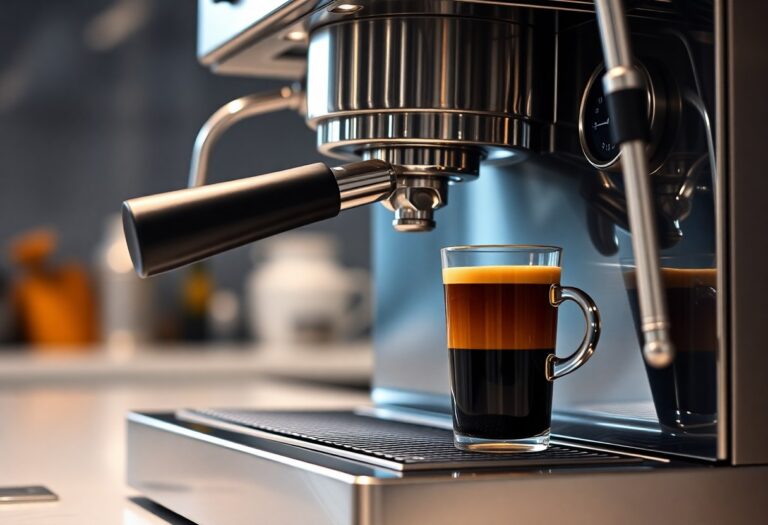
Backflushing involves utilizing the espresso machine’s pump to push water backwards through the system, effectively cleaning the group head and its components. By trapping a blind filter in the portafilter, you create resistance that redirects water flow, allowing it to scavenge built-up residues and oils. For a complete guide, you can check How to Backflush Your Espresso Machine [6 Steps].
The Role of the Three-Way Valve
The three-way valve is a key component during backflushing, as it manages the water flow and pressure within the machine. Its primary purpose is to relieve pressure from the group head when you stop brewing. During backflushing, it opens to allow water to flow back into the water source, facilitating the removal of built-up coffee oils and grounds from the system.
The Importance of Water Flow Direction
Water flow direction plays a significant role in the backflushing process. By forcing water backwards through the group head, the machine effectively clears out residues that are often trapped in hard-to-reach spots. Incorrect water flow can hamper the cleaning process, preventing thorough removal of impurities.
Notably, the reverse water flow forces debris out from areas where it can accumulate, such as the shower screen and the channel leading to the portafilter. This action ensures that the coffee oils, calcium deposits, and any coffee grind remnants do not build up, which can lead to inconsistent extraction and off-flavors in your espresso. Regularly maintaining the correct flow direction not only prolongs your machine’s lifespan but also enhances the quality of each shot you pull.
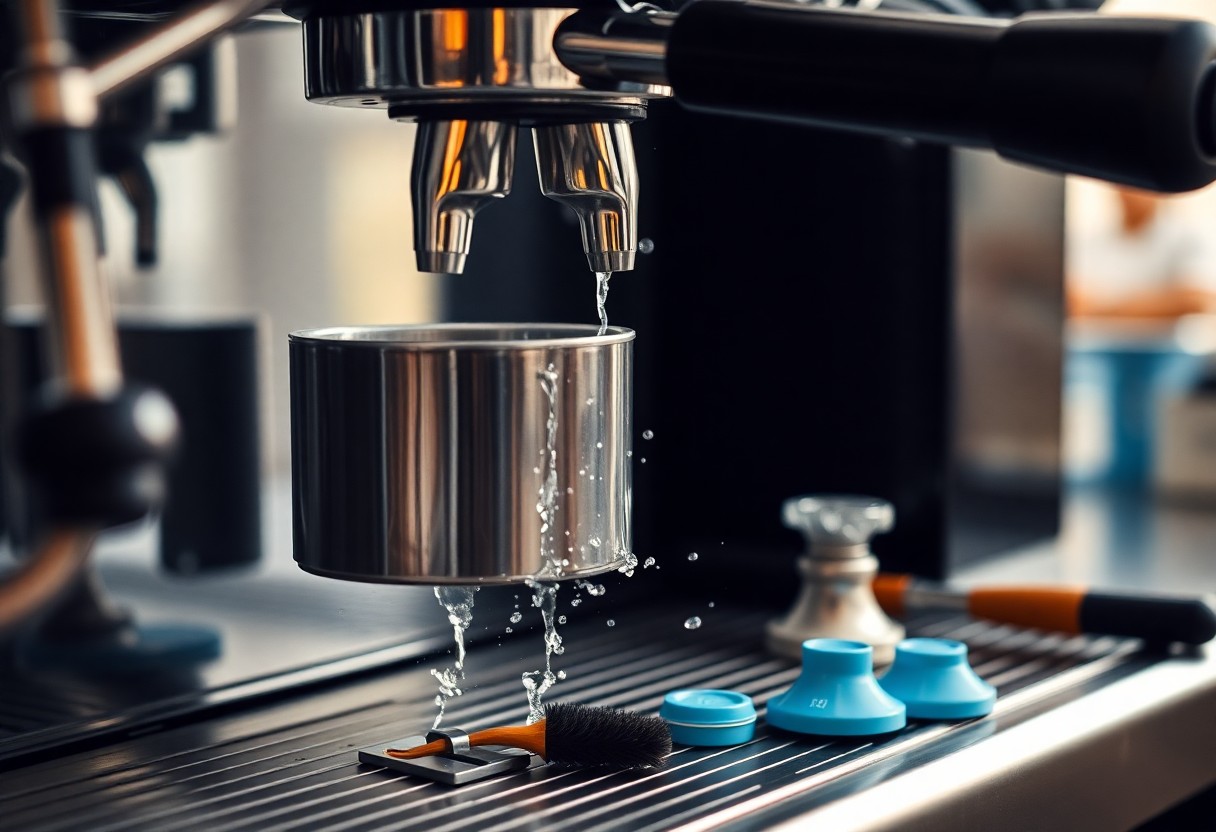
Coastal Coffee Machines: When to Backflush
Understanding the optimal times to backflush your Coastal coffee machine can significantly impact its performance and longevity. Regular backflushing clears out any residual coffee oils and buildup, ensuring that your machines continue to produce high-quality espresso. Many users recommend a backflush after every 30 shots of espresso, particularly if you’re brewing frequently. For heavy-duty environments, you may want to backflush daily, while light usage could suffice with weekly maintenance.
Frequency Recommendations for Different Models
Each model of Coastal coffee machines might have slightly different requirements for backflushing frequency. Generally, the higher-end models may require less frequent backflushing due to better sealing and filtration systems. For commercial models, aim for every 20 to 30 shots, while home models can stick to once a week or every two weeks depending on usage patterns.
Signs Your Machine Needs a Backflush
Noticing certain performance issues can signal when your coffee machine is overdue for a backflush. Common signs include slow extraction rates, inconsistent shot quality, and a buildup of coffee grounds or oils around the group head. If you spot any clogs in the portafilter or inconsistencies in flavor, those are definite indicators that your machine would benefit from immediate attention.
Specific signs can vary by usage patterns and conditions. If your espresso shots start taking longer to extract or have an unusual taste, that could mean coffee residue is interfering with the flow. Additionally, check for a change in pressure or even the presence of a sour taste, which often indicates rancid oils have accumulated. Regularly monitoring these indicators helps you maintain your Coastal coffee machine’s performance and ensures your espresso taste is consistently exceptional.
Rationales Behind the Technique: Why Backflushing Matters
Understanding the significance of backflushing your coffee machine goes beyond routine maintenance. This cleaning technique is necessary for preserving the quality of your espresso shots and preventing costly machinery breakdowns. Regular backflushing eliminates built-up coffee oils and residues, which can lead to off-flavors, clogging, and eventually more severe mechanical issues. For detailed guidance, check out this resource on how to backflush my espresso machine.
Enhancing Flavor and Aroma Quality
A fresh and flavorful cup of coffee heavily relies on a clean brewing environment. Backflushing removes stale coffee oils and particles from the group head, ensuring that every shot you pull is rich in flavor and aroma. When you skip this cleaning step, the accumulated residues can impart unpleasant tastes, undermining the quality of your espresso.
Preventing Mechanical Failures and Costs
Routine backflushing greatly reduces the risk of mechanical failures in your espresso machine. By regularly cleaning vital components, you prevent blockages that can lead to overheating and other significant repairs. This proactive measure not only prolongs the life of your machine but also saves you valuable time and money on potential repair costs down the line.
Long-term neglect of your machine can result in expensive damage that compromises its function. For example, a clogged group head can place undue stress on the pump, leading to premature failure. Investing a few minutes in regular backflushing pays off, allowing you to avoid larger repair bills of hundreds or even thousands of dollars. Keeping your espresso machine in optimal condition is a wise financial choice, ensuring your business or personal coffee experience remains uninterrupted and consistently exceptional.
Step-by-Step Guide to Executing a Proper Backflush
Preparing Your Equipment and Cleaning Solutions
Begin by gathering necessary tools: a clean portafilter, a blind filter (or backflush disc), and a dedicated coffee machine cleaner, specifically designed for backflushing. Ensure you have water available for rinsing. For best results, read the cleaner’s instructions and mix the solution if required. You might want to have a cloth available for wiping down any spills or cleaning the portafilter.
Detailed Backflushing Procedure
Start by inserting the blind filter into your portafilter, then add the cleaning solution to the blind filter. Lock the portafilter into the group head and activate the brew cycle for about 10 seconds. Stop the cycle, then release the pressure by turning off the machine. Repeat the process several times, always ensuring to rinse thoroughly between uses to eliminate any remaining cleaner.
Following these steps can effectively remove stubborn coffee oils and residues. It’s recommended to perform a minimum of five cycles. Each time you press the brew button, you help dislodge built-up debris within the group head, enhancing the performance of your espresso machine. After completing the cycles, always follow with a plain water backflush to ensure no remnants of the cleaner affect future brews. This simple procedure can significantly prolong the life of your equipment and improve the quality of your espresso shots.
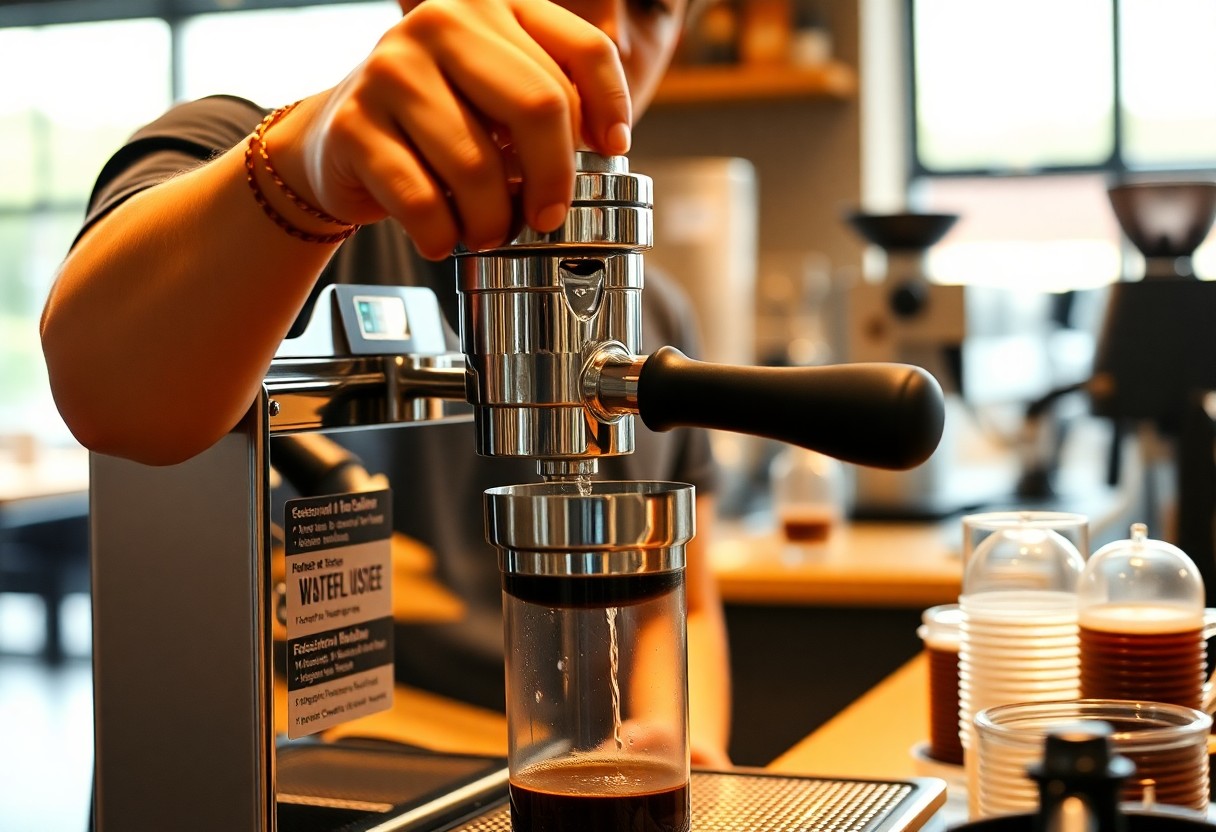
Common Mistakes in Backflushing: What to Avoid
Backflushing your coffee machine is effective only if done correctly. Common pitfalls can lead to insufficient cleaning or even damage to your equipment. Avoiding these mistakes is imperative for maintaining your machine and ensuring the longevity of your brewing process.
Overlooking the Importance of Proper Timing
Executing backflushing at the right intervals is vital to prevent residue buildup. If you backflush too often, you could waste cleaning solution and labor, while infrequent backflushing may allow for stale oils to accumulate and adversely affect flavor. Optimal timing is typically every 200 shots, but factors like water quality and machine usage can play a role.
Neglecting Additional Cleaning Procedures
Focusing solely on backflushing overlooks other necessary cleaning tasks. Components like your portafilter, brew baskets, and group heads require regular attention. These parts can harbor oils, coffee grounds, and bacteria, which can affect the taste of your brew.
Additional cleaning procedures should complement your backflushing routine for maximum effectiveness. Cleaning portafilters and baskets with a dedicated espresso cleaner removes any stubborn oils left behind. For deeper maintenance, using a descaling solution every few months can help eliminate mineral buildup caused by hard water. This comprehensive approach not only enhances your coffee’s flavor quality but also extends your machine’s lifespan, ensuring that each cup you serve remains consistent and enjoyable.
Conclusion
Taking this into account, backflushing your coffee machine is an effective cleaning technique that helps maintain optimal performance and flavor extraction. By regularly using a blind filter to reverse the flow of water through the system, you can remove coffee oils and residue that may affect your brew. Incorporating this practice into your cleaning routine ensures that your machine operates efficiently and your coffee remains consistently delicious. Prioritize backflushing to extend the life of your equipment and enhance your overall coffee experience.
FAQ
Q: What is backflushing a coffee machine?
A: Backflushing is a cleaning technique used for espresso machines that involves reversing the flow of water through the machine’s group head. This process helps to dislodge coffee oils, residues, and other debris that accumulate over time, ensuring optimal performance and taste in your coffee.
Q: Why is backflushing important for my coffee machine?
A: Backflushing is important for maintaining the longevity and efficiency of your coffee machine. Regular backflushing helps to prevent the build-up of coffee oils and residues, which can affect the flavor of your coffee and may even lead to mechanical issues if not addressed. Clean machines produce better-tasting espresso and are less likely to require costly repairs.
Q: How often should I backflush my coffee machine?
A: The frequency of backflushing depends on how often you use your coffee machine. For commercial machines, daily backflushing is often recommended, while home users may find that weekly or bi-weekly cleanliness is sufficient. Observing the taste of your coffee and the performance of your machine can also inform your cleaning schedule.
Q: What supplies do I need to backflush my coffee machine?
A: To backflush your coffee machine, you will typically need a backflush disc (often a blind filter) that fits your portafilter, and a cleaning detergent specifically designed for espresso machines. Some machines may also require a little water to help rinse. Make sure to check your manufacturer’s recommendations for the best products to use.
Q: Can backflushing damage my coffee machine?
A: When performed correctly and with the appropriate products, backflushing should not damage your coffee machine. However, using the wrong detergent or neglecting to follow the manufacturer’s instructions can lead to issues. Always read your machine’s manual and be gentle during the process to avoid potential wear or damage.