How to Use Coffee Pods Without a Machine: Alternative Methods

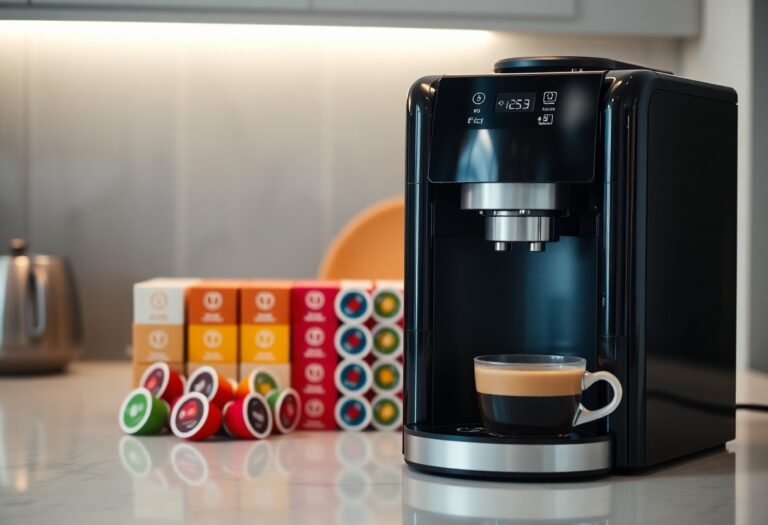
Coffee pods are pre-packaged single servings of ground coffee, typically used with specific machines designed to brew coffee by puncturing the pod. However, there are alternative methods to enjoy coffee pods without a machine. Here are some key points to consider:
- Definition and Purpose: Coffee pods are convenient, sealed portions of ground coffee meant for single use, ensuring freshness and ease of brewing.
- Common Use: Traditionally, coffee pods are utilized with machines equipped to extract the flavors from the grounds efficiently.
- Possibility and Benefits: Exploring brewing options without a machine opens up avenues for creativity, cost-effectiveness, and flexibility in crafting your perfect cup of coffee.
By delving into these alternative methods, you can discover new ways to savor the rich flavors of coffee pods even without a dedicated machine.
Understanding Coffee Pods
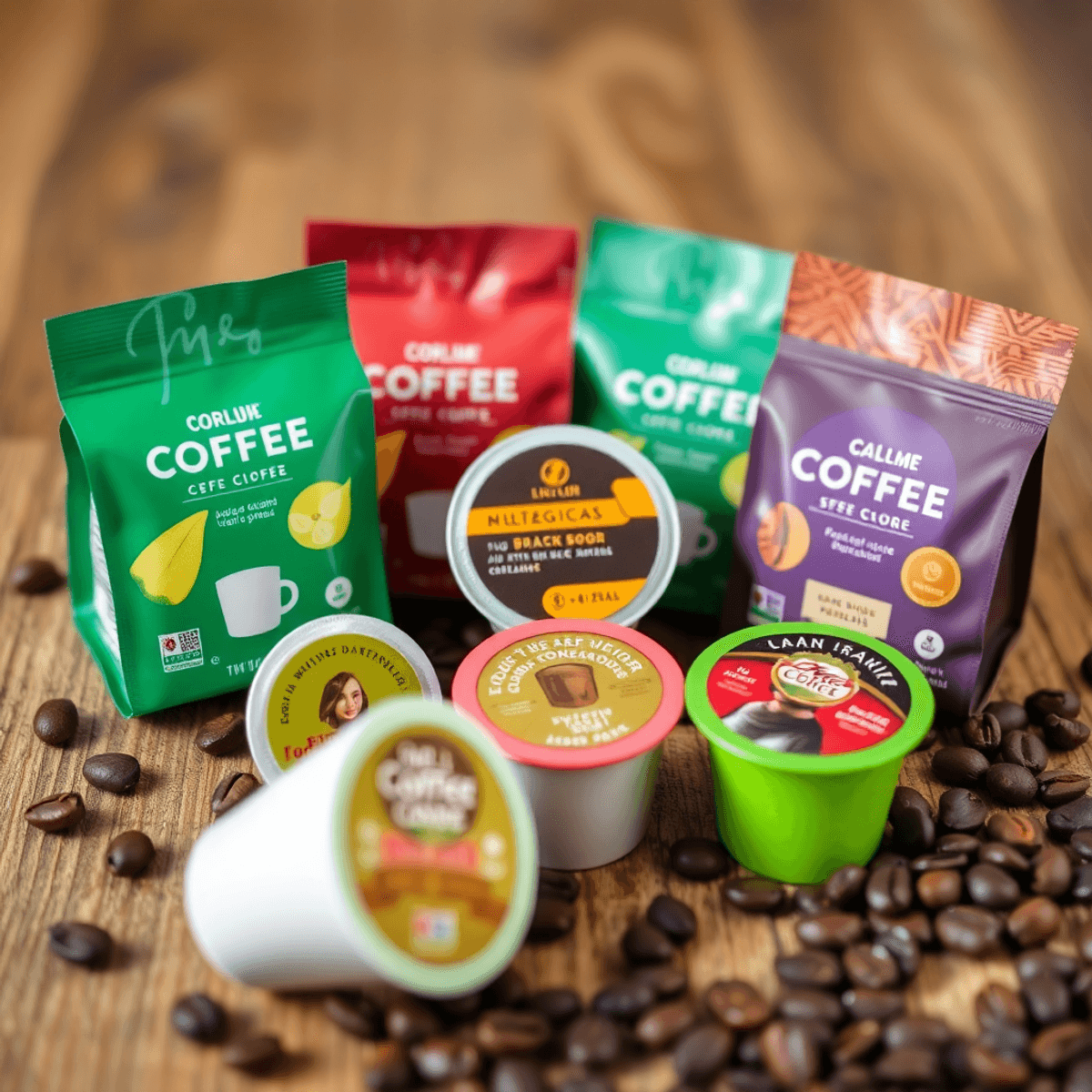
Coffee pods are pre-measured packets of ground coffee that come in a filter or sealed container. Here’s what you need to know about their composition:
- A filter made of paper or mesh that holds the coffee grounds
- An outer layer made of plastic, aluminum, or biodegradable materials that protects the contents
- Finely ground coffee specifically designed for single-use brewing
To keep the coffee fresh, pods are packaged in airtight containers that block out oxygen, moisture, and light—three elements that can spoil ground coffee. This packaging ensures that the coffee retains its aroma and flavor until it’s time to brew.
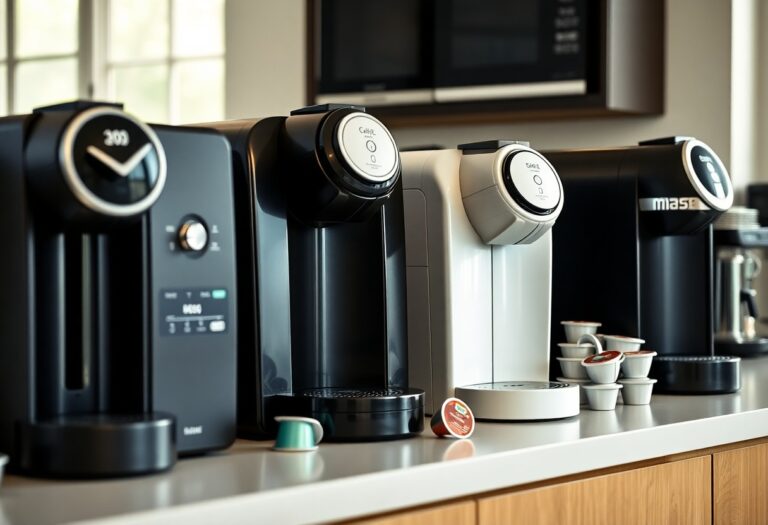
Coffee pods are primarily designed for use with single-serve coffee machines like Keurig, Nespresso, or other proprietary devices. Each machine has a mechanism to puncture the pod and allow hot water to flow through the coffee grounds, extracting the flavors efficiently.
While pods offer a quick and convenient way to brew coffee at home or in the office, their usage is limited by the compatibility of these machines. By understanding how coffee pods are made, we can also explore other creative ways to use them without depending solely on these machines.
Benefits of Using Coffee Pods Without a Machine
Using coffee pods without a machine presents various benefits that cater to different needs and preferences:
- Convenient for users without compatible machines: For individuals without access to a coffee machine, using coffee pods offers a convenient solution to still enjoy a quick and easy cup of coffee without the need for specialized equipment.
- Cost-effective and easily accessible: Using coffee pods without a machine can be a cost-effective alternative, especially for those who may not want to invest in a coffee maker. Pods are readily available in various flavors and blends, making it accessible for quick brewing.
- Flexible brewing methods and customization options: By exploring alternative brewing methods like French press, pour-over, stovetop brewing, DIY coffee bags, or moka pot, users can customize their coffee experience according to their taste preferences. This flexibility allows for experimentation and creativity in creating the perfect cup of coffee tailored to individual liking.
Methods to Brew Coffee Pods Without a Machine
1. French Press Brewing with Coffee Pod Grounds
Using a French press is one of the simplest and most effective ways to brew coffee pods without a machine. This method allows you to extract full flavors from the pod grounds while giving you control over strength and brewing time.
Steps to Brew:
- Transfer Pod Grounds: Begin by cutting or tearing open the coffee pod carefully. Empty the pre-measured grounds directly into the French press carafe. Depending on your preferred coffee strength, use one or two pods per 8-ounce cup.
- Water Temperature: Heat water to about 195°F to 205°F (just below boiling). Water that’s too hot may scorch the grounds, while cooler water can under-extract flavors.
- Steeping Time: Pour the hot water over the grounds evenly, saturating all the coffee. Stir gently with a wooden or plastic spoon to ensure even extraction. Place the lid on with the plunger pulled up, then let it steep for approximately 4 minutes. Adjust steeping time slightly if you prefer stronger or lighter coffee.
- Pressing the Plunger: After steeping, slowly press down the plunger to separate the brewed coffee from the grounds. A slow, steady pressure prevents grounds from escaping into your cup and helps maintain clarity.
Flavor Profile Notes:
French press brewing extracts more oils and solids compared to typical pod machines that use pressure and paper filters. This results in a richer mouthfeel and fuller body but sometimes introduces more bitterness or sediment depending on grind size and steeping time.
Unlike machine-brewed pods that rely on rapid extraction under pressure, French press brewing tends to highlight deeper, roasted notes and can soften acidity. You may notice a different balance of flavors—less sharpness but enhanced earthiness.
Experiment with:
- The number of pods used for desired intensity
- Steeping times between 3-6 minutes
- Water temperature tweaks within recommended range
This method maximizes flexibility without needing specialized equipment beyond your French press and kettle. It also avoids waste by using entire pod contents rather than relying on punctured pods alone.
2. Pour-Over Technique Using Coffee Pod Grounds
The pour-over technique offers a simple yet effective way to brew coffee pods without the need for a machine. Here are the key steps involved:
- Setting up filter and dripper over mug.
- Adding pod grounds to filter.
- Pouring hot water in circular motions for even extraction.
- Advantages of control over brew strength.
This method allows you to have more control over the brewing process, resulting in a customized cup of coffee tailored to your preferences. By pouring water in circular motions, you ensure that all the grounds are evenly saturated, leading to a balanced extraction of flavors. This technique is ideal for those who appreciate the art of coffee brewing and want to experiment with different brew strengths and flavor profiles.
3. Stovetop Brewing Method with Coffee Pod Grounds
The stovetop brewing method with coffee pod grounds offers a straightforward way to make coffee without specialized equipment. Here’s how you can do it:
- Boil water in a saucepan: Start by bringing fresh water to a boil on your stovetop. Use enough water based on the number of servings you want to prepare.
- Add coffee pod grounds directly: Once the water reaches boiling point, remove the saucepan from heat briefly and add the contents of your coffee pods directly into the hot water. Stir gently to mix the grounds evenly.
- Simmer and stir occasionally: Return the saucepan to low heat and let the mixture simmer for about 3–5 minutes. Stir occasionally during this time to help extract flavors evenly from the grounds.
- Settle grounds before straining: After simmering, take the saucepan off heat and allow it to sit for a couple of minutes so the coffee grounds settle at the bottom. This step is crucial for clearer brew.
- Strain carefully: Pour the brewed coffee through a fine mesh sieve or cheesecloth into your cup or serving pot to separate out any remaining sediment.
This stovetop brewing technique differs from French press brewing with coffee pod grounds or pour-over technique using coffee pod grounds by relying on direct contact between hot water and grounds without filters or plungers. It produces a robust, full-bodied cup with slightly more sediment unless strained thoroughly. Using this method expands your options when exploring How to Use Coffee Pods Without a Machine: Alternative Methods beyond typical machine-dependent processes.
4. DIY Coffee Bags (Tea Bag Style) Using Coffee Pod Contents
You can repurpose coffee pods by turning their contents into DIY coffee bags, mimicking the convenience of tea bags. This method requires emptying the coffee grounds from pods into small, porous tea filters or mesh pouches designed for loose leaf brewing.
Steps to prepare DIY coffee bags:
- Carefully open the coffee pod and transfer the grounds into a tea filter or reusable mesh pouch.
- Seal the filter by folding or tying it securely, ensuring no grounds escape during brewing.
- Heat water to about 200°F (just below boiling) for optimal extraction without bitterness.
- Steep the DIY coffee bag in hot water for 4 to 5 minutes, adjusting steeping time to taste preferences—longer steeping results in stronger coffee.
This approach suits those seeking portability and ease of use. You can carry pre-filled coffee bags in travel mugs or bottles, perfect for on-the-go brewing without machines. The cleanup is minimal since you simply discard or compost the used bag, eliminating loose grounds mess.
Using DIY coffee bags complements other methods like French press brewing with coffee pod grounds, pour-over technique using coffee pod grounds, and stovetop brewing method with coffee pod grounds. Each offers unique control over flavor and strength, but this method shines in convenience and simplicity. It also works well when equipment is limited or when you want a quick, mess-free cup anywhere.
5. Moka Pot Brewing Method with Coffee Pod Grounds
If you have a moka pot and some coffee pods, you can still enjoy a delicious cup of coffee without using a machine. The moka pot brewing method is known for producing strong espresso-style shots, and using coffee pod grounds in this process can enhance the flavor profile even further.
Here’s how to brew coffee pods using a moka pot:
- Empty the contents of the coffee pod: Start by carefully opening the coffee pod and pouring the ground coffee into the filter basket of your moka pot. Make sure to distribute the grounds evenly for optimal extraction.
- Assemble the moka pot: Fill the bottom chamber of the moka pot with water up to the safety valve level. Then, place the filter basket with the coffee grounds on top and screw on the upper chamber tightly.
- Heat on stovetop: Place the assembled moka pot on medium heat on your stovetop. Keep an eye on it as you wait for the water to boil and create pressure, forcing hot water through the coffee grounds.
- Enjoy your espresso-style brew: Once you hear a hissing sound, it means that your coffee is almost ready! Remove the moka pot from heat and let it sit for a minute before pouring yourself a rich cup of espresso-style coffee brewed with pod grounds.
The combination of using coffee pod grounds in a moka pot allows for greater versatility in flavor profiles compared to traditional methods. Experimenting with different brands or blends of pods can lead to unique tasting experiences that are sure to impress any coffee lover.
Pro Tip: If you prefer milder brews, consider using less ground coffee than what is typically recommended for an espresso shot.
Taste Testing: Comparing Flavors from Different Brewing Methods Using Coffee Pods Without a Machine
When brewing coffee pods without a machine, the choice of method significantly impacts the flavor profile. The acidity, bitterness, and richness can vary based on the technique used. For example:
- French Press brewing tends to result in a fuller body with more pronounced flavors.
- Pour-over methods may highlight the brightness and acidity of the coffee.
- Stovetop brewing can extract deeper, richer notes.
- DIY coffee bags offer a convenient yet milder brew.
- Moka pot brewing often produces intense espresso-like shots.
Additionally, manual methods like pour-over or stovetop techniques may offer a different mouthfeel compared to machine-brewed coffee due to variations in extraction and pressure. Experimenting with these different methods allows you to tailor your coffee experience to suit your preferences.
Conclusion
Experiment with different techniques based on your equipment and taste preferences. Remember, coffee pods can be used in various ways beyond machines, allowing you to create a personalized coffee experience.