
What is the Use of Steam in a Coffee Machine – Milk Frothing

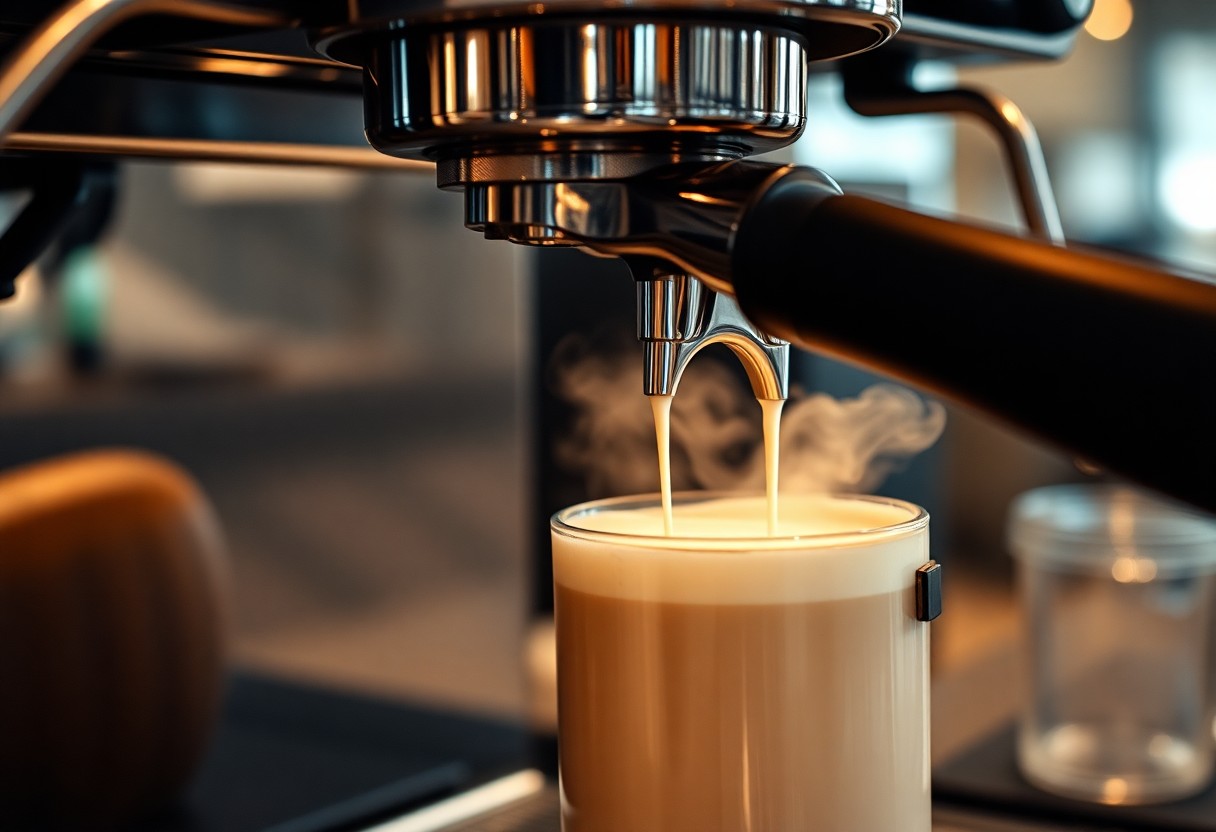
Over time, you may have wondered how your favorite coffee beverages achieve that creamy, rich texture. The secret lies in the use of steam in your coffee machine for milk frothing. By using steam to heat and aerate your milk, you can create velvety microfoam that transforms your drinks into café-quality experiences. However, it’s important to handle the steam wand carefully, as hot steam can cause burns. Understanding the process not only enhances your coffee enjoyment but also allows you to impress friends and family with your skills.
Key Takeaways:
- Steam is utilized in coffee machines to create microfoam, which enhances the texture and taste of milk-based drinks like lattes and cappuccinos.
- The steaming process heats the milk while incorporating air, resulting in a creamy and velvety consistency ideal for frothing.
- High-quality steam is vital for achieving the right temperature and foam quality, impacting the overall flavor and presentation of the beverage.
- Different milk types froth differently, with whole milk generally yielding the best results due to its fat content, while alternatives may require different steaming techniques.
- Consistency in steam pressure and technique is key to mastering milk frothing, allowing baristas to create visually appealing and delicious drinks.
The Science of Steam: How It Transforms Milk
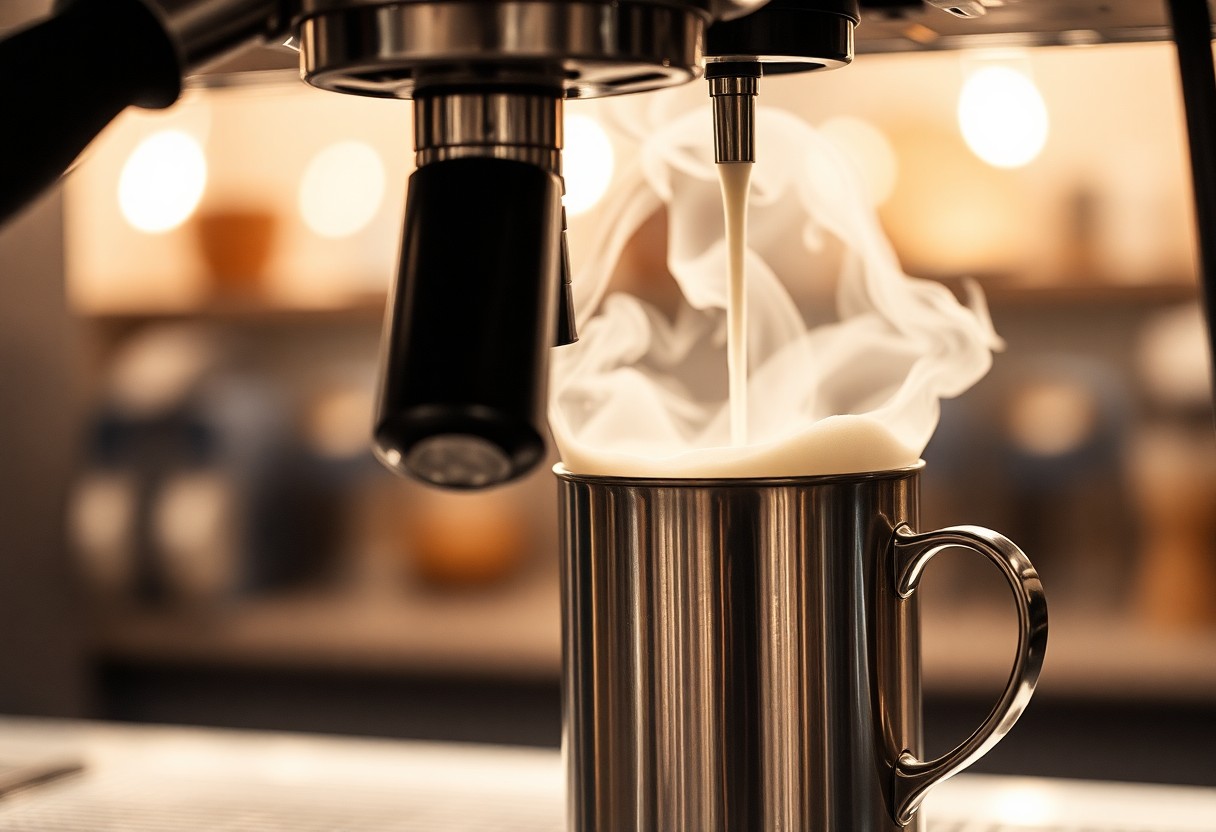
Steam plays a pivotal role in converting simple milk into a velvety froth that elevates your coffee experience. As steam is introduced into the milk, it creates tiny bubbles through agitation, allowing for a transformation that leads to a rich, creamy texture. This process not only alters the milk’s consistency but also enhances its sweetness and flavor, enriching the overall taste of your coffee beverage. Understanding this transformation helps you refine your frothing technique for the perfect cup every time.
Thermodynamics of Steam Frothing
The thermodynamics of steam frothing revolves around the principles of heat transfer and phase change. When you inject steam into milk, the high-temperature steam heats the milk almost instantly, raising its temperature while creating pressure that forces the milk to expand. This rapid heating and expansion help generate microfoam—a dense, velvety layer of foam that retains air bubbles, improving both texture and stability.
The Role of Milk Composition in Frothing Quality
The composition of your milk significantly impacts frothing quality, primarily due to the varying levels of fat, protein, and sugar. Whole milk typically produces the best froth because its higher fat content stabilizes the foam while the proteins interact with air to create structure. Meanwhile, skim milk offers a different texture, producing a firmer foam but lacking the creaminess that fat provides. Understanding these nuances in milk composition can help you choose the best option for your frothing goals, resulting in an ideal balance of flavor and texture in your coffee creations.
Whole milk, for instance, boasts around 3-4% fat, which is optimal for achieving a smooth and creamy froth. The fat molecules coat air bubbles, providing stability and preventing them from collapsing. In contrast, non-fat milk contains less than 0.5% fat, leading to a less stable froth that may dissipate quickly. Additionally, milk with higher protein content, such as barista blends designed specifically for frothing, can yield better results due to increased foam stability and texture. Selecting your milk thoughtfully is vital for maximizing the quality of each cup you serve.
The Art of Steam: Techniques for Perfect Frothing
Mastering the technique of milk frothing using steam not only enhances the texture of your beverages but also elevates your overall coffee experience. Understanding how to expertly manipulate steam can make the difference between mediocre and exceptional microfoam. This section provides insights into the precise methods that yield velvety froth and delightful latte art.
Positioning the Steam Wand for Optimal Results
For achieving the best froth, the positioning of the steam wand is key. Place the wand just below the surface of the milk, allowing air to be incorporated while also heating the milk underneath. A slight tilt of the steam pitcher will create a whirlpool effect, enhancing texture and ensuring that every particle of milk is aerated evenly for a consistent microfoam.
Controlling Temperature and Pressure: A Balancing Act
Achieving the ideal milk froth involves carefully managing both the temperature and pressure of the steam. Optimal steaming temperature for milk hovers around 150°F to 155°F (65°C to 68°C). Too high a temperature can scald the milk, ruining its sweetness. On the other hand, maintaining pressure around 1 bar allows the steam to create an ideal microfoam without overwhelming the milk. Timing and technique play a vital role in this balancing act.
| Temperature (°F) | Resulting Texture |
|---|---|
| 130°F – 140°F | Silky microfoam, ideal for latte art |
| 150°F – 155°F | Perfect warmth with a balance of sweetness |
| 160°F+ | Burnt taste, loss of sweetness and texture |
Maintaining the right temperature isn’t just about achieving warmth; it directly affects milk’s sweetness and mouthfeel. Heating the milk too quickly can result in a texture that’s overly dense or even burnt. Instead, focus on gradual heating while keeping your steam pressure steady to allow the milk to expand and develop that coveted creamy texture. This consistency contributes to better latte art and an overall enjoyable drinking experience.
| Pressure (bar) | Effect on Froth |
|---|---|
| 0.5 | Too low; minimal froth |
| 1.0 | Ideal; creates rich microfoam |
| 1.5+ | Over-aeration; large bubbles and poor texture |
Common Missteps in Milk Frothing with Steam
Even seasoned baristas can fall prey to common pitfalls during the milk frothing process. A lack of practice often leads to issues such as overheating, improper texturing, and inadequate incorporation of air. Understanding these missteps can help you refine your technique and ensure that your steamed milk enhances, rather than detracts from, your coffee. For a comprehensive guide, check out How to Froth, Foam and Texture Milk | Barista Tips.
Overheating and Its Consequences
Heating milk beyond 150°F results in a burnt taste that can ruin the quality of your drink. Overheating denatures the proteins and kills the rich, sweet flavors of the milk, leading to a disappointing frothing experience. To safeguard flavor and texture, aim for a temperature range of 140°F to 150°F. Using an accurate thermometer can help you achieve this ideal range.
Mistakes in Texturing and Air Incorporation
Poor texturing often stems from incorrect steam wand positioning and insufficient air incorporation. If your steam wand is too deep, the milk will spin without incorporating the necessary air, leading to a dense texture. Alternatively, if the wand is too shallow, large bubbles form instead of a creamy microfoam. Achieving a silky-smooth microfoam requires the perfect balance of air incorporation and steam, a skill that improves with practice.
When aiming for that delightful microfoam, consider the angle and placement of your steam wand. Positioning the tip just below the surface allows you to introduce air steadily without creating large bubbles, facilitating a gentle rolling motion that breaks down those bubbles into a silky texture. This technique is important for achieving latte art, as the right consistency enables smooth pouring. Mastering this balance may take time, but it’s worth the effort for the delicious results you’ll achieve.
Elevating Your Coffee Experience: The Benefits of Steamed Milk
Steamed milk does more than just enhance the appearance of your coffee; it transforms your daily ritual into an indulgent experience. By incorporating steamed milk into your beverages, you unlock a range of flavors and aromas that elevate simple coffee into a masterpiece. The creamy texture of the frothed milk balances the boldness of espresso, creating a harmonious blend that delights your palate.
Enhanced Flavor Profiles Through Frothing
Frothing milk changes its flavor composition, adding a subtle sweetness while diminishing acidity. This enhancement occurs due to the incorporation of air and steam, which creates microfoam. As a result, enchanting notes of caramel and nuttiness arise, presenting new dimensions to your coffee that you may not have experienced with regular milk.
Textural Contrast: How Frothing Complements Coffee
The interplay of textures in your cup is one of the most exquisite aspects of coffee topped with steamed milk. The creamy, frothy milk forms a velvety layer atop the bold, rich coffee, creating a delightful contrast that engages your senses. This fusion not only enhances the overall drinking experience but also invites you to savor each sip, as the textures meld seamlessly to bring balance to the flavor profile.
A well-frothed milk provides a smooth mouthfeel that contrasts sharply with the dense, robust body of your coffee. This textural differentiation heightens the sensory experience, allowing you to appreciate the subtle nuances of the coffee with every sip. The lightness of the froth offsets the strength of the espresso, making each encounter uniquely satisfying. Choosing the right milk for frothing, whether whole, skim, or alternative varieties like oat or almond, can also impact the final texture, tailoring your drink to your preferences.
Innovative Trends in Steam Technology for Coffee Machines
Emerging innovations in steam technology are significantly transforming how you prepare coffee drinks at home and in cafes. Enhanced steam systems now offer more precise temperature control, allowing you to create microfoam with the perfect balance between texture and flavor. These advancements help you experiment with different types of milk and frothing techniques, leading to a richer coffee experience that highlights the unique qualities of each ingredient.
Advances in Smart Technology and Automated Frothing
Smart technology has revolutionized the milk frothing process by integrating automated systems that allow for consistent results with minimal effort. You can now enjoy features like built-in sensors that adjust steam pressure and temperature based on your preferences. Just select your desired froth level or milk temperature, and let the machine handle the rest, ensuring every cup meets your expectations without the usual guesswork.
Sustainable Practices and Alternatives to Traditional Steaming
As sustainability becomes a focal point in the coffee industry, alternative steaming methods are gaining traction. Innovations like electric frothers use less energy while achieving impressive results. Others utilize compressed air to create froth without the reliance on traditional steam, decreasing water usage and promoting eco-friendliness. These methods not only benefit the environment but also empower you to make conscious choices that reflect your values.
Shifting towards sustainable practices can significantly reduce your carbon footprint while enjoying delicious coffee. For example, using an electric frother requires less energy than traditional steam-based machines and often eliminates the need for extensive water processing. Additionally, brands are increasingly developing machines designed with recyclable materials or energy-efficient components, making it easier for you to prioritize sustainability in your coffee routine. By choosing these alternatives, you contribute to a more sustainable coffee culture, ensuring that future generations enjoy quality brews while preserving the planet.
Summing up
Considering all points, steam plays an important role in milk frothing for your coffee machine. By heating and aerating the milk, you can create that velvety microfoam that elevates your espresso drinks. This process not only enhances the texture but also enriches the flavor profile of your beverages, providing that café-quality experience at home. Mastering steam techniques will empower you to craft lattes, cappuccinos, and macchiatos that impress both yourself and your guests, making your coffee journey all the more enjoyable and rewarding.
FAQ
Q: What is the purpose of steam in a coffee machine for milk frothing?
A: The primary purpose of steam in a coffee machine for milk frothing is to create a rich, creamy texture in the milk. When steam is introduced into milk, it incorporates air and heats the liquid, transforming it into microfoam. This microfoam is vital for creating café-style beverages like lattes and cappuccinos, providing both flavor and an appealing aesthetic.
Q: How does the steaming process affect the temperature and texture of milk?
A: During the steaming process, the steam wand injects hot steam into the milk, raising its temperature significantly. Ideal frothing temperature is between 150°F to 155°F (65°C to 68°C). This temperature range helps dissolve sugars in the milk, enhancing its sweetness while creating a velvety smooth texture. Properly steamed milk should have a glossy, shiny appearance, indicating that it has been aerated correctly.
Q: What is the difference between steaming and frothing milk?
A: Steaming milk involves heating the milk and simultaneously introducing air to create microfoam, while frothing typically refers to the process of introducing air without a steam wand, often resulting in a denser, larger foam. In coffee machines, steaming usually results in a more integrated texture that’s perfect for pouring, whereas frothing can yield a thicker foam suitable for toppings.
Q: Can any type of milk be steamed effectively for frothing?
A: While many types of milk can be steamed, cow’s milk (particularly whole milk) is popular due to its fat content, which produces a creamier texture and better microfoam. Alternative options such as almond milk, oat milk, and soy milk can also be steamed, but they may require different techniques and may not achieve the same frothing results as dairy milk. It’s important to choose the type of milk that suits your desired taste and texture for the coffee drink.
Q: How do I clean the steam wand after using it for frothing milk?
A: Cleaning the steam wand after use is important for maintaining hygiene and ensuring optimal performance. After steaming, immediately purge the wand by turning on the steam for a moment, which removes milk residue. Then, wipe the wand with a damp cloth to remove any remaining milk. For a more thorough clean, disassemble the wand if possible and rinse it under warm water. Regular cleaning helps prevent clogs and maintains the quality of the steam output.