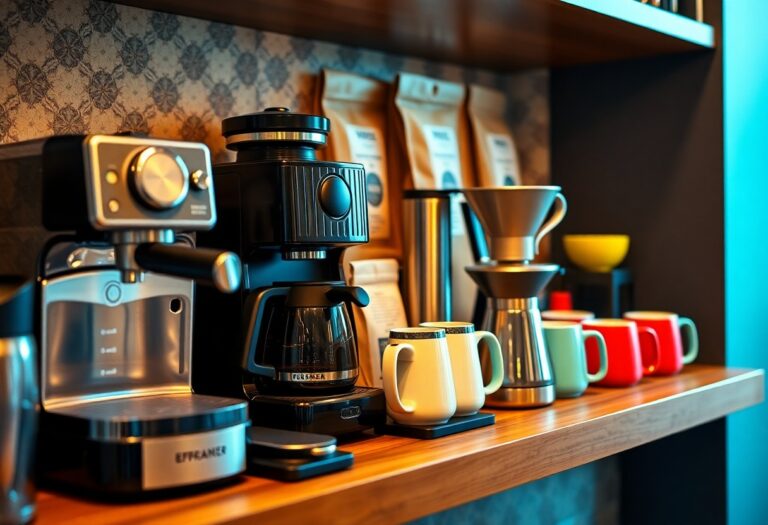
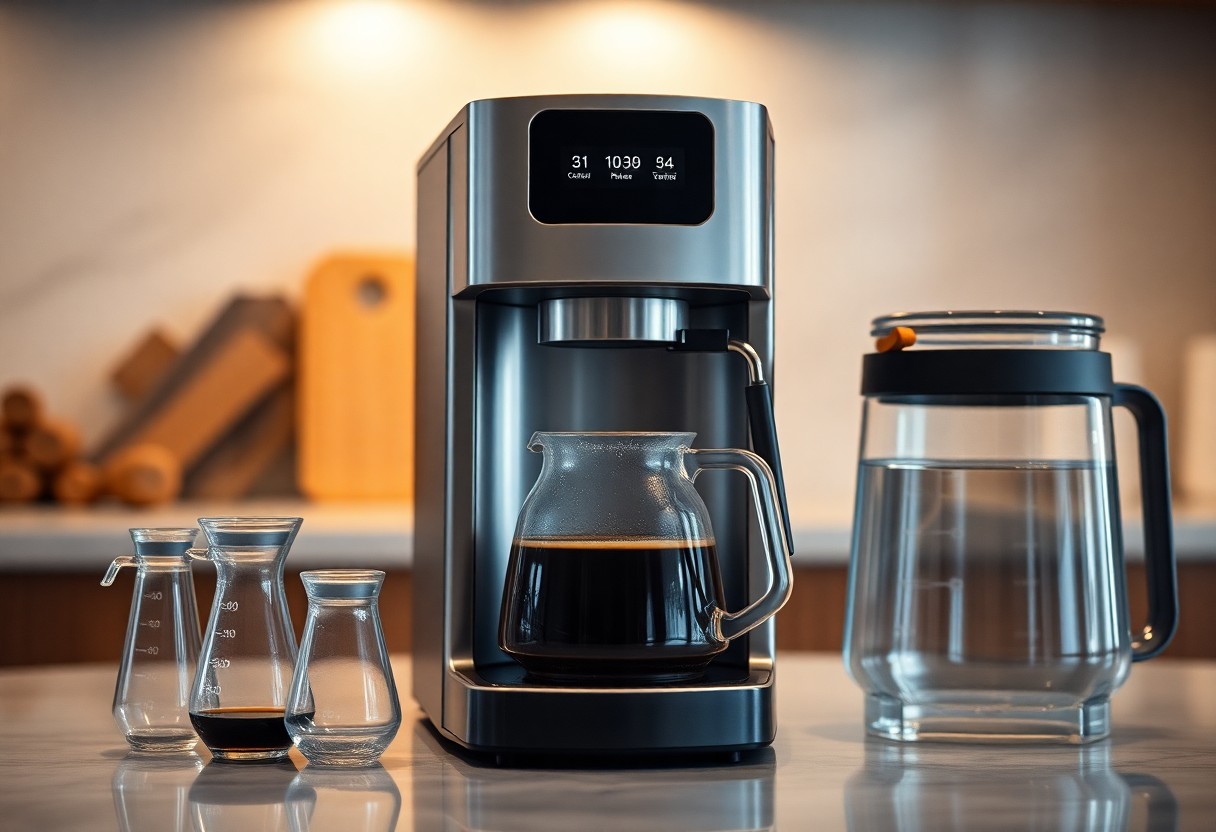
What is a Drip Coffee Machine – Gravity Brewing System

Many coffee enthusiasts seek the perfect brewing method, and the drip coffee machine utilizing a gravity brewing system offers a reliable solution for your daily caffeine fix. This machine operates by allowing hot water to flow over coffee grounds, extracting rich flavors as it drips down into your carafe. You’ll find that the simplicity of the process, combined with consistent results, makes it an ideal choice for busy mornings or relaxed afternoons. Understanding how this system works can help you elevate your coffee-making experience, ensuring you enjoy every sip.
Key Takeaways:
- A drip coffee machine uses a gravity brewing system to consistently brew coffee by pouring hot water over coffee grounds.
- The process typically involves heating water in a reservoir, which then drips over ground coffee in a filter, allowing brewed coffee to collect in a carafe below.
- Many models offer programmable features, such as auto-brew timers and adjustable brew strength, catering to individual preferences.
- Drip coffee machines are popular for their ease of use, making them ideal for both home and office settings.
- Maintenance usually involves regular cleaning of the carafe and brew basket, with some machines offering self-cleaning options for convenience.
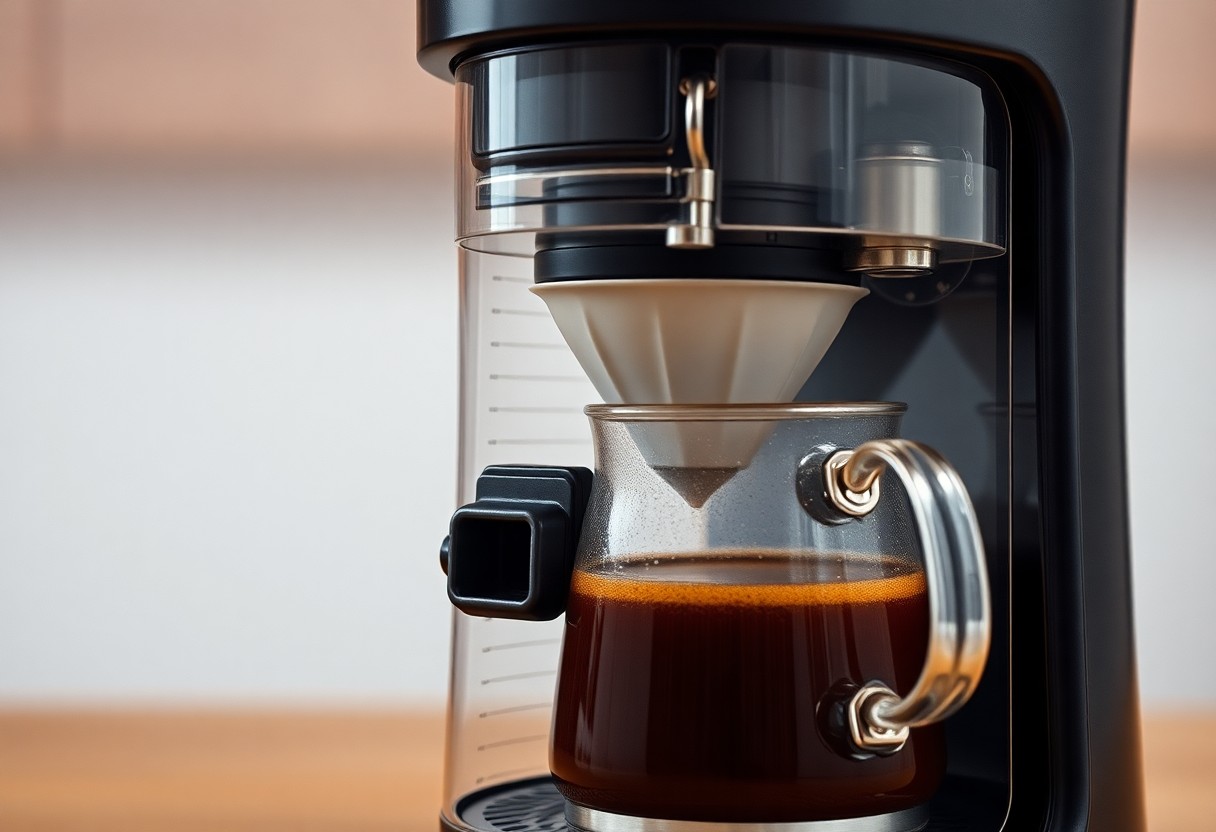
The Art of Gravity Brewing: How Drip Coffee Machines Work
The drip coffee machine embodies the essence of gravity brewing, where the fundamental concept relies on water cascading through coffee grounds, extracting flavors in the process. As water heats up in a reservoir, it travels through a tube and drips onto the coffee grounds, ensuring an even saturation and maximizing flavor extraction. This process not only delivers a consistently rich cup of coffee but also highlights the precision involved in coffee brewing.
The Mechanics of Extraction
Extraction in drip coffee machines relies on a delicate balance between water temperature, contact time, and grind size. Hot water must point to have an optimal temperature range of 195°F to 205°F for effective extraction. The design ensures water flows over the coffee grounds evenly, leveraging gravity to maximize flavor while minimizing bitterness.
Key Components and Their Roles
A drip coffee machine comprises several key components, each playing a vital role in the brewing process. The water reservoir, heating element, filter basket, and carafe work in harmony to produce your ideal cup of coffee. Understanding these components helps you appreciate how each element contributes to the final flavor profile.
The water reservoir holds the water that will be heated and brewed with your coffee grounds. The heating element is responsible for rapidly heating the water to the perfect brewing temperature, typically around 200°F. The filter basket contains ground coffee and allows brewed coffee to pass through while trapping the grounds. Finally, the carafe collects the brewed coffee, ready for your enjoyment. Each of these components must perform optimally to achieve that delicious cup, ensuring the brewing process is both efficient and effective.
Timing is Everything: The Coffee-Brewing Process
The timing during the brewing process directly influences the extraction of flavors from your coffee grounds. A well-timed brew cycle can enhance the richness and aroma while avoiding any undesirable bitterness. Optimal brew times range from four to six minutes, allowing for complete extraction of the coffee’s soluble compounds. Under-extraction results in a weak, sour taste, while over-extraction leads to bitterness, creating an unbalanced cup. Aim to master the brewing time to achieve that perfect balance in flavor.
Brew Time and Its Impact on Flavor
Each coffee bean requires a specific brew time to release its unique flavors effectively. Generally, drip coffee machines operate best within a brew time of 4 to 6 minutes. This duration allows the water to extract the oils, acids, and sugars present in the grind, imparting a fuller taste. Striking the right brew time can mean the difference between a vibrant cup and a flat one, so pay close attention to your brew habits for the best results.
Water Temperature and Brew Quality
The temperature of the water used in brewing drastically affects the final quality of your coffee. Optimal brewing temperature is typically between 195°F and 205°F. If the water is too hot, it can scorch the coffee, causing bitter flavors to develop. Conversely, water that is too cool may result in under-extraction, leading to a bland and weak brew. Aiming for the sweet spot within this temperature range maximizes flavor extraction and overall satisfaction.
Key Factors in Water Temperature
| Temperature Range | Optimal flavor extraction occurs between 195°F – 205°F |
| Cooling Effects | Allowing water to cool below 195°F will restrict flavor extraction. |
| Scorching Risks | Excessive heat (above 205°F) leads to bitterness and burnt flavors. |
Investing attention in both the timing of your brew and the water temperature is vital for achieving exceptional quality in your coffee. Too often, these two elements are overlooked, yet they serve as the foundation of a delightful cup. Balance and precision in these factors create a harmonious blend of aroma, taste, and body, ensuring every sip is a rewarding experience. Understand how you can tweak these elements to elevate your typical coffee ritual into something truly memorable.
Impacts of Brew Time and Temperature
| Brew Time | 4-6 minutes for optimal extraction; shorter may lead to sourness, longer may cause bitterness. |
| Water Temperature | Best between 195°F – 205°F; too hot or too cold will harm flavor. |
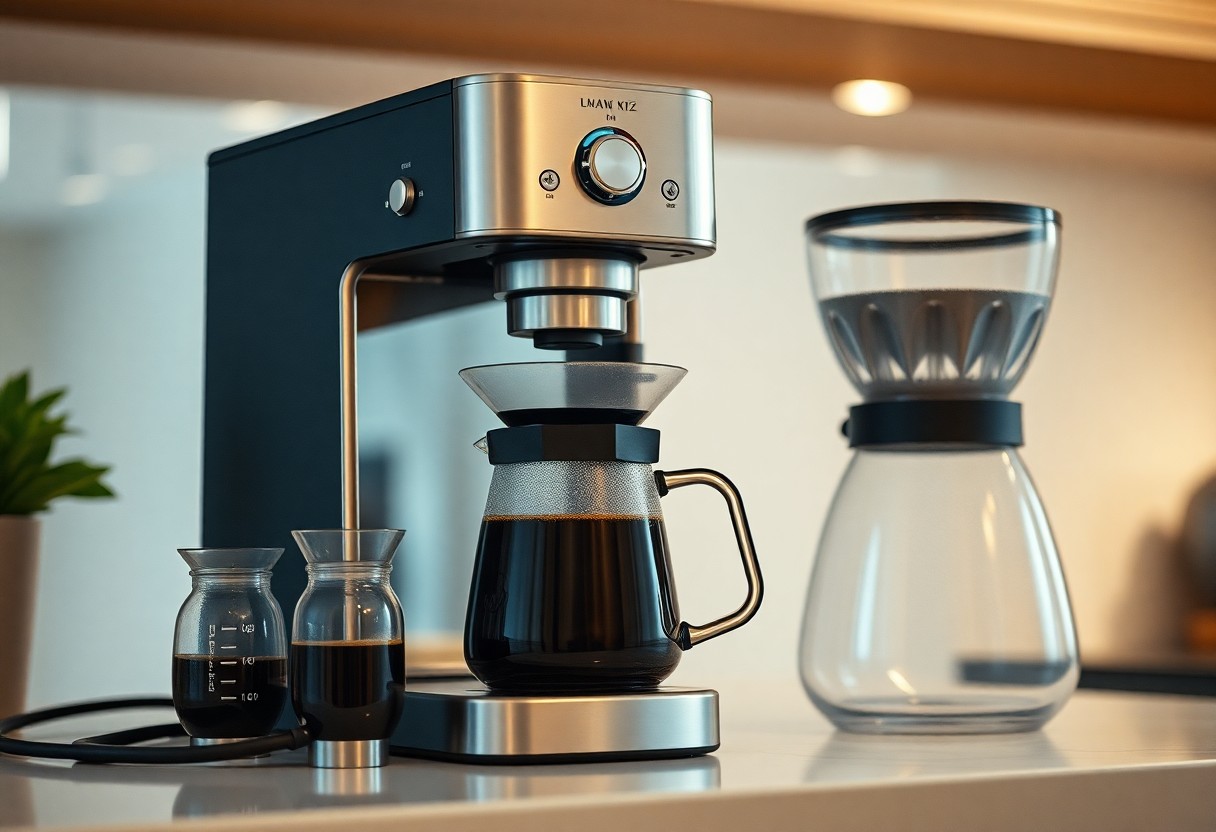
The Coffee-to-Water Ratio: Finding the Sweet Spot
Achieving the perfect brew involves more than just selecting your favorite coffee. The coffee-to-water ratio plays a pivotal role in extracting flavors and achieving that rich taste you desire. Generally, aiming for a ratio of about 1:15 to 1:18 (one part coffee to 15-18 parts water) works well for most drip coffee makers. However, small adjustments can significantly influence the richness and balance of your brew, allowing you to find your ideal flavor profile.
Understanding the Science of Measurements
Accurate measurements directly impact the brewing process, as they determine the extraction of soluble compounds from your coffee grounds. Using a scale can help ensure consistency from brew to brew. For instance, if you use 20 grams of coffee with 300 ml of water, this yields a roughly 1:15 ratio, which is perfect for extracting the optimal flavors without overwhelming bitterness.
Adjusting for Personal Preference
Tweaking your coffee-to-water ratio allows you to cater to your taste preferences. If you relish a more robust cup, increase your coffee amount; for a milder brew, simply reduce it. This flexibility means that whether you crave an intense espresso-like experience or a lighter, refreshing cup, you can modify the ratio to suit your mood and palette.
Adjusting for Personal Preference
Finding your preferred coffee strength can take some experimentation. You might start with the standard 1:15 ratio and then adjust based on your reactions to the taste. For example, if the coffee feels too weak, incrementally add more coffee—try increasing to a 1:14 ratio. Conversely, if it’s too strong, lean towards a 1:16 ratio. Taking notes on each adjustment can help track your perfect blend, ensuring that you have a personalized brew ready for every occasion.
The Evolution of the Drip Coffee Machine: Past to Present
The journey of the drip coffee machine has been marked by significant milestones reflecting changing consumer needs and technological advancements. Initially, simple coffee pots simmered on the stovetop, leading to the introduction of electric drip machines in the mid-20th century. These early models laid the groundwork for modern conveniences such as programmable settings and auto shut-off features. Now, you can find machines with sophisticated brewing modes, allowing you to customize everything from brew strength to temperature, showcasing how far the humble brew method has come over the decades.
From Basic to High-Tech: Innovations in Design
Modern drip coffee machines have evolved from their straightforward origins into high-tech companions in your kitchen. Innovations include features like built-in grinders, single-serve options, and touch-screen controls. Some machines even integrate smart technology, allowing you to start brewing remotely through an app on your smartphone. This seamless blend of functionality and style means you no longer have to compromise on aesthetics, with many machines boasting elegant designs that complement any kitchen décor.
The Role of Sustainability in Modern Machines
Sustainability is now a priority for manufacturers, with modern drip coffee machines designed to minimize waste and energy consumption. Brands are incorporating environmentally friendly materials and aiming for energy-efficient performance. For instance, many machines feature auto shut-off mechanisms, which significantly reduce power usage. Beyond design, some coffee makers utilize biodegradable or recyclable components, such as filters. Consumers are increasingly drawn to these machines, reflecting a broader shift towards eco-conscious living, making sustainability a key consideration in your purchasing decisions.
Your choice in a drip coffee machine can significantly impact the environment, especially considering the amount of waste generated through traditional brewing methods. Many brands have responded to this concern by prioritizing sustainability in their designs. For example, certain coffee makers use natural materials in their construction, while filters made from recycled paper or other sustainable sources help reduce landfill contributions. Additionally, machines designed for energy efficiency operate on less power, which not only cuts your energy bills but also lessens the overall carbon footprint associated with brewing coffee. By selecting such machines, you can enjoy great coffee while contributing positively to the planet.
Maintenance Matters: Ensuring Longevity of Your Drip Coffee Machine
Regular maintenance of your drip coffee machine significantly enhances its longevity and performance. Taking the time to understand what the ‘Strong Brew’ button on your coffee maker does can help optimize your brewing process, and adhering to a cleaning routine can prevent the buildup of mineral deposits and coffee residue that can affect flavor and function.
Regular Cleaning and Its Benefits
Cleaning your drip coffee machine regularly is key to maintaining its efficiency and the quality of your coffee. This practice removes oils and residue that can alter the taste of your brew over time, ensuring each cup delivers the fresh flavor you desire. Simply rinsing out the coffee pot isn’t sufficient; descaling with a mixture of vinegar and water or a commercial descaling solution helps keep your machine in top condition.
Troubleshooting Common Issues
Encountering issues with your drip coffee machine, such as a lack of brewing or slow flow, can be frustrating. Often, these problems stem from clogs in the water line or coffee grounds blocking the filter. Regular maintenance can mitigate these issues, but knowing some troubleshooting tips can save you time and hassle.
If your coffee isn’t brewing, check to ensure that the water reservoir is filled and properly seated. A slow brew could indicate a clogged filter or an excess of coffee grounds. Additionally, if your machine is making unusual noises, it may be worthwhile to inspect the components for blockages or leaks. Adjusting the grind size and monitoring the coffee-to-water ratio can also help prevent common issues from arising in the first place.
Final Words
On the whole, understanding the drip coffee machine—using a gravity brewing system—empowers you to appreciate the simplicity and efficiency of this popular coffee-making method. By mastering the basics, you can elevate your daily brew and tailor it to your taste. If you’re curious about more intricate brewing techniques, such as the siphon coffee maker, you might want to explore whether it’s a gimmick or worth the investment by checking out this [Siphon coffee maker, is it a gimmick or worth it?](https://www.reddit.com/r/Coffee/comments/c1jyl2/siphon_coffee_maker_is_it_a_gimmick_or_worth_it/) discussion.
FAQ about Drip Coffee Machine – Gravity Brewing System
Q: What is a drip coffee machine and how does it work?
A: A drip coffee machine, commonly known as a coffee maker, is a kitchen appliance that brews coffee by heating water and allowing it to flow through coffee grounds. In a gravity brewing system, water is heated in a reservoir and drips over coffee grounds placed in a filter. The brewed coffee then collects in a pot or carafe below. The process relies on gravity to pull the water through the coffee grounds, extracting flavor and aroma as it passes through the bed of coffee.
Q: What are the advantages of using a drip coffee machine?
A: Drip coffee machines offer several advantages, including simplicity of use, consistency in brewing, and the ability to make multiple cups at once. They are typically user-friendly, requiring minimal setup with just the addition of water and coffee grounds. Drip systems also maintain a stable brewing temperature for optimal extraction, resulting in a flavorful cup of coffee. Plus, many models come with programmable features that allow users to set brewing times, ensuring fresh coffee is ready when you wake up.
Q: Can I use any type of coffee ground in a drip coffee machine?
A: While you can use various types of coffee grounds in a drip coffee machine, it’s best to use medium grind coffee for optimal results. Coarser grounds may lead to under-extraction, while finer grounds can cause over-extraction, leading to bitterness. Many coffee enthusiasts recommend experimenting with different grinds to find the taste that suits you best, while keeping in mind that the grind size should be appropriate for the brewing method for the best flavor extraction.
Q: How do I maintain and clean my drip coffee machine?
A: Maintaining and cleaning your drip coffee machine is important for optimal performance and longevity. Regularly rinse out the carafe and filter basket after each use to prevent coffee residues from building up. Deep cleaning should be done every month or so by running a mixture of equal parts white vinegar and water through the machine, followed by a couple of cycles with fresh water to rinse. Additionally, check and clean any reusable filters and descale the machine if you notice mineral buildup.
Q: Can I brew tea or other beverages with a drip coffee machine?
A: Yes, you can brew tea and other beverages using a drip coffee machine! To brew tea, place tea bags or loose tea in the filter basket and run the machine as you would for coffee. Just keep in mind that using coffee grounds or flavored coffee in a machine may leave a residual taste in the brew basket, which could affect the flavor of tea brewed afterward. For other beverages, ensure that the filter used is suitable for the particular drink and adjust the brewing time according to the desired strength.