What is a Frother on a Coffee Machine – Milk Steaming Feature

Just like a magical wand for your coffee, a frother transforms ordinary milk into a creamy delight, elevating your beverage experience. This necessary milk steaming feature not only adds a luxurious texture to your lattes and cappuccinos but also enhances the flavors to make your drinks irresistibly inviting. Proper use of the frother can lead to impressive homemade coffees, while misuse can result in overly hot, burnt, or foamy milk. Understanding how to harness this tool will empower you to craft café-quality beverages right in your own kitchen.
Key Takeaways:
- A frother is a device on coffee machines designed to aerate milk, creating a creamy texture and frothy milk for beverages like lattes and cappuccinos.
- Frothing is achieved by introducing steam or air into the milk, which increases its volume and enhances flavor through temperature and texture changes.
- Some coffee machines have built-in frothers, while others may offer standalone models or attachments that can be used with various espresso machines.
- The quality of froth can vary depending on the type of milk used; whole milk typically produces the richest foam, while alternatives like almond or oat milk may froth differently.
- Proper frothing technique, such as the angle of the steam wand and the milk’s initial temperature, plays a significant role in achieving the desired froth consistency.
The Mechanics of Milk Frothing
The art of creating frothy milk involves several mechanics that ensure you get that rich, creamy texture perfect for lattes and cappuccinos. A frother operates using a combination of aeration and emulsification, introducing air into the milk while simultaneously heating it to the ideal temperature. This process transforms ordinary milk into a velvety foam, enhancing your coffee experience and providing that sought-after café-style touch. Understanding the underlying mechanics can help you achieve perfectly frothed milk every time.
How Frothers Create Foam
Frothers create foam by forcing air into the milk while it’s being heated. As the whisk or steam wand moves through the liquid, it disrupts the surface and incorporates microscopic air bubbles, which latch onto the proteins in the milk. This action creates a stable foam structure, necessary for the luxurious texture you desire in your coffee drinks. The quicker and more vigorously this process occurs, the denser and creamier the foam will be.
The Role of Temperature and Pressure
Temperature and pressure play vital roles in the quality of the milk froth. For instance, milk should be heated to a range between 140°F and 160°F. If the temperature exceeds this range, milk can scorch, ruining the flavor and texture. Pressure, particularly with steam wands, helps introduce more air into the milk effectively. Stronger steam pressure can produce froth quicker but requires practice to avoid over-frothing.
| Ideal Temperature | 140°F to 160°F |
| Steam Pressure | Higher pressure introduces more air |
Maintaining the right temperature and pressure during frothing affects not just the taste but also the visual appeal of your beverage. If you froth your milk too hot, the flavor becomes burnt and bitter. On the flip side, low pressure can result in weak foam that dissipates quickly. Keeping these elements in check leads to stable foam that holds its shape and enhances the overall drinking experience.
| Too Hot | Burnt, bitter taste |
| Low Pressure | Weak, dissipating foam |
Exploring Frother Varieties
Frothers come in various forms, catering to different preferences and needs. On one hand, you have manual frothers, which require hands-on operation and are often favored by those who enjoy the tactile aspect of frothing. On the other hand, automatic frothers offer convenience, allowing you to achieve perfectly steamed milk at the push of a button. Your choice will depend on how involved you want to be in the frothing process and the amount of time you’re willing to spend on it.
Manual vs. Automatic Frothers
manual frothers demand a bit more skill and effort, often using a plunger mechanism or a handheld device to aerate the milk. You can control the frothing process, making it easier to customize the milk texture to your liking. Conversely, automatic frothers take care of the hard work for you, using integrated technology to steam milk at a consistent temperature, resulting in rich, creamy froth with minimal effort.
Integrated Frothers in Espresso Machines
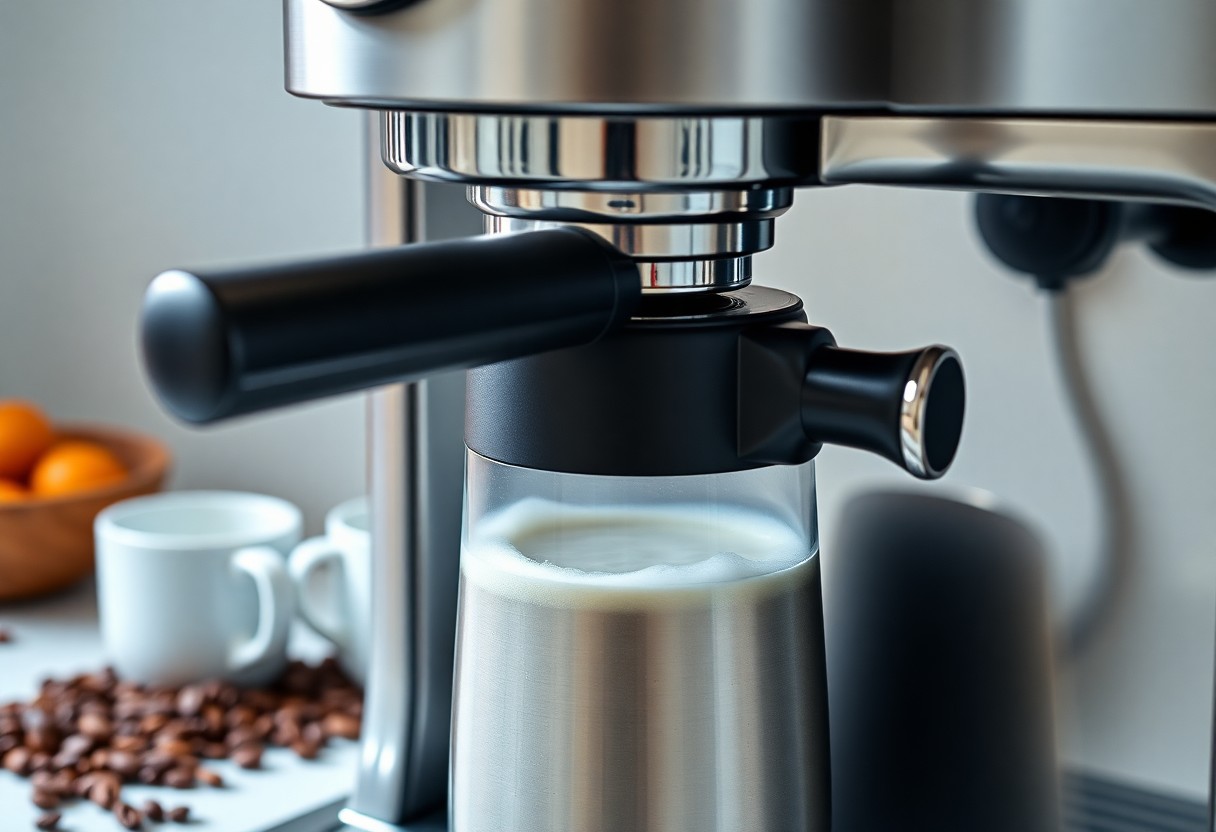
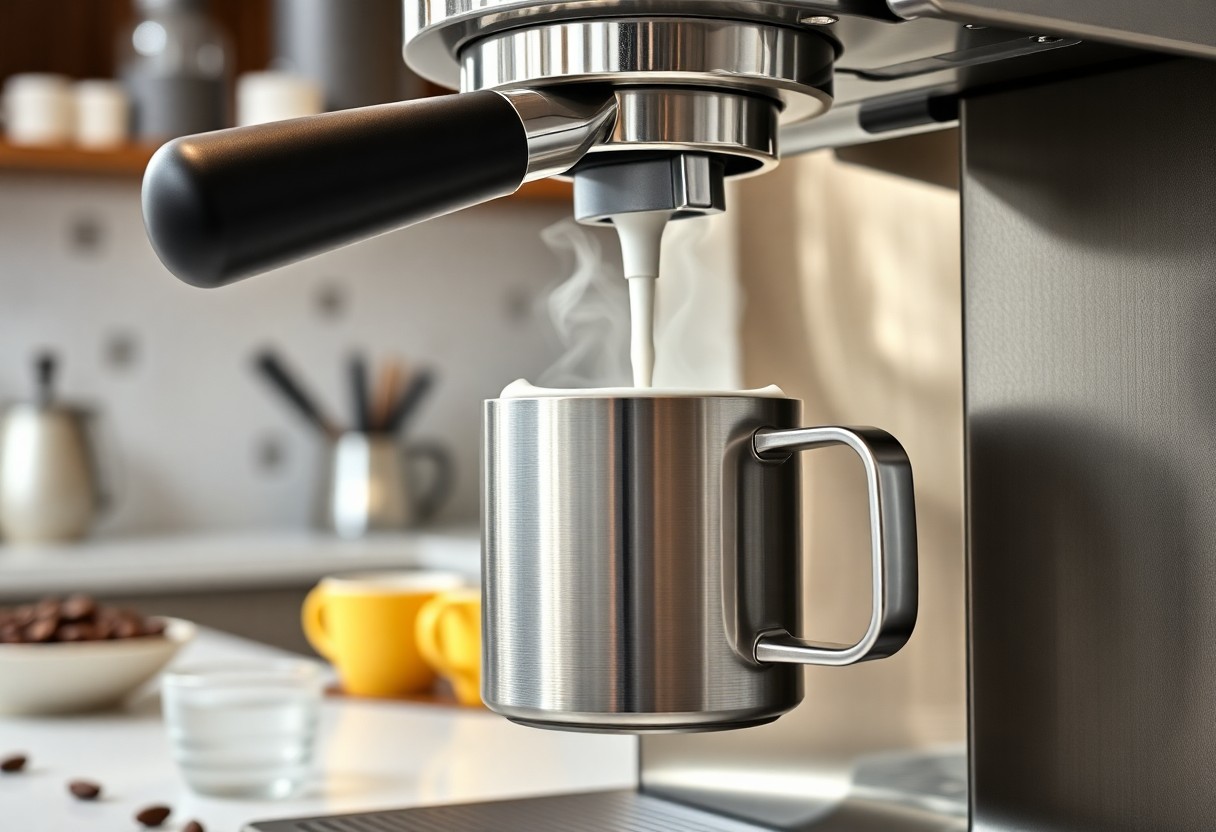
Integrated frothers are typically built into espresso machines, offering a seamless experience for making coffee beverages. With just one device, you can brew shots of espresso and create foamy milk. These frothers often include steam wands, which heat and aerate the milk directly from the machine’s boiler. You gain better control over milk temperature and texture, enabling you to craft lattes or cappuccinos just as you’d find in a café.
Integrated frothers maximize convenience and efficiency in your coffee-making routine. They often feature adjustable steam pressure settings, allowing you to fine-tune your froth according to your personal preference. Some advanced models even offer various milk textures, ensuring you can whip up everything from velvety microfoam to airy, bubble-filled froth. This versatility enhances your home coffee experience, putting professional-quality results at your fingertips without the need for multiple devices.
The Art and Science of Milk Texturing
Creating the perfect coffee beverage involves more than just brewing; it requires mastering the art of milk texturing. This process transforms regular milk into creamy foam that enhances the flavor and presentation of your drink. Balancing temperature and air incorporation is necessary for achieving that plush texture, which complements the rich espresso. You’ll want to perfect your techniques, as smooth microfoam adds velvety richness, while a thicker macrofoam can be great for topping off drinks.
Microfoam vs. Macrofoam: Understanding Consistency
When considering frothing milk, understanding the distinction between microfoam and macrofoam is key. Microfoam features tiny, uniform bubbles that create a silky texture, ideal for lattes and flat whites, while macrofoam contains larger bubbles, lending a foamier consistency suitable for cappuccinos. The approach you take for steaming will dramatically influence your overall coffee experience, making it important for you to grasp these differences in texture.
The Impact of Different Milk Types on Frothing
The type of milk you choose plays a significant role in the frothing process. Whole milk delivers a rich microfoam due to its higher fat content, while skim milk creates a frothier, albeit less creamy texture. Alternatives like oat, almond, and soy milk froth differently and can require specific techniques. Experimenting with various milk types can yield a variety of textures and flavors that elevate your coffee experience. You may discover your preferred combination through practice.
| Milk Type | Frothing Characteristics |
|---|---|
| Whole Milk | Rich microfoam |
| Skim Milk | Light, airy froth |
| Oat Milk | Creamy texture |
| Almond Milk | Foamy, less stable |
| Soy Milk | Variable results based on brand |
- Whole milk creates a rich froth, ideal for lattes.
- Skim milk produces a light and airy foam, great for cappuccinos.
- Oat milk offers a creamy texture that froths well.
- Almond milk yields a foam that’s less stable.
- Soy milk can vary in frothing quality depending on the brand.
This knowledge allows you to refine your frothing technique, tailoring your coffee to suit your taste preferences, ensuring a delightful and satisfying beverage each time. Understanding the dynamics of how different milk types interact with your frother empowers you to serve exceptional drinks consistently.
| Observation | Application |
|---|---|
| Whole Milk | Perfect for a smooth latte |
| Skim Milk | Best for a cappuccino |
| Oat Milk | Great addition for flavor |
| Almond Milk | Unique nutty flavor |
| Soy Milk | Check for frothing capability |
- Observing how milk types froth can lead to refined techniques.
- Application of specific methods can enhance drink quality.
- Experimentation with milk types expands your coffee repertoire.
- Understanding milk characteristics leads to better results.
- Perfecting your frothing approach guarantees great coffee.
This deep understanding of milk texturing not only enriches your coffee knowledge but also elevates your brewing skills, helping you create café-quality beverages right at home.
Enhancing Your Coffee Experience
Utilizing a frother to its full potential can significantly elevate your coffee experience. With the right technique, you can create rich textures and flavors that transform a standard cup into a barista-level treat. Whether you prefer a velvety foam atop your espresso or an enticing swirl of flavored milk, the frother allows you to customize each beverage to match your taste. By mastering frothing techniques, you not only create appealing drinks but also engage in a sensory journey with every cup.
Creative Uses Beyond Lattes: Flavored Froths
Don’t limit your frother to just lattes; get creative and try flavored froths for a delightful twist to your beverages. Add vanilla, caramel, or even matcha powder to your milk before frothing to create deliciously varied drinks. This technique doesn’t just add flavor; it enhances the overall presentation with inviting colors and textures that impress. Make your morning or afternoon pick-me-up exciting by experimenting with different flavors that suit your cravings. The possibilities are endless!
Pairing Frother Technique with Coffee Types
Choosing the right frothing technique to match various coffee types is necessary for achieving the ideal beverage. For robust espresso, use a dense microfoam which complements the strong flavors. If you’re having a milder brew like a pour-over, a light froth allows the coffee’s subtle notes to shine through. Additionally, when crafting beverages like flat whites or cappuccinos, adjusting the milk volume and texture ensures a balanced experience that suits your preferences. Match your frothing style to the type of coffee for the best results.
| Coffee Type | Frother Technique |
|---|---|
| Espresso | Dense microfoam for creaminess |
| Pour-over | Light froth to enhance subtle notes |
| Cappuccino | Wet microfoam for balance |
| Flat White | Silky microfoam for texture |
| Cold Brew | Fluffed milk for refreshing drinks |
When pairing frother techniques with coffee types, consider the flavor profiles and your goals for texture and body. For an espresso shot, dense microfoam adds a creamy layer, enriching its deep flavor. If enjoying a medium roast like a pour-over, opt for a lighter froth to allow the coffee’s natural sweetness to arise. For beverages that require both milk and coffee to shine, like cappuccinos, use wet microfoam to complement the drink’s structure without overpowering the coffee’s taste. Adapt your frothing style according to the specific characteristics of the coffee for a harmonious experience. This ensures each cup delivers maximum pleasure!
- Frothing techniques enhance milk textures.
- Flavoring your froth opens new possibilities.
- Pairing techniques with coffee types maximizes flavor.
- Experimenting leads to unique beverages.
- This results in a superior coffee experience.

Expert Tips for Perfect Frothing
To achieve that café-quality froth at home, follow these expert tips:
- Experiment with different types of milk; whole milk creates a creamier foam while non-dairy options can also work well.
- Use fresh milk, as older milk can spoil and affect the texture and taste.
- Heat the milk to the ideal temperature of around 150°F for best results, avoiding boiling which can ruin the flavor.
- Invest in a quality frother that suits your needs, whether it’s a steam wand or an electric frother.
This combination of techniques and tools will elevate your frothing game.
Common Mistakes and How to Avoid Them
One common mistake is overheating the milk, which can lead to scalding and a bitter taste. Always use a thermometer to monitor the temperature and ensure you’re within the ideal range. Additionally, not allowing air to integrate properly during frothing can produce a lackluster foam. Focus on the angle of your frothing wand and the position of the milk pitcher to encourage optimal aeration.
Maintenance and Cleaning for Longevity
Regular cleaning of your frother is important to ensure superior performance and longevity. After each use, rinse the frothing wand and nozzle immediately to prevent milk residue from sticking and hardening. Using warm water and a gentle soap can help maintain the equipment’s quality.
Beyond immediate cleaning, deeper maintenance is vital for the health of your frother. Weekly inspections should include disassembling any removable parts and soaking them in warm, soapy water. Scrubbing away any remnants will prevent clogs and operational issues. Additionally, running vinegar or descaling solutions through the steam wand every month helps maintain its integrity, ensuring that you achieve velvety froth every time you brew.
Conclusion
As a reminder, a frother on a coffee machine is an necessary tool for enhancing your coffee experience by creating velvety, steamed milk for beverages like lattes and cappuccinos. By understanding how to utilize this feature, you can elevate your coffee-making skills at home, allowing you to enjoy café-quality drinks anytime. Whether you choose a manual or automatic frother, mastering the milk steaming process can bring a delightful twist to your daily coffee routine, making it both enjoyable and satisfying.
FAQ
Q: What is a frother on a coffee machine?
A: A frother on a coffee machine is a feature that helps in creating frothed milk, which can enhance various coffee beverages. This device aerates the milk, introducing tiny bubbles, resulting in a creamy and textured foam suitable for lattes, cappuccinos, and macchiatos.
Q: How does a milk frother work?
A: A milk frother works by rapidly agitating milk, either through steam or mechanical means. Steam wands heat the milk while adding air, creating a velvety microfoam. Electric frothers use whisks or paddle mechanisms to create froth without the aid of steam, often allowing for quick and easy preparation.
Q: What types of frothers are available in coffee machines?
A: In coffee machines, frothers typically come in two types: steam wands and automatic frothing systems. Steam wands require manual operation and control over steam pressure, while automatic frothers heat and froth the milk with minimal user involvement, making them convenient and user-friendly for home baristas.
Q: Can I froth non-dairy milk using a frother?
A: Yes, many frothers can froth non-dairy milk such as almond, soy, oat, or coconut milk. However, the frothing results can depend on the type of non-dairy milk used, as some varieties may not froth as well as traditional dairy milk. Look for brands labeled as “barista style,” as they are often formulated for better frothing results.
Q: Are there maintenance tips for keeping a frother in good condition?
A: To maintain a frother, it’s important to clean it after every use. For steam wands, wipe them down and purge to remove milk residue. For automatic frothers, disassemble and wash all removable parts according to the manufacturer’s instructions. Regular cleaning helps prevent milk buildup, ensuring optimal performance and longevity of the frothing feature.