What is a Semi-Automatic Coffee Machine – Manual Control Features

Coffee enthusiasts often seek the perfect brew, and a semi-automatic coffee machine can be your best ally in achieving this goal. With manual control features, you have the power to fine-tune your coffee-making experience, allowing for a customized extraction process that suits your palate. This type of machine bridges the gap between convenience and craftsmanship, giving you the ability to adjust water temperature, pressure, and timing. By mastering these settings, you can elevate your coffee to new heights and discover a rewarding journey in the world of coffee brewing.

Key Takeaways:
- Semi-automatic coffee machines require user input for brewing parameters, allowing for personalized extraction and flavor control.
- Baristas can control the grind size, tamping pressure, and water temperature, making it possible to fine-tune each cup of coffee.
- The user is responsible for starting and stopping the brew process, offering an engaging and hands-on experience.
- These machines often include features such as steam wands for milk frothing, enhancing versatility in beverage creation.
- Learning to use a semi-automatic machine effectively can enhance one’s coffee brewing skills and appreciation for coffee craftsmanship.

The Anatomy of a Semi-Automatic Coffee Machine
A semi-automatic coffee machine combines state-of-the-art features with a touch of traditional coffee-making techniques. This hybrid approach gives you control over the brewing process while still incorporating automated elements for consistency. With various components working in harmony, this machine allows you to express your coffee-making skills and preferences.
Key Components and Their Functions
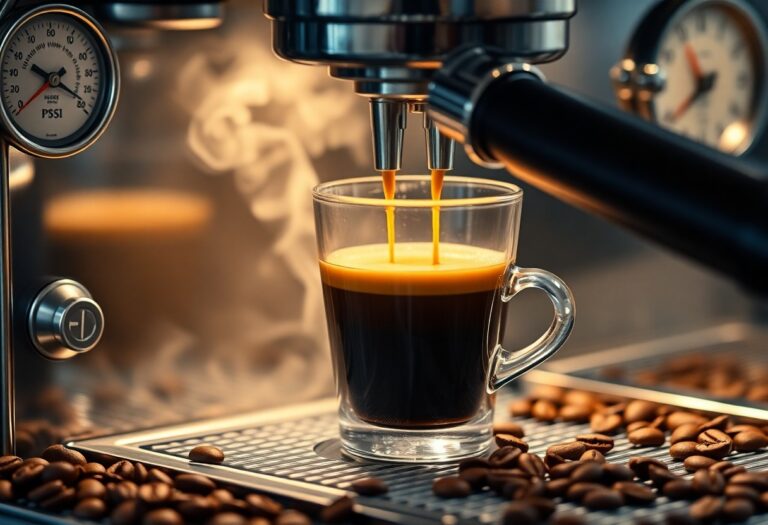
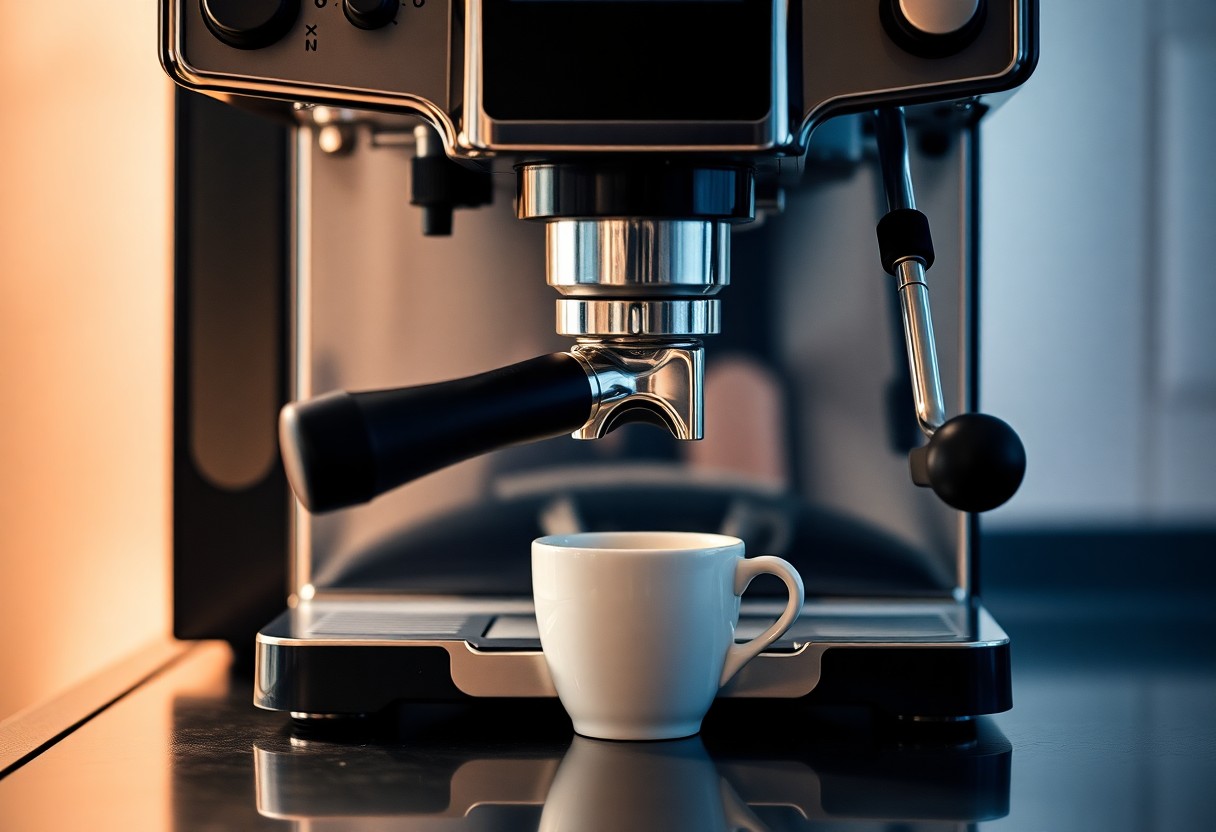
Each component of a semi-automatic coffee machine plays a specific role in the brewing process. The boiler heats the water to the optimal brewing temperature, while the pump generates pressure to extract flavors from the coffee grounds. The portafilter holds the coffee and attaches to the machine, allowing for manual control over the extraction time, and the group head distributes hot water evenly across the coffee grounds, ensuring a balanced brew.
The Role of Manual Controls
Manual controls are what set semi-automatic machines apart from fully automated counterparts. With the ability to adjust variables like water temperature, pressure, and brewing time, you receive a more personalized coffee experience. This hands-on approach allows you to experiment with different coffee beans, grind sizes, and extraction methods to discover your perfect cup.
The power of manual controls lies in their ability to fine-tune your brewing process, emphasizing the unique qualities of different coffees. For example, creating a rich espresso may involve adjusting the brewing time to allow for optimal flavor extraction, which can significantly impact the final taste. A subtle tweak in pressure can bring out different notes, or using a specific grind size can alter the body and aroma of your drink. This versatility not only enhances your skills as a barista but also transforms your routine coffee-making into an artful experience.
Precision Brewing: The Power of Manual Control
With a semi-automatic machine, you have complete mastery over the brewing process, allowing for precision that can enhance your coffee’s flavor profile. You can fine-tune every element from grind size to water flow, providing you the opportunity to achieve the exact taste you’re aiming for. This level of control means you can experiment with different variables and discover the perfect espresso shot tailored to your personal preference.
Exploring Grind Size and Coffee-to-Water Ratio
The grind size of your coffee beans significantly impacts the extraction process. Finer grinds extract faster and yield bolder flavors, while coarser grinds lead to milder brews. Paired with the right coffee-to-water ratio, typically around 1:2 for espresso, you can unlock complex nuances in your coffee. Adjusting these variables allows you to achieve optimal extraction, impacting both aroma and taste.
Temperature Control: The Science of Extraction
Temperature plays a pivotal role in coffee extraction. Optimal brewing temperatures range from 195°F to 205°F, effectively dissolving soluble compounds and oils. If your water is too hot, you risk over-extraction, creating bitter flavors, while too cool water may lead to under-extraction, resulting in sour notes. Accidental variations in temperature can greatly affect your final cup, making precise control imperative.
| Optimal Temperature Range | 195°F to 205°F |
| Effects of Too Hot Water | Over-extraction leading to bitterness |
| Effects of Too Cool Water | Under-extraction leading to sourness |
Fine-tuning temperature involves monitoring your machine’s heat stability and making adjustments as needed. A variable temperature setting not only aids in achieving your preferred coffee flavor but also allows you to experiment with different coffee types and origins. The science of extraction ensures that your coffee delivers a balanced profile, highlighting the distinct characteristics of the beans used.
| Manual Thermometers | Useful for precise temperature checks |
| PID Controllers | Automates temperature regulation |
Navigating Flavor Profiles: How Manual Adjustments Matter
Your coffee experience hinges significantly on the nuances of flavor, influenced by the manual adjustments available in a semi-automatic machine. Through skillful control of various elements, brew enthusiasts can tailor each cup to highlight specific notes, achieving a complex, satisfying brew. It’s this fine-tuning that allows you to navigate the expansive world of flavors, ensuring every sip speaks to your palate.
Impact of Brew Time on Taste
Altering brew time directly impacts extraction, which in turn affects the overall taste of your coffee. Shorter brew times often yield brighter, more acidic flavors, while extended periods can bring out bolder, richer characteristics. Experimenting with these variables allows you to uncover the delicate balance that caters to your unique taste preferences.
Customizing Your Brew for Personal Preference
Choosing the perfect brew method involves understanding how various factors interact to create your ideal cup. Adjusting variables such as grind size, water temperature, and even the pressure applied during extraction enhances your coffee experience. You can emphasize the caramel notes in your beans or tone down acidity with just a few tweaks in your setup, enabling you to explore and develop your distinct flavor profile.
Finding your perfect brew may take time and experimentation, but the journey is rewarding. Consider starting with a specific bean origin noted for its fruity or floral attributes. Adjust the grind size to a finer setting to increase surface area and extraction, then play with shorter and longer brew times within a bracket of 20-30 seconds. By adjusting the water temperature as well—keeping it between 195°F and 205°F—you can turn an average coffee experience into a full-bodied, flavorful cup that resonates with your personal taste. Inviting friends to taste-test alongside can also refine your process, as their feedback will help you hone in on your preferences even further.
Beyond Convenience: The Craftsmanship of Coffee Making
Embracing a semi-automatic coffee machine enriches your journey as a coffee enthusiast by allowing for a blend of technology and hands-on craftsmanship. Each cup crafted isn’t just a beverage; it’s a product of skills and techniques that celebrate coffee’s potential. As you navigate through the nuances, you might find yourself pondering the challenges of Manual vs. Automatic vs. Super Auto; It’s Gotten Complicated! Choosing a semi-automatic machine often results in a richer, more personal experience, connecting you to the artistry of coffee brewing.
The Artisan Approach to Coffee Brewing
Coffee brewing becomes an art form with a semi-automatic machine, where your hands are the tools of precision. You learn to read the coffee, adjusting grind size, temperature, and extraction time to coax out different flavor notes. Relying on your intuition and senses, the result is a cup that reflects your personal touch, showcasing how artisanal methods elevate the everyday brew.
Discovering the Joy of Manual Brewing Rituals
The ritual of brewing coffee manually brings a meditative element that enhances your appreciation for the drink. You engage all your senses: your hands feel the warmth of the kettle, your nose catches the rich aroma of freshly ground beans, and your eyes witness the transformation as water flows through the coffee grounds. Each step offers a moment for reflection and satisfaction, making coffee brewing an experience rather than a task. This hands-on engagement not only improves your skills but also creates memories and stories behind each cup.
The Learning Curve: From Casual Drinkers to Coffee Connoisseurs
Transitioning from a casual coffee drinker to a true connoisseur involves a delightful journey of experimentation and education. You’ll discover nuances in flavor, learn to appreciate the impact of grind size, water temperature, and extraction time on your brew. Engaging deeply with coffee elevates the experience and can transform a routine habit into a passionate hobby. For more insights on the coffee-making process, research into the Understanding Espresso Machines: Manual, Semi-, and Super-Automatic guide to broaden your knowledge.
Developing Skills Through Hands-On Experience
Your journey to mastery begins with hands-on experience, where each brew teaches you something new. Regularly experimenting with grind size, tamping pressure, and brewing time will sharpen your skills and deepen your understanding of coffee extraction. You might find that adjusting the coarseness of your coffee beans produces drastically different flavors, showcasing the importance of diligence in refining your technique.
Common Challenges and How to Overcome Them
Many coffee enthusiasts encounter obstacles, such as inconsistent flavors, under-extraction, or over-extraction. These challenges can be disheartening, but they provide an necessary learning opportunity. By closely monitoring variables and adapting your brewing technique, you can troubleshoot and achieve a better cup every time. Embracing these challenges fosters resilience and solidifies your expertise.
Inconsistent flavor profiles often stem from minor adjustments that can be easily overlooked. When dialing in your espresso, consider adjusting the grind size incrementally and noting its effect on the taste. If you’re facing under-extraction, you might need to adjust the time spent in contact with water, or if it’s over-extraction, try refining your tamping technique. Consistency comes from repeated practice, and keeping a brewing journal can aid in tracking your progress while making adjustments. Celebrate small wins along the way, and before long, you’ll find yourself brewing coffee with the confidence and precision of a seasoned barista.
Summing up
Drawing together the insights on semi-automatic coffee machines, you now understand that their manual control features grant you significant influence over the brewing process. This allows you to adjust factors such as grind size, brewing time, and water temperature, tailoring each cup to your preference. By mastering these controls, you elevate your coffee-making experience, transforming the daily ritual into an artisanal craft. Embrace the art of personalization in your brews and enjoy the deeper connection to your coffee that a semi-automatic machine provides.
FAQ
Q: What is a semi-automatic coffee machine?
A: A semi-automatic coffee machine is a type of espresso maker that allows the user to control the extraction process manually while still automating certain functions, such as the brewing temperature and pressure. This gives users more control over the final taste of the coffee, allowing for personal customization while still benefiting from some automated features.
Q: What manual control features can I expect in a semi-automatic coffee machine?
A: Semi-automatic coffee machines typically feature manual controls for grinding, tamping, and extracting espresso. Users are responsible for how much coffee they use, how they grind it, and how tightly they tamp it into the portafilter. The machine then automates the brewing process, allowing users to stop the extraction when they choose, which impacts the flavor and strength of the coffee.
Q: How does manual control affect the coffee-making process?
A: Manual control allows the user to experiment with various grind sizes, dosing amounts, and extraction times. This flexibility can lead to different flavor profiles and coffee strengths. By adjusting these parameters, users can cultivate their preferred taste and enhance their barista skills, resulting in a coffee experience that can be tailored to individual preferences.
Q: Do I need any special skills to operate a semi-automatic coffee machine?
A: While semi-automatic machines offer greater control, they also require some basic skills and knowledge about coffee brewing. Users need to learn how to properly grind coffee beans, tamp them, and time the extraction. However, many users find this process rewarding and educational, and mastery comes with practice and patience.
Q: Can I achieve consistent results with a semi-automatic coffee machine?
A: Achieving consistency with a semi-automatic coffee machine is possible but depends on the user’s knowledge and skill level. Factors like grind size, coffee dose, tamping pressure, and extraction time all affect the final product. As users become more familiar with their machine and the coffee-making process, they can develop techniques that lead to more consistent results in their coffee brewing endeavors.