
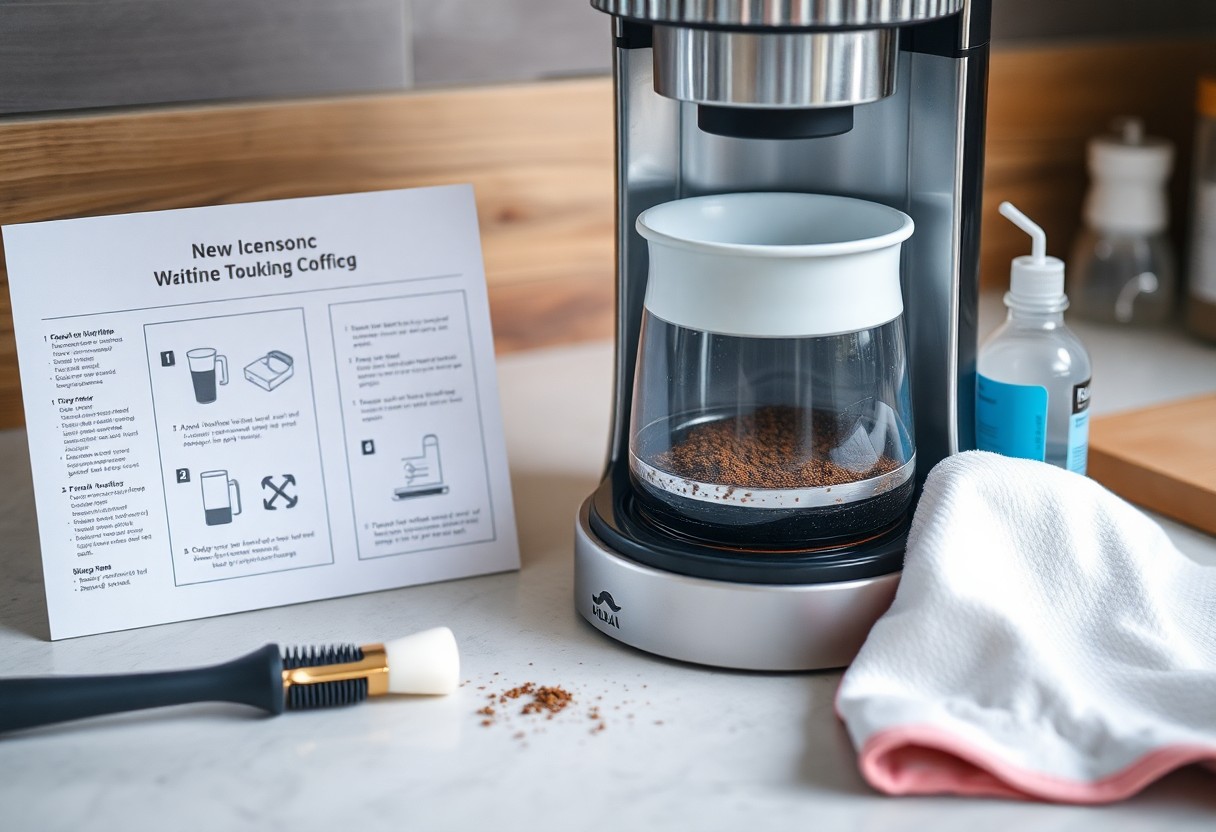
How to Unclog a Coffee Machine – Troubleshooting Guide

Most coffee enthusiasts experience a clogged coffee machine at some point, but fortunately, addressing the issue can be simple and safe. In this guide, you will learn effective and safe methods to identify and clear blockages in your coffee maker, ensuring a smooth brewing experience. By following these steps, you can maintain your appliance’s performance and enjoy delicious coffee without interruption. Let’s probe the troubleshooting process and get your coffee machine back in action.
Key Takeaways:
- Regularly descaling your coffee machine can prevent mineral buildup and enhance performance.
- Check and clean the water reservoir and filters to ensure proper water flow.
- Run a cycle with vinegar or a dedicated descaling solution for effective cleaning.
- Inspect the brewing chamber for any coffee grounds or debris that may be obstructing the flow.
- Refer to your coffee machine’s manual for specific troubleshooting steps tailored to your model.
Identifying the Symptoms of a Clogged Coffee Machine
Recognizing the symptoms of a clogged coffee machine early can save you from a frustrating brewing experience. A sudden change in your coffee’s taste, unusually slow brewing times, or even unexpected noises during the brewing cycle are all signs that your machine may be struggling. Pay close attention to any alterations in performance or flavor, as these can indicate varying levels of buildup within the machine.
Common Indicators You’re Experiencing Clogging
Several warning signs can indicate a clogged coffee machine. If you notice your coffee brewing takes significantly longer than usual, or if the flow seems uneven, this suggests a blockage. Additionally, if your coffee tastes bitter or lacks richness, it often stems from residual grounds or mineral buildup interfering with the extraction process.
Understanding the Impacts of Clogging on Coffee Quality
A clogged machine negatively impacts both the flavor and aroma of your coffee. Clogging restricts proper water flow, leading to incomplete extraction, which can leave your coffee tasting weak or overly bitter. You may also experience uneven brewing, with some coffee grounds being overly extracted while others remain under-extracted. This imbalance touches every part of your morning routine, leaving you with a cup that doesn’t meet your expectations.
When a coffee machine is clogged, the risk of over-extraction becomes significant. Over-extracted coffee can have pronounced bitter notes, while under-extracted coffee will lack body and depth, resulting in a flat taste. Furthermore, a clogged filter or pathway can trap oils and residues that lead to off-flavors, negatively affecting your overall coffee experience. Regular maintenance helps ensure that your coffee retains its intended flavor profile and that you enjoy the perfect brew every time.
The Tools You’ll Need for Unclogging
To effectively tackle a clogged coffee machine, gathering the right tools is vital. These tools will enable you to clean and troubleshoot various components of your machine, ensuring it functions optimally again. From cleaning supplies to potential advanced troubleshooting tools, having everything ready will expedite the process and enhance your coffee-making experience.
Essential Cleaning Supplies
Gathering vital cleaning supplies will set the foundation for your unclogging endeavor. You’ll need a few key items that focus on removing mineral buildup and residue. Many of these supplies can be found at your local store or online, making them readily accessible for your coffee machine maintenance.
| Supply | Purpose |
|---|---|
| Descaling Solution | Removes mineral buildup |
| Vinegar | Natural descaling agent |
| Microfiber Cloth | Cleans external surfaces |
| Water | Used for rinsing and dilution |
Optional Tools for Advanced Troubleshooting
If standard cleaning supplies don’t resolve the issue, you may consider optional tools for advanced troubleshooting. These tools can assist in assessing deeper mechanical problems or help with disassembly if your coffee machine has stubborn clogs. Utilizing these can help you get to the root of the problem without overhauling your entire machine.
| Tool | Use |
|---|---|
| Screwdriver Set | Disassemble parts for thorough cleaning |
| Needle or Pin | Clear small blockages in nozzles |
| Air Blower | Blow out any particles from crevices |
| Cotton Swabs | Reach and clean tight spaces |
For example, using a needle or pin can be particularly effective for clearing clogs in small nozzles that hold back water. Additionally, a screwdriver set allows for the careful disassembly of certain parts which can harbor clogs. This advanced approach requires caution, but it pays off when it restores your coffee machine’s functionality.
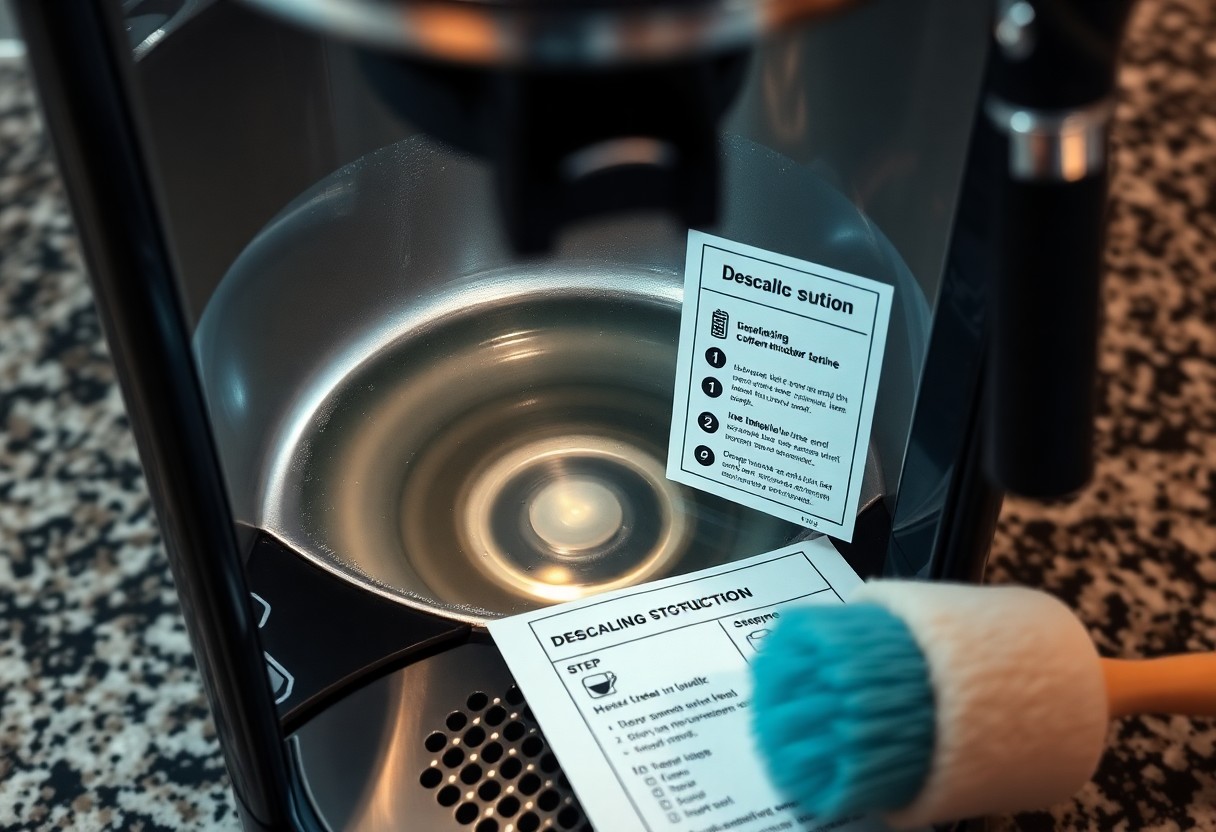
Step-by-Step Unclogging Techniques
Utilizing effective unclogging techniques is key to restoring your coffee machine’s functionality. You can follow these step-by-step strategies to tackle the issue and ensure your brew is back to its flavorful best:
| Technique | Description |
|---|---|
| Initial Cleaning | Begin with a thorough cleaning of removable parts to eliminate buildup. |
| Vinegar Rinse | A vinegar solution assists in breaking down mineral deposits inside. |
| Filter Replacement | Undoubtedly, replacing coffee filters regularly maintains optimal performance. |
| Decalcification | Using a dedicated descaling solution will target tough mineral deposits. |
Basic Cleaning Process for Everyday Users
To maintain your coffee machine and prevent clogs, perform regular cleaning. Start by emptying the water reservoir and discarding used grounds. Disassemble any removable parts such as the filter basket and brew head, then rinse them thoroughly with warm water. Using a mild soap is effective for enhancing cleanliness. Reassemble the machine and run a cycle with water only to ensure all soap residues are cleared out, leaving you with a fresh start for your next cup.
Advanced Methods for Stubborn Clogs
For persistent clogs that resist basic cleaning, advanced methods may be necessary. A mixture of equal parts water and vinegar can be poured directly into the reservoir. Run the coffee machine as you would for a brewing cycle, allowing the solution to penetrate and dissolve tough deposits. If this doesn’t resolve the issue, consider investing in a robust descaling agent specifically designed for coffee machines, which often contains stronger acids that can break down mineral buildup effectively.
- Fill the reservoir with the vinegar-water solution.
- Run a brew cycle without a coffee filter.
- Let the machine sit for 30 minutes to break down clogs.
- Run several cycles of plain water to rinse thoroughly.
| Advanced Techniques | Description |
|---|---|
| Extended Soak | Let the vinegar solution sit to dissolve heavy mineral deposits. |
| Pressure Cleaning | Utilizing a small pump to force cleaning solution through the system. |
| Professional Cleaning | Calling in a service technician for thorough expert evaluations. |
Preventative Maintenance Strategies
Regular maintenance is imperative to keep your coffee machine in peak condition and extend its lifespan. A routine cleaning schedule, combined with proper selection of water and coffee beans, can significantly reduce the chances of clogs developing. To investigate deeper into the matter, consider checking out How to fix a clogged coffee maker for practical tips.
Regular Cleaning Routines
Establishing a cleaning routine helps maintain your coffee machine’s efficiency. Clean removable parts like filters, carafes, and brew baskets every week to remove coffee oils and residue. Monthly, run a water and vinegar solution through the machine to descale it, which combats mineral buildup. Always consult your manufacturer’s guidelines for any specific cleaning instructions to ensure you’re caring for your machine properly.
Best Practices for Water and Coffee Bean Selection
Using quality ingredients can dramatically impact the performance of your coffee machine. Choose filtered or bottled water over tap water to avoid buildup of minerals and impurities. Likewise, pay attention to your coffee bean selection; beans should be fresh and properly stored to minimize oils that can cause clogs. Whole beans ground just before brewing yield the best flavor and help reduce residue.
Selecting high-quality water and coffee beans plays a pivotal role in maintaining your coffee machine. Filtered water not only enhances the flavor of your brew but also decreases the chances of scale buildup inside the machine. Opt for medium-roast coffee beans from reputable sources, as they typically have lower oil content compared to darker roasts, minimizing residue and preventing clogs. Storing your beans in a cool, dry place and using an airtight container can further preserve their freshness and prevent oil seepage that clogs filters.
When to Seek Professional Help
Not all coffee machine issues can be resolved with basic troubleshooting. If your efforts to unclog your machine have failed or if you notice persistent malfunctions, it’s time to consider seeking the help of a professional technician. Certain problems may indicate deeper mechanical issues or electrical faults that require expert intervention to prevent further damage.
Signs You Should Call a Technician
Pay attention to any unusual noises, strange odors, or leaks coming from your coffee machine. If water isn’t flowing properly despite your best cleaning attempts or the machine won’t turn on at all, these symptoms may indicate more severe issues that require a technician’s expertise. Additionally, if you notice any error codes on your machine’s display, consulting a professional is advisable to avoid exacerbating the problem.
Evaluating the Cost vs. DIY Solutions
Assessing whether to attempt a DIY fix or hire a technician involves weighing the potential costs against the complexity of the issue. If the repairs require specialized tools or extensive knowledge of the machine, you may end up investing more time and money than if you had sought professional help from the outset.
Consider the cost of parts and tools needed for a DIY repair compared to the technician’s fee. If that fee falls within a reasonable range and can offset the risk of causing irreparable damage to your coffee machine, calling in a professional often makes financial sense. For instance, if your machine is under warranty, a technician might be able to resolve the problem at no additional cost. Ultimately, prioritizing your machine’s long-term functionality should guide your decision on whether to troubleshoot further or seek expert assistance.
Conclusion
Summing up, unclogging your coffee machine can be a simple process if you follow the right steps. By regularly descaling and cleaning your machine, you can prevent build-up that leads to clogs. Utilize your manufacturer’s guidelines to troubleshoot effectively, and be sure to address any unique issues specific to your model. With these tips, you can keep your coffee maker in optimal condition, ensuring that your daily brew remains consistent and enjoyable.
FAQ
Q: What are the common signs that my coffee machine might be clogged?
A: Common signs that your coffee machine may be clogged include slow brewing, reduced water flow, strange noises during operation, and coffee grounds appearing in your brewed coffee. If you notice any of these symptoms, it’s a good indication that it’s time to troubleshoot your machine.
Q: How can I safely clean the water reservoir of my coffee machine?
A: To clean the water reservoir, first, unplug the coffee machine and remove the reservoir. Rinse it thoroughly with warm water. For a deeper clean, you can soak it in a solution of vinegar and water (1:1 ratio) for about 15-30 minutes, then scrub with a soft cloth or sponge. Ensure it is completely rinsed and dried before reattaching it to the machine.
Q: What type of descaling solution should I use for my coffee machine?
A: You can use a commercial descaling solution specifically designed for coffee machines, or you can make a natural option with equal parts of water and white vinegar. Pour the solution into the reservoir and run a cycle without coffee grounds, followed by a few cycles with fresh water to eliminate any vinegar residue. Always consult your coffee machine’s manual for recommended descaling methods.
Q: How do I clean the coffee filter and brew basket?
A: To clean the coffee filter and brew basket, remove them from the machine and wash them under warm running water. If you use a reusable filter, check for coffee oils that may have built up. Use a soft brush or cloth to scrub away any residue. If necessary, soak them in warm soapy water for a deeper clean, then rinse thoroughly before placing them back in the machine.
Q: What should I do if my coffee machine is still clogged after cleaning?
A: If your coffee machine is still clogged after cleaning, check for any blockages in the water lines or drip tray. You can also try running another cycle with a descaling solution. If these steps do not resolve the issue, it may be necessary to consult the manufacturer’s manual for additional troubleshooting tips or contact customer support for assistance.