What is Needle Maintenance on a Keurig Coffee Machine – K-Cup System

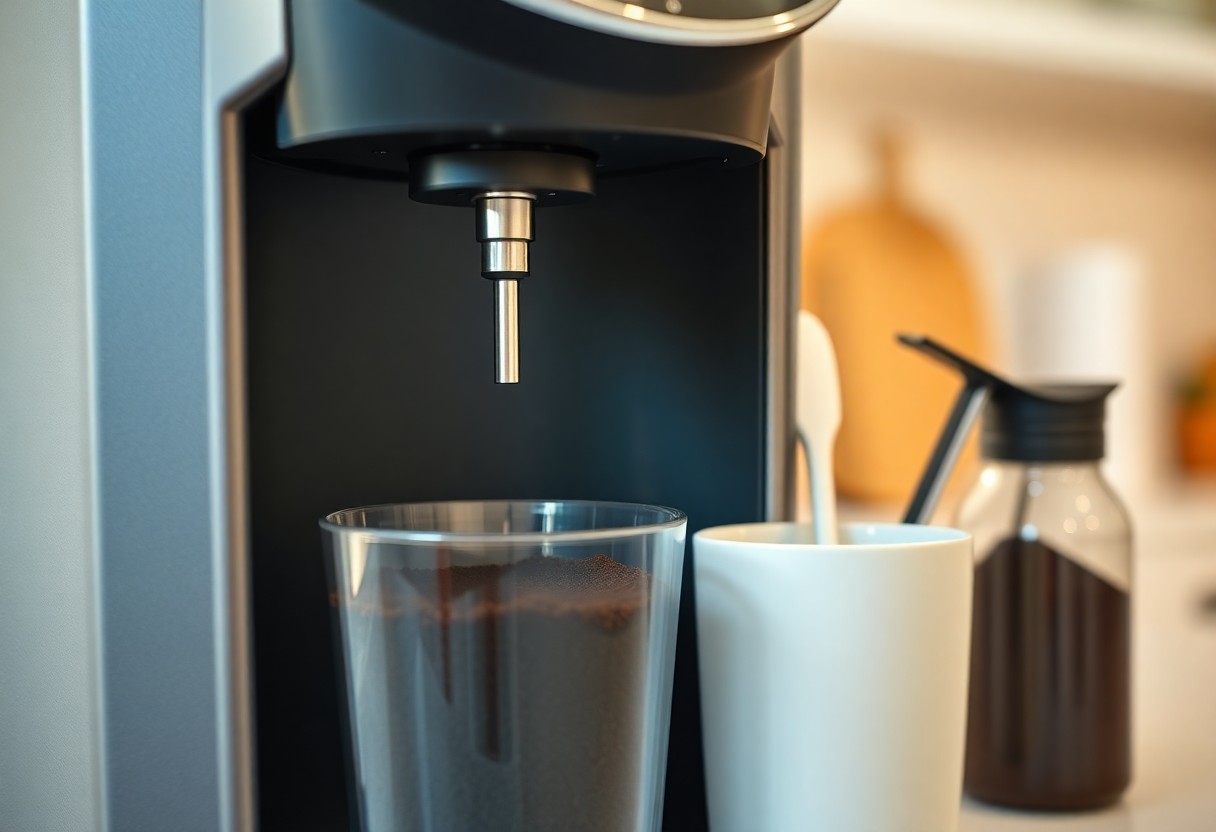
Many people rely on their Keurig coffee machines for a quick and convenient beverage, but inadequate needle maintenance can lead to unpleasant clogs and subpar brewing experiences. Your Keurig’s needle is responsible for puncturing the K-Cup to allow water to flow through and extract flavor. By neglecting regular cleaning of this imperative component, you risk compromising your coffee quality and even damaging your machine. In this post, we’ll guide you through what needle maintenance involves and why it’s necessary for ensuring optimal performance from your Keurig coffee maker.
Key Takeaways:
- Needle maintenance involves cleaning the needles that puncture K-Cups, which can become clogged with coffee grounds over time.
- Regular maintenance helps ensure optimal coffee extraction and prevents brewing issues, such as leaking or weak coffee.
- To maintain the needles, users should consult the machine’s manual for specific cleaning instructions, usually involving a gentle brush or a paperclip tool.
- Performing needle maintenance periodically can extend the life of the coffee machine and improve overall brewing performance.
- Signs that needle maintenance is needed include difficulty in brewing, coffee grounds in the cup, or a change in the taste of the brew.
The Anatomy of a K-Cup System
The K-Cup system consists of several key components that work together to brew your coffee efficiently. Among these components, the water reservoir, heating element, pump, and the K-Cup holder all play vital roles. Understanding these parts can help you troubleshoot issues more effectively. If you encounter messages like What does water under pressure message mean?, knowing how each component functions is crucial for resolving brewing problems.
Key Components That Require Maintenance
Regular maintenance of the K-Cup system includes cleaning the water reservoir, descale the machine to remove mineral buildup, and ensuring that the needle penetrates K-Cups effectively. Pay particular attention to the puncture needle as it is prone to clogging, leading to improper brewing and water leaks.
The Role of the Needle in Brewing Efficiency
The needle in a K-Cup machine serves as the critical point where hot water enters the coffee pod, interacting with the coffee grounds. Proper functioning of this component ensures that water is effectively extracted from the coffee grounds, leading to a rich and flavorful brew. If the needle is blocked or damaged, your coffee might taste weak or watery.
A malfunctioning needle can significantly impact your brewing process. The needle not only punctures the K-Cup to allow water flow but also maintains the pressurized environment necessary for optimal extraction. A clean, well-maintained needle guarantees that water evenly saturates the coffee grounds, enhancing the flavor profile. Regular inspection and cleaning of the needle prevent clogs and prolong the lifespan of your machine, ensuring a consistently satisfying cup of coffee. Without efficient needle function, all other machine components may perform without achieving the desired brew quality.
The Importance of Needle Maintenance
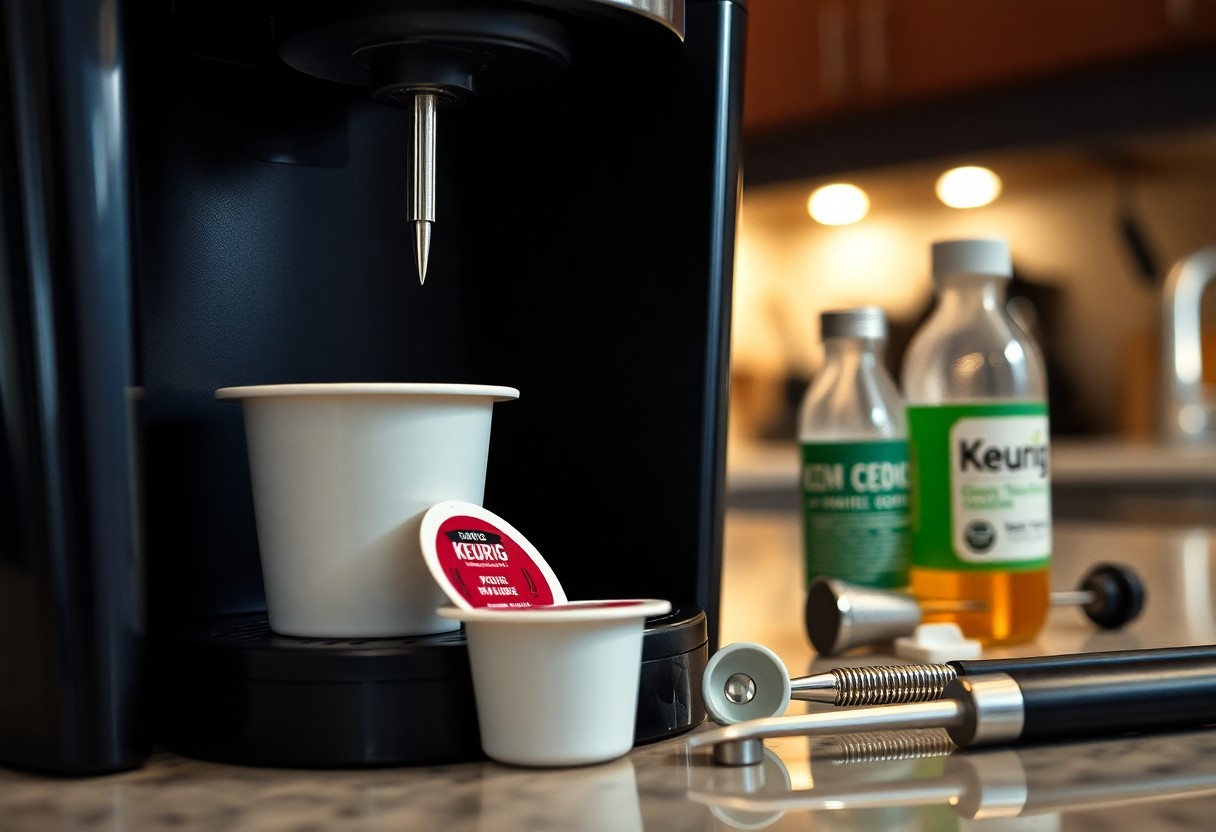
Proper needle maintenance plays a vital role in ensuring the longevity and performance of your Keurig coffee machine. By routinely checking and cleaning the needles that puncture the K-Cups, you can prevent blockages that affect the brewing process. A well-maintained needle allows for optimal water flow, which directly correlates with achieving the best flavor and quality from your coffee. Regular maintenance not only enhances your brewing experience but also helps extend the lifespan of your machine, making it a worthwhile practice for any coffee enthusiast.
Impacts on Brew Quality and Flavor
A clean needle is crucial for a consistent flow of water through your K-Cup, affecting both the brew quality and flavor of your coffee. When the needle is free of clogs, the hot water can extract the rich flavors and aromas from the coffee grounds effectively. A compromised needle leads to uneven brewing, resulting in under-extracted or over-extracted coffee, which can taste bitter or weak. Consistent maintenance ensures you enjoy a full-bodied cup of coffee every time.
Consequences of Neglecting Maintenance
Failing to maintain the needle can lead to not only poor tasting coffee but also potential damage to your Keurig machine. Accumulated debris can block the water flow, causing pressure to build up, which could ultimately result in leaks or malfunctions. Over time, this neglect may require costly repairs or even replacement. Regular upkeep is a small investment compared to the inconvenience of dealing with a machine that no longer performs at its best.
The repercussions of neglecting needle maintenance extend beyond mere inconvenience. If coffee grounds accumulate in the needle mechanisms, the chances of *clogging and water blockages increase significantly*. This can lead to inconsistent brews and may create unexpected spills during operations, damaging your counter space. In severe cases, water pressure build-up can harm internal components, leading to the need for premature replacement. Thus, ensuring that your needle remains clean is not only about improving your coffee quality but also about protecting your investment in the machine.
Effective Needle Maintenance Techniques
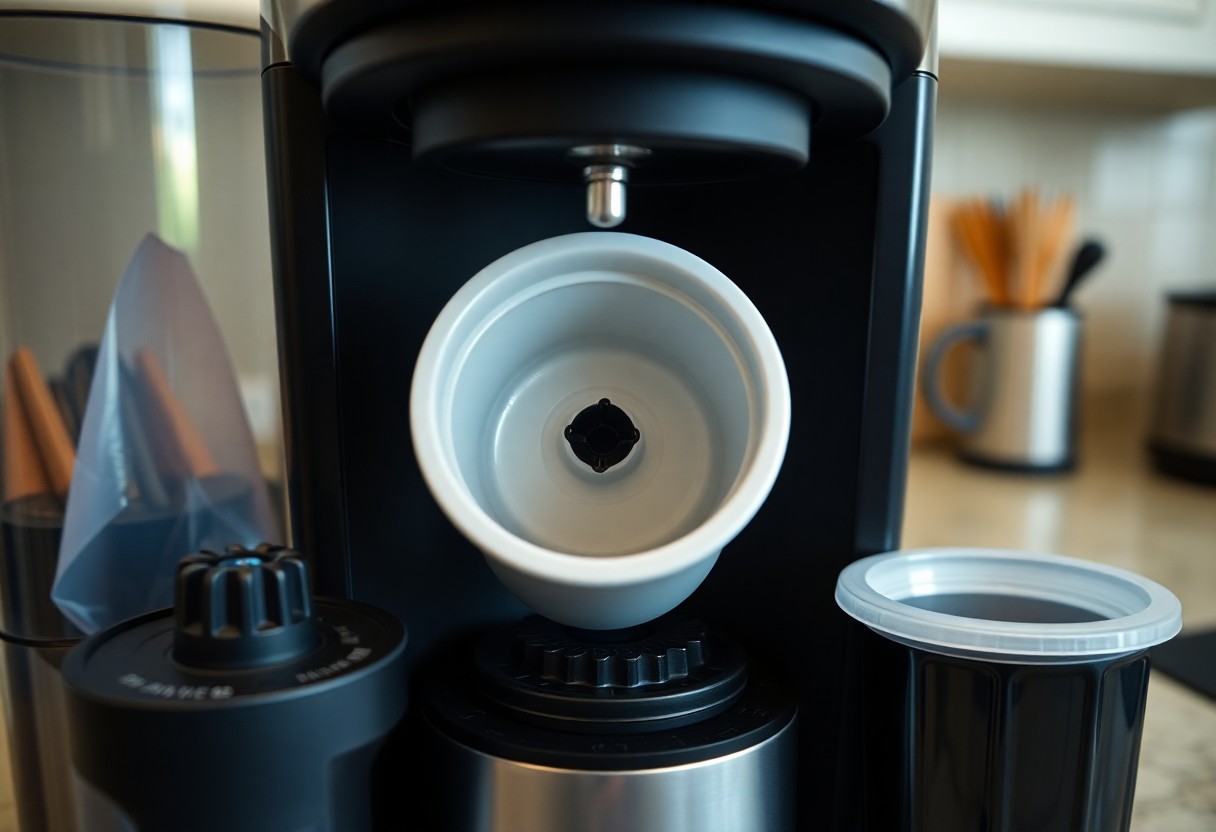
Maintaining the needle system of your Keurig is vital for ensuring consistent brewing quality. Regular cleaning helps prevent clogs, ensuring a smooth and efficient brewing process. A few effective techniques can help you keep the needle area clear and functioning properly. By incorporating simple, consistent maintenance into your routine, you can extend the life of your coffee machine and maintain delicious coffee every morning.
Step-by-Step Cleaning Process
| Step 1: Unplug your Keurig machine for safety. |
| Step 2: Remove the water reservoir and K-Cup holder. |
| Step 3: Use a paper clip to carefully clear any debris from the needle. |
| Step 4: Rinse the needle area with warm water and clean the removable parts. |
| Step 5: Reassemble your machine and run a water-only cycle. |
Recommended Tools and Solutions
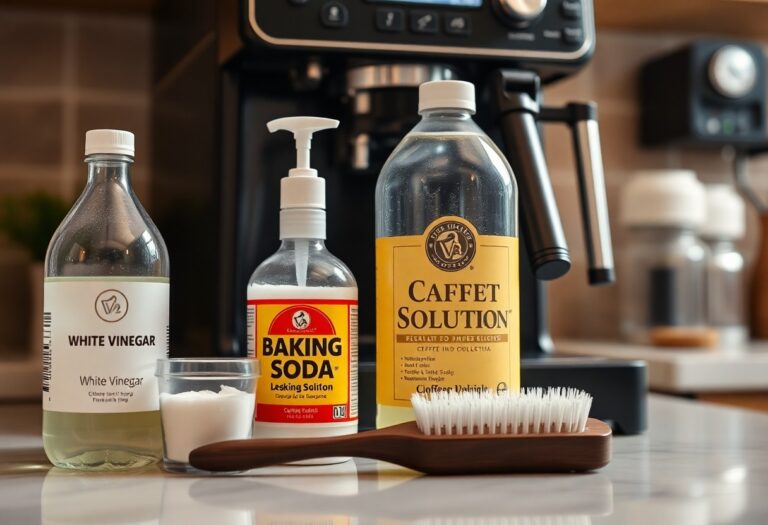
For effective needle maintenance, a few simple tools can make the task easier. Use a paper clip to dislodge any coffee grounds caught in the needle. Warm water for rinsing is sufficient, but consider using a descaling solution occasionally to prevent mineral buildup in the machine.
Specific cleaning tools can enhance your maintenance routine. A soft brush can help effectively clean around the needle area without damaging components, while a microfiber cloth is perfect for wiping down surfaces. Additionally, using a white vinegar solution is an excellent natural option for descaling, ensuring your machine stays in optimal condition for brewing great coffee.
Common Challenges and Troubleshooting
Even with regular maintenance, you might encounter challenges with your Keurig’s needle system. For instance, clogs can prevent water from flowing smoothly, leading to weak or uneven brews. If you’re experiencing any issues, you can follow detailed troubleshooting steps, such as How To Clean Keurig Needle Without Tool, to resolve them effectively.
Identifying Clogs and Blockages
Clogs in your Keurig needle can cause erratic water flow and inconsistent brewing results. When you notice your coffee brewing more slowly or not at all, examine the needle area for blockages. A quick inspection can reveal coffee grounds lodged in the needle or any debris obstructing the water pathway. Regularly checking for these problems helps prevent significant brewing issues.
Fixing Needle-Related Issues
Correcting needle-related problems typically involves cleaning or clearing blockages to restore proper function. You can use a paperclip to gently clear any debris from the needle’s tip or a damp cloth to wipe around the area. Sometimes, descaling your machine might also be necessary to remove built-up minerals and ensure optimal performance. Regularly performing these checks will help maintain your Keurig and enhance your coffee experience.
In more severe cases of blockage, you might need to disassemble the needle section carefully. Ensure your machine is unplugged before you attempt this. Inspect the needle’s inner pathway for any stubborn clogs that may be obstructing water flow. If you find any debris, clean it out with a soft brush or a toothpick. If you’re hesitant about disassembly, following the previous cleaning methods should suffice in most situations.
Best Practices for Long-Term Care
Ensuring your Keurig coffee machine remains in optimal condition requires dedication to long-term care. Consistently monitoring your machine’s components, such as the needle and water reservoir, plays a significant role in maintaining good performance. Proper attention to routine maintenance and preventative measures can extend your coffee maker’s lifespan and enhance the overall brewing experience.
Routine Maintenance Schedules
Establishing a routine maintenance schedule helps keep your Keurig running smoothly. Aim to clean the needle and descale the machine every three to six months based on usage frequency. Keeping a log of these tasks can help you maintain consistency and ensure that your machine stays in top shape for years to come.
Tips for Prolonging Machine Lifespan
To enhance the longevity of your Keurig, incorporate simple yet effective maintenance tips. Regularly descale your machine using a vinegar solution or a descaling product recommended by the manufacturer, and always keep the water reservoir clean. Avoid using flavored or specialty K-Cups that may leave residue and clog the needle. Thou shall take these precautions seriously to extend your machine’s life.
Implementing preventive practices is imperative for prolonging your machine’s lifespan. Utilizing filtered water can minimize mineral buildup, while ensuring your Keurig is kept away from harsh environments contributes to better durability. Regularly checking for any signs of wear or malfunction will help avoid larger issues down the line. Thou shall treat your coffee maker with care to enjoy a robust brewing experience.
- Filtered water reduces mineral buildup
- Regular cleaning promotes good hygiene
- Proper storage protects from environmental damage
- Thou shall take pride in maintaining your machine.
Summing up
Taking this into account, needle maintenance on your Keurig coffee machine is vital for ensuring optimal functionality and a high-quality brewing experience. Regularly cleaning the needles can prevent clogs and enhance the flavor of your coffee. By following proper maintenance procedures, such as using a paperclip to clear any blockages and ensuring that your K-Cup pod holder is clean, you can keep your machine performing at its best. This simple upkeep will not only improve your coffee but also prolong the lifespan of your Keurig machine.
FAQ
Q: What is needle maintenance on a Keurig coffee machine with a K-Cup system?
A: Needle maintenance refers to the process of cleaning and maintaining the piercing needles used in Keurig coffee machines. These needles puncture the K-Cup to allow hot water to flow through and brew coffee. Over time, these needles can become clogged with coffee grounds or mineral deposits, leading to brewing issues. Regular needle maintenance helps ensure optimal performance and consistent brews.
Q: How often should I perform needle maintenance on my Keurig coffee machine?
A: It is advisable to perform needle maintenance every few months or whenever you notice a decline in brewing performance. Signs that needle maintenance may be needed include slow brewing, weak coffee, or complete failure to brew. Regularly checking the needles, especially if you use your Keurig frequently, can help prevent buildup and prolong the machine’s lifespan.
Q: What tools do I need for needle maintenance on a Keurig machine?
A: To perform needle maintenance, you typically need a paperclip or a specialized needle cleaning tool available from Keurig or other retailers. These tools help to carefully clear any blockages in the needle holes. Additionally, a damp cloth can be useful for cleaning the exterior of the machine and other components.
Q: How do I clean the needles in my Keurig coffee machine?
A: To clean the needles, first ensure the machine is turned off and unplugged. Use a paperclip or the needle cleaning tool to gently poke into the entrance and exit needles, clearing away any debris. After cleaning, wipe down the area with a damp cloth. For a deep clean, you can run a water-only brew cycle without a K-Cup to rinse out any remaining residue.
Q: Can I prevent clogging of the needles in my Keurig coffee machine?
A: While you cannot completely eliminate the possibility of clogging, there are several steps you can take to reduce the chances. Using filtered water can minimize mineral buildup, and selecting high-quality K-Cups with less sediment can also help. Regular maintenance, as discussed, is important to keep the machine running smoothly and efficiently.