What to Do with Old Coffee Machine – Disposal and Recycling

Over time, your trusty coffee machine may no longer serve its purpose, leading you to wonder what to do with it. Disposing of or recycling your old coffee maker can have significant environmental impacts if not handled properly. You should first check your local waste management guidelines to understand proper disposal methods. Recycling your coffee machine can be beneficial, helping to divert waste from landfills while allowing valuable materials to be recovered. This guide will walk you through effective ways to responsibly manage your old coffee machine.
Key Takeaways:
- Assess the condition of your old coffee machine; if it’s working, consider donating it to local charities or thrift stores.
- Check with your municipality for proper e-waste disposal options, as coffee machines often contain components that require special handling.
- Look for recycling programs that accept small appliances, which can help minimize environmental impact.
- Explore creative repurposing ideas, such as converting parts of the coffee machine into planters or art projects.
- Before disposal or recycling, consult the manufacturer’s guidelines for any specific disposal instructions regarding their products.
The Environmental Impact of Disposing Old Coffee Machines
Improper disposal of your old coffee machine can have significant environmental consequences. Most coffee machines contain electronic components and materials that, if thrown away, can contribute to landfill overflow and toxic pollution. Heavy metals like lead and cadmium can leach into the soil and groundwater, affecting local ecosystems. To mitigate these impacts, consider Recycling Coffee machines through designated programs focused on electronic waste.
The Hidden Costs of E-Waste
Disposing of electronic waste like coffee machines incurs hidden costs that often go unnoticed. According to the World Economic Forum, approximately 50 million tons of e-waste is generated globally each year, with only 20% being recycled appropriately. This not only leads to wasted resources but also exacerbates environmental degradation. Your discarded coffee machine may seem insignificant, but it contributes to a larger systemic issue that affects air and water quality.
The Importance of Responsible Disposal
Responsible disposal of coffee machines safeguards the environment and conserves resources. A single coffee machine contains valuable materials like copper, plastic, and metal that can be recovered and reused. By recycling, you help reduce the demand for virgin materials, therefore minimizing the environmental impact associated with mining and manufacturing. Organizations specializing in electronic recycling ensure that your appliance is processed in compliance with environmental regulations, decreasing the likelihood of harmful chemicals entering the environment.
Choosing to dispose of your old coffee machine responsibly isn’t just a personal decision; it’s a community commitment. Local recycling programs often partner with manufacturers to ensure that specific materials are reclaimed effectively. Additionally, many facilities provide data on how much waste is diverted from landfills, showcasing the collective impact of individual decisions. Engaging with these programs not only benefits the environment but promotes awareness and encourages others in your community to adopt sustainable practices.
Evaluating Your Old Coffee Machine: Repair, Donate, or Recycle?
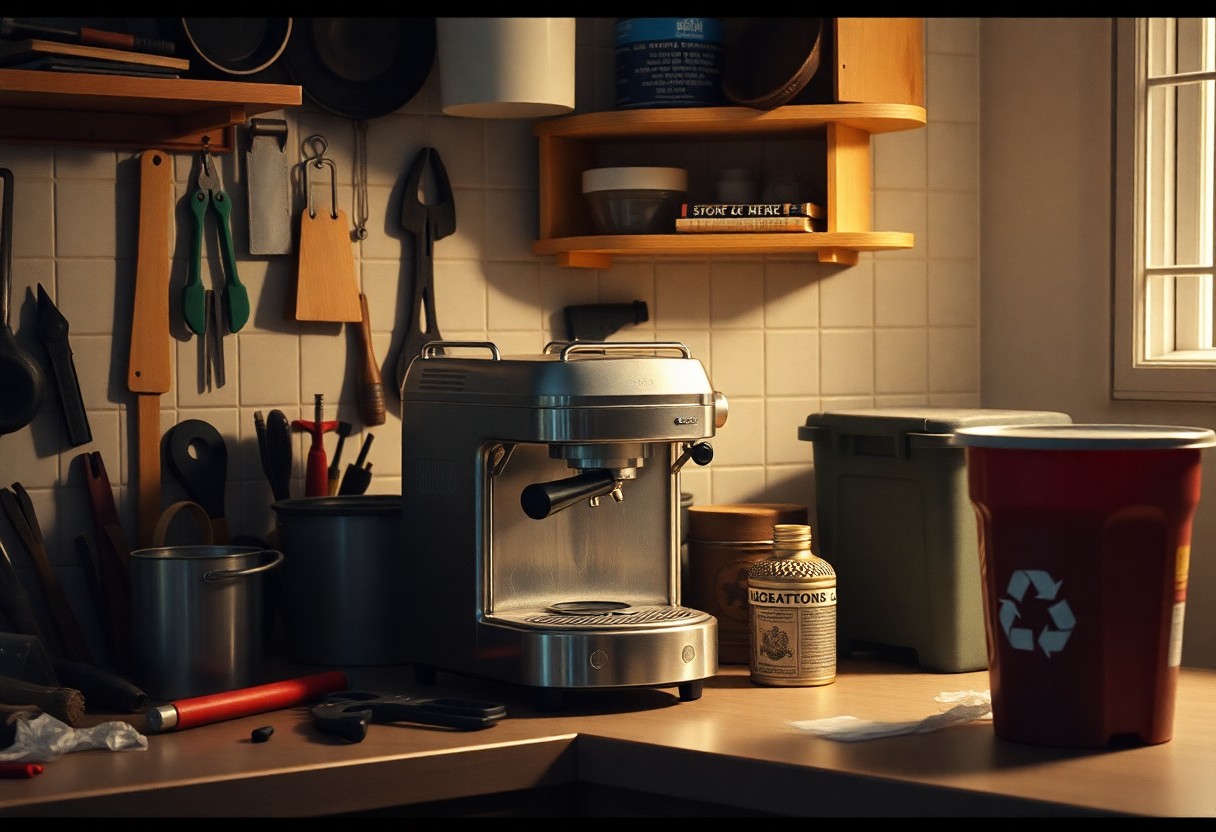
Deciding what to do with your old coffee machine requires careful consideration. You might want to assess if it’s worth repairing or if donating it is a better option. If your appliance has minor issues, a quick fix could extend its life, while a reliable machine that still works well could serve someone in need. Alternatively, if it’s beyond repair, you can opt for recycling to minimize environmental impact. For more guidance on this process, check out How to Dispose of Coffee Maker Responsibly.
Signs That Your Machine is Beyond Repair
Indicators that your coffee machine has reached the end of its life include persistent leaks, failure to brew, or strange odors coming from the appliance. If you’ve tried to fix these issues multiple times without success, it may be time to let it go. Safety must also be considered; if there’s any evidence of electrical hazards or damage, it’s best to dispose of it immediately.
How to Donate a Functional Coffee Maker
Donating a functioning coffee machine not only helps those in need but also keeps it out of landfills. Look for local charities, community centers, or shelters that accept household appliances. Before donating, ensure it’s clean and in working order. Providing detailed instructions for use can be a thoughtful add-on for the new owner.
How to Donate a Functional Coffee Maker
Start by researching non-profit organizations or shelters in your area; many appreciate small appliances that can enhance their services. Inquire about their donation policies—some may even offer a pickup service, making the process hassle-free. If the machine is still under warranty or in excellent condition, consider local schools or churches that might be looking for kitchen equipment. Along with your coffee maker, you might want to include a few vital accessories, such as filters or a coffee grinder, to ensure the recipient gets the full experience.
Navigating Local Recycling Regulations
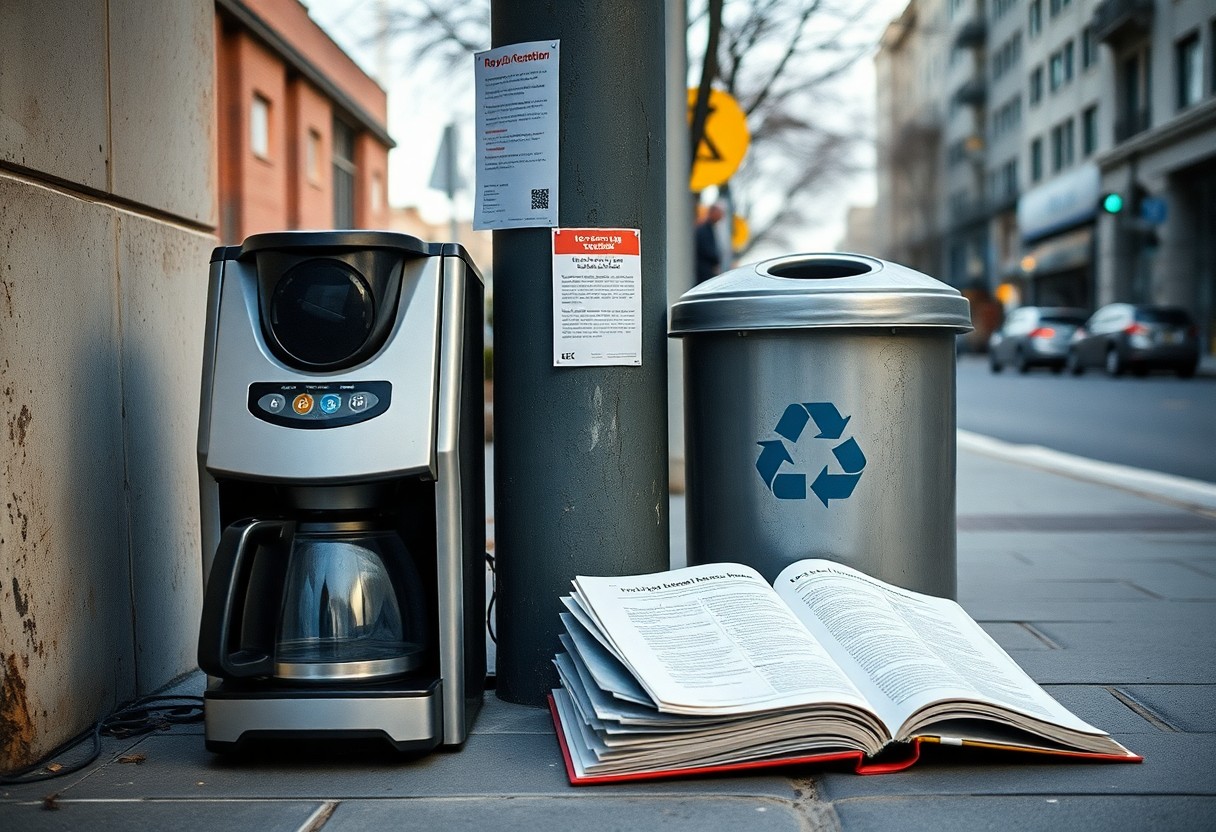
Understanding local recycling regulations helps ensure you dispose of your old coffee machine in an environmentally friendly way. Depending on where you live, regulations can vary significantly, particularly regarding e-waste. Check with your local waste management or recycling department to find specific guidelines on how to properly recycle or dispose of small appliances. This proactive approach not only aids in preserving the environment but also minimizes the risk of penalties associated with improper disposal.
Understanding Municipal E-Waste Programs
Many municipalities offer dedicated e-waste programs designed to help residents recycle electronic devices, including coffee machines. By participating in these local initiatives, you contribute to reducing landfill waste and promoting sustainable practices in your community. Check your city’s official website for information on scheduled e-waste collection events or drop-off locations, as well as any associated fees or requirements.
Finding Certified Recycling Centers
Identifying certified recycling centers can make a significant impact on how your old coffee machine is disposed of. Look for facilities that are certified by organizations such as the Electronic Waste Recycling Program or e-Stewards, which ensure that e-waste is handled responsibly and in compliance with environmental regulations. Online resources, such as Earth911 or Call2Recycle, provide searchable databases to locate nearby certified centers, simplifying the process for you. Most importantly, these centers often follow strict guidelines that prioritize recycling and recovery of valuable materials, like metal and plastic, reducing your environmental footprint.
Creative Upcycling Ideas for Old Coffee Machines
Your old coffee machine can find a new life beyond its brewing days through creative upcycling. Whether it’s transforming it into a quirky piece of decor or finding a practical utility in your garden, you’ll be surprised at how many possibilities are out there. Embracing these ideas can not only declutter your space but also showcase your creativity and sustainability efforts.
Transforming Into Unique Home Decor
Repurposing your coffee machine as a one-of-a-kind home decor item adds character to your space. Try using the carafe as a vase to hold fresh flowers or use the machine itself as an eye-catching bookend. With a bit of paint, you can customize it to match your aesthetic, making it a conversation starter when guests visit.
Innovative Uses in Gardening and Outdoor Spaces
Your old coffee machine can be surprisingly useful in the garden. For example, the carafe can serve as a charming bird feeder, attracting various wildlife to your backyard. Additionally, the machine’s water reservoir can be repurposed as a unique planters for succulents, giving them a quirky home while you enjoy your green thumb in style.
Incorporating your old coffee machine into your gardening setup can also take the form of an automatic watering system. By cleverly utilizing the existing pump in the machine, you can create a drip irrigation setup tailored to smaller plants or herb gardens, ensuring that they receive the right amount of water without constant monitoring. This innovative use not only saves time but also exemplifies a sustainable approach to gardening by reducing waste and promoting eco-friendly practices.
The Future of Coffee Machine Design: Sustainability Trends
Innovations in coffee machine design are increasingly prioritizing sustainability, focusing on reduced energy consumption, eco-friendly materials, and streamlined recycling options. Manufacturers are rethinking their entire production process, from sourcing renewable resources to designing machines that minimize waste. With the rise of eco-conscious consumers, brands are now actively incorporating features such as biodegradable components and energy-efficient mechanisms, shaping a future where sustainability is at the forefront of coffee culture.
How Manufacturers are Responding to E-Waste Concerns
In response to growing concerns about e-waste, manufacturers are developing take-back programs and modular designs that allow for easy repairs and upgrades. Many brands are committing to using recycled materials in new products, effectively reducing the environmental impact of production. Initiatives like these illustrate a concerted effort in the industry to tackle the issue of electronic waste while promoting a circular economy.
The Role of Consumers in Promoting Eco-friendly Products
Consumers play a pivotal role in driving demand for eco-friendly coffee machines and products. By choosing brands that prioritize sustainability in both materials and manufacturing practices, you can influence market trends and encourage a broader shift towards more environmentally responsible options. This collective power can prompt manufacturers to invest further in sustainable design and practices.
Understanding your purchasing habits can significantly impact the coffee machine market. When you actively seek out brands that showcase sustainability, such as those utilizing recycled materials, energy-efficient designs, or offering recycling programs, you send a clear message about the importance of eco-friendly practices. Your choices today can inspire companies to innovate and prioritize green technology, ultimately shaping a more sustainable future for coffee lovers everywhere.
Conclusion
Conclusively, when dealing with your old coffee machine, consider your disposal and recycling options carefully. Confirm if your manufacturer has a take-back program, or search for local recycling facilities that accept small appliances. You can also explore donating it if it’s in working condition or repurposing parts for DIY projects. By choosing the right path for your coffee machine, you contribute to environmental sustainability and reduce waste effectively.
Q: How should I dispose of my old coffee machine if it’s broken?
A: If your coffee machine is broken, first check if it can be repaired. If not, it’s important to dispose of it responsibly. Many municipalities have electronic waste (e-waste) recycling programs where you can drop off your coffee machine. Alternatively, consider taking it to a local recycling center that accepts small appliances. Always check local regulations regarding e-waste disposal to ensure compliance.
Q: Can I donate my old coffee machine?
A: Yes, you can donate your old coffee machine if it is still in working condition. Organizations such as shelters, community centers, or thrift shops often accept small appliances. Before donating, make sure to clean the machine and confirm with the organization that they are willing to accept such items. Ensure it is safe and operational, as donations should provide value to others.
Q: Are there any eco-friendly options for recycling coffee machines?
A: Absolutely! Many manufacturers have take-back programs where you can send your old coffee machine back for recycling. There are also dedicated e-waste recycling events hosted by local governments or non-profits focused on reducing electronic waste. Research and choose a program that adheres to environmentally friendly practices to minimize the environmental impact of electronic disposal.
Q: What components of a coffee machine can be recycled?
A: Coffee machines consist of various materials that can often be recycled, including metal, plastic, and glass. The heating elements and metal casing are typically recyclable as scrap metal, while plastic parts may be processed separately. It’s a good idea to disassemble the machine if possible and separate these materials, as this can facilitate the recycling process at your local facility.
Q: What should I do if I don’t have access to recycling facilities?
A: If recycling facilities are not accessible, consider alternative options such as mail-in programs offered by some manufacturers or recycling companies that may pick up items from your location. You can also explore local community groups on platforms like Facebook or Craigslist where you might find someone willing to take the coffee machine off your hands. Make sure to check the credibility of any service before using it to ensure its reliability in recycling hazardous components.