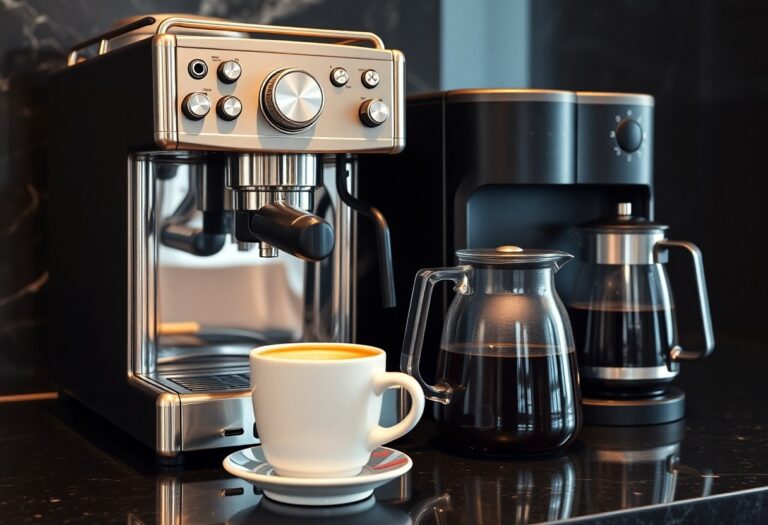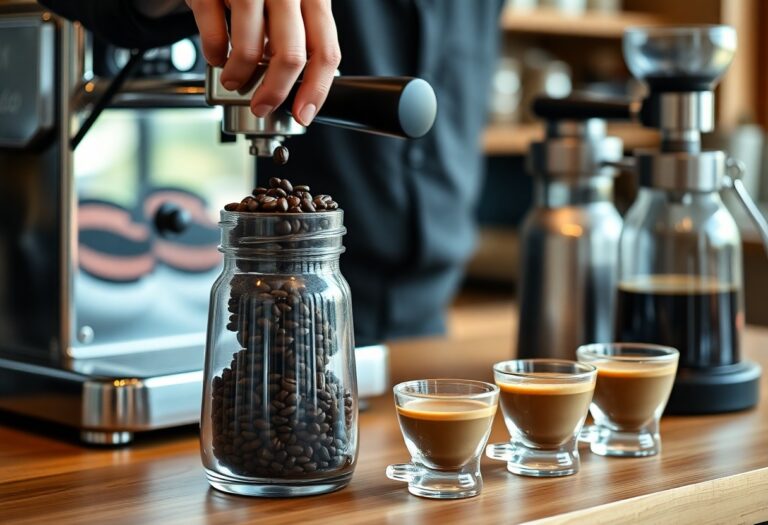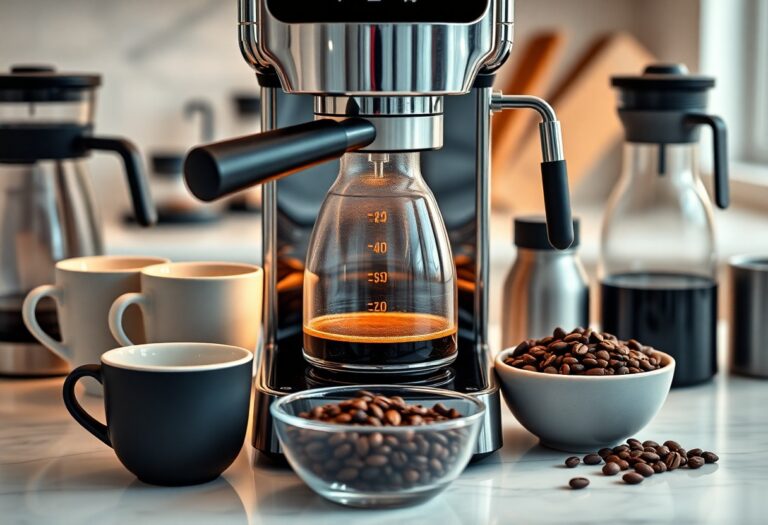

What Type of Coffee for an Espresso Machine – Bean Categories

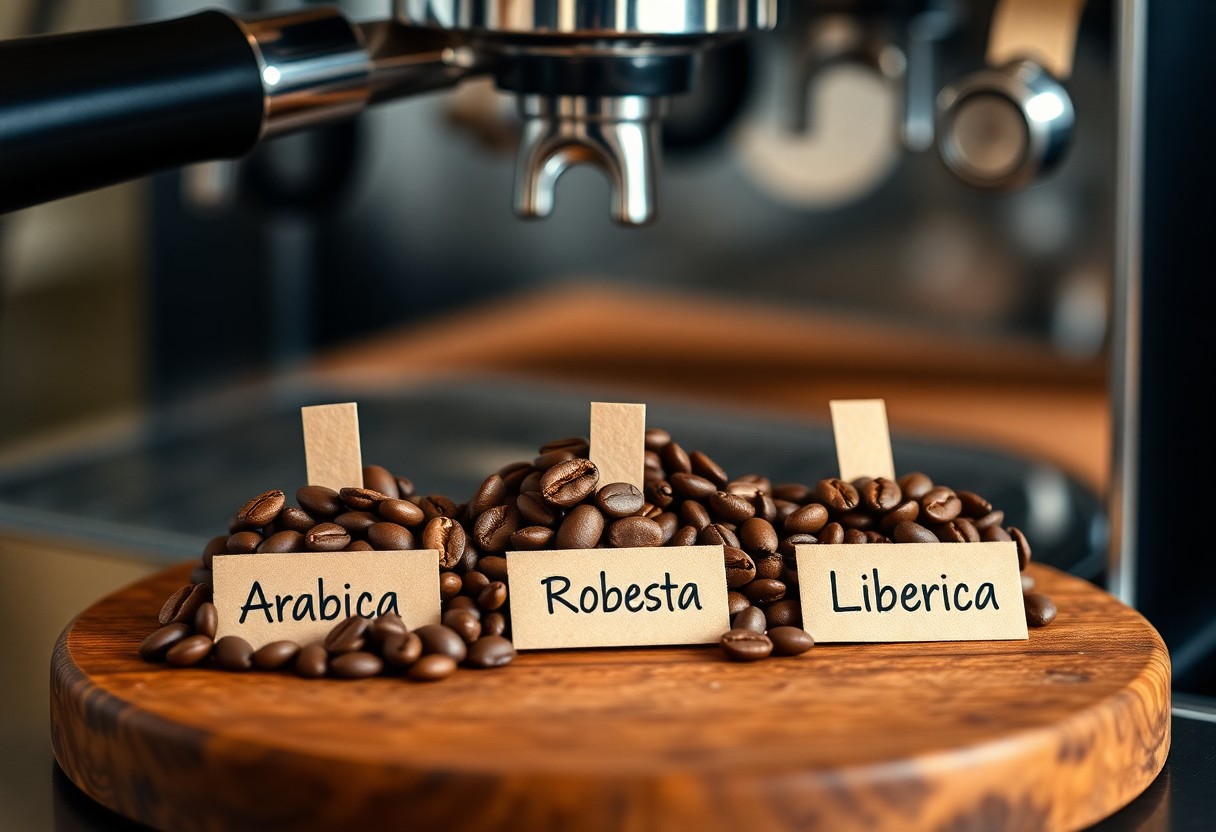
You may be wondering what type of coffee beans are best suited for your espresso machine, and understanding bean categories is crucial for achieving that perfect shot of espresso. Whether you prefer a bold, dark roast or a bright, fruity blend, your choice can significantly impact the flavor and aroma of your brew. Knowing the differences between Arabica and Robusta, and exploring single-origin options versus blends, can help you customize your espresso experience to match your palate and preferences.
Key Takeaways:
- Espresso beans are typically classified into two main categories: Arabica and Robusta, with Arabica offering a sweeter flavor profile and Robusta providing a stronger, more bitter taste.
- Medium to dark roast beans are preferred for espresso machines, as they tend to produce a richer crema and deeper flavor.
- Freshness is crucial; using beans that have been roasted recently can significantly enhance the taste and quality of the espresso.
- Blend compositions can vary, allowing for unique flavor combinations, so exploring different blends can yield exciting results.
- Experimentation with grind size and brewing time is necessary to achieve the desired balance and extraction based on the specific bean type.
Decoding the Flavor Profiles of Coffee Beans
Understanding the flavor profiles of coffee beans involves recognizing the unique attributes that contribute to the overall taste of your espresso. Factors such as origin, variety, and processing methods all combine to create a complex flavor experience. Coffee beans can express a range of notes, from nutty and chocolatey to fruity and floral, allowing for a variety of brewing preferences. Personalizing your espresso journey means not just choosing a bean, but also discerning its flavor intricacies to find the perfect match for your palate.
The Role of Origin in Taste
Geographical origin significantly influences the taste of coffee beans. Different regions produce beans with distinct flavor characteristics; for instance, beans from Central America are known for their bright acidity and chocolate undertones, while beans from Ethiopia often present vibrant floral and fruity notes. Understanding these regional traits can guide you in selecting the beans that will best suit your desired flavor profile.
How Processing Methods Shape Flavor
The processing methods used to process coffee beans play a pivotal role in shaping their flavor. For example, natural (or dry) processing enhances the sweetness and body of the coffee, as the beans absorb flavors from the cherry during drying. In contrast, washed (or wet) processing often results in a cleaner, brighter cup with pronounced acidity. Both methods can highlight different tasting notes, allowing you to explore diverse flavors that cater to your preferences.
Further delving into processing methods, you’ll discover that various techniques can produce pronounced differences even among beans from the same region. For example, honey processing combines elements of both wet and dry methods by leaving mucilage on the beans during fermentation. This approach can yield a rich, sweet profile with a velvety mouthfeel. Alternatively, anaerobic fermentation can create unique, complex flavor notes by controlling oxygen exposure. This showcases the impact of processing on flavor, prompting you to experiment with different methods to elevate your espresso experience.
Arabica vs. Robusta: The Great Bean Debate
The debate between Arabica and Robusta beans often influences your selection for espresso brewing. Arabica is known for its smooth, mild flavor and well-balanced acidity, making it a popular choice among coffee enthusiasts. In contrast, Robusta tends to have a stronger, more bitter taste with a higher caffeine content, providing a more robust and bolder espresso shot. Consider exploring various Espresso Beans options to find what resonates with your palate.
Tasting Notes and Characteristics
Arabica beans are often highlighted for their sweet, fruity, and floral notes, while Robusta beans exhibit earthy, nutty, and bitter flavors. When extracting espresso, Arabica can yield a creamy and rich crema, enhancing the overall mouthfeel. Robusta, with its thicker crema and stronger taste, can energize any espresso blend. Understanding these differences will illuminate the choice best suited to your espresso preferences.
Pros and Cons for Espresso Enthusiasts
Pros and Cons of Arabica and Robusta
| Arabica | Robusta |
|---|---|
| Smoother flavor profile | Higher caffeine content |
| Subtle acidity | Thicker crema |
| Fruity and floral notes | Bitter and earthy taste |
| Widely preferred for specialty coffee | Often used in blends for affordability |
| Considered higher quality | Resistant to pests and diseases |
| Lower yield per tree | Higher yield per tree |
| Requires cooler climates | Thrives in diverse climates |
| More expensive | Generally more affordable |
| Longer maturation period | Shorter maturation period |
| Best for flavored brews | Suitable for espresso blends |
Your choice between Arabica and Robusta will ultimately depend on your preferred espresso characteristics. Many enthusiasts enjoy the subtlety of Arabica for pure espresso shots or lattes, while others might appreciate the boldness of Robusta for a more intense flavor. Blending both can also create a harmonious profile that highlights the best qualities of each bean. Experiment to find the ratio and type that speaks to your taste.
The Impact of Roast Levels on Brew Quality
Roast levels play a significant role in defining the flavor and overall quality of the espresso you brew. Depending on whether you choose light, medium, or dark roasted beans, each roast level exhibits its distinct characteristics that affect taste and aroma. Light roasts preserve more of the bean’s original flavors, offering bright acidity and floral notes, while dark roasts contribute bold, robust flavors with chocolatey and smoky undertones. Finding the right roast to pair with your espresso machine is an imperative step toward achieving your desired coffee experience.
Light vs. Dark Roasts: Flavor Exploration
Light roasts showcase fruity and floral notes and higher acidity, making them ideal for those seeking a bright and complex flavor profile. In contrast, dark roasts offer a bolder, fuller body with pronounced bitterness and a more intense, richer taste. Your choice between light and dark roasts will not only influence taste but also impact the subtlety of flavors you experience during every sip.
How Roast Profiles Affect Espresso Extraction
Your selection of roast profile significantly influences the extraction process, which ultimately determines the flavors that develop in your espresso. Lighter roasts require finer grinds and shorter extraction times to balance the acidity with sweetness, while darker roasts, being more soluble, can withstand longer extraction times without becoming overly bitter. Different roast levels dictate the brewing parameters that you need to adjust for the best results, making it imperative to experiment to achieve your ideal cup of espresso.
A key aspect of how roast profiles influence extraction lies in the solubility of the coffee compounds. Lightly roasted beans contain more complex sugars and acids that require precision in grinding and timing to extract the right flavors. As you brew, a fine grind helps maximize extraction while maintaining sweetness, resulting in a vibrant, bright flavor. On the other hand, dark roasted beans dissolve more readily due to the caramelization that occurs during roasting. This allows for a quicker extraction process, but you should be careful to avoid over-extraction, as it can lead to a bitter and astringent taste. Adjusting both the grind and the brewing time based on the roast level is imperative to achieving that perfect espresso shot you’re aiming for.
Blends vs. Single Origins: Choosing the Right Path
When opting for coffee for your espresso machine, the choice between blends and single origins plays a significant role in determining the flavor profile. Blends combine beans from different regions or varieties, allowing roasters to create well-rounded flavors that balance acidity and sweetness. In contrast, single origin coffees offer unique taste experiences, showcasing the distinct characteristics and notes of a specific region or farm. Understanding these options will help you tailor your espresso to suit your palate.
Benefits of Blending for Balanced Flavor
Blending coffee beans provides an opportunity to achieve a harmonized flavor profile that can enhance your espresso experience. By combining beans from different origins, roasters can adjust acidity, body, and sweetness to create a more complex cup. This approach ensures that no single flavor overwhelms the others, resulting in a balanced espresso that appeals to a broader audience. Additionally, blends often have enhanced consistency, making them a reliable choice for daily brewing.
The Uniqueness of Single Origin Espressos
Single origin espressos present an exciting examine the intricacies of coffee flavors, showcasing the specific nuances and influences of their geographic origins. These coffees can vary widely, influenced by factors like soil composition, climate, and cultivation methods. For example, Ethiopian single origins might bring forth bright floral and fruity notes, while a Colombian espresso might exhibit rich chocolate and caramel undertones. Exploring single origin espressos can lead to remarkable discoveries as you taste the world through your cup.
Single origin coffees create a direct connection to the land where they were produced, allowing you to appreciate distinct flavor profiles associated with their specific regions. Each cup tells a story, capturing the agriculture and environment of its source. For instance, a Guatemalan espresso might showcase notes of toffee and citrus, while a Sumatra blend often exhibits earthy tones and herbal qualities. Savoring these unique coffees can inspire a deeper appreciation for the craft of coffee making and the diverse experiences it offers, making each sip an adventure.
Expert Tips for Sourcing Quality Beans
Sourcing quality beans is fundamental to achieving a delicious espresso. Start with reputable suppliers known for their high-quality coffee. Look for options that offer freshly roasted beans, as expiration dates matter when it comes to flavor. Don’t shy away from local roasters—these often provide unique blends you’ve never tasted before. Sample various beans before committing, and consider factors like the origin and roast profile. Be sure to explore guides like Which Popular Coffee Brands Work Best For An Espresso … for inspiration. Recognizing the significance of sourcing can elevate your espresso experience.
What to Look for When Buying Coffee
Pay attention to the roast date when purchasing coffee. Freshness significantly impacts flavor, so prioritize beans that have been roasted within the last two weeks. Consider the flavor profile you prefer—some enjoy a more fruity or floral note, while others might favor chocolaty or nutty flavors. Understanding the grind size suited for espresso is also vital, as it affects extraction time and overall taste. Opt for a reputable brand offering transparency in their production process, giving you confidence in what you’re brewing.
Understanding Certifications and Their Importance
Certifications can guide you to ethically sourced coffee but aren’t just a marketing gimmick. They indicate compliance with specific standards regarding quality, sustainability, and social responsibility. Fair Trade, Organic, and Rainforest Alliance certifications each provide insights into how beans are produced, ensuring you’re making a conscious choice as a consumer.
For example, Fair Trade not only supports fair wages for farmers but also encourages sustainable practices. Organic certifications assure you that no harmful pesticides or chemicals were used during cultivation, which can influence the taste and health of your brew. Meanwhile, brands with Rainforest Alliance certification often contribute to biodiversity conservation and protection of ecosystems. By choosing certified coffee, you help support agricultural practices that benefit both the environment and farming communities.
To wrap up
So, when selecting coffee for your espresso machine, consider the bean categories that align with your taste preferences. Whether you opt for robust Arabica or bold Robusta, the blend you choose will significantly impact your shot’s flavor and aroma. Experimenting with different roast levels and blends can help you find the perfect coffee that suits your palate. Ultimately, the right beans will enhance your espresso experience, allowing you to enjoy rich, vibrant shots right at home.
FAQ
Q: What are the main bean categories suitable for espresso machines?
A: The primary bean categories suitable for espresso machines are Arabica and Robusta. Arabica beans are known for their smooth and mild flavor, often with fruity and floral notes. They contain less caffeine and are typically used for high-quality espresso blends. Robusta beans, on the other hand, have a stronger, more bitter flavor and contain higher levels of caffeine, which can enhance crema and provide a thicker texture in espresso drinks.
Q: Why is Arabica preferred for many espresso blends?
A: Arabica is often preferred because of its complex flavor profile and higher acidity, which contributes to a more balanced and nuanced taste. The lower caffeine content also means that it produces a smoother shot, appealing to many coffee enthusiasts who appreciate subtleties in flavor over bitterness. This bean type is commonly used in specialty coffee shops for espresso due to its wide range of flavors.
Q: Can I use Robusta beans for espresso?
A: Yes, Robusta beans can be used for espresso, often in blends with Arabica. They provide a distinctive bitterness and a fuller body, which can complement the sweetness of Arabica. Many traditional Italian espresso blends include a percentage of Robusta to add depth and a rich crema. However, using Robusta alone might not appeal to those who prefer the delicacy of a purely Arabica shot.
Q: What roast levels are best for espresso beans?
A: Espresso beans are typically roasted to medium to dark levels. A medium roast can highlight the intricate flavors of the coffee, while a dark roast will enhance boldness and reduce acidity, producing a rich, robust taste. Depending on personal preference, many espresso drinkers enjoy experimenting with different roast levels to find the flavor profile that excites their palate.
Q: Is single-origin coffee a good choice for espresso?
A: Yes, single-origin coffee can be an excellent choice for espresso as it offers distinct and unique flavor characteristics specific to its region. These coffees often bring unique tasting notes and a profile that can set your espresso apart from the more common blends. However, it’s important to consider that single-origin coffees may vary significantly in acidity and flavor, so personal preference plays a key role in selection.