How to Clean Various Coffee Machine Brands – Multi-Brand Maintenance

This comprehensive guide will empower you to effectively clean multiple coffee machine brands, ensuring that your favorite brew remains flavorful and free from harmful buildup. You’ll learn step-by-step techniques tailored to different machines, covering crucial maintenance tips to enhance performance and prolong the life of your appliance. With diligent care, your coffee machine can serve you delicious cups of coffee for years to come, making your daily ritual more enjoyable. Let’s explore the key practices for keeping your coffee equipment in top-notch condition.
Key Takeaways:
- Regular cleaning is vital to maintain the performance and longevity of your coffee machine across various brands.
- Different brands may have specific cleaning requirements; always consult the manufacturer’s instructions for recommended cleaning products and methods.
- Common areas to clean include the water reservoir, brew head, and drip tray, as these parts can accumulate coffee oils and residue.
- Descaling with appropriate solutions helps remove mineral buildup, enhancing the flavor and efficiency of coffee extraction.
- Daily maintenance tasks, such as rinsing components and emptying the drip tray, contribute significantly to the overall cleanliness of your coffee machine.
The Importance of Regular Coffee Machine Maintenance
Regular maintenance of your coffee machine is crucial not only for extending its lifespan but also for ensuring that your coffee remains fresh and flavorful. A well-maintained machine enhances the extraction process, leading to a more satisfying cup. Commercial coffee machine excellence: How to clean and … provides detailed insights into effective cleaning methods that can help you achieve this.
Understanding the Impact of Cleanliness on Flavor
Cleanliness plays a pivotal role in the flavor of your coffee. Coffee machines can accumulate oils, minerals, and bacteria, which affect extraction and can create off-flavors. A machine that hasn’t been cleaned properly can lead to bitter or sour notes, diminishing your coffee’s quality. Regular cleaning ensures that extraction is optimal and that your brew tastes as intended, allowing you to appreciate the true flavors of your favorite beans.
Financial Benefits of Proper Maintenance
Investing in regular maintenance can result in significant cost savings over time. A clean coffee machine operates more efficiently, reducing energy consumption and minimizing the risk of costly repairs caused by neglect. Additionally, maintaining your equipment can prevent premature replacement, saving you hundreds of dollars in the long run. Regular upkeep not only extends the life of your coffee machine but ensures that you maximize your returns from each cup served.
For example, if you operate a coffee shop and neglect machine maintenance, you’re likely to face breakdowns at inconvenient times, leading to lost sales and unhappy customers. On average, unexpected repairs can cost a business upwards of $200 per incident, but investing a modest amount in monthly maintenance could help avoid such situations. The savings from maintaining your machine and the continuous flow of revenue from satisfied customers truly validate the importance of a consistent maintenance schedule.
Brand-Specific Cleaning Techniques
Cleaning methods can differ significantly across various coffee machine brands. Tailoring your approach based on the specific equipment you’re using can enhance both the efficacy of the cleaning process and the quality of your brewed coffee. Here’s a detailed look at cleaning techniques for different coffee makers.
Cleaning Methods for Drip Coffee Makers
For drip coffee makers, mixing equal parts of white vinegar and water creates a natural cleaner that effectively removes mineral buildup. Run a brewing cycle with this solution, followed by two cycles of fresh water to rinse thoroughly. Depending on your water quality, a monthly cleaning routine can keep flavors pure and machinery functional.
Unique Considerations for Espresso Machines
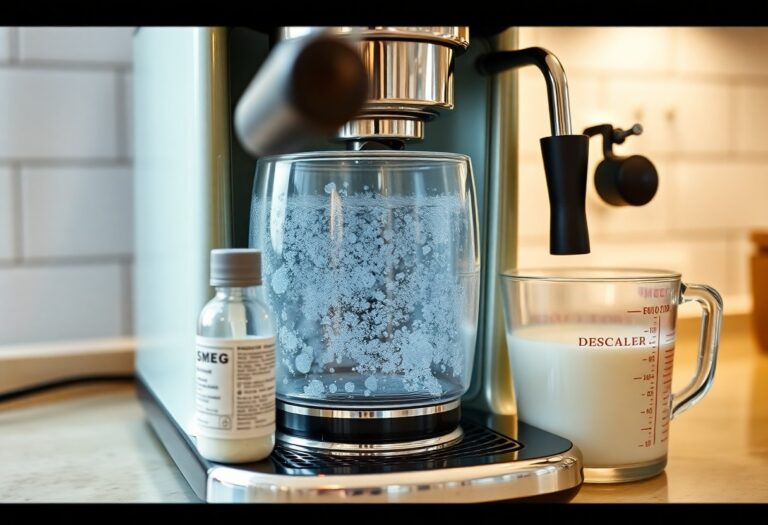
Espresso machines require a bit more attention due to their complex components and the oil buildup from coffee beans. Regular backflushing is necessary to clean the group head, while descaling should be performed every 3–6 months to prevent calcium deposits from affecting taste and efficiency. Pay close attention to the steam wand, ensuring it’s purged and wiped clean after each use to maintain hygiene and performance.
Backflushing your espresso machine involves using a blind filter basket and a proper cleaning solution. This process ensures that coffee oils and residues don’t accumulate in the group head, ultimately improving both taste and machine longevity. Additionally, using filtered water can further reduce the need for descaling, as it minimizes mineral deposits that can clog small pathways in the machine.
Guidelines for Single-Serve Coffee Makers
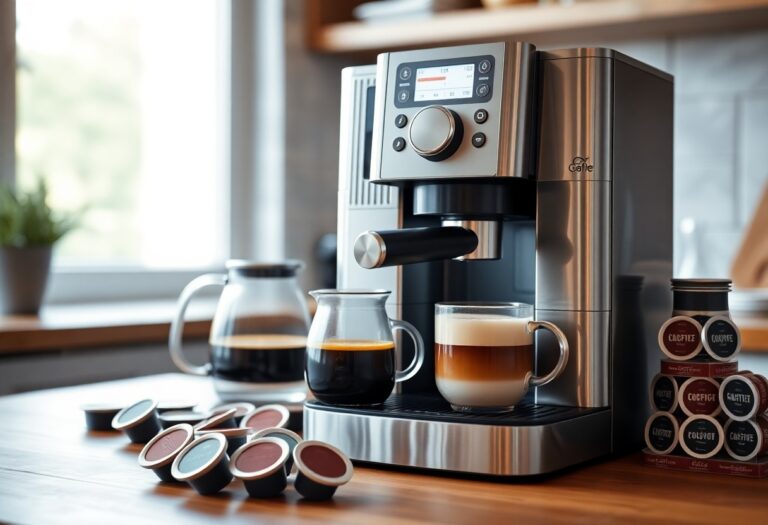
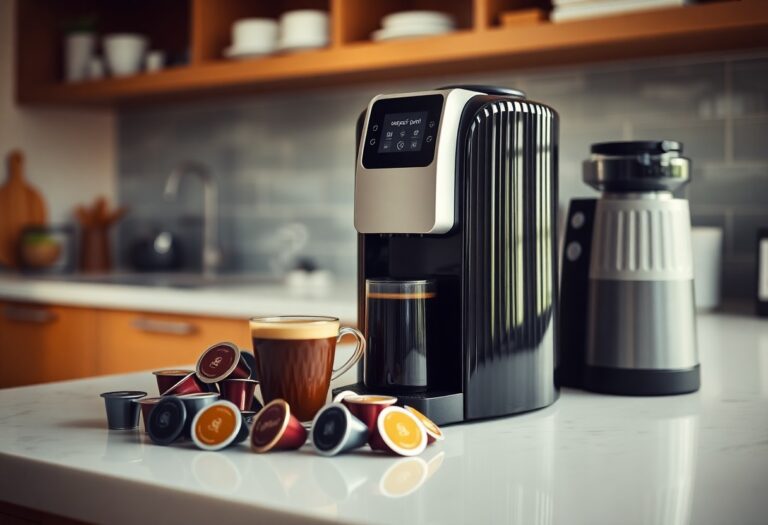
Single-serve coffee makers demand frequent maintenance due to the compact systems that can quickly harbor bacteria. Monthly descaling with a solution specifically recommended by the manufacturer and regular washing of the water reservoir and drip tray can help keep your machine in pristine condition. This protective regimen is key to ensuring the best coffee experience.
Utilizing distilled water can greatly reduce mineral buildup in single-serve machines, decreasing the frequency with which you must descale. Additionally, rinsing the pod holder and other removable parts frequently helps prevent coffee residue from affecting the flavor of your single serves. Implementing these habits will promote a consistently rich brew and enhance your machine’s operational lifespan.
Essential Supplies and Tools for Effective Cleaning
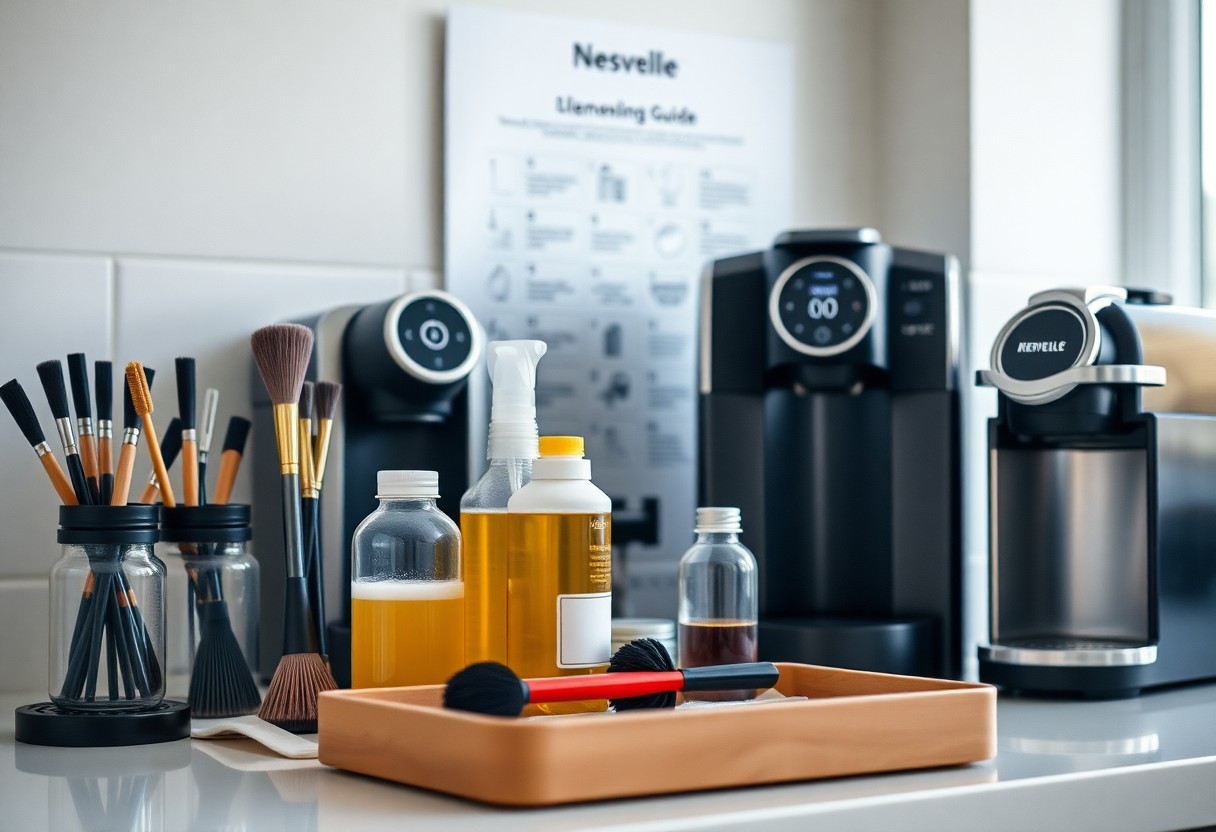
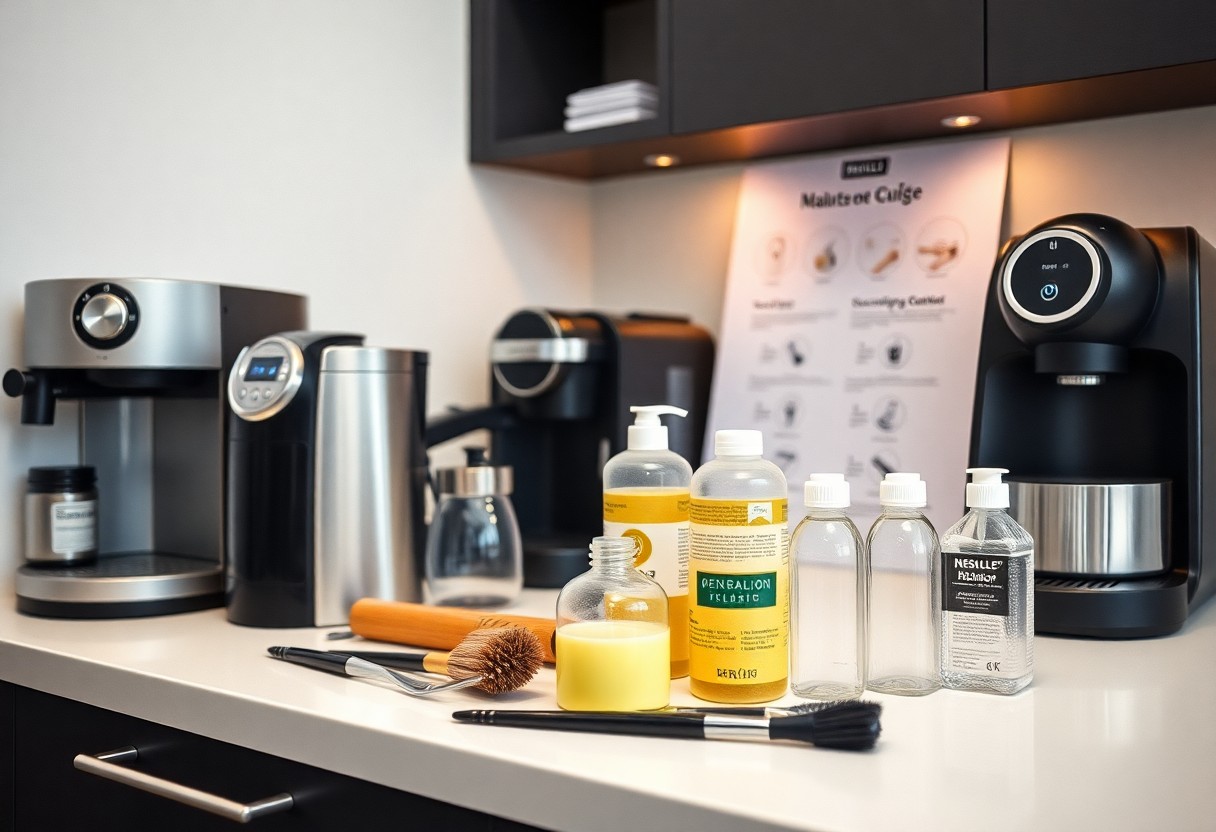
Equipping yourself with the right supplies and tools ensures an efficient and thorough cleaning process for your coffee machine. Start with basic cleaning vitals like microfiber cloths to avoid scratches, alongside brushes designed for intricate parts. You’ll also need a soft sponge for gentle scrubbing, as well as descaling solutions that target mineral build-up. Having these items on hand minimizes disruption, making regular maintenance a smooth routine.
Recommended Cleaning Solutions
Utilizing the appropriate cleaning solutions is key to maintaining your coffee machine’s performance. Opt for non-toxic and biodegradable descalers to effectively remove mineral deposits without harming the internal components. Some brands also offer specialized cleaning tablets that dissolve residue and buildup in the brew unit, delivering a deep clean without added effort. Regular use of these solutions can vastly extend your machine’s lifespan.
Must-Have Tools for a Deep Clean
For a comprehensive cleaning experience, certain tools will elevate the maintenance routine. A dental pick or small brush is excellent for dislodging coffee grounds in hard-to-reach areas, while an air blower works wonders for clearing out loose particles. Additionally, a good quality water filter can reduce mineral deposits, facilitating easier cleaning and maintenance over time.
Deeper cleaning requires specific tools that go beyond basic supplies. A programmable cleaning tool can automate the descaling process, ensuring thoroughness without extra effort. Specialized brushes designed for cleaning the brew group or portafilter help prevent build-up that can compromise taste. Investing in these tools can significantly enhance the effectiveness of your cleaning regimen, making it easier to incorporate into your routine while ensuring maximal performance from your coffee machine.
Troubleshooting Common Coffee Machine Issues
Experiencing issues with your coffee machine can be frustrating, but many problems can be resolved with a bit of troubleshooting. Whether your brew seems weak or your machine won’t turn on, understanding potential causes will help you quickly identify solutions. Regular maintenance not only prolongs the life of your coffee maker but also enhances the flavor of your coffee, ensuring each cup is as delicious as possible.
Identifying Warning Signs of Neglect
Neglecting your coffee machine often leads to performance issues, evident through several warning signs. You might notice a build-up of mineral deposits, producing strange noises during operation, or even an unpleasant odor emanating from the machine. If your coffee takes longer to brew or tastes bitter, these are clear indicators that maintenance is long overdue.
Quick Fixes to Revitalize Your Machine
Before panicking, consider trying some quick fixes to revive your coffee machine. Start with a thorough cleaning cycle using equal parts water and white vinegar to eliminate build-up and odors. Check your coffee grounds and make sure you’re using the right grind size for your machine, which can greatly influence extraction and flavor. Finally, ensure all removable parts are securely attached and clean to optimize performance.
For instance, running a cleaning cycle with vinegar not only descales your machine but also helps reset its internal components. If the brew basket is clogged, clean it with a soft brush or a toothbrush to remove any residual coffee oils. Additionally, ensuring that your filter is properly installed can prevent “brew failures” and flooding, enhancing your overall experience. Implementing these quick fixes can refresh your coffee machine, helping you enjoy that delightful cup of joe once more.
Elevating Your Coffee Game Post-Cleaning
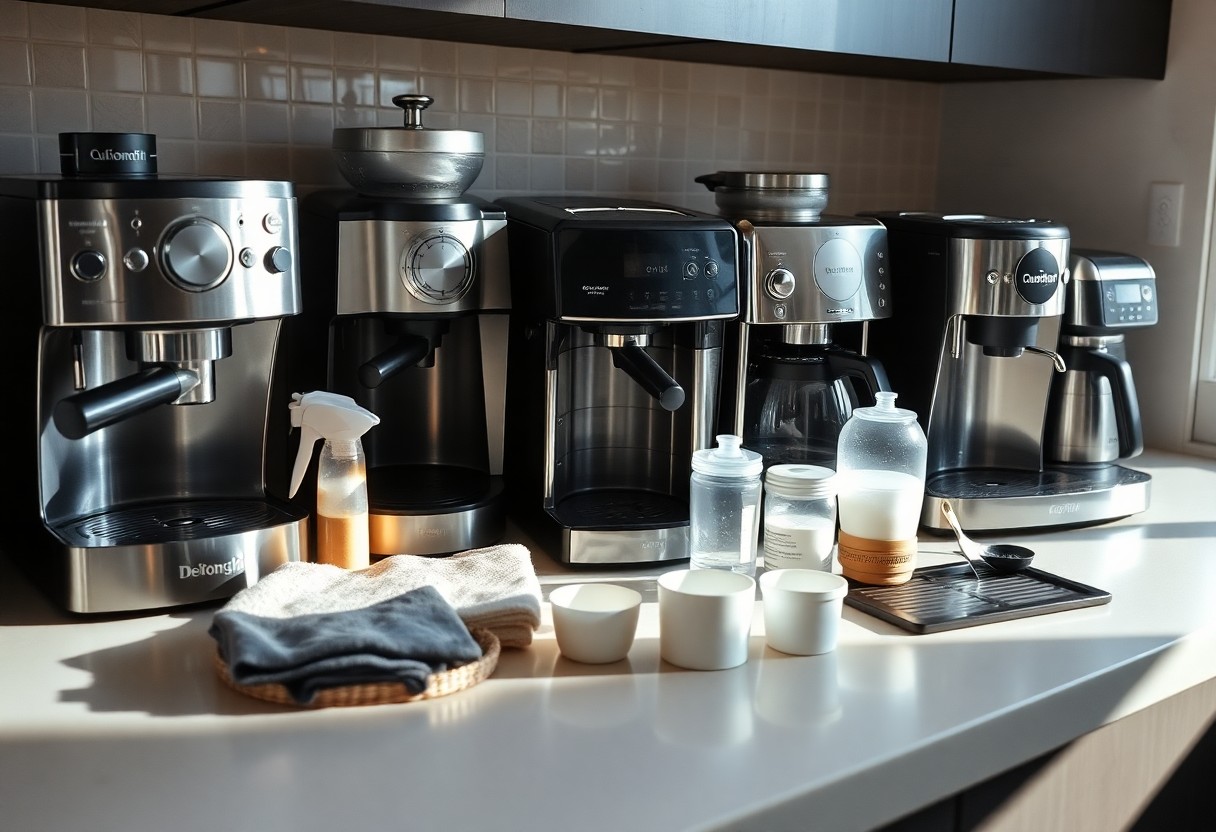
With your coffee machine now sparkling clean, it’s time to focus on elevating your brewing experience. A freshly maintained machine not only serves up better tasting coffee but also maximizes the efficiency of each brew. Explore new coffee beans, perfect your grind size, and try varying water temperatures to find your ideal cup. Balancing these elements after a thorough cleaning can radically enhance your daily ritual, transforming a simple cup of coffee into a luxurious experience.
Techniques for Enhancing Brew Quality
Focusing on brew quality begins with selecting high-quality coffee beans and adjusting your grind size according to your brewing method. Experimenting with brewing times and water-to-coffee ratios can also lead to a richer flavor profile. Consider investing in a quality burr grinder for precise control over grind consistency, which is key in maximizing the extraction of coffee flavors.
Tips for Long-Term Care and Preservation
Long-term care of your coffee machine requires consistency and the right maintenance routine. Regularly descale your machine as mineral buildup can hinder performance, impacting both taste and efficiency. Keep the exterior clean with a gentle detergent, and ensure all removable parts are washed regularly to prevent any residue buildup. Store your machine in a cool, dry place and use filtered water to safeguard against chlorine and other contaminants. The integrity of your coffee machine directly reflects on the quality of your brews.
- Regular descaling prevents mineral buildup.
- Use filtered water to enhance flavor and prolong machine life.
- Clean removable parts consistently to avoid residue.
- Store in cool, dry places to maintain functionality.
Over time, implementing these proactive long-term care strategies will help in preserving your coffee machine’s functionality. Descaling every 1-3 months based on usage frequency can significantly extend the lifespan of the internal heaters and pumps. Additionally, ensuring all water used is filtered prevents mineral deposits that can alter taste and efficiency. Avoid leaving water in the machine for extended periods, as stagnant water can also contribute to residue buildup and bacterial growth. The aim is to create an optimal environment for both your coffee machine and your coffee.
- Proactive maintenance leads to prolonged lifespan.
- Stagnant water should be avoided to prevent bacteria growth.
- Consistent cleaning schedules ensure taste quality.
- Monitor usage frequency for optimal descaling timing.
Summing up
To wrap up, maintaining your coffee machine across various brands requires tailored cleaning techniques that enhance performance and longevity. By following the specific guidelines for your machine, such as descaling, washing removable parts, and ensuring proper water filtration, you can keep your coffee experience enjoyable. Regular maintenance not only preserves flavor but also extends the lifespan of your equipment. Invest time in these practices, and you’ll savor rich, delicious coffee every day.
FAQ
Q: How often should I clean my coffee machine?
A: It is recommended to clean your coffee machine every 1-3 months, depending on usage. Machines that are used frequently may require monthly cleanings, while those used less often can typically be cleaned every few months. Regular maintenance ensures optimal performance and coffee flavor.
Q: What are the steps to clean a drip coffee maker?
A: To clean a drip coffee maker, start by emptying the carafe and filter basket. Mix equal parts vinegar and water, and pour it into the water reservoir. Run a brewing cycle, stopping halfway to let the solution sit for 30 minutes. Finish brewing, then run two cycles with plain water to rinse any vinegar residue.
Q: How do I descale my espresso machine?
A: Descaling an espresso machine involves using a descaling solution specifically designed for coffee machines. Start by emptying the water reservoir and adding the descaling solution mixed with water according to the manufacturer’s instructions. Run the machine as if you were brewing coffee, and follow up with multiple rinse cycles of clean water to remove any descaling agent.
Q: Are there any special considerations for cleaning single-serve coffee makers?
A: Yes, single-serve coffee makers often have unique components. It’s important to periodically clean the needle that punctures the coffee pods, as it can become clogged. Additionally, run a cycle with a mixture of water and vinegar through the machine to clean the internal parts, and rinse with clean water afterward.
Q: What can I use to clean the exterior of my coffee machine?
A: For the exterior of your coffee machine, a soft cloth dampened with warm soapy water is sufficient. Avoid abrasive cleaners that may scratch the surface. It’s best to wipe down the machine regularly to prevent coffee stains and dust buildup, ensuring it looks good and remains hygienic.