What Coffee Goes in an Espresso Machine – Bean Selection

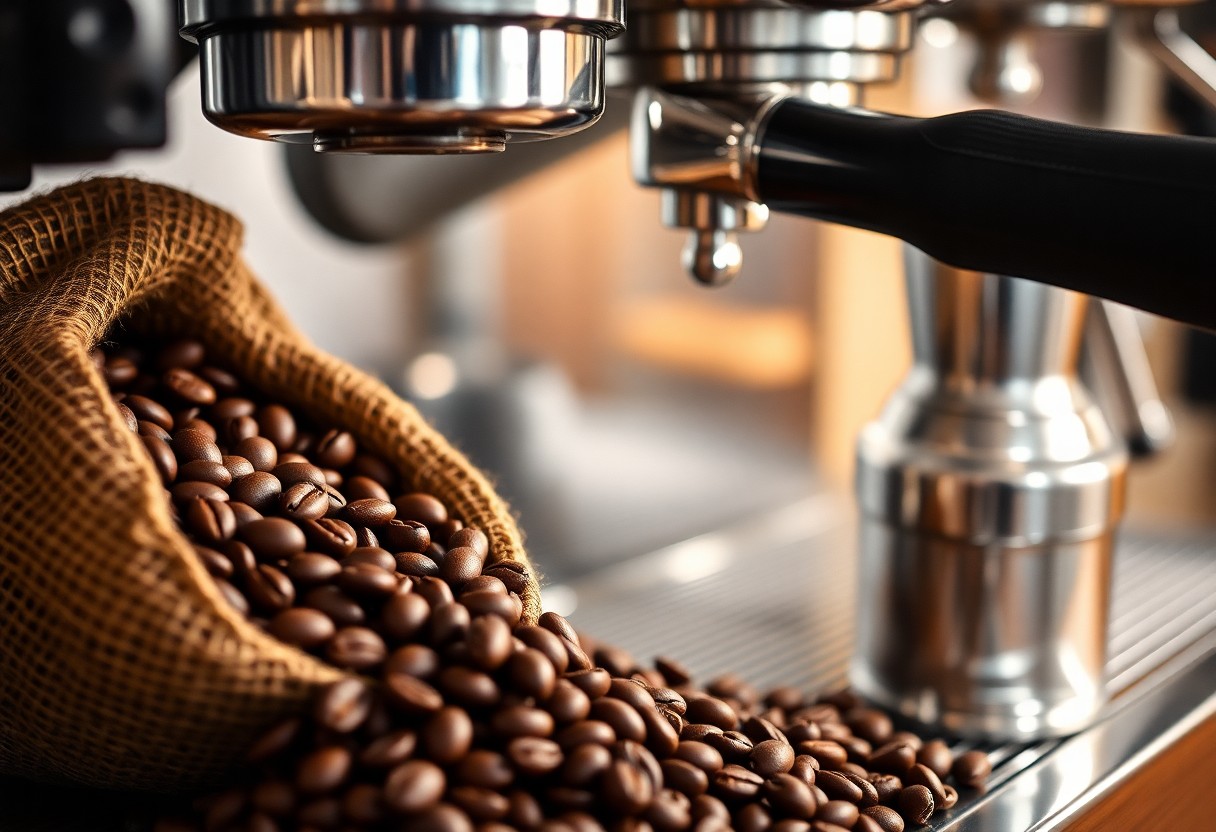
Just like a well-prepared meal, the quality of your espresso significantly depends on your choice of beans. Opt for fresh, high-quality coffee beans to ensure a rich and flavorful shot. Look for beans that are roasted specifically for espresso, often labeled as such, as they tend to have a balance of sweetness, acidity, and body. Experiment with different origins and roast levels to find the perfect match for your taste. Your selection will not only influence the taste but also the crema and overall experience of your espresso.
Key Takeaways:
- Opt for high-quality Arabica or a blend of Arabica and Robusta beans for optimal flavor and crema.
- Look for freshly roasted beans, preferably used within two to four weeks of roasting for the best taste.
- Choose a grind size that is fine but not too powdery to ensure proper extraction during the brewing process.
- Consider the roast profile that aligns with your taste preferences, whether light, medium, or dark roasts.
- Experiment with different origins and flavor notes to find the perfect beans that suit your espresso style.

Selecting Beans for Espresso: The Essentials
Choosing the right beans for your espresso is fundamental to achieving a robust and flavorful shot. Focus on high-quality beans, ideally characterized by a blend of Arabica for sweetness and Robusta for body and crema. For comprehensive guidance on the finest options, check out Best Coffee Beans For Espresso. Kev’s 2025 UK Reviews. Quality sourcing is equally important; always seek beans that are recently roasted to ensure maximum freshness and flavor potency.
Understanding Roast Levels: Dark vs. Light
Roast levels play a significant role in flavor profiles. Dark roasts provide a bold, rich taste with less acidity, making them popular for traditional espresso. In contrast, light roasts reveal fruity and floral notes that can enhance the complexity of your brew. Each offers unique qualities, so consider what fits your palate best.
The Importance of Freshness: Coffee Peak and Beyond
Freshly roasted coffee significantly impacts the overall taste and aroma of your espresso. Beans generally reach their peak flavor within 7 to 14 days post-roasting. After this peak, the flavors can begin to dull due to oxidation. To enjoy your espresso at its finest, aim to use beans within two weeks of roasting and store them in an airtight container away from light and heat.
A deep understanding of freshness can transform your espresso experience. Once coffee beans are roasted, they undergo a delicate aging process where flavors evolve. Utilization within the first couple of weeks ensures you harness the vibrant notes inherent in the beans. After this window, while the beans may still be usable, you risk losing intriguing flavors, ultimately resulting in a less satisfying cup. Prioritize freshness for an espresso that truly delights.
The Flavor Profile Dilemma: Balancing Acidity and Sweetness
Finding that perfect balance between acidity and sweetness is vital for a delicious espresso shot. High acidity creates a bright and lively flavor profile, while a natural sweetness enhances the overall experience. However, too much acidity can overshadow the richness that a well-prepared espresso should have, leading to a sharp taste that’s less enjoyable. A well-rounded blend allows these two elements to harmonize, resulting in depth and complexity with a satisfying finish.
Tasting Notes: What to Look For
As you taste different espressos, pay attention to the layered flavors present in each sip. Look for notes such as chocolate, caramel, or fruit, which indicate a balanced sweetness. Additionally, note if there’s a vibrant acidity that complements rather than clashes with these flavors, creating a more nuanced cup. Keep in mind that individual preferences will vary, so take your time to discover your ideal flavor combination.
Regional Varieties: How Geography Shapes Flavor
Your choice of coffee beans can be influenced significantly by regional factors that affect flavor. For instance, beans from Central America often exhibit a bright acidity, while those from Brazil are known for their nutty and chocolatey profiles. African coffees, particularly from Ethiopia, are famous for their floral and fruity notes, delivering unique tasting experiences. Understanding these regional characteristics allows you to select beans that align with your desired espresso flavor profile.
The coffee journey begins long before it reaches your espresso machine, with geography playing a key role in shaping the beans. Altitude, climate, and soil composition all contribute to the nuances found in each bean. For instance, coffees from high-altitude regions, such as Colombia, typically develop a more pronounced acidity alongside a vibrant flavor profile due to the slower maturation process. Conversely, beans grown in lower altitudes, like those from Sumatra, often yield a thicker body and earthier flavors. By exploring these origins, you can better tailor your selection to suit the taste experience you’re aiming for in your espresso.
Blend vs. Single Origin: Making the Right Choice
The choice between blends and single origin coffee ultimately influences the flavor profile of your espresso. Blends offer a harmonious combination of flavors, while single origin beans present a seasonal snapshot of a specific locale. Your preferences can guide this decision, bringing you closer to the espresso experience that resonates with your palate.
Benefits of Blends: Complexity and Consistency
Blends bring together various beans, offering a rich tapestry of flavors and aromas. They are designed to create a balanced profile, making them consistently reliable in taste. By mixing beans from different regions, roasters achieve complexity that can enhance body and acidity, ensuring your espresso remains enjoyable cup after cup.
Single Origin Advantages: Unique Character
Single origin coffee allows you to experience the distinct flavor palette of one specific region. Each harvest captures the unique conditions of the growing area, resulting in a cup that tells a story of its provenance. Whether it’s a bright Ethiopian Yirgacheffe or a bold Sumatran Mandheling, single origin coffees showcase terroir and unique processing methods, making every sip a unique journey for your taste buds.
Exploring single origin coffees can transform your espresso ritual. The flavors reflect not just the growing region but also the farmer’s care and the processing techniques employed. For instance, a lightly processed natural coffee from Brazil may exhibit fruity notes and a syrupy body, while a washed coffee from Colombia is likely to present a clean, bright acidity. By focusing on a single origin, you can appreciate these nuances and broaden your understanding of coffee’s complexity. Each cup reveals a legacy, inviting you to savor its individuality.
Grind Size and Brewing Method: Perfecting the Espresso
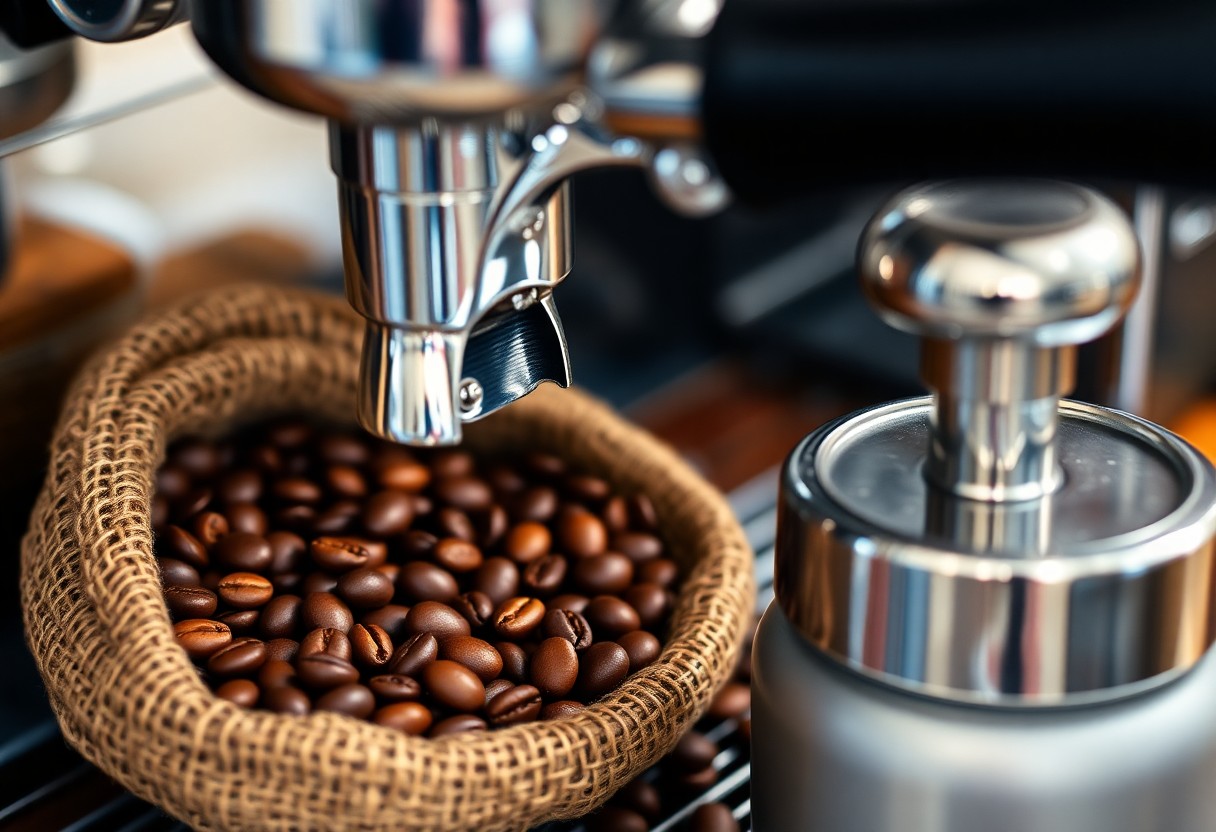
The grind size of your coffee beans directly affects the extraction process in your espresso machine. A finer grind allows for more surface area, promoting a quicker extraction which is vital for that rich, concentrated flavor that espresso is known for. You’ll need to strike a balance, as too fine a grind can lead to over-extraction, resulting in bitterness, while too coarse can produce under-extracted, weak shots. Understanding how grind size interacts with your specific brewing method can elevate your espresso game significantly.
The Science of Grind: Coarse vs. Fine
Choosing between a coarse or fine grind is about your brewing duration and technique. For espresso, you need a fine grind, often resembling powdered sugar. This allows the water to flow through the grounds at the right pressure and duration—typically 25-30 seconds—to yield that coveted, balanced shot. Coarser grinds, meanwhile, are best suited for longer brewing methods like French presses, where extended contact time is needed for optimal extraction.
Espresso Machine Specifications: Matching Beans with Equipment
Your espresso machine’s specifications play a significant role in determining the best bean selection and grind size. Machines with higher pressure systems, like 9 bars or more, can extract from finer grinds more effectively, bringing out full flavor potential. In contrast, entry-level machines may require slightly coarser grounds due to lower pressure, impacting flavor and crema quality.
A deeper dive reveals that different espresso machines vary in their design and functionality. For instance, prosumer machines typically feature advanced temperature control and pressure profiling capabilities, allowing you to fine-tune your extraction and adjust for different bean types. Additionally, dual boiler machines provide the ability to brew and steam simultaneously, enhancing efficiency. If you have a machine with limited pressure adjustments, opting for beans with a more forgiving flavor profile, such as a medium roast, can help mitigate extraction issues when using varying grind sizes. The match between your beans and machine specifications can be a game-changer in achieving that perfect espresso shot.
Pre-Infusion and Extraction Techniques: Maximizing Flavor
Maximizing flavor in your espresso relies heavily on the method of pre-infusion and extraction. By allowing a small amount of water to saturate your coffee grounds before the full extraction, you enable the coffee to bloom, extracting oils and aromas effectively. This process can enhance the overall complexity and sweetness of your espresso, resulting in a richer and more balanced shot. Understanding how to manipulate time and technique will lead to a better tasting experience.
Experimenting with Brew Time: Finding the Sweet Spot
Finding the right brew time is a matter of experimentation. Shorter extraction times yield sharper flavors, while longer durations can deepen the complexity but risk bitterness. Aim for a brew time between 25 to 30 seconds as a starting point, and adjust in small increments to discover your desired flavor profile. Note that even a small change could significantly alter the outcome, so take careful notes as you explore.
Water Temperature and Pressure: Fine-Tuning Your Espresso
Optimizing water temperature and pressure dramatically impacts your espresso’s flavor. Ideal brewing temperatures range from 90 to 96 degrees Celsius (194 to 205 degrees Fahrenheit) for extraction. Pressure should be maintained at around 9 bars, ensuring a consistent flow of water through your grounds. Small variances in these factors can lead to under-extraction or over-extraction, which directly affects taste, texture, and aroma.
| Temperature Range | 90-96°C (194-205°F) |
| Recommended Pressure | 9 bars |
Fine-tuning the temperature and pressure during extraction is important for achieving an optimal flavor profile. Higher temperatures can lead to over-extraction, causing a bitter aftertaste, while lower temperatures may not extract enough oils and sugars, resulting in a flat profile. Maintaining consistent pressure at 9 bars allows for an even flow of water, ensuring all coffee grounds are extracted uniformly. Regular calibration of your espresso machine can help achieve these parameters more reliably, enhancing your brewing consistency and resulting cup quality.
| Ideal Temperature for Extraction | 90-96°C (194-205°F) |
| Pressure for Optimal Flavor | 9 bars |
Final Words
From above, selecting the right coffee beans for your espresso machine can greatly enhance your brewing experience. You’ll want to choose high-quality coffee that’s specifically roasted for espresso, as this ensures optimal flavor extraction. Look for beans that provide a balance of richness and acidity, catering to your personal taste preferences. If you’re curious about the specifics, check out this article on Why are certain coffee beans labeled for espresso? to deepen your understanding and make informed choices. Enjoy the journey of discovering your perfect espresso blend!
FAQ
Q: What types of coffee beans are best for espresso machines?
A: The best coffee beans for espresso machines are typically Arabica and Robusta. Arabica beans are known for their smooth, complex flavors, while Robusta beans offer a stronger, more bitter taste with a higher caffeine content. A blend of both can create a well-rounded espresso.
Q: Should I choose dark roast or light roast coffee for my espresso machine?
A: Dark roast coffee is traditionally favored for espresso due to its rich, bold flavors and ability to deliver a strong shot. However, light roast coffee can also produce a unique and vibrant flavor profile. The choice between the two ultimately depends on personal preference and the flavor experience you seek.
Q: How finely should I grind my coffee for espresso?
A: Coffee for espresso should be ground to a fine consistency, similar to table salt. This allows for optimal extraction during the brewing process, resulting in a rich and full-bodied shot. Experimenting with grind size can help you achieve the perfect balance based on your coffee type and taste preferences.
Q: Does the origin of the coffee beans matter for espresso?
A: Yes, the origin of coffee beans can significantly influence flavor, aroma, and body in your espresso. Beans from different regions, such as South America, Africa, or Asia, boast unique characteristics. Trying beans from various origins can help you discover which flavors resonate most with your palate.
Q: Is it advisable to use pre-ground coffee in an espresso machine?
A: While using pre-ground coffee can be convenient, it may compromise flavor and freshness. Freshly ground coffee beans yield a more aromatic and flavorful espresso. If using pre-ground coffee is necessary, seek high-quality options and ensure they are packaged for freshness to maximize flavor potential.