What to Look for When Buying a Coffee Machine – Purchase Checklist

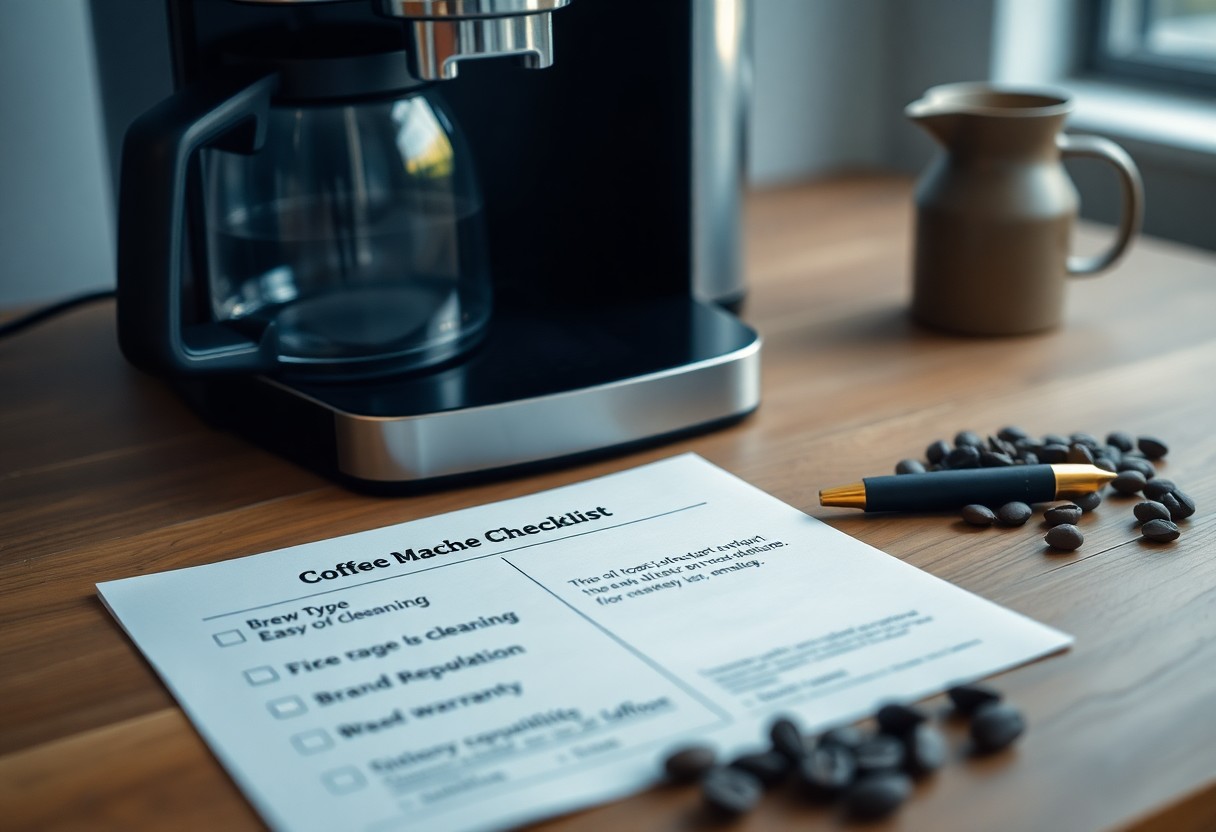
Just stepping into the world of coffee machines can feel overwhelming, especially with so many options available. As you initiate on this journey, it’s crucial to consider factors like brew quality, ease of use, and maintenance requirements. You want a machine that not only fits your lifestyle but also enhances your coffee experience. This guide serves as your purchase checklist to help you make an informed decision. For specific insights, check out our article on What to Look for When Buying an Espresso Machine.
Key Takeaways:
- Determine the type of coffee machine that suits your needs: espresso, drip, single-serve, or manual pour-over.
- Consider the brewing capacity and size of the machine to fit your kitchen space and daily consumption.
- Evaluate the features such as programmable settings, built-in grinders, and milk frothers for added convenience.
- Look into the ease of cleaning and maintenance to ensure longevity and consistent performance of the machine.
- Check customer reviews and warranty options to gauge reliability and manufacturer support.
Decoding Your Coffee Preferences
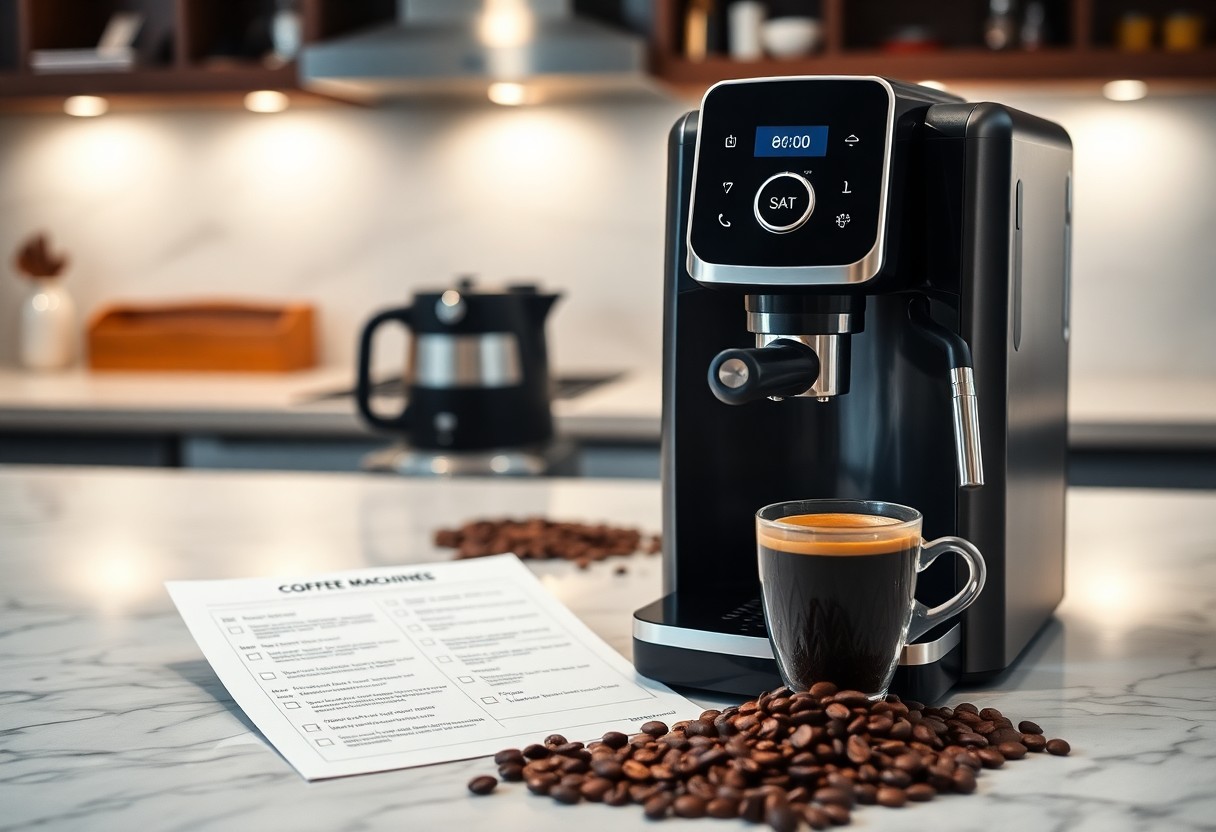
Your coffee experience hinges on understanding your personal tastes and favorites. Begin by reflecting on the types of coffee you’ve enjoyed in the past. Are you a fan of bold espressos, or do you lean towards smooth, creamy lattes? Identifying your specific preferences will guide you in selecting a coffee machine that complements your style and enhances your daily ritual.
Identifying Your Brew Style
Consider how you like your coffee prepared. Do you crave the speed of a pod machine, or do you savor the process of manually brewing pour-over? Assessing whether you value convenience or the art of brewing can significantly narrow down your options. Each brew style can influence the flavor and strength of your coffee, so choose one that aligns with your lifestyle.
Flavor Profiles and Roast Choices
Your taste in coffee is largely shaped by the flavor profiles you enjoy, which can range from fruity and floral to dark and nutty. Selecting the right roast is pivotal; light roasts tend to highlight natural flavors and acidity, while dark roasts usually offer a robust, bold taste with a lower acidity level. Experimenting with various blends can help you discover which roast resonates with your palate.
Delve deeper into the world of flavor profiles by exploring different origins and processing methods. For instance, Ethiopian coffees often exhibit bright, fruity notes, while Brazilian beans can bring chocolatey richness to your cup. By trying out various single-origin coffees and blends, you gain a better understanding of what suits your taste buds. This knowledge not only enhances your coffee-drinking experience but also lets you appreciate the intricate complexities of each brew you encounter.
The Tech Behind Brewing: Features That Matter
Understanding the technology behind coffee machines enhances your brewing experience. Different features can greatly impact the flavor and quality of your brew, allowing for customization to suit your palate. From precise temperature control to grind size adjustments, every detail can be fine-tuned to achieve that perfect cup of coffee you crave.
Brewing Mechanisms Explained
Various brewing mechanisms influence the extraction process and the flavor profile of your coffee. Machines commonly feature drip, espresso, or French press methods, each offering unique advantages. Espresso machines utilize high pressure to extract rich flavors, whereas drip coffee makers create a lighter, smooth taste through saturated grounds and gravity.
Smart Features and Connectivity
Not only do modern coffee machines offer diverse brewing methods, but many also come equipped with smart features and connectivity options. Wi-Fi-enabled machines allow you to control brewing times and strength from your smartphone, tailoring the experience to your schedule. Voice commands via virtual assistants like Alexa or Google Assistant can further streamline your morning routine, making coffee preparation almost effortless.
These smart features can significantly enhance convenience in your daily routine. For example, you can program your coffee machine to start brewing as soon as you wake up, ensuring a fresh cup is ready to greet you. Sensors may alert you when water levels are low, and some models even suggest brew recipes based on your preferences or previous choices. The seamless integration of technology makes brewing not just efficient but also a customized experience every day.
Budgeting for Your Perfect Brew
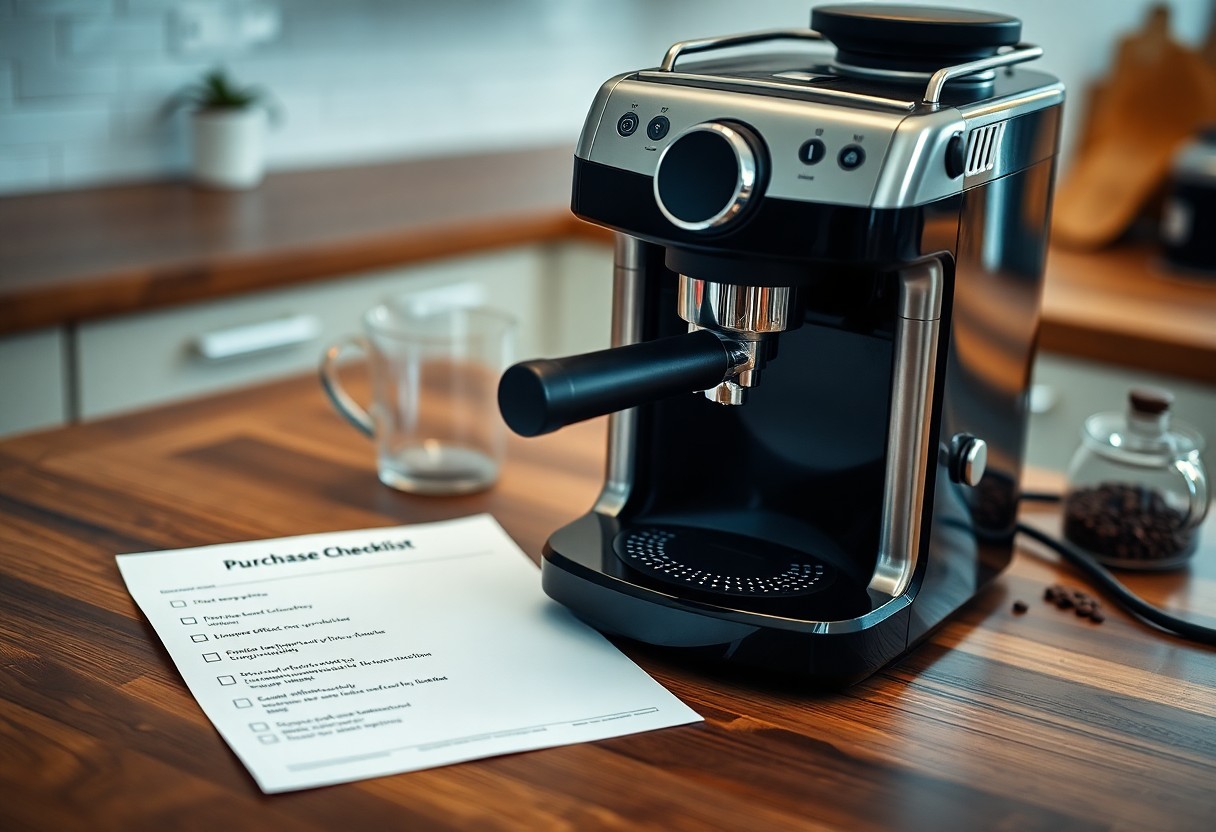
Establishing a budget for your coffee machine is key in ensuring you find a model that meets your needs without breaking the bank. By setting a clear price range, you allow yourself the flexibility to explore various machines, from basic models to high-end espresso makers. Keep in mind that the right choice balances functionality, durability, and price, helping you enjoy your perfect cup of coffee every day.
Understanding Price Ranges
Coffee machines vary widely in price, ranging from as little as $20 for basic drip coffee makers to upwards of $3,000 for advanced espresso machines. A good entry-level machine typically costs between $100 and $500, offering important features and reasonable performance. Mid-range options, priced at $500 to $1,500, often include advanced technologies and customizable settings.
Evaluating Long-Term Costs
Long-term costs associated with coffee machines often exceed the initial purchase price. Consider factors like maintenance, replacement parts, and ongoing supplies such as coffee beans and filters. For instance, a high-quality espresso machine may require periodic descaling and professional servicing, which can add hundreds to the overall expenditure. Additionally, if your machine requires specialty coffee or pods, those expenses can accumulate significantly.
A smart investment today could save you time and money in the long run. More efficient machines often utilize energy-saving features, while higher-end models might need fewer coffee grounds or brew cycles to deliver superior taste. For instance, if you spend $250 on a drip coffee maker, but end up purchasing premium coffee and filters yearly, your total annual cost could accumulate to over $500. On the other hand, investing $700 in a specialty espresso machine that yields excellent coffee quality may justify the upfront expense when you factor in fewer trips to local cafes. Understanding these ongoing costs can help shape your budget decisions.
Real Estate Considerations: Space and Design
Optimal coffee machine selection requires consideration of both the physical space you have and the overall design of your kitchen. A limited countertop area can dictate the type and size of the machine, while an elegantly designed coffee maker can enhance the aesthetic of your home. Assess your available real estate carefully, ensuring that your new appliance not only fits comfortably but also complements your kitchen setup.
Kitchen Compatibility
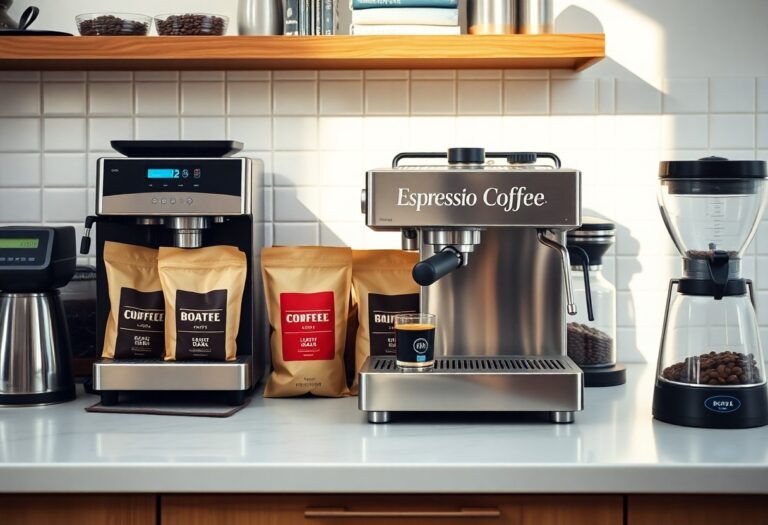
Evaluate your kitchen’s layout to ensure functionality with your coffee machine. Consider power sources, proximity to the sink for easy brewing and maintenance, and whether you require extra space for accessories such as grinders or milk frothers. Compact models may be more suitable for tighter spaces, while larger machines often offer additional features that cater to coffee enthusiasts.
Aesthetic Appeal and User Interaction
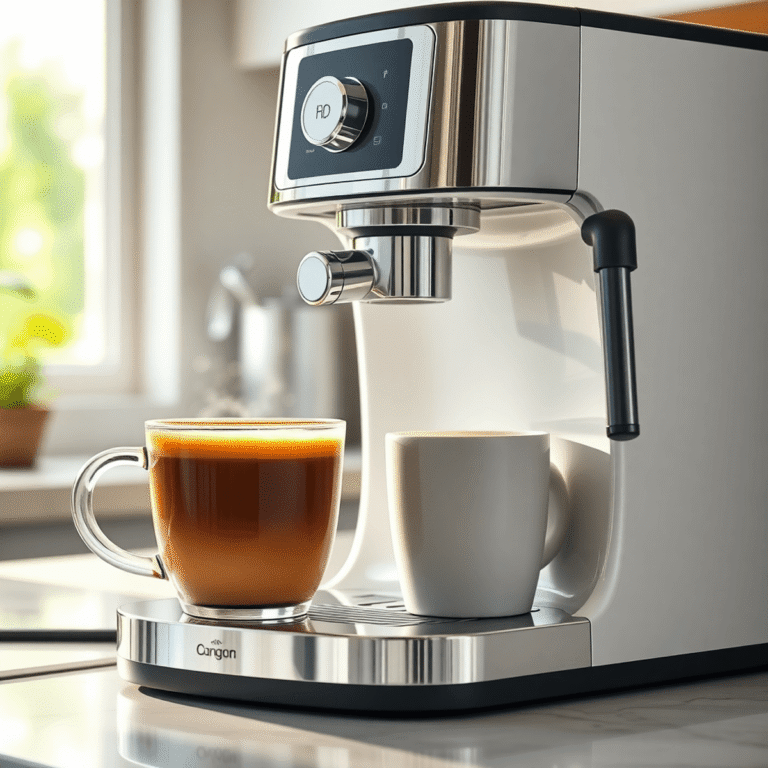
Your coffee machine should resonate with your design preferences and be user-friendly, enhancing both its practicality and visual appeal. A well-designed machine can serve as a centerpiece, sparking conversation during gatherings. Opt for finishes like stainless steel or sleek matte colors that can seamlessly fit into various kitchen themes while ensuring the controls are intuitive and easy to navigate.
A coffee machine is not just an appliance but a piece of art that should invite interaction. Think about how the design complements your kitchen’s style. A vintage-inspired machine may pair well with rustic décor, while a modern, minimalist model could suit a contemporary setting. Beyond looks, the user interface matters. Machines with a simple touchscreen or physical knobs make for a more satisfying experience while brewing your favorite cup. Investing time in choosing the right design can elevate not only your coffee enjoyment but also the entire cooking space’s aesthetics.
Reviews and Recommendations: Where to Find Trustworthy Insights
Finding trustworthy insights on coffee machines can significantly inform your purchasing decision. Renowned review websites, specialty coffee bloggers, and consumer review platforms are invaluable resources. Look for detailed analysis and comparisons to gauge performance, durability, and ease of use. Forums and social media platforms also host discussions where enthusiasts share their experiences, often revealing the pros and cons of specific models. By cross-referencing multiple sources, you can paint a clearer picture of which coffee machine aligns best with your preferences.
Evaluating Expert Opinions
Expert opinions can provide a deeper understanding of a coffee machine’s performance. Professionals in the coffee industry often conduct comprehensive reviews, considering aspects such as brewing technology, flavor profiles, and maintenance requirements. Look for reviews from established baristas or industry publications that highlight the outcomes of rigorous testing. Their insights often reflect firsthand experience, making their evaluations particularly valuable for making informed decisions.
Navigating User Reviews for Genuine Feedback
User reviews present a wealth of genuine feedback about coffee machines. When submerging into these reviews, focus on patterns rather than isolated remarks. Pay special attention to comment sections where users discuss not only the quality of their brews but also any issues they’ve encountered over time. This real-world feedback can reveal hidden pitfalls, alongside notable strengths, ultimately guiding you toward a purchase that best suits your needs.
Seeking out user reviews allows you to uncover practical insights about the coffee machine’s long-term performance. Websites like Amazon and specialty coffee forums often provide a range of experiences from various users. Check the ratio of positive to negative reviews and look for detailed explanations behind the ratings. Users will highlight aspects such as ease of cleaning, build quality, and customer service experiences, helping you to gauge whether a coffee machine is worthy of your investment or if potential issues are to be taken seriously. Evaluating these reviews not only helps you to make a more informed choice but also enhances your understanding of how different machines perform in everyday settings.
To wrap up
Ultimately, when buying a coffee machine, you should consider your brewing preferences, the machine’s features, maintenance requirements, and your budget. Assess the size and design to ensure it fits your kitchen space, and think about whether you want a basic brewer or a multifunctional model. Prioritize ease of use and cleaning, as these factors will enhance your daily coffee experience. By following this checklist, you can confidently choose a coffee machine that best suits your lifestyle and taste preferences.
FAQ
Q: What types of coffee machines are available on the market?
A: When looking for a coffee machine, you’ll encounter various types, including drip coffee makers, single-serve machines, espresso machines, French presses, and pour-over kits. Each type offers different brewing methods and flavor profiles. Drip coffee makers are great for larger batches, while single-serve machines provide convenience for quick cups. Espresso machines are ideal for those who enjoy specialty coffee drinks, and manual methods like French presses and pour-overs can offer richer flavors.
Q: What features should I consider when choosing a coffee machine?
A: Key features to look for include brew size options, programmable settings, built-in grinders, and temperature control. Some machines come with a timer function and automatic shut-off for added safety and convenience. Additionally, consider whether you want features like milk frothers for lattes or cappuccinos, as well as ease of cleaning and maintenance. A user-friendly interface can also make the brewing experience more enjoyable.
Q: How much should I expect to spend on a quality coffee machine?
A: The price range for coffee machines varies widely based on their type and features. Basic drip coffee makers can start around $20, while high-end espresso machines can exceed $1,000. Generally, investing around $100-$300 will yield a reliable machine with good features. Be sure to consider long-term value, including the cost of filters, maintenance, and other accessories when making your budget.
Q: How important is the brand reputation when selecting a coffee machine?
A: Brand reputation can play a significant role in the reliability and quality of your coffee machine. Established brands often have a history of producing durable products and providing customer support. Research customer reviews and ratings to gauge user satisfaction and the machine’s performance. This can help you avoid potential issues and ensure you choose a coffee maker that meets your needs.
Q: Should I prioritize ease of cleaning and maintenance in a coffee machine?
A: Yes, ease of cleaning and maintenance is an important consideration. Machines with removable parts, such as water reservoirs and drip trays, are generally easier to clean. Look for models that have dishwasher-safe components or self-cleaning options. Regular maintenance, including descaling and replacing filters, can also enhance the longevity and performance of your coffee machine. A machine that is simple to maintain will ensure you enjoy fresh coffee without hassle.