Which Ground Coffee is Best for Espresso Machine – Pre-Ground Excellence

Many coffee enthusiasts often wonder what type of ground coffee works best with their espresso machine. The right choice can elevate your coffee experience, enhancing its flavors and aromas. While fresh grinding is ideal, pre-ground coffee can still yield impressive results when you select the right blend. In this guide, you will discover which properties make pre-ground coffee suitable for espresso and learn how to maximize your brewing experience.
Key Takeaways:
- Look for coffee labeled specifically for espresso to ensure optimal flavor extraction and crema development.
- Medium to dark roast coffees typically work best for espresso machines, offering a rich and bold taste.
- A fine grind size is necessary for espresso, allowing for proper pressure and extraction during brewing.
- Consider blends that include Arabica beans for a balanced sweetness and Robusta beans for added crema and intensity.
- Always check the roast date on pre-ground coffee to ensure freshness, as older coffee can lead to a lackluster espresso experience.
The Flavor Profile Spectrum: What Makes an Espresso Exceptional?
The essence of a remarkable espresso lies within its intricate flavor profile, which ranges from bright and fruity to deep and chocolatey. A blend of sweetness, acidity, and a well-balanced body creates a compelling experience that tantalizes your taste buds. Exceptional espresso often exhibits distinctive notes that can evoke memories of different origins or roasting techniques. This spectrum is forged from the vibrant components found in various coffee beans, making the choice of coffee crucial in achieving that perfect cup.
Unpacking Flavor Profiles: Sourcing Quality Beans
Your journey to an exquisite espresso begins with carefully sourced quality beans. Different regions—like Ethiopia, Colombia, and Brazil—offer unique flavor traits due to varying climates, altitudes, and processing methods. Ethiopian beans might give you powerful floral notes, while Colombian varieties tend to highlight chocolatey undertones. When opting for pre-ground coffee, look for blends that showcase these vibrant qualities, prioritizing single-origin beans or reputable blends to enhance your espresso experience.
The Role of Roasting: Light, Medium, and Dark Explained
Roasting significantly influences the flavors and aromas in your espresso. Light roasts often shine with pronounced acidity and fruity notes, making them bright and lively. Medium roasts strike a good balance, bringing forth sweetness while still showcasing complexity. Dark roasts may deliver heavier, bolder flavors, offering notes of chocolate or caramel, but can potentially mask the more subtle characteristics of the bean. Understanding these differences will help you choose a roast that aligns with your palate.
Light roasts maintain a high acidity level, emphasizing the distinct characteristics of the bean itself, which is ideal if you appreciate vibrant flavors. Medium roasts transition into a harmonious blend of acidity and sweetness, providing a well-rounded taste that pleases many enthusiasts. Dark roasts take a bold stance, emphasizing deep flavors while often sacrificing some of the delicate traits present in lighter roasts. Selecting the right roast depends on your personal preference for subtle complexity or robust intensity, ultimately shaping your espresso journey.
Grind Size Matters: Finding the Perfect Texture for Extraction
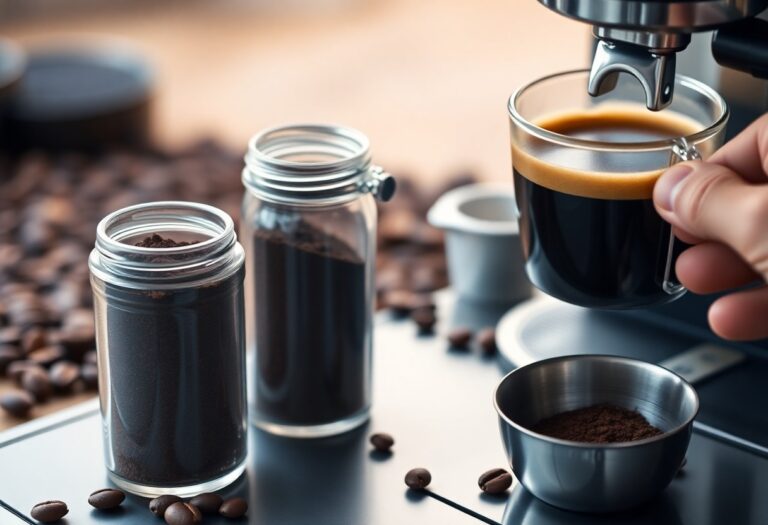
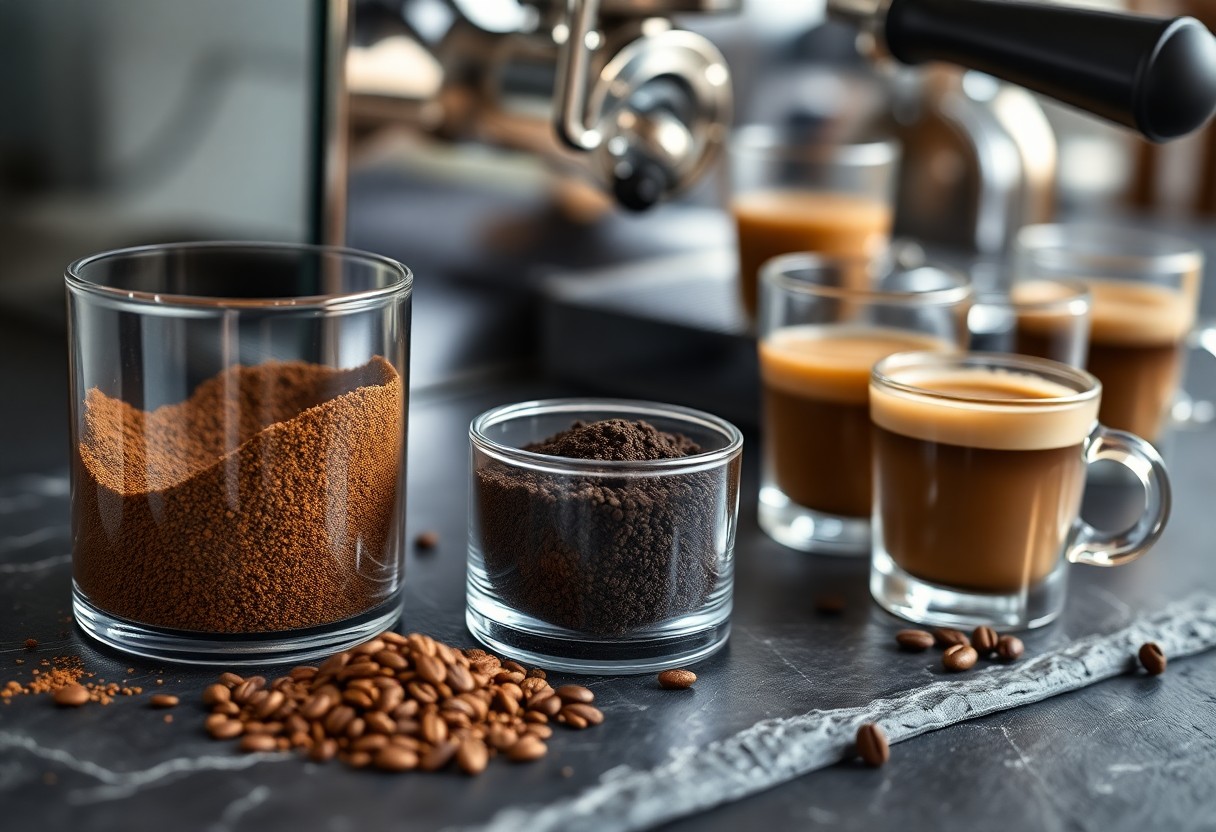
The grind size of your coffee significantly impacts the extraction process and overall flavor of your espresso. Finding the right texture is vital, as it affects the flow rate of water through the coffee grounds and the final taste in your cup. A fine grind increases surface area, allowing for quicker extraction; however, too fine can lead to over-extraction and bitterness. Conversely, a coarser grind may result in under-extraction and a weak flavor. Balancing these factors helps you achieve that rich, full-bodied espresso you desire.
The Science of Grind Size: Impacts on Pressure and Flavor
Your choice of grind size alters the pressure applied during extraction, directly influencing the espresso’s richness and profile. A finer grind increases resistance, raising pressure and enhancing flavor extraction, while a coarser grind decreases resistance, leading to lighter notes. The optimal grind size allows your espresso machine to create the perfect balance of pressure and flavor depth, elevating your drinking experience.
How to Match Grind Size with Your Espresso Machine
Matching grind size to your espresso machine involves understanding its brewing characteristics and requirements. Different machines have specific pressure and flow rate capabilities that work best with particular grind sizes. For instance, a high-pressure machine can handle finer grounds, promoting the extraction of oils and flavors, while a lower pressure machine may benefit from a coarser grind to avoid clogging.
To align your grind size with your espresso machine, consider experimenting with small adjustments. Start with a fine grind for machines capable of higher pressures, monitoring the extraction time. Ideally, a standard espresso should take about 25-30 seconds to brew. If the extraction time is too fast, try a finer grind; if too slow, move towards a coarser texture. Testing and adjusting based on feedback from each cup will lead you to the perfect grind that brings out the best flavors your machine can deliver.
Brands That Raise the Bar: Pre-Ground Coffee Worth Trying
Your espresso experience can soar to new heights when you choose from the right brands of pre-ground coffee. Many companies specialize in crafting exceptional blends that deliver rich, robust flavors perfect for espresso machines. Brands like Lavazza, Illy, and Peet’s Coffee stand out in the market, known for their commitment to quality and consistency. These contenders not only offer a delightful taste but also ensure that every brew in your espresso machine is a delicious celebration of coffee artistry.
Top-Tier Brands: Profiles of Excellence
Among the top names, Lavazza offers a range of blends, from the smooth and balanced Super Crema to the intense and bold Gran Espresso, showcasing Italian coffee traditions. Illy, famous for its rich, velvety flavors, is a go-to for coffee connoisseurs who crave perfection. On the other hand, Peet’s Coffee emphasizes dark roasts with complex profiles, catering to those who appreciate deep, pronounced tastes. Each brand brings its unique flair, making them worthy of your attention.
Budget-Friendly Alternatives Without Sacrificing Quality
You don’t have to break the bank to enjoy quality espresso. Options from brands like Starbucks, Eight O’Clock Coffee, and Dunkin’ can provide you with tasty grounds at a more accessible price point.
Starbucks offers a classic Espresso Roast that delivers a rich, caramelized flavor with a hint of sweetness, making it an excellent choice for espresso lovers on a budget. Eight O’Clock Coffee’s 100% Colombian provides a smooth and well-balanced brew that stands up remarkably well for espresso shots. Dunkin’ Coffee has a well-rounded espresso blend that thrives in various brewing methods, giving you value without sacrificing flavor. Affordable yet delicious, these alternatives ensure your espresso routine remains enjoyable without overspending.
The Art of Brewing: Techniques for Maximum Flavor Extraction
Mastering the brewing process is vital for extracting the rich flavors from your pre-ground coffee. Everything, from the way you tamp the coffee grounds to the flow rate of your espresso, plays a role in achieving that perfect shot. By experimenting with various techniques and monitoring your results, you can dial in the best approach to highlight the unique flavor profile of your chosen coffee.
Temperature and Pressure: Getting Your Settings Right
Achieving the right temperature and pressure settings is vital for perfecting your espresso extraction. Ideally, your water temperature should be between 195°F and 205°F, with a pressure of around 9 bars during extraction. Improper settings can lead to either under-extraction, resulting in a sour taste, or over-extraction, which can make your shot bitter. Use the table below to assess optimal settings:
| Parameter | Optimal Range |
|---|---|
| Water Temperature | 195°F – 205°F |
| Pressure | 9 bars |
One Shot vs. Double: How Dose Affects Taste
The choice between a single shot or double shot of espresso significantly influences the overall flavor experience. A single shot uses about 7-9 grams of coffee, while a double shot can range from 14-18 grams. This increased dose contributes to a bolder, more intense flavor profile in double shots, while singles might allow for nuanced floral or fruity notes to shine through more delicately.
When preparing a double shot, consider that the larger dose extracts more oils and compounds, leading to a thicker crema and a richer flavor. This fuller body also creates a different mouthfeel, pulling out various taste notes that a single shot may not emphasize as strongly. Enjoying both options—single and double shots—encourages a deeper appreciation for how the dose directly affects your espresso’s sensory attributes. The balance between flavor strength and complexity becomes even more exciting as you explore each brewing variation.
Common Pitfalls: What to Avoid When Choosing Pre-Ground Coffee
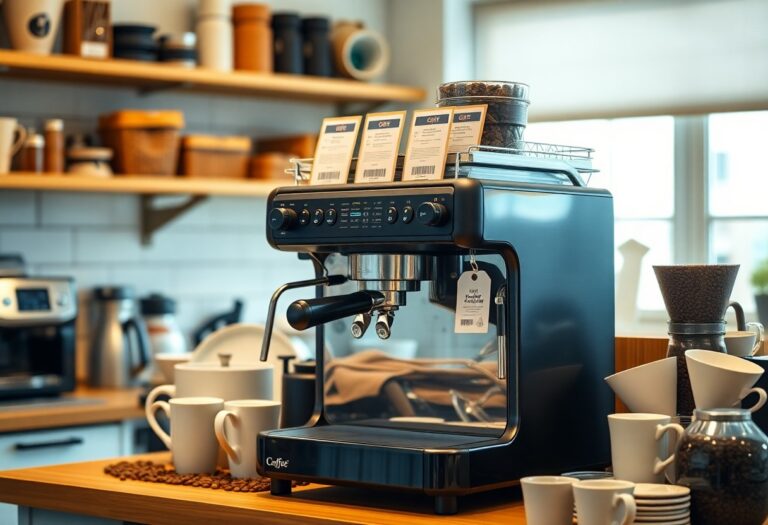
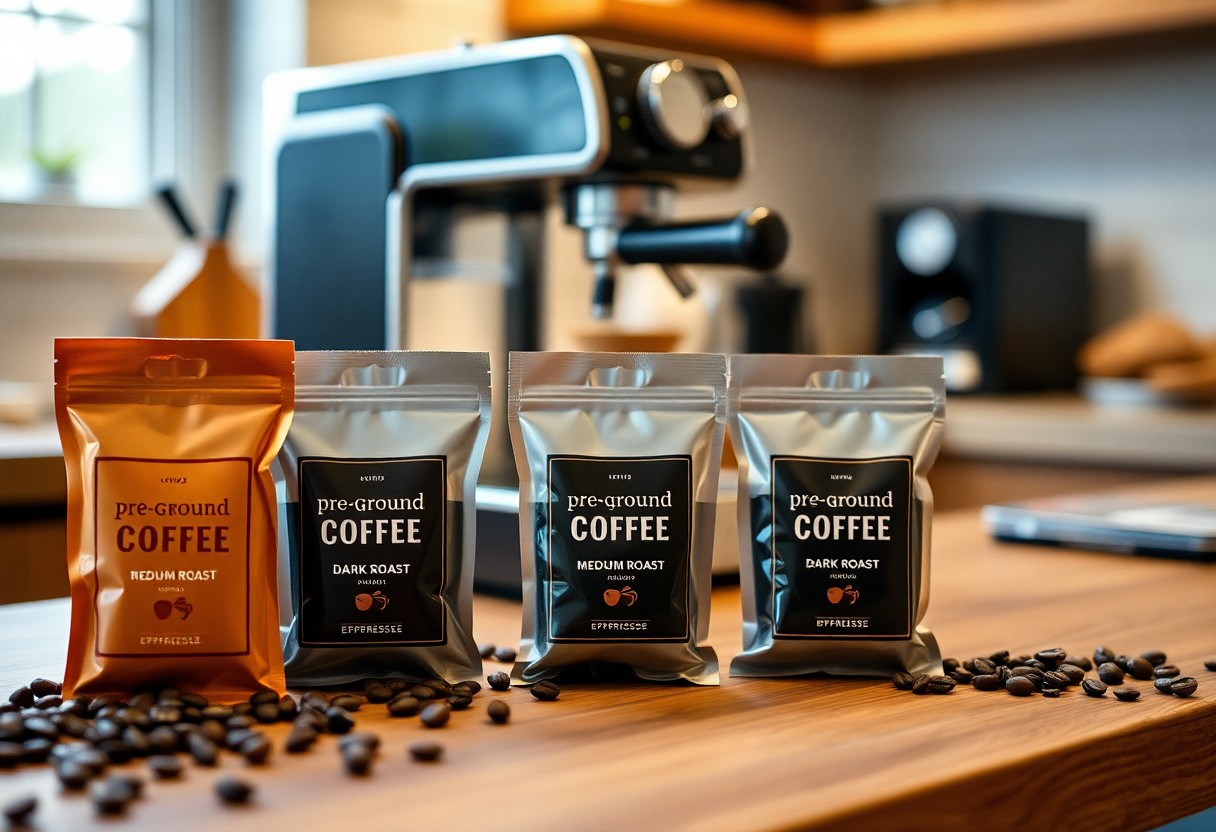
Choosing the right pre-ground coffee can be tricky, especially if you’re unfamiliar with what to look for. Common pitfalls include selecting blends that lack robust flavor or falling for attractive packaging. Avoid coffees with vague descriptions or those that do not clarify their roast date. Storing grounds improperly is another misstep; they should be kept in an airtight container away from light and moisture. For a quick reference, check out 13 Store-Bought Espresso Coffee Brands, Ranked.
Signs of Stale Coffee: How Freshness Impacts Espresso
Freshness is key to a delightful espresso experience. Signs of stale coffee include a dull aroma, lack of flavor complexity, and an off or rancid taste. If you’re noticing these characteristics, it’s likely time to replace your beans. Freshly ground coffee provides a superior extraction, emphasizing cherry and chocolate notes that keep your espresso vibrant and enjoyable. To ensure you’re enjoying the finest brew, always check the roast date on the package before making your selection.
The Dangers of Overly Fine or Coarse Grounds
The grind size of your coffee plays a pivotal role in the extraction process. An overly fine grind can lead to bitter flavors and over-extraction, while coarse grounds may result in under-extraction, yielding sour and weak brews. Each result compromises the overall quality of your espresso, leaving you dissatisfied. Striking the right balance is imperative to achieve optimal flavor and aroma in your espresso shots.
When brewing with overly fine grounds, the coffee may become overly bitter due to the excessive extraction of oils and flavors, overwhelming your palate. Conversely, coarse grounds create a situation where water flows too quickly, preventing proper flavor release and leading to a weak, insipid cup. Aiming for a medium-fine grind is typically your best choice, as it promotes balanced extraction. Regularly experimenting with your grind size will refine your espresso-making skills and enhance your overall coffee experience.
Summing up
So, when selecting the best pre-ground coffee for your espresso machine, focus on finding a blend that suits your taste preferences and meets the requirements for espresso brewing. Freshness, flavor profiles, and grind consistency are key factors in achieving that perfect shot. Explore options available online, such as Pre-Ground Espresso, to discover high-quality choices that can elevate your coffee experience at home.
FAQ
Q: What is the best type of ground coffee for espresso machines?
A: The best type of ground coffee for espresso machines is usually a fine grind. Espresso requires a specific grind size to ensure optimal extraction under pressure. Look for coffee labeled as “espresso roast,” which often indicates that it is roasted and ground specifically for this brewing method.
Q: Does the roast level affect the flavor of espresso made from pre-ground coffee?
A: Yes, the roast level has a significant impact on the flavor profile of the espresso. Darker roasts tend to produce a bold, rich flavor with chocolatey notes, while medium roasts offer a balanced taste with hints of sweetness. Lighter roasts can result in more complex flavors with fruity or floral notes. It ultimately depends on your personal preference.
Q: Can I use regular coffee beans that I grind at home instead of pre-ground coffee?
A: Absolutely! If you have a grinder at home, using freshly ground coffee beans can enhance the flavor and aroma of your espresso. Just ensure you grind them to a fine consistency suitable for espresso making. However, when using pre-ground coffee, it’s crucial to choose high-quality brands that offer freshly sealed options to maintain freshness.
Q: How can I tell if pre-ground coffee is fresh?
A: To determine the freshness of pre-ground coffee, check the roast date on the packaging. Opt for beans roasted within the last two weeks or at least with a “best by” date that ensures quality. Additionally, good-quality pre-ground coffee should have minimal static and a rich aroma. Ensuring the packaging is airtight can also help preserve freshness.
Q: Are there any specific brands of pre-ground coffee recommended for espresso machines?
A: Several brands are highly regarded for their pre-ground coffee options tailored for espresso machines. Look for brands like Lavazza, Illy, or Peet’s Coffee that specifically label their coffee as espresso or suitable for espresso machines. It’s beneficial to read reviews and try different brands to find the one that matches your taste preferences best.