
What is the Best Coffee Machine for a Small Office – Workplace Compact

Over the years, finding the right coffee machine for your small office can greatly enhance your workplace environment and productivity. You want a machine that not only fits seamlessly into compact spaces but also delivers consistent quality and flavorful brews to keep your team energized. With the myriad of options available, this guide will help you navigate through the features that matter, ensuring you make an informed decision that aligns with your office needs. Say goodbye to uninspiring coffee breaks and hello to an invigorating coffee experience!

Key Takeaways:
- Compact size is crucial for small office spaces, allowing for efficient use of limited countertops without sacrificing functionality.
- Consider machines with multifunctional features, such as brewing different coffee styles, to accommodate various preferences among employees.
- Ease of use and maintenance is important, as it encourages frequent use and ensures cleanliness without demanding too much time or effort.
- Look for energy-efficient models to minimize electricity costs while still providing high-quality coffee.
- Assess the capacity of the machine to ensure it meets the demands of your office, balancing both brewing speed and batch size for busy mornings.
Brewing Essentials: What Makes a Coffee Machine Ideal for Small Offices?
Choosing the right coffee machine involves understanding various brewing imperatives tailored to the demands of a small office environment. Compatibility with limited space, brewing efficiency, and ease of use are pivotal in ensuring that your team enjoys fresh coffee without hassle. It’s about more than just the brew—your choice reflects the productivity and morale within your workspace.
Size and Footprint Considerations
For small offices, every inch of countertop space counts. Seeking out a compact coffee machine is imperative for maintaining a tidy environment while still providing quality coffee. Look for machines that boast a small footprint but still deliver powerful brewing performance. Models with integrated storage for coffee supplies can also help maximize your limited space.
Brewing Capacity: Balancing Efficiency and Demand
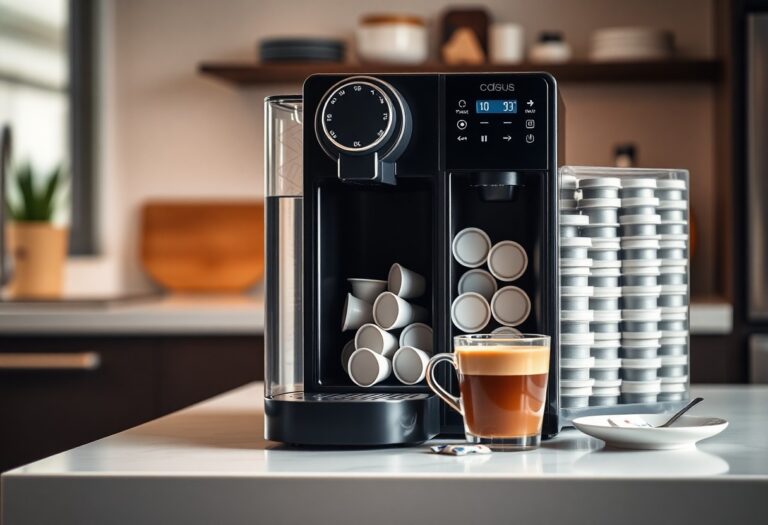
Effective brewing capacity is a delicate balance in small offices, where coffee consumption can fluctuate throughout the day. Ideally, a coffee machine should have the ability to brew enough coffee to meet peak demand without sacrificing quality. Machines with a single-serve option are particularly beneficial as they provide flexibility—allowing individuals to craft their perfect cup without wasting resources or time waiting for a larger pot to brew.
Consider a machine with a brewing capacity of around 10-12 cups if your office has up to 10 employees. This size typically offers the flexibility to brew enough for everyone without excessive wastage. Additionally, certain models allow for programmable brewing, meaning you can set it to start brewing before your team arrives, ensuring your coffee is fresh and ready to go when the workday begins. This not only saves time but enhances workplace satisfaction, keeping everyone focused and energized.

The Coffee Type Dilemma: Drip vs. Espresso vs. Single Serve
Deciding on the right coffee type depends on your office’s unique culture and preferences. Drip coffee machines offer convenience and large-batch brewing, while espresso machines allow for crafted beverages that can elevate the coffee experience. Single-serve options stand out for their simplicity, reducing cleanup and providing customizable flavors for each user. For more insights on the best options tailored for various workplaces, check out Best Office Coffee Solutions for Every Workplace.
Pros and Cons of Each Brewing Method
| Brewing Method | Pros and Cons |
|---|---|
| Drip Coffee | Pros: Easily brews large quantities, simple operation. Cons: Lacks espresso options, flavor can be less intense. |
| Espresso | Pros: Rich flavor, versatile beverage options. Cons: Requires skill to master, typically more expensive. |
| Single Serve | Pros: Wide variety of flavors, no waste. Cons: Higher cost per cup, limited cup size. |
Flavor Profiles and Employee Preferences
Your team’s taste preferences play a significant role in selecting the ideal coffee type. Espresso appeals to those who favor robust flavors while drip coffee is often preferred for its smooth, mellow profile. Single-serve machines cater to diverse palates, allowing each member to brew their preferred variety without compromising on quality. Understanding these preferences not only fosters a better coffee culture but also enhances employee satisfaction. A well-chosen machine can become a centerpiece in your office, sparking conversation and camaraderie while fueling productivity.
Time-Saving Innovations: Smart Features to Look For
Efficiency in your small office coffee machine can drastically improve your productivity, enabling you to focus more on work and less on brewing. Look for models that incorporate smart features like programmable settings, quick brew times, and automated cleaning systems to minimize downtime.
Programmable Settings and Timers
Programmable settings and timers allow you to set your coffee machine to brew at specific times, ensuring that fresh coffee is ready exactly when you need it. This feature can save you valuable minutes during busy mornings or meetings, as you can wake up to the scent of freshly brewed coffee without any extra effort on your part.
Maintenance and Cleaning Efficiency
Efficient maintenance and easy cleaning processes are vital for ensuring your coffee machine remains in top condition with minimal fuss. Machines with removable parts or self-cleaning functions save you time and effort, letting you focus on enjoying your coffee rather than scrubbing the machine.
Look for models equipped with features like self-cleaning cycles and dishwasher-safe components. These innovations not only reduce the time spent on maintenance but also extend the life of your machine. Some machines even have built-in alerts that notify you when it’s time for a deep clean or descaling, keeping your brewing experience hassle-free. Choosing a model that prioritizes maintenance can greatly enhance the overall experience in your office, ensuring that every cup you brew tastes fresh and delicious.
Budgeting for Quality: Finding the Right Price Point
Setting your budget for a coffee machine means balancing quality with affordability. A machine that costs less may save you money initially, but can lead to increased costs in repairs or replacements down the line. Aim for a price point that offers a reputable brand with reliable performance, typically between $100 and $500 for small office setups. Investing in a higher-quality machine enhances the coffee experience for your team, which can lead to increased productivity and satisfaction.
Cost vs. Longevity: Evaluating Your Investment
Consider how much you’re willing to spend relative to the lifespan of the coffee machine. A model costing $300 that lasts four years may be more economical than a $150 machine that fails after one year. By choosing a more robust option, you are imperatively lowering your cost per use, especially in a setting where employees rely on consistent coffee quality.
Hidden Costs and Value-Added Features
Value-added features can significantly impact your total cost. Features like built-in grinders, milk frothers, or programmable settings may raise the initial price but provide greater versatility and satisfaction. Additionally, account for maintenance costs such as water filters, cleaning supplies, and potential repairs, which can accumulate over time. You might find that a slightly more expensive model with a two-year warranty saves you money in maintenance and downtime.
When evaluating hidden costs and features, consider what aspects will contribute to your team’s efficiency. For instance, a coffee machine with auto-off capabilities could lower energy bills, while one equipped with a water reservoir might eliminate the need for constant refilling. These attributes, along with initial investment considerations, can transform your purchase from a mere coffee machine into an imperative office asset that aligns with your operational goals and enhances the daily experience for your employees.
Reviews and Recommendations: The Top Contenders for Small Offices
Finding the right coffee machine for a small office can significantly enhance your team’s productivity and morale. Here, we review leading contenders that offer a perfect blend of efficiency, functionality, and reliability, ensuring that your coffee break is both enjoyable and convenient.
Comparing Leading Models and Their Features
Model Comparison
| Model | Key Features |
|---|---|
| Breville BES870XL | Stainless steel, built-in grinder, adjustable settings |
| Nespresso VertuoPlus | Easy one-touch brewing, multiple cup sizes, sleek design |
| Coffee Gator French Press | Compact size, durable materials, perfect for fresh brew |
| Keurig K-Elite | Single-serve pods, strong brew feature, large water reservoir |
Employee Feedback and Use Cases
Office ergonomics and employee preferences greatly influence the success of any coffee station setup. After surveying teams, machines like the Nespresso VertuoPlus consistently receive high marks for their ease of use and quick brewing times. Employees enjoy the flexibility of choosing different cup sizes, catering to both quick sips and longer breaks. The Breville BES870XL stands out for serious coffee aficionados who appreciate rich flavors and the ability to customize their brew, making it a common favorite among those who enjoy the process of crafting the perfect cup.
In various office environments, teams have reported increased collaboration and engagement around coffee breaks. Those utilizing the Keurig K-Elite appreciate its convenience, especially during busy mornings, allowing employees to quickly grab their favorite coffee flavor without delay. The Coffee Gator French Press, while a no-frills option, offers a unique sense of camaraderie as staff come together to brew fresh potions during afternoons, fostering a shared experience that enhances workplace relationships. Utilizing feedback from real users highlights each model’s strengths and areas of improvement, helping you make an informed choice tailored to your team’s needs.
Conclusion
Summing up, finding the best coffee machine for your small office is imperative for boosting productivity and employee satisfaction. You should consider factors such as space, brewing capacity, and ease of use to ensure it meets your needs. For a thorough comparison and recommendations, check out The 7 Best Coffee Makers of 2025 | Reviews by Wirecutter. With the right coffee machine, you can create a workplace that energizes and inspires your team.
FAQ
Q: What features should I look for in a coffee machine for a small office?
A: When choosing a coffee machine for a small office, consider features such as size and capacity, brewing speed, ease of use, and maintenance requirements. A compact design is vital for limited space, while a capacity that suits the number of employees ensures everyone can enjoy coffee without long wait times. Additionally, look for machines with user-friendly controls and easy cleaning mechanisms to minimize downtime.
Q: Are single-serve coffee machines a good choice for small offices?
A: Yes, single-serve coffee machines can be an excellent choice for small offices. They are compact and can offer a variety of coffee types and flavors, allowing employees to personalize their drinks. Single-serve machines typically require less maintenance and make it easy to avoid coffee waste. However, it’s vital to assess the cost per cup and whether it fits within your office’s coffee consumption habits.
Q: How do I choose between a drip coffee maker and a pod-based machine?
A: The choice between a drip coffee maker and a pod-based machine depends on your office’s needs and preferences. Drip coffee makers are usually more cost-effective in the long run, as they allow you to brew larger quantities, ideal for busy workdays. On the other hand, pod-based machines offer convenience and variety, allowing employees to brew individual cups without brewing an entire pot. Consider factors like budget, brewing preferences, and the volume of coffee consumption when making your decision.
Q: What type of maintenance do small office coffee machines require?
A: Maintenance requirements can vary significantly between different types of coffee machines. Generally, you should clean the machine regularly by following manufacturer instructions, descaling it periodically to remove mineral buildup, and ensuring that any reusable parts, like filters and water tanks, are cleaned thoroughly. Regular maintenance prolongs the lifespan of your coffee machine and ensures consistently great-tasting coffee.
Q: How much should I expect to spend on a quality coffee machine for a small office?
A: The cost of a quality coffee machine for a small office can vary widely, typically ranging from $50 to $500 or more. Budget models may be sufficient for smaller teams or infrequent use, while larger teams or frequent coffee drinkers may benefit from investing in a higher-end model. Consider your office’s specific needs, usage frequency, and preferred coffee style when budgeting for a coffee machine.