What Type of Coffee Grind for an Espresso Machine – Fine Grinding

Many coffee enthusiasts wonder about the perfect grind size for their espresso machine. The key to achieving a rich and flavorful espresso lies in fine grinding, which allows for optimal extraction of flavors from your coffee beans. If your grind is too coarse, you might end up with a weak and underwhelming shot. On the other hand, an overly fine grind can lead to over-extraction and bitterness. In this post, you’ll discover how to master fine grinding for a smooth and robust espresso experience.
Key Takeaways:
- Espresso machines require a fine coffee grind to ensure proper extraction and a rich flavor profile.
- The grind size should resemble table salt, allowing for adequate water flow and even extraction during the brewing process.
- Adjusting the grind size can impact the taste; a finer grind may lead to a more intense flavor while too fine may cause bitterness.
- Freshly ground coffee will yield the best results for espresso; investing in a good quality burr grinder is recommended.
- Experimentation with grind size, coffee type, and brewing time can help achieve the desired taste and strength in your espresso.
The Art of Fine Grinding: What You Need to Know
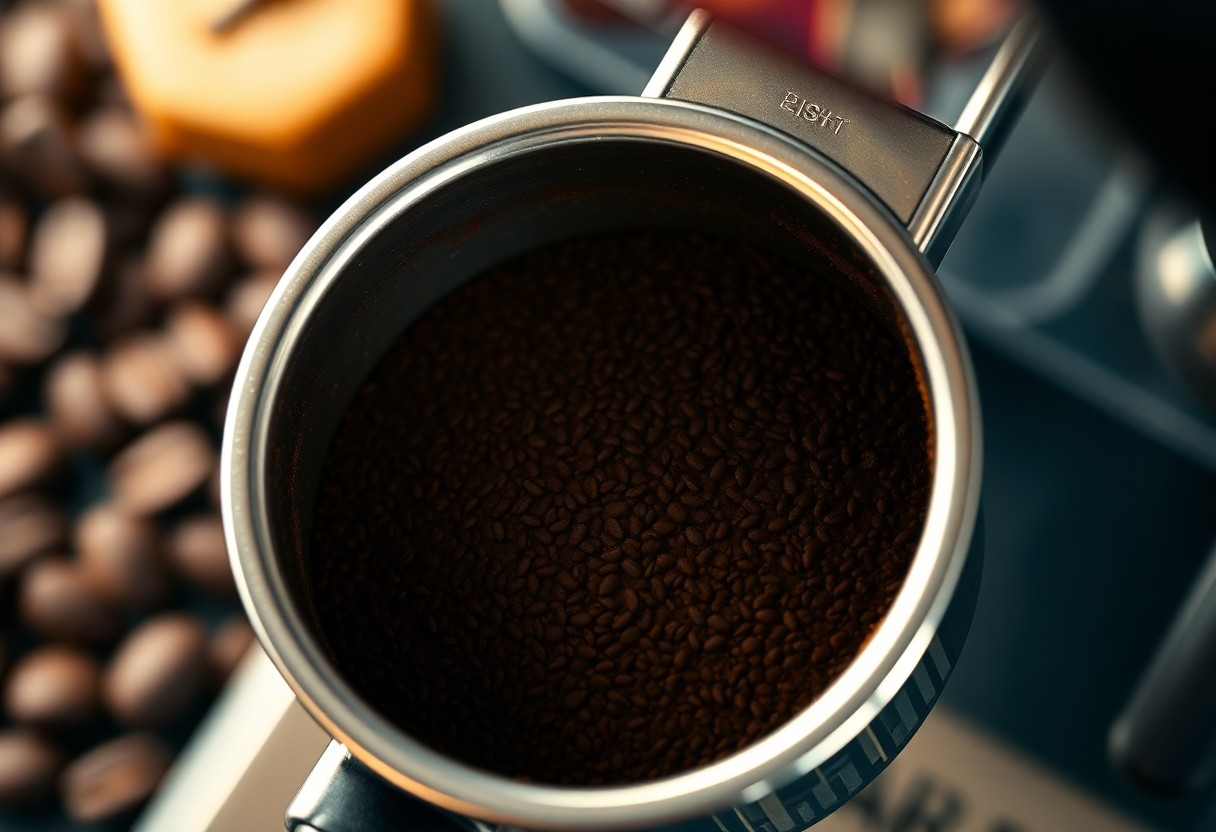
Achieving the perfect fine grind for your espresso requires attention to detail and a bit of practice. This process strips down the coffee bean to unlock its full flavor potential. You will need a quality burr grinder, as blade grinders can create uneven particle sizes, affecting extraction. Aim for a consistency akin to table salt, ensuring each granule is uniformly fine. Pay close attention to brewing variables like time and temperature, as these will be directly influenced by your grind size.
The Coffee Bean’s Journey to Flavor
Before you enjoy a cup of espresso, coffee beans undergo a fascinating transformation. From growing in diverse climates around the world to roasting, each step enhances specific flavor notes. The chosen roast level impacts the grind; a darker roast might require a slightly coarser grind than a lighter roast to optimize extraction and balance acidity. Understanding this journey allows you to appreciate how grind size plays an integral role in flavor extraction.
Why Grind Size Matters for Espresso
Grind size directly influences the intensity and quality of your espresso. A fine grind increases surface area, allowing hot water to extract flavor compounds more efficiently during brewing. Conversely, if the grind is too coarse, you risk under-extraction, leading to a watery and uninspiring shot. Opting for a fine grind helps achieve the ideal balance between bold flavors and smooth texture, which is why achieving the right consistency is often deemed a precise art.
In fact, studies have shown that the ideal grind for espresso should be somewhere between 200 to 300 microns in size. This allows for optimal pressure to build during espresso extraction, resulting in a rich crema—those lovely golden bubbles on top of your shot. If your grind is more than 300 microns, you may find your espresso lacking in depth and complexity. Therefore, it’s vital to regularly calibrate your grinder to ensure consistency every time you pull a shot.
The Science of Espresso Extraction: Perfecting the Grind
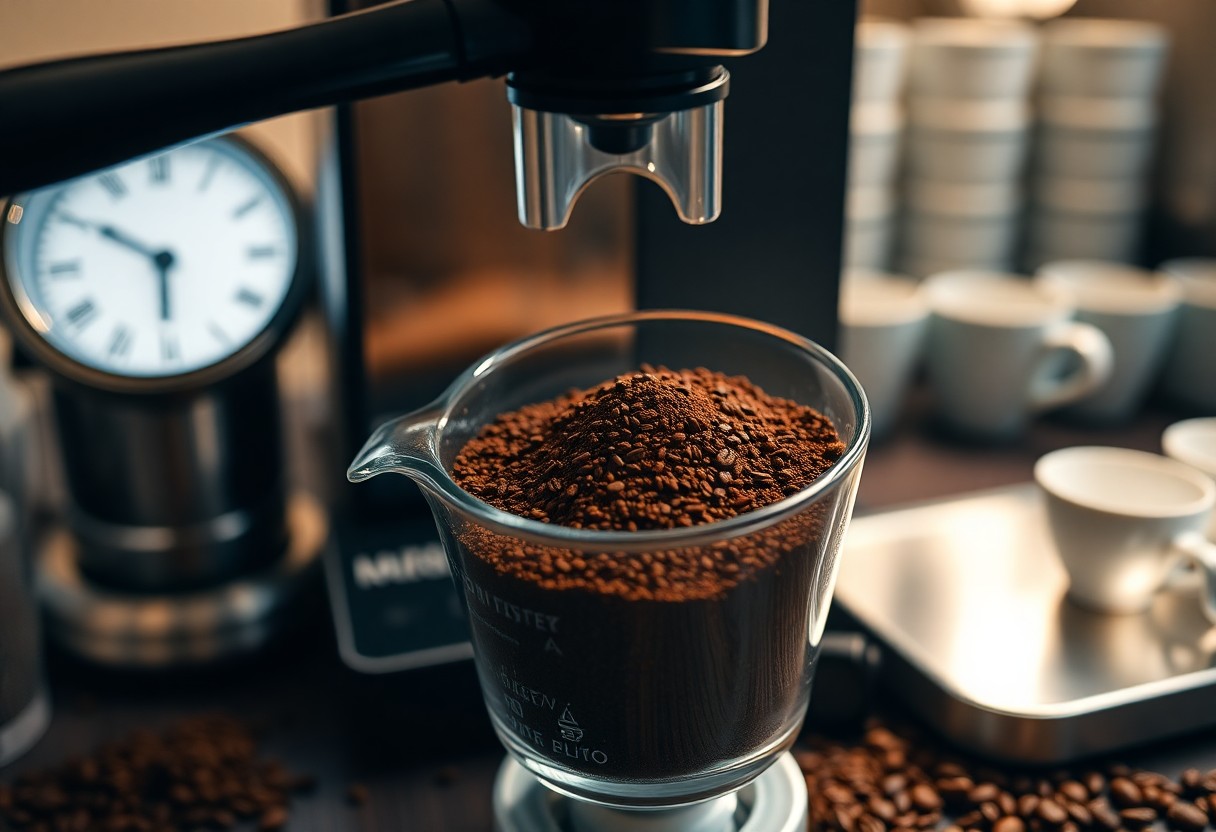
Understanding the intricacies of espresso extraction hinges on the balance between grind size, resistance, and flow rate. Achieving the ideal grind creates optimal surface area for extraction and impacts the overall flavor profile. A fine grind facilitates quick solubility, allowing flavors to be released efficiently. This finely tuned process results in a rich, aromatic shot with a velvety crema. As you experiment with grind settings, paying attention to these factors will help you master the art of espresso.
Understanding Resistance and Flow Rate
Resistance is primarily influenced by the grind size and tamping pressure. A finer grind increases density, thus creating more resistance during extraction, which alters the flow rate of water through the coffee puck. You’ll want a balance where the water flows neither too quickly nor too slowly—ideally around 25 to 30 seconds for a shot. By making slight adjustments to the grind size and assessing the resultant flow, you can achieve a perfect extraction every time.
The Role of Pressure in Brewing
The pressure during extraction is a fundamental component of brewing espresso, typically measured at around 9 bars. This pressure forces hot water through the finely ground coffee, ensuring maximum extraction of flavors and oils. If the pressure is too high, you could experience over-extraction, leading to bitterness, while insufficient pressure might not yield sufficient flavor, resulting in a sour taste. Adjustments to the grind size or machine settings can help you keep the pressure consistent, yielding a balanced shot.
Maintaining consistent pressure not only influences extraction but also impacts the crema produced. A well-crafted shot at the right pressure creates a thick, golden crema that seals in the rich flavors and aromas. Fine-tuning the coffee grind to achieve this balance is crucial; it’s not just about the coffee but how each variable in your espresso machine works in harmony. A precise combination of grind size, tamping, and pressure can elevate your espresso experience, making it both art and science fused into one delightful cup.
Selecting the Right Grinder: Tools for Success
The right coffee grinder can significantly influence your espresso-making success. Investing in a quality grinder tailored for espresso is key to achieving a consistent fine grind that ensures optimal extraction. Given how important grind size is for your espresso shots, evaluating your options carefully will pay off with every cup.
Burr vs. Blade: Why Burr Grinders Reign Supreme
Burr grinders are the preferred choice for espresso enthusiasts due to their ability to produce a uniform fine grind size. Unlike blade grinders, which chop beans unevenly, burr grinders crush them between two revolving surfaces, ensuring that you get a consistent grind with minimal heat buildup. This precision translates directly to better-tasting espresso.
Key Features to Consider When Choosing Your Grinder
Selecting the right grinder involves careful consideration of several key features that can enhance both the grind quality and your overall brewing experience. Focus on these aspects to ensure you’ve made a sound investment in your espresso journey:
- Grind Settings: Look for a grinder with a wide range of grind settings, especially on the finer side.
- Size and Capacity: Consider how much coffee you typically brew. Larger hoppers are convenient for batch brewing.
- Build Quality: A well-constructed grinder should stand up to regular use while remaining stable.
- Ease of Cleaning: Grinders that are easy to disassemble and clean prevent stale flavors from affecting your espresso.
- Price vs. Performance: Balance your budget with the performance you expect; sometimes spending a bit more can yield a better grinder.
Recognizing the features that matter most will help you choose a grinder that complements your espresso machine, resulting in a more satisfying brewing process. Those who have invested in burr grinders often cite their adjustable grind settings and ease of use as game-changers in their daily coffee rituals. Understanding the specifics of what suits your needs can lead to the perfect espresso shot every time.
Mastering the Grind: Technique and Timing
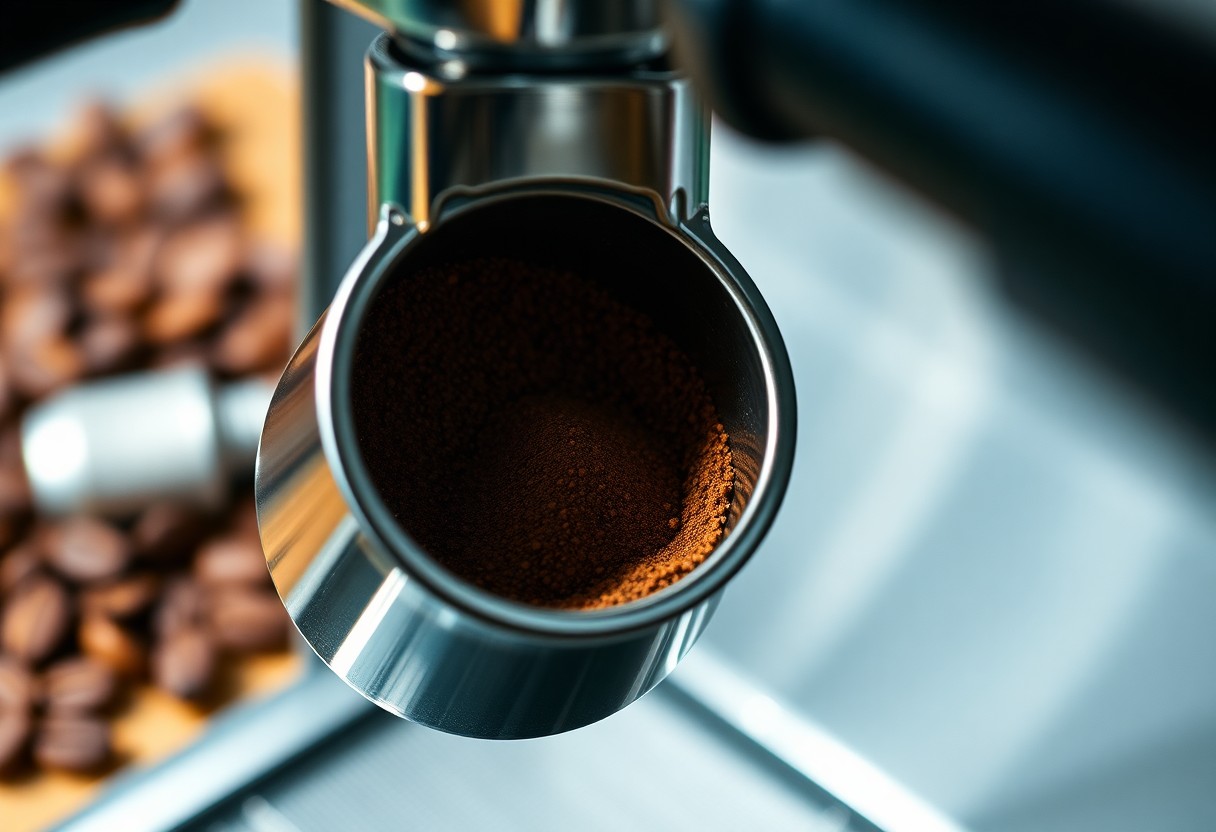
Achieving the perfect coffee grind for your espresso machine hinges on honing your technique and timing. Manual grinders and electric grinders may differ, but the core objective remains the same: obtaining a uniform grind that unlocks the full flavor of your beans. Engage with your grinder’s settings, paying attention to the sounds and the texture of the grounds. This practice will help you develop an intuitive feel for the grind consistency required for rich, full-bodied espresso.
Achieving Consistency in Your Grind
Uniformity in your grind size is vital for extracting a balanced espresso shot. Aim for a fine grind, resembling granulated sugar, as inconsistent grind particles can lead to uneven extraction. Use a burr grinder for its ability to deliver a consistent grind size, reducing the chances of bitter or sour flavors. Taking the time to regularly calibrate your grinder will also go a long way in maintaining your ideal consistency over time.
Practical Tips for Grind Adjustments During Brewing
Minor adjustments to your grind size can significantly impact your espresso. If your shots are pulling too quickly, your grind may be too coarse; conversely, if they’re taking too long, your grind could be too fine. Observe the flow and taste of your espresso closely, and tweak your grinder by 1 to 2 notches for each shot based on what you experience. These small changes can help you refine your espresso until you find your desired balance.
- Start with a fine grind for espresso.
- Adjust grind size slightly based on shot performance.
- Observe the tasting notes for any off- flavors.
- Make minor corrections to achieve the right extraction.
After you’ve made an adjustment, it’s a good practice to brew a new shot and assess the difference. Tweak your grind size in small increments, ideally keeping your changes within the one-notch range. This way, you’ll identify the right texture and flavor profile without overshooting your adjustments. As a result, your espresso will become more refined, reflecting your evolving taste preferences while capturing the nuances of the coffee beans.
- Make adjustments incrementally.
- Pay attention to the flow rate of the espresso.
- Use a timer to track your brewing time.
- Evaluate each cup to perfect your technique.
After you’ve adjusted your grind size and carefully observed the shot, keep refining your technique based on your palate. Using a digital scale can also help standardize your inputs, ensuring that each cup reflects accurate measurements and consistent extraction times. Recording your findings with each brew will help you hone in on your perfect grind and espresso experience.
Troubleshooting Common Grind-Related Espresso Issues
When brewing espresso, grind-related problems can affect extraction and flavor. Understanding the signs of over-extraction and under-extraction helps pinpoint the issue, allowing you to adjust the grind size accordingly. Watch for variations in taste and brew time, and be prepared to tweak your settings to achieve that perfect shot.
Identifying Over-Extraction and Under-Extraction
Over-extraction occurs when water extracts too many bitter compounds from the coffee, resulting in a harsh and dry taste. Signs include a bitter finish and a dark, thick crema. In contrast, under-extraction results in a sour, acidic flavor, often accompanied by a watery texture and weak crema. Adjusting your grind size is key—finer for over-extraction and coarser for under-extraction.
How Grind Size Influences Crema and Taste
Your grind size profoundly affects the crema and overall taste of your espresso. A finely ground coffee creates more surface area for extraction, resulting in a rich, thick crema and a full-bodied flavor. Conversely, a coarser grind may lead to a lackluster crema and a diluted taste. By fine-tuning your grind size, you can optimize the balance of sweetness, acidity, and bitterness in your cup.
For example, a grind size that’s too coarse may result in a weak shot with minimal crema, while an overly fine grind can clog the portafilter, leading to excessive pressure and lengthy extraction times. Striking the right balance is imperative to taste, as a well-extracted espresso exhibits a harmonious flavor profile with a vibrant crema that enhances the drinking experience. Fine-tuning your grind size to match your beans and brewing technique will elevate your espresso to the next level.
Conclusion
So, when selecting the grind for your espresso machine, focusing on a fine grind will greatly enhance your brewing experience. A fine grind allows for optimal extraction, ensuring that you achieve a rich flavor and well-balanced shot. Make sure to adjust your grind size as necessary based on your specific machine and preferences, as different devices may vary in their requirements. By fine-tuning your grind, you can unlock the full potential of your coffee beans and enjoy a perfect espresso every time.
FAQ
Q: What type of grind is considered fine for espresso?
A: A fine grind for espresso is typically similar to the texture of table salt or slightly finer. This type of grind allows for optimal extraction of flavors and oils during the brewing process, resulting in a rich and balanced espresso shot. If the grind is too coarse, the espresso may taste weak and under-extracted.
Q: How does the grind size affect the brewing time of espresso?
A: Grind size directly influences the brewing time because finer grounds increase surface area, leading to faster extraction. With a fine grind, the espresso extraction process typically takes around 25 to 30 seconds. If the grind is too coarse, the water flows through too quickly, resulting in a brew that is weak and lacks flavor depth.
Q: Can I use pre-ground coffee for my espresso machine?
A: While pre-ground coffee is convenient, it may not yield the best results for espresso due to the variability in grind size and freshness. Pre-ground coffee is often not ground finely enough for espresso. For best results, it is advisable to use freshly ground coffee beans, ensuring a consistent and suitable fine grind specifically for espresso-making.
Q: How can I achieve a fine grind at home?
A: To achieve a fine grind at home, invest in a quality burr grinder, which provides an even grind size necessary for espresso. Start by adjusting the grinder settings to a finer setting and grind small amounts to avoid grinding excessively. It’s crucial to choose coffee beans that are suited for espresso brewing, as the grind will be influenced by the type of beans used.
Q: Is there a difference in grind size requirements for different espresso machines?
A: Yes, different espresso machines can have varying grind size requirements based on their brewing method and pressure levels. For example, manual lever machines may need a slightly finer grind compared to automatic machines due to differences in water flow and pressure. It’s always best to consult the machine’s manual or perform test brews to determine the ideal grind size for your specific machine for optimal results.