What Coffee to Use in a Filter Coffee Machine – Optimal Selection

There’s a world of coffee options out there, but choosing the right one for your filter coffee machine can enhance your brewing experience significantly. You should consider the grind size, roast level, and flavor profile to ensure that your coffee is not only enjoyable but also brewed correctly. Using the appropriate coffee beans can significantly affect the strength and taste of your final cup. In this guide, you will discover the best types of coffee that will yield optimal results in your filter coffee machine.
Key Takeaways:
- Choose medium-coarse grind coffee for optimal extraction and flavor.
- Look for freshly roasted coffee beans to ensure maximum aroma and taste.
- Select a coffee blend that suits your taste preference, whether it be light, medium, or dark roast.
- Consider the origin of the coffee beans, as different regions offer distinct flavor profiles.
- Pay attention to the brew ratio, typically around 1:15 to 1:17 coffee to water, for balanced strength.
The Fundamentals of Coffee Selection for Filters
Choosing the right coffee for your filter coffee machine revolves around understanding your preferences and how they align with the characteristics of different beans. Options range from light to dark roast, each providing distinct flavor experiences. A medium roast often strikes a balance, offering a harmonious blend of acidity and sweetness, while single-origin coffees can evoke unique regional profiles, enhancing your brewing adventures. Pay attention to roast date, as freshness plays a significant role in the flavor you ultimately experience in your cup.
The Impact of Grind Size on Flavor Extraction
Grind size is a vital factor that directly influences flavor extraction in filter coffee. A coarser grind typically results in a milder flavor, as less surface area interacts with water, while a finer grind exposes more surface area, leading to stronger flavors. Finding the right grind size for your coffee can make a significant difference; generally, a medium grind works best for most filter machines. This balance ensures optimal extraction without over-extracting the bitter compounds.
The Role of Coffee Origin in Flavor Profiles
The origin of your coffee beans significantly shapes their flavor profiles. Each coffee-growing region imparts unique characteristics based on climate, soil, and farming practices. For instance, Ethiopian coffees often showcase vibrant floral and fruity notes, while Colombian coffees typically highlight balanced acidity and nutty undertones. Understanding these regional nuances can help you curate a coffee selection that aligns perfectly with your taste preferences.
When exploring the role of coffee origin, consider how different factors contribute to the overall tasting experience. For example, South American coffees tend to be smooth and mild, making them ideal for those who prefer approachable flavors, while coffees from Africa can provide bold, complex notes that may appeal to adventurous palates. Notably, Indonesian coffees often deliver a rich, full-bodied experience with earthy undertones. By experimenting with various origins, you can discover the unique attributes each region has to offer and how they fit into your filter brewing routine.
Blends vs. Single Origins: Making the Right Choice
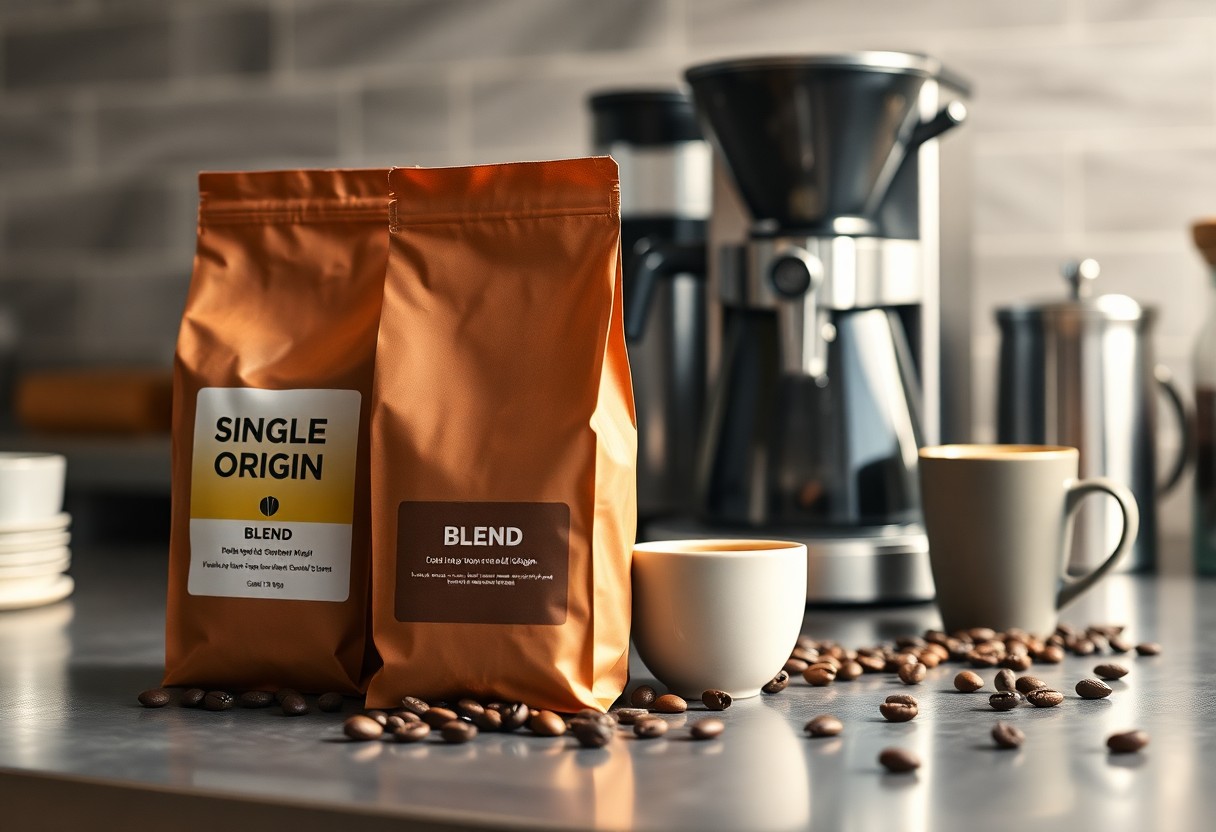
Deciding between blends and single-origin coffees can significantly impact your filter coffee experience. Blends often provide a more consistent flavor profile, making them a popular choice for daily brews. On the other hand, single-origin coffees showcase the unique terroir and distinct characteristics of a specific region, offering an opportunity to explore varied flavor notes. To investigate deeper into the world of coffee and explore recommendations, check out the Guide To Home Coffee Makers.
Advantages of Blended Coffees for Consistency
Blended coffees excel in delivering a reliable taste that you can count on cup after cup. By combining beans from different origins, roasters can balance out flavors, acidity, and body, which often leads to a more approachable and well-rounded cup. Such blends allow you to enjoy a cohesive flavor experience, which is especially beneficial if you’re brewing for yourself and guests who might have varied preferences.
Unique Characters of Single-Origin Coffees
Single-origin coffees provide a glimpse into the unique qualities of their growing regions. Each batch exhibits distinct flavor notes, aromas, and mouthfeel that reflect the local climate, soil conditions, and processing methods. For instance, Ethiopian coffees might display fruity or floral characteristics, while Colombian beans often exhibit balanced acidity with chocolatey undertones. This variance allows you to savor the unique essence of coffee from around the world, transforming your brewing experience into a culinary adventure.
Exploring single-origin coffees can deepen your appreciation for the diverse flavors coffee has to offer. By focusing on beans from a specific country or even a single farm, you can taste the subtle differences that arise from geography and cultivation techniques. Expect to encounter flavors ranging from the rich and syrupy notes of Sumatra to the bright and vibrant acidity found in Kenyan coffees. This journey through various profiles can be both exciting and educational, making every cup a chance to experience the world of coffee in a new light.
Roast Levels and Their Influence on Taste
The roast level of your coffee beans plays a significant role in the overall flavor profile you experience. Light roasts deliver a bright, acidic taste that highlights the beans’ inherent qualities, while medium roasts strike a balance between acidity and body, offering a more rounded flavor. Dark roasts, on the other hand, create bold, rich flavors with a heavier mouthfeel but may sacrifice some of the bean’s unique characteristics. Each roast level presents distinct attributes that cater to different taste preferences, making the choice of roast imperative for a satisfying cup of filter coffee.
Light, Medium, and Dark: What Each Level Offers
Light roasts are known for their vibrant acidity and fruity notes, often showcasing the bean’s origin. Medium roasts provide a harmonious blend of flavor and mild sweetness, making them versatile for various palates. In contrast, dark roasts offer robust, intense flavors with bittersweet undertones, appealing to those who prefer a bolder cup. Your choice among these roast levels will directly impact your coffee experience, making it imperative to understand what each offers.
The Importance of Freshness in Roast Selection
Freshness directly affects the flavor and aroma of your coffee. Beans begin to lose their optimal taste just a few weeks after roasting, with peak flavors typically present within 1-2 weeks. This decay can lead to a dull, flat cup of coffee, devoid of the vibrant notes you may desire. To ensure a delightful brew, always source freshly roasted beans, and check the roast date on the package. Choosing local roasters or even exploring home roasting can significantly enhance your coffee experience, ensuring that each cup bursts with flavor and aroma.
Storing coffee beans properly also plays a vital role in maintaining their freshness. Exposure to air, moisture, and light can accelerate the staleness of your beans. Opt for an airtight container kept in a cool, dark place to preserve their quality. Ideally, purchase only the amount you can consume within a week or two. This strategy not only maximizes the freshness of your coffee but also allows you to experiment with different roast levels without worrying about the beans losing their potency before you can enjoy them.
Brewing Variables That Affect Your Coffee Experience
Your coffee experience can be significantly impacted by a range of brewing variables. Apart from choosing the right coffee, factors such as the water ratio, brewing time, temperature, and water quality contribute heavily to the final cup. Adjusting these variables allows you to tailor the extraction process to your taste preferences, creating a cup of coffee that truly resonates with you.
Water Ratio and Brewing Time: Finding the Sweet Spot
The ratio of water to coffee grounds is necessary for achieving optimal extraction. A general rule of thumb is to use about 1 to 2 tablespoons of coffee for every 6 ounces of water. Brewing time varies based on your machine and grind size, but aiming for a 4 to 6-minute extraction can lead to a balanced flavor. Any adjustments can create a harmonious balance between acidity and body in your final brew.
Tips for Optimizing Brewing Temperature and Water Quality
Brewing temperature greatly influences the extraction of flavors from the coffee. Ideally, water should be heated between 195°F to 205°F, ensuring full flavor extraction without scalding the coffee. Additionally, using filtered water can prevent impurities found in tap water that may alter your coffee’s taste. Any improvements here will result in a smoother, more enjoyable cup of coffee.
Water Quality and Brewing Temperature Optimization
| Factor | Details |
|---|---|
| Optimal Temperature | Between 195°F to 205°F |
| Water Type | Filtered water is recommended |
To further enhance your cup, consider experimenting with various filtration methods, from activated charcoal to reverse osmosis. Water with high mineral content may impart unwanted flavors, so aim for a balanced mineral profile for the best taste. Any adjustments in temperature consistency and water cleanliness can elevate your brewing game significantly, ensuring a delightful coffee experience.
Optimizing Brewing Temperature and Water Quality
| Tip | Implementation |
|---|---|
| Use a thermometer | Check water temperature before brewing |
| Try different water sources | Evaluate bottled versus filtered tap water |
Practical Buying Guide: Choosing Your Coffee
Selecting the right coffee for your filter coffee machine can significantly elevate your brewing experience. Focus on options that suit your taste profile, such as origin, roast level, and flavor notes. Whether you prefer single-origin beans for their unique characteristics or blends for complexity, exploring different varieties will help you refine your palate. Additionally, consider purchasing from local roasters to enjoy the freshest beans, which can make a noticeable difference in flavor.
How to Read Coffee Labels: Decoding the Information
Understanding coffee labels is necessary for making informed choices. Look for information on the bean’s origin, roast date, and flavor profile. Single-origin coffees often provide specific regions, while blends can indicate their component beans. Roast levels vary from light to dark, impacting flavor, so choose according to your preference. Additionally, look for certifications such as Fair Trade or organic to ensure ethical sourcing.
Recommended Brands and Products for Filter Machines
Some esteemed brands excel in providing high-quality coffee specifically suited for filter machines. Companies like Peet’s Coffee, Blue Bottle, and Stumptown offer a range of blends and single-origin options that are popular among coffee enthusiasts. Freshly roasted beans from Intelligentsia or Counter Culture also have exceptional flavor profiles and consistency. For those who prefer convenience, Starbucks Via offers instant coffee packets that are surprisingly easy to brew and can yield a satisfying cup.
Choosing the right brand can greatly enhance your brewing experience. For instance, Peet’s Coffee is known for its bold flavors, making it perfect for those who enjoy a hearty cup. Blue Bottle caters to specialty coffee lovers with an emphasis on freshness and unique roasts, while Stumptown provides expertly crafted blends that balance flavor and acidity. If convenience is key, brands like Starbucks offer a variety of instant options that maintain quality, ideal for busy mornings. Explore these recommendations to find your perfect fit for filter brewing.
Summing up
On the whole, your choice of coffee for a filter coffee machine greatly influences the final brew’s taste and aroma. Opt for medium to coarsely ground, fresh coffee beans, preferably single-origin or specialty blends, to enhance the flavor profile. Aim for a balanced roast; light to medium roasts often reveal more nuanced flavors, while medium dark blends provide richness. Keep an eye on the brew ratio, which typically ranges from 1:15 to 1:18 coffee-to-water for optimal extraction. By making informed selections, you’ll elevate your coffee experience with each cup.
FAQ
Q: What type of coffee beans should I use for a filter coffee machine?
A: For filter coffee machines, medium to coarsely ground coffee beans are ideal. A medium grind helps to extract flavors evenly during the brewing process. Many coffee enthusiasts recommend using Arabica beans for their smooth flavor profile, but a blend of Arabica and Robusta can also provide a fuller body with a slight kick of caffeine.
Q: Is there a specific roast level that works best in filter coffee machines?
A: The roast level really depends on your personal taste preferences. Light roasts maintain more of the unique characteristics of the coffee bean, often resulting in a bright and acidic cup. Medium roasts strike a balance, delivering a well-rounded flavor, while dark roasts offer a bold and robust profile. Experimenting with different roast levels can help you find the best match for your palate.
Q: Should I opt for ground coffee or whole beans for my filter coffee machine?
A: Whole beans are generally preferred as they stay fresher for longer when compared to pre-ground coffee. Grinding your beans just before brewing ensures maximum flavor extraction and aroma. If you choose pre-ground coffee, look for the grind size specified for drip coffee makers to achieve the best results.
Q: How fresh should the coffee be when using a filter coffee machine?
A: Freshness plays an important role in the flavor of your coffee. Ideally, you should use coffee that has been roasted within the last 2-4 weeks. Store your coffee in an airtight container in a cool, dark place to maintain its freshness. If possible, purchase small quantities to ensure you’re always using freshly roasted coffee.
Q: How should I measure the coffee and water when using a filter coffee machine?
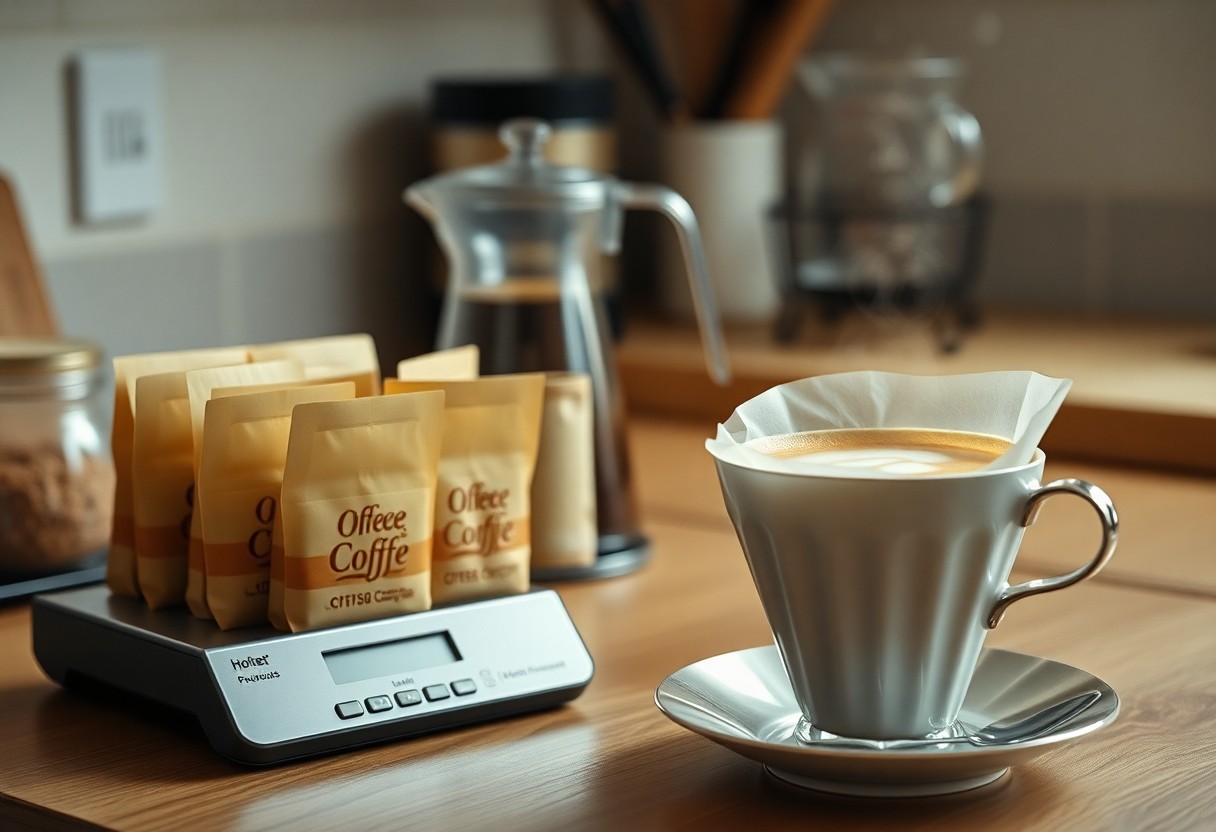
A: The standard guideline is to use 1 to 2 tablespoons of coffee grounds per 6 ounces of water, but this can vary based on your taste preference and the coffee’s strength. A coffee scale can help with accuracy, ensuring that your brew is consistent with each batch. It may take some trial and error to find the perfect ratio for your palate.