What is a Bean to Cup Coffee Machine – Fresh Grinding

Just imagine savoring a delicious cup of coffee made from freshly ground beans, right in your own kitchen. A bean to cup coffee machine offers this opportunity, combining the entire coffee-making process into one sleek device. You can enjoy the rich aroma and full flavor of coffee made from whole beans, all at the touch of a button. These machines grind the beans just before brewing, ensuring maximum freshness that pre-ground coffee simply can’t match. In this post, you’ll learn everything you need to know about how these machines work and why they elevate your coffee experience.
Key Takeaways:
- Bean to cup coffee machines grind fresh coffee beans just before brewing, enhancing flavor and aroma.
- These machines typically include features like adjustable grind settings, allowing users to tailor the coffee experience to their taste preferences.
- Most models offer various brewing options, from espresso to latte, catering to different coffee styles.
- Cleaning and maintenance are necessary to maintain performance, with some machines featuring automatic cleaning programs.
- Investing in a bean to cup coffee machine can save time and money by eliminating the need for frequent café visits.
The Anatomy of Bean to Cup Machines
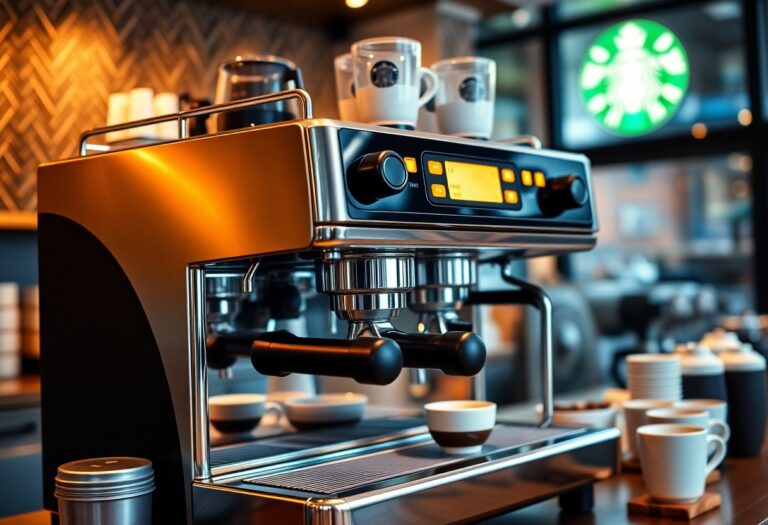
Understanding the anatomy of bean to cup machines reveals the intricate design that delivers an exceptional coffee experience. Each machine integrates various components that work in harmony to transform whole beans into a fresh cup of coffee, typically including grinding mechanisms, brewing systems, and milk frothers. By familiarizing yourself with these elements, you can appreciate the technology behind your morning brew and the choices available in the market.
Key Components that Make it Work
At the heart of bean to cup machines lie several necessary components: a built-in grinder, a brewing unit, a water reservoir, and often a milk frother. The built-in grinder is crucial, as it allows you to select your grind size, enabling customization for different coffee styles. The brewing unit then extracts flavors from the freshly ground coffee, while the water reservoir ensures that your machine has enough liquid for multiple cups. This interplay creates an ideal environment for extracting optimal flavor and aroma.
The Role of Fresh Grinding in Flavor Enhancement
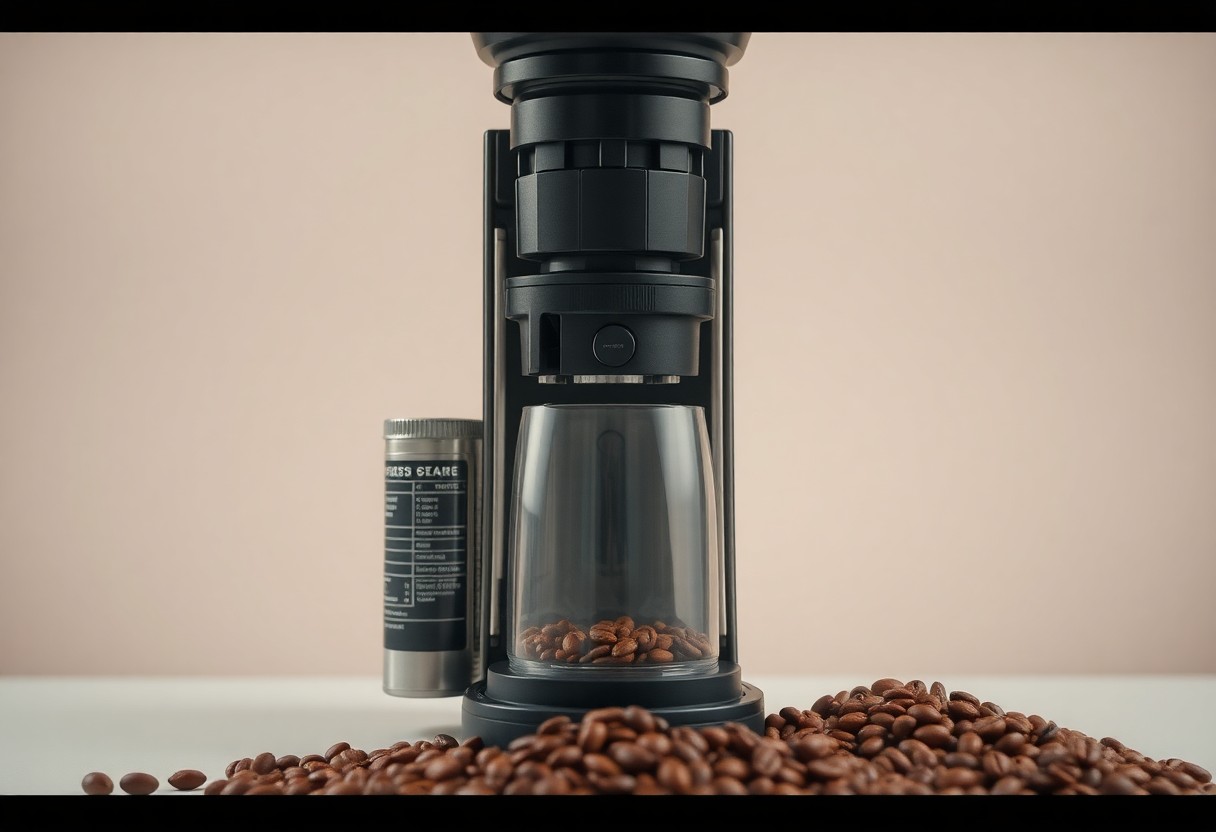
Fresh grinding directly influences the richness of your coffee, releasing necessary oils and compounds that enhance taste. Each type of coffee bean has its unique flavor profile, and grinding them right before brewing maintains the integrity of those flavors. The shorter the time between grind and brew, the more aromatic and flavorful the coffee becomes, ensuring you enjoy the full spectrum of tastes.
The importance of fresh grinding is backed by numerous studies showing that coffee can lose up to 60% of its flavor within minutes of grinding. These aromatic compounds are volatile and rapidly degrade when exposed to air. By grinding coffee beans just before brewing, your bean to cup machine locks in the freshest flavors, allowing you to fully appreciate the nuances of the roast. Whether you prefer a bold espresso or a light brew, fresh grinding elevates your coffee ritual to a new level of enjoyment and satisfaction.
How Fresh Grinding Transforms Your Brew
Freshly grinding your coffee beans releases captivating aromas and rich flavors that can elevate your morning brew to new heights. The moment beans are ground, they start to oxidize, which affects both the taste and quality of your coffee. A high-quality bean-to-cup coffee machine ensures that this grinding happens right before brewing, delivering a cup that bursts with freshness. This process not only enhances the overall flavor but also preserves the imperative oils and compounds that define the unique characteristics of your chosen beans.
The Chemical Changes in Coffee Beans
As soon as coffee beans are ground, they undergo a transformation that affects their chemical makeup. The exposure to air initiates the oxidation process, which can lead to the breakdown of aromatic compounds responsible for the coffee’s flavor. Freshly ground coffee retains more of the volatile compounds, enhancing the natural sweetness and acidity of your brew. Studies have shown that freshly ground beans can help boost your overall coffee experience by preserving up to 60% more of these aromatic compounds compared to pre-ground options.
The Impact of Grind Size on Extraction
Grind size plays a pivotal role in how well water extracts flavors from coffee grounds. Finer grinds lead to quicker extraction but may also cause over-extraction, resulting in bitter flavors. Conversely, coarser grinds require more time for extraction, which can often result in under-extraction and weak brews. Ideally, your grind size should align with your brewing method; for instance, espresso calls for finer grinds while French press benefits from a coarser texture. Understanding this balance allows you to fine-tune your coffee experience to your taste preferences.
Adjusting the grind size imperatively acts as a volume control for flavor extraction. A fine grind can release intense flavors rapidly, but it demands careful attention to brewing time to avoid bitterness. On the other hand, a coarser grind not only takes longer for extraction but can enhance the coffee’s sweetness, making it smoother and more balanced. For example, a medium grind could be ideal for a drip coffee machine, providing a harmonious balance between extraction speed and flavor profile. Experimenting with different grind sizes allows you to discover your ultimate brew, perfectly tailored to your preferences.
The User Experience: From Bean to Cup
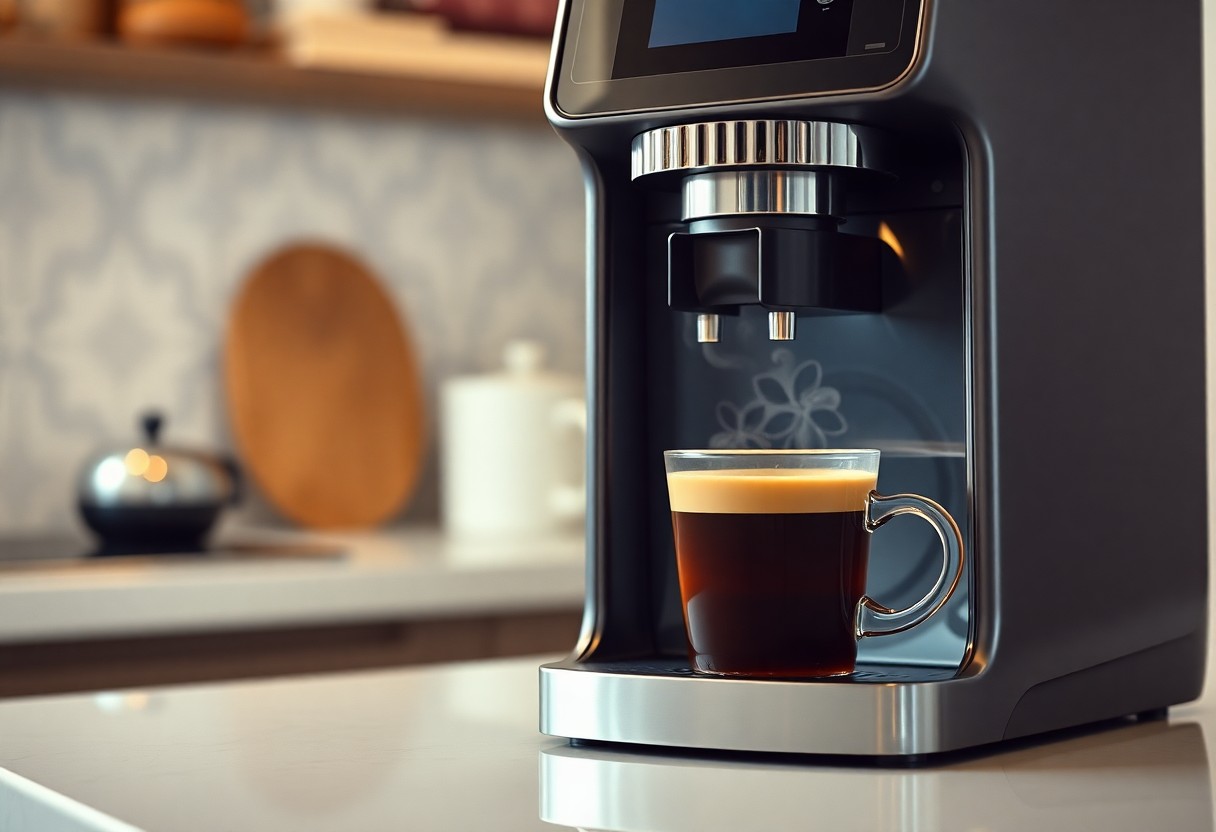
The journey from bean to cup is designed to be seamless and intuitive, making each coffee experience not only satisfying but also enjoyable. You’ll appreciate the aromatic scent as the machine grinds your selected beans, followed by the rich brewing process that delivers a fresh cup of coffee tailored to your liking. The convenience of a bean-to-cup machine allows you to indulge in premium coffee without the fuss of traditional brewing methods.
Automating the Brewing Process
Automation simplifies brewing, allowing you to enjoy coffee with just the push of a button. Bean to cup machines come equipped with user-friendly interfaces that take care of grinding, tamping, and brewing, ensuring consistent results every time. This technology eliminates common pitfalls associated with manual brewing, letting you focus more on savoring your perfect cup.
Customization: Tailoring Your Coffee to Perfection
Customization options allow you to personalize each cup, from grind size to brew strength, ensuring that every sip is just as you like it. Most machines offer settings for adjusting the coffee-to-water ratio, temperature, and even milk frothing preferences, elevating your home brewing experience to café-level quality.
With the right bean to cup machine, you can experiment with a variety of settings to find your ideal coffee profile. For instance, if you prefer a stronger brew, you might increase the grind size or adjust the amount of coffee used. Similarly, for a lighter flavor, tweaking the brewing time can significantly alter the taste. Plus, some models feature programmable presets, allowing you to save your preferred settings for future brews. This level of customization not only enhances your coffee quality but also personalizes your daily ritual, making it uniquely yours.
The Economics of Buying Versus Brewing
Evaluating the economics of a Bean to Cup coffee machine versus regular café purchases unveils significant potential savings and quality improvements. For those who explore deeper, resources like Bean to Cup The Ultimate Guide to Grinding Coffee Beans provide comprehensive insights into maximizing the value of your investment.
Cost Analysis: Home Brewing vs. Café Purchases
Calculating the cost of your daily caffeine fix can be eye-opening. On average, a quality cup of coffee from a café can range from $3 to $5. Brewing at home using a Bean to Cup machine might only cost you about $0.50 to $1 per cup, depending on the coffee bean prices. Over time, the savings can add up significantly, often recovering the upfront costs of the machine within a year.
Long-Term Benefits of Bean to Cup Investment
Investing in a Bean to Cup coffee machine goes beyond immediate cost savings. The convenience, consistent quality, and enhanced flavor from freshly ground coffee beans create a superior drinking experience. In the long run, you’ll not only enjoy your daily brews more but also have control over the ingredients and the ability to experiment with various beans, leading to an enriched coffee routine. Additionally, the increased lifespan of high-quality machines, coupled with reduced trips to the café, means more delightful cups at home, ultimately creating a lifestyle that’s both enjoyable and cost-effective.
Breaking the Myths: What Bean to Cup Can’t Do
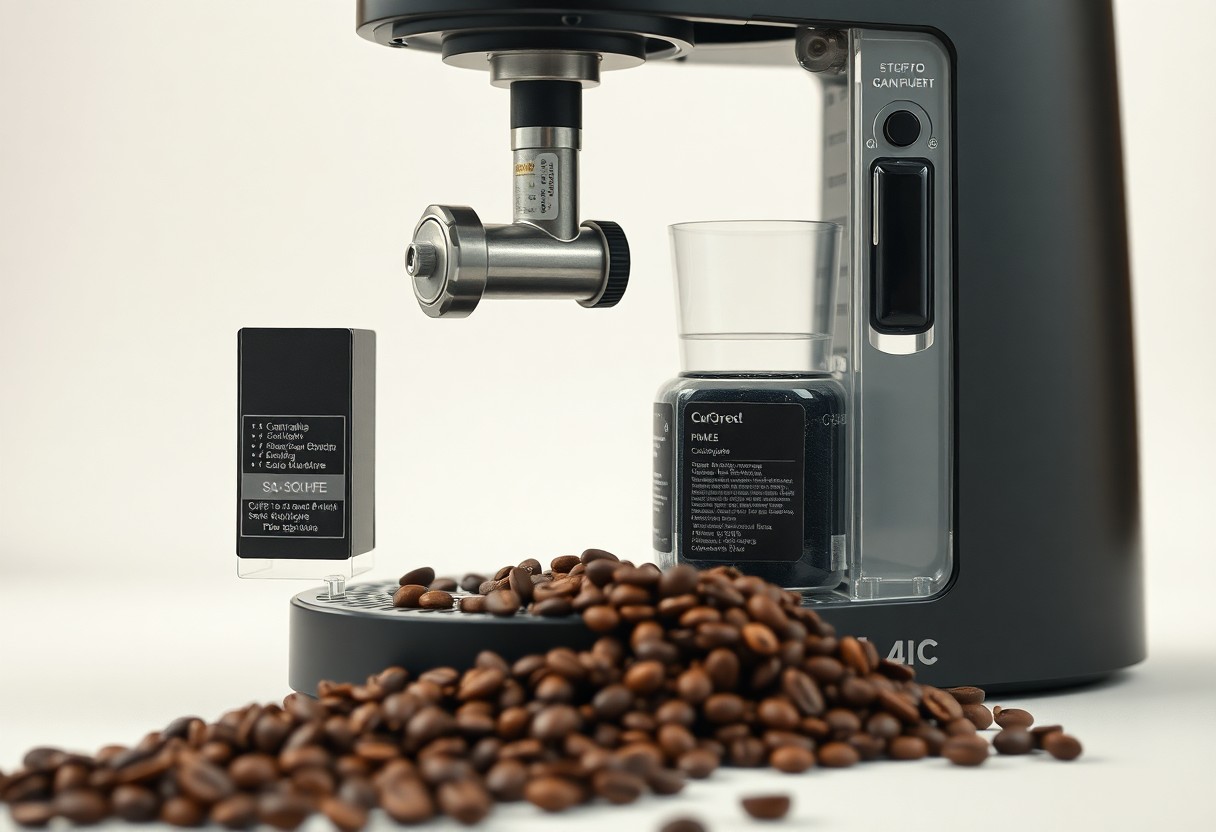
While bean to cup machines offer convenience and fresh coffee, they’re not a panacea for all coffee-related desires. Some users may be misled by the notion that these machines can replicate the expertise of seasoned baristas or the experience of specialty cafes. Understanding what limitations exist in these systems can guide your expectations and ensure you make the most informed choice for your coffee journey.
Misconceptions about Quality and Freshness
A common belief is that all bean to cup machines produce coffee of the same caliber as freshly brewed café drinks. While the grinding and brewing processes happen just before consumption, resulting in fresher coffee, the quality of the beans and the skill of the machine play pivotal roles in the end product. Not all machines are created equal, and relying solely on this type of equipment doesn’t guarantee a high-quality cup.
Limitations in Flavor Complexity and Variety
Many assume that bean to cup machines can easily replicate the wide array of flavors found in different brewing methods or coffee types. Unfortunately, while these machines offer convenience, they often lack the capability to fully explore the intricacies of specialty coffees and various brew techniques. Despite the fresh grinding process, you may find that flavor profiles are less nuanced compared to those made with alternative methods.
This limitation stems from the inherent design of bean to cup machines, which are optimized for speed and ease rather than complexity. Typically fitted with single burr grinders and standard brewing parameters, these devices may not allow for the precise temperature control or varied extraction times that are crucial for maximizing flavor potential. Additionally, the use of pre-set brew profiles means you might struggle to customize your drink to truly match your palate. While they excel in convenience, achieving the same depth of flavor found in a hand-poured or espresso-based drink often remains out of reach, leaving some coffee aficionados yearning for that café experience.
To wrap up
Summing up, a Bean to Cup coffee machine offers you the convenience of fresh grinding, allowing you to enjoy coffee made from whole beans for the best flavor and aroma. These machines automate the grinding and brewing process, ensuring that each cup is tailored to your preferences. With various settings, you can easily adjust the strength and size of your brew, enhancing your coffee experience at home. Investing in one of these machines means you can consistently savor barista-quality coffee without leaving your kitchen.
FAQ
Q: What is a Bean to Cup Coffee Machine?
A: A Bean to Cup Coffee Machine is a specialized coffee maker that grinds fresh coffee beans and brews them in one seamless process. It typically features a built-in grinder, allowing you to enjoy the freshest coffee possible by grinding the beans just before brewing. This kind of machine often includes various customizable settings for strength, temperature, and volume, making it versatile for different tastes and preferences.
Q: How does the fresh grinding process work in a Bean to Cup Coffee Machine?
A: The fresh grinding process in a Bean to Cup Coffee Machine begins with the user selecting their preferred coffee beans. Once the beans are placed in the machine, it grinds them to the desired coarseness just before brewing. This ensures that the coffee retains its aromatic oils and flavors that can diminish over time once beans are ground. After grinding, hot water is brewed through the coffee grounds to extract the essence, resulting in a flavorful and aromatic cup of coffee.
Q: Are Bean to Cup Coffee Machines easy to clean and maintain?
A: Yes, most Bean to Cup Coffee Machines are designed with user convenience in mind and typically include removable brewing units, bean hoppers, and drip trays which make cleaning easier. Some machines even feature automatic cleaning programs to simplify the upkeep process. Regular maintenance, which may include descaling and cleaning the grinder, helps in sustaining the machine’s performance and prolonging its lifespan.
Q: What types of coffee can you make with a Bean to Cup Coffee Machine?
A: A Bean to Cup Coffee Machine allows you to create a variety of coffee beverages, including espresso, cappuccino, latte, and Americano, depending on the model’s features. Many modern machines also have milk frothers or steam wands which enable users to froth milk for creamy, textured drinks. The machine’s customizable settings allow you to experiment with different coffee strengths and milk-to-coffee ratios, catering to different preferences.
Q: Are there any specific features to look for when choosing a Bean to Cup Coffee Machine?
A: When choosing a Bean to Cup Coffee Machine, consider features such as the type of grinder (conical burr grinders are preferred for consistent grind size), programmable settings for different coffee types, ease of cleaning, milk frothing capabilities, and the size of the water reservoir and bean hopper. Additionally, checking for user-friendly interfaces, such as touchscreens or intuitive buttons, can enhance your overall coffee-making experience.