What is a Barista Coffee Machine Called – Professional Terms

Barista coffee machines, known in the industry as espresso machines, are necessary tools for crafting the perfect cup of coffee. As you explore the world of coffee-making, it’s important to familiarize yourself with the technical terminology used to describe these machines, including terms like portafilter, steam wand, and brew group. Understanding these elements will not only enhance your coffee-making skills but also elevate your appreciation for the art of espresso brewing. With the right knowledge, you can confidently navigate the rich landscape of professional coffee equipment.
Key Takeaways:
- A professional coffee machine is often referred to as an “espresso machine,” which is designed to brew coffee by forcing hot water through finely-ground coffee.
- Other common types of barista machines include “drip coffee makers,” “French press,” and “pour over” setups, each with unique brewing methods and flavor profiles.
- Barista machines can vary widely in style and functionality, including manual machines for skilled baristas and automatic machines for ease of use.
- Advanced espresso machines may feature components such as steam wands, grinders, and PID (Proportional-Integral-Derivative) controllers to regulate temperature accurately.
- Understanding these terms and machine types can enhance both the brewing experience and the quality of the coffee served.
Crafting the Perfect Brew: Key Machine Components
Creating the ideal cup of coffee hinges on understanding your machine’s important components. The espresso machine, grinder, and accessories all contribute uniquely to the brewing process. Specific features, like pressure systems and brewing temperatures, interact to elevate your coffee experience. If you’re keen on honing your skills, check out this resource on Barista: The Role of a Professional Coffee Maker for insights that will deepen your knowledge.
The Role of the Espresso Machine
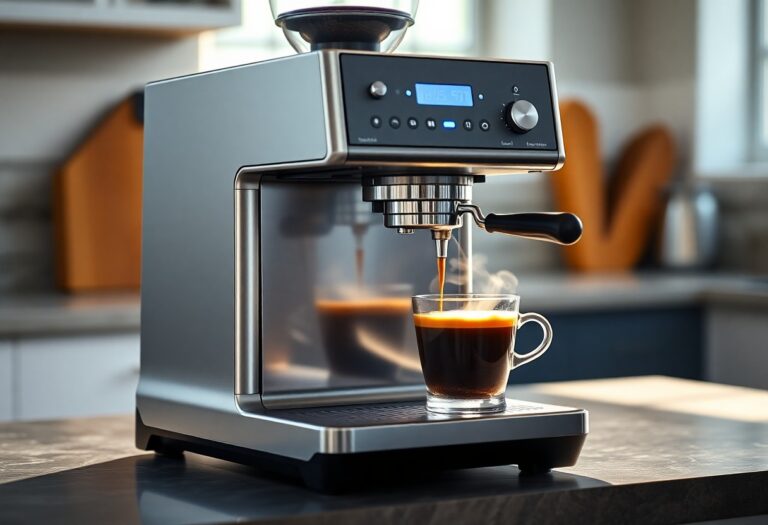
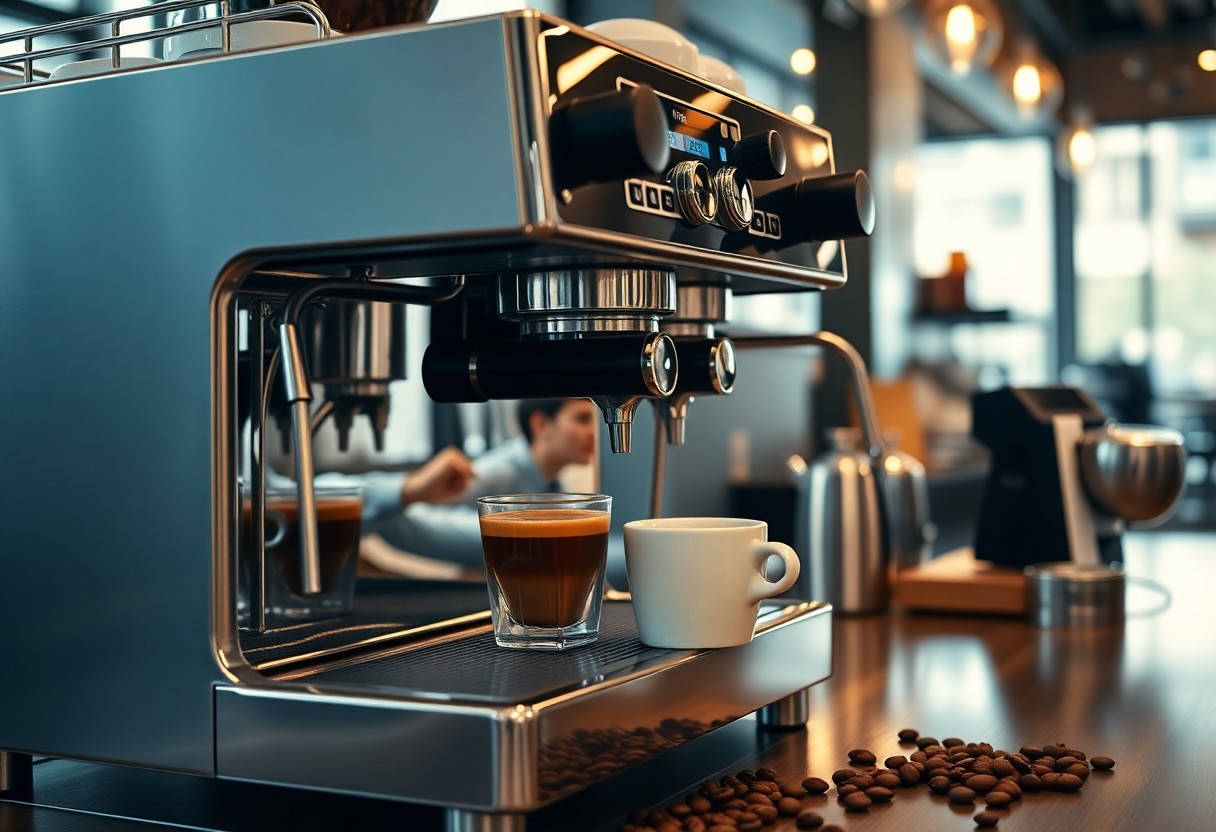
The espresso machine is the heart of your coffee-making setup, functioning like a powerhouse to achieve the perfect extraction. By forcing hot water through finely-ground coffee under high pressure, it extracts the flavors and oils that create a rich and complex brew. Advanced machines offer features like temperature control and programmable settings to tailor each shot to your taste.
Understanding the Grinder’s Impact
The grinder significantly influences your coffee’s taste and texture. Its role in achieving a consistent grind size cannot be underestimated, as it directly affects extraction. A well-calibrated grinder will provide uniform coffee grounds, allowing for optimal brewing and flavor development.
Investing in a quality grinder ensures that you can control the grind size, which affects the extraction time and ultimately, the flavor profile of your coffee. Finer grinds typically yield faster extraction and can lead to bitterness if over-extracted, while coarser grinds may result in under-extraction and sourness. Different brew methods, from espresso to French press, require distinct grind settings. Understanding this balance equips you with the skills needed to craft that perfect cup every time.
Professional Lingo: Decoding Barista Terminology
Diving into the world of coffee comes with its own unique language. Understanding terms like “extraction,” “crema,” and “frothed milk” can elevate your appreciation for the art of coffee brewing. You navigate this community armed with vocabulary that reflects brewing techniques, taste profiles, and machine functions. Unlocking this lingo not only enhances your coffee experience but also connects you with fellow enthusiasts and professionals alike.
Essential Vocabulary for Coffee Connoisseurs
The world of coffee boasts a rich tapestry of vocabulary that any enthusiast should embrace. Key terms like “single origin” refer to beans sourced from a single producer or region, affecting flavor profiles significantly. Additionally, “blooming” describes the initial phase of brewing where coffee grounds release gas, enhancing extraction quality. Familiarity with these terms can deepen your understanding and enjoyment of coffee.
The Importance of Precise Terms in the Coffee Community
Using precise terminology in the coffee community fosters clear communication and shared understanding among enthusiasts and professionals. Describing the nuances of your favorite brew—including specific beans, roast levels, and preparation methods—allows for more meaningful conversations. When discussing preferences with a barista, using the correct terms ensures you receive a beverage tailored to your exact tastes, enhancing your overall coffee experience.
Engaging with the coffee community through precise language builds respect among peers and fosters an atmosphere of learning and growth. When you articulate your preferences using the lingo, it indicates a deeper appreciation for the craft, leading to richer conversations. For example, asking for a “light roast Ethiopian pour-over with a bright acidity” communicates your exact taste better than simply asking for coffee. This precision not only elevates your experience but also contributes to the professionalism of the industry itself, ultimately enriching the culture surrounding coffee.
From Bean to Cup: How Barista Machines Transform Coffee
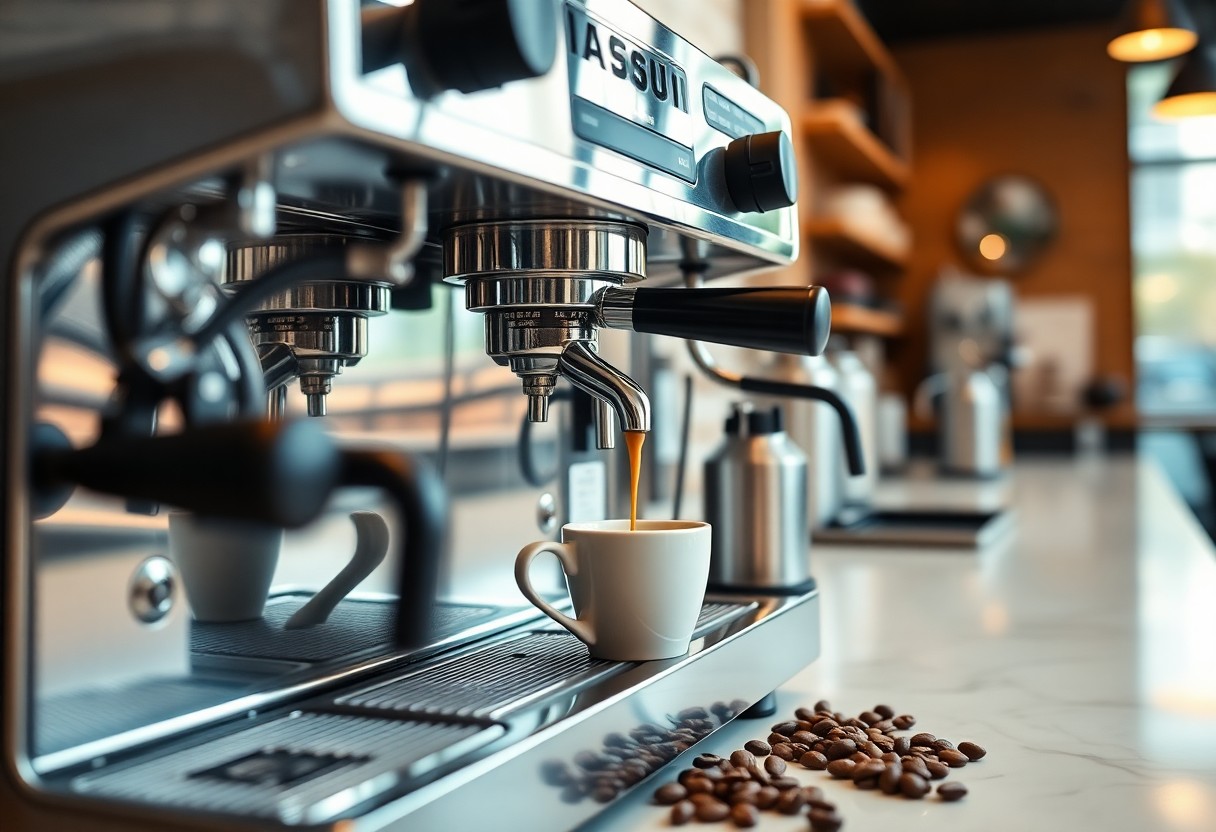
The journey from bean to cup is an intricate dance that blends science with artistry. Barista machines serve as the advanced medium that transforms raw coffee beans into a rich, aromatic brew. With high-pressure extraction and precise temperature controls, these machines amplify the coffee’s inherent flavors, ensuring every sip enchants the palate. You can enjoy a café-quality coffee experience right in your own kitchen, elevating your daily routine into an exquisite ritual.
The Brewing Process Explained
The brewing process begins with freshly ground coffee beans, where the optimal grind size is important for extraction. Your barista machine heats water to the ideal temperature, around 195°F to 205°F, releasing flavorful oils and aromas during the extraction phase. The infusion time is critical; typically, 25-30 seconds suffices for a concentrated espresso. This meticulous process captures the essence of the beans, allowing you to savor a cup bursting with flavor.
Different Extraction Techniques and Their Effects
Extraction techniques play a vital role in defining the taste and quality of your coffee. Techniques such as espresso, pour-over, and French press yield distinct flavor profiles, influenced by variables like water temperature, coffee grind, and pressure applied during brewing. Each method highlights unique characteristics, with espresso offering depth, pour-over emphasizing clarity, and French press delivering a full-bodied experience.
The impact of extraction techniques on coffee is profound. For instance, an espresso machine uses high pressure to push hot water through finely-ground coffee, resulting in a rich crema and intensified flavor profile. In contrast, pour-over methods allow for more control over water flow and saturation time, leading to a cleaner, brighter taste. Understanding the subtle distinctions between techniques enables you to tailor your brew to your taste preferences, unlocking a world of coffee enjoyment.
The Evolution of Barista Equipment
Barista equipment has undergone significant transformations since its inception, evolving from simple brewing methods to sophisticated machines that cater to the exacting standards of coffee aficionados. The progression includes the transition from stovetop moka pots and manual espresso machines to fully automated devices capable of brewing, grinding, and frothing at the touch of a button. Each innovation has elevated the coffee experience, allowing baristas to explore an array of flavors and brewing techniques, ultimately creating the perfect cup of coffee for you.
Vintage Machines vs. Modern Innovations
Vintage machines, often characterized by their charming aesthetics and manual processes, offer an experience steeped in tradition. In contrast, modern innovations emphasize automation, precision, and ease of use, integrating technologies like PID temperature control and touchscreen interfaces. While vintage machines require skill and patience, modern equipment can consistently produce high-quality espresso, appealing to both enthusiasts and professionals seeking efficiency without sacrificing taste.
Influential Developments in Coffee Brewing Technology
Several groundbreaking advancements have shaped coffee brewing technology, ensuring reliable and high-quality results. The invention of the first automatic espresso machines in the 1960s revolutionized the way coffee was prepared, drastically reducing brewing times. The introduction of the pressure gauge allowed baristas to monitor and control water pressure precisely, taking espresso-making to new heights. Additionally, innovations such as the pour-over method and immersion brewing techniques continue to gain popularity, allowing you more control over flavor extraction and coffee strength.
The Barista’s Toolbox: Essential Accessories and Add-ons
Your arsenal as a barista goes beyond just the coffee machine; it’s about the tools that enhance your brewing experience. A well-equipped barista’s toolbox can include a variety of necessary accessories, from tampers and scales to milk frothers and grinders. These items allow you to fine-tune your coffee-making process, optimizing both the flavor and presentation of your creations. Investing in quality tools not only improves your craft but also elevates your customers’ experience, ensuring every cup is nothing short of exceptional.
Must-Have Accessories for Every Barista
A few key accessories should find a permanent spot in your setup. A reliable tamper ensures a consistent brew by evenly compressing the coffee grounds in your portafilter. A digital scale offers accurate measurements for the perfect coffee-to-water ratio, while a milk frother enables you to create that velvety texture for lattes and cappuccinos. Including a knock box for spent coffee grounds can streamline cleanup, helping you maintain an efficient workflow minute after minute.
Choosing the Right Tools for Your Coffee Experience
Selecting appropriate tools can significantly affect the quality of your coffee experience. Consider your brewing method and personal preferences when investing in accessories. For instance, a high-quality burr grinder provides uniform grounds for optimal extraction, while an electric kettle with temperature control can enhance your pour-over technique. Each choice you make should align with your desired flavor profiles and the type of coffee you wish to create, empowering you to turn every brewing session into a delightful ritual.
To wrap up
On the whole, understanding the professional terms associated with a barista coffee machine enhances your coffee-making journey. By familiarizing yourself with terms like espresso, portafilter, and steam wand, you not only improve your skills but also deepen your appreciation for the craft of coffee brewing. Whether you’re a novice or an experienced barista, knowing these terms can elevate your expertise and help you create the perfect cup for yourself and others. Equip yourself with this vocabulary, and watch your coffee-making abilities flourish.
FAQ
Q: What is the primary function of a barista coffee machine?
A: The primary function of a barista coffee machine is to brew coffee or espresso by forcing hot water through finely-ground coffee beans. These machines are designed to maintain optimal temperature and pressure for consistent extraction, producing high-quality coffee beverages.
Q: Are there different types of barista coffee machines?
A: Yes, there are several types of barista coffee machines, each suited for particular needs and skill levels. Common types include manual espresso machines, semi-automatic machines, automatic machines, and super-automatic machines. Manual machines require hands-on technique, whereas automatic machines ease the brewing process with built-in features.
Q: What features should I look for in a high-quality barista coffee machine?
A: When dicking out a high-quality barista coffee machine, consider features such as temperature stability, pressure consistency, build quality, ease of use, and maintenance requirements. Advanced features like programmable settings, milk frothing capabilities, and customizable brew ratios can also enhance the brewing experience.
Q: What is the significance of the term ‘group head’ in barista coffee machines?
A: The term ‘group head’ refers to the component of the coffee machine where the coffee grounds are placed and brewed. It is responsible for directing water through the coffee grounds at the optimal pressure and temperature, ensuring a well-extracted espresso. Professional machines often have multiple group heads to allow for simultaneous brewing.
Q: How does a barista coffee machine differ from a regular coffee maker?
A: A barista coffee machine is designed specifically for making coffee shop-quality espresso and specialty drinks, featuring advanced brewing technology and equipment, while a regular coffee maker typically brews drip coffee. Barista machines often come with commercial-grade components, milk frothing capabilities, and customizable settings, providing a deeper level of control over the brewing process.