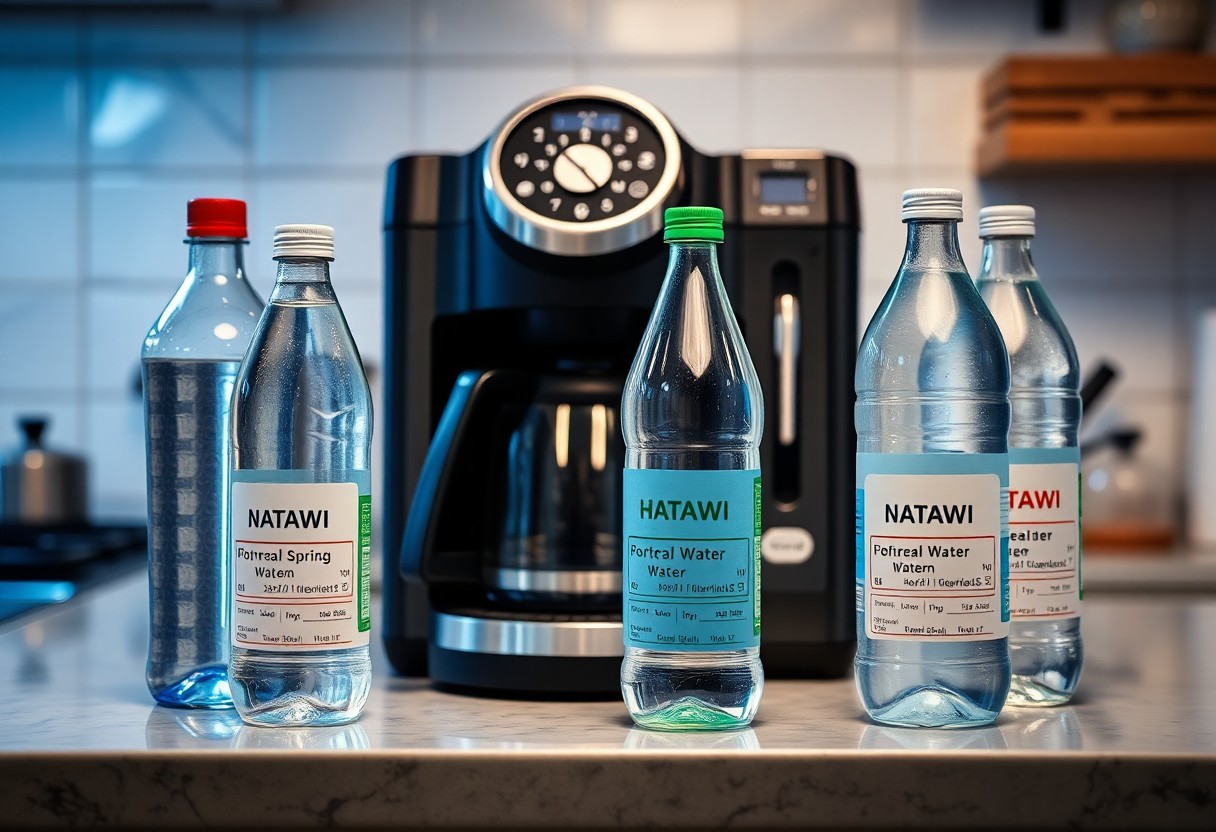
What Water to Use for a Coffee Machine – Water Quality Guide

Most coffee enthusiasts underestimate the significant impact of water quality on your brewing process. Using contaminated or hard water can lead to off-flavors and mineral buildup in your coffee machine, reducing its lifespan. Conversely, using filtered or spring water can enhance the taste of your coffee and preserve your equipment. This guide will walk you through the best water options for optimal brewing, ensuring that every cup you make is rich, flavorful, and perfectly balanced.
Key Takeaways:
- Use filtered water to enhance the flavor of your coffee and avoid potential off-tastes from tap water.
- Mineral content in water can affect coffee extraction, so aim for water with balanced mineral levels.
- Avoid distilled water, as it lacks minerals that contribute to the brewing process and can result in flat-tasting coffee.
- Regularly clean your coffee machine to prevent mineral buildup, especially when using hard water.
- If you’re unsure about your water quality, consider using bottled water labeled for brewing coffee.
The Art of Brewing: How Water Quality Affects Flavor
Water quality plays a crucial role in determining the final flavor profile of your coffee. It affects not only the extraction process but also how different compounds in the coffee interact and contribute to the overall taste. By choosing the right water, you can enhance the natural flavors of your beans, resulting in a cup that reflects the true essence of your coffee’s origin. A well-balanced water profile brings out the best in your brew, creating a harmonious blend of aromas and flavors.
The Science of Extraction and Solubility
Extraction is the process where water dissolves soluble compounds from the coffee grounds, creating your brew. Different water compositions influence how effectively this extraction occurs. For instance, soft water may struggle to dissolve crucial oils and flavors, while hard water can over-extract, resulting in bitter notes. Understanding the solubility of compounds in relation to temperature and extraction time enables you to fine-tune brewing methods for the best flavor.
The Role of Minerals in Coffee Taste
Minerals in water significantly shape the flavor of your coffee. Magnesium, for example, enhances sweetness and body, while bicarbonates help balance acidity. Sodium can enhance overall flavor perception, but excessive sodium may lead to a salty taste. A well-rounded mineral composition supports optimal extraction, allowing your coffee’s true flavors to shine through.
Specific minerals like Calcium and Magnesium play vital roles in coffee taste by impacting extraction rates and flavor balance. The presence of calcium in your water helps dissolve the coffee solubles responsible for the rich flavors you desire, while magnesium adds a level of complexity by enhancing sweetness and mouthfeel. Conversely, imbalances due to high levels of certain minerals can lead to undesirable flavors, emphasizing the need for a tailored water profile that complements your brewing style. Aim for a Total Dissolved Solids (TDS) level around 150-200 ppm to achieve the ideal flavor balance in your brew.
Decoding Water Composition: What to Look For
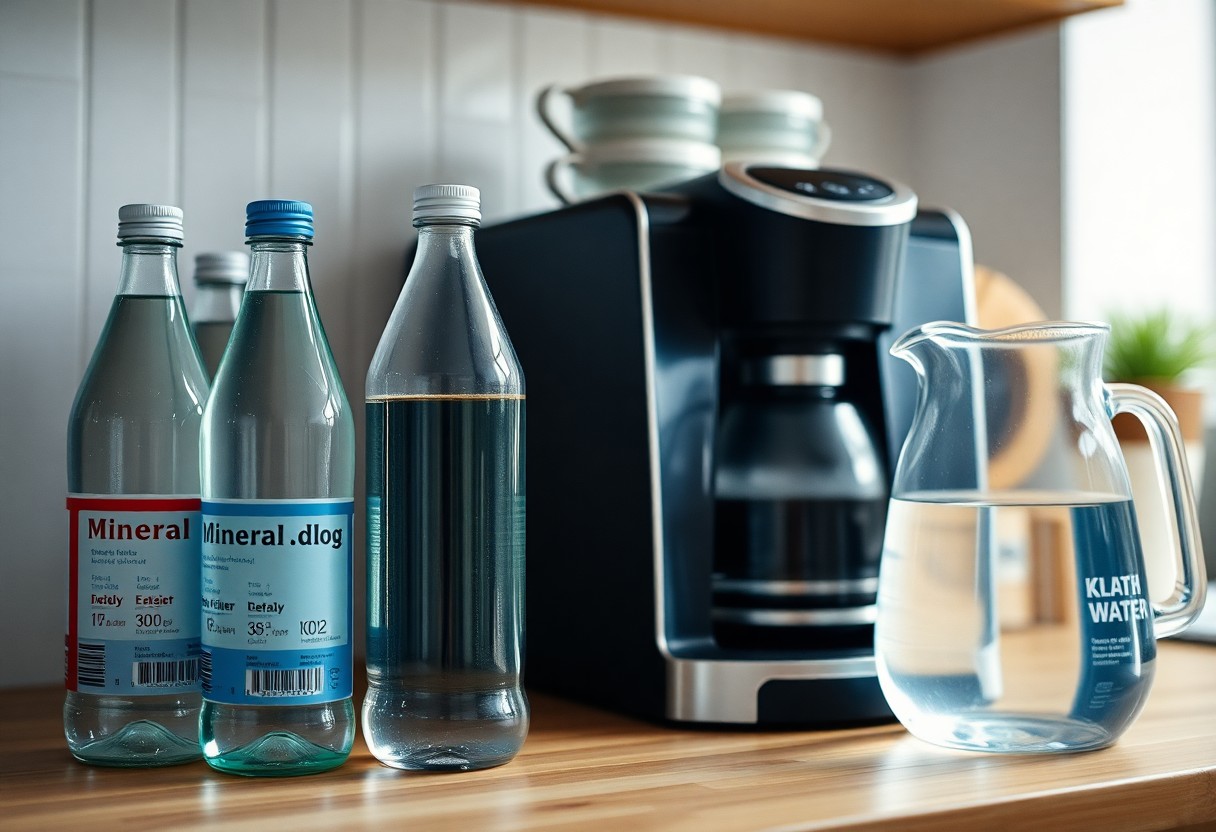
Understanding water composition can significantly improve your coffee experience. Factors such as mineral content, pH level, and Total Dissolved Solids (TDS) play pivotal roles in flavor extraction. You’ll want to pay attention to these elements to ensure your brewing water enhances, rather than masks, the characteristics of your beans. With the right balance of minerals and purity, your morning brew can reach new heights of flavor and aroma.
TDS and Its Importance in Coffee Brewing
Total Dissolved Solids (TDS) measures the amount of minerals, salts, and organic matter in your water, directly impacting the extraction process during brewing. A TDS level between 150 to 250 ppm often yields the best flavors, striking a balance between a clean cup and rich taste. Too low can lead to under-extraction, while too high can overpower the delicate notes of your coffee.
The Impact of Hardness and Softness on Flavor
The hardness or softness of your water affects the extraction of coffee flavors. Hard water, rich in calcium and magnesium, often results in bolder, fuller-bodied coffee, but may also lead to scale buildup in your machine. On the other hand, soft water can produce cleaner, more vibrant flavors, yet it sometimes lacks the depth sought by many coffee enthusiasts. Striking the right balance is key.
Water hardness specifically influences the solubility of coffee compounds during the brewing process. For instance, higher calcium levels can promote better extraction of flavor compounds, yielding a richer profile, but excessive hardness could lead to a mineral taste that overshadows the coffee’s inherent characteristics. Conversely, while softer water tends to highlight acidity and fruit notes, it can miss the broad spectrum of flavors derived from a more mineral-rich brew. Essentially, your choice in water hardness directly shapes the body and complexity of your coffee, making it a vital consideration for a well-rounded cup.
Best Water Sources for Your Coffee Machine
Selecting the right water for your coffee machine can significantly influence your brewing experience and the final taste of your cup. Some of the best water sources for coffee include filtered tap water, bottled water, or even water sourced from natural springs. Demystifying Water for Coffee explores deeper into how each source can affect your coffee quality and what specific traits to look for in water.
Tap Water: Evaluating Municipal Sources
Municipal tap water varies widely in quality depending on its source and treatment process. Conducting tests for chlorine, hardness, and total dissolved solids can guide you in understanding whether your tap water is suitable for coffee brewing. If your tap water comes heavily treated, consider using a water filter that can effectively remove impurities while retaining beneficial minerals.
Bottled Water: Choosing Wisely
When choosing bottled water for your coffee machine, scrutinize the label for mineral content and pH levels. Options that are low in sodium, moderate in calcium, and have a balanced pH between 6.5 and 7.5 are ideal for coffee brewing. Avoid waters with added flavors or minerals, as they can overshadow your coffee’s nuanced flavors.
A common mistake is opting for waters that are high in magnesium and calcium, which can lead to a chalky taste. Instead, look for purified or spring waters that have undergone filtration processes, ensuring you eliminate unnecessary additives. Not all bottled waters deliver the desired experience, so sampling different brands can help you identify the one that complements your coffee best. Always check for a balance in mineral content to avoid overwhelming your coffee’s natural flavors while enhancing its overall profile.
The Techniques of Water Preparation
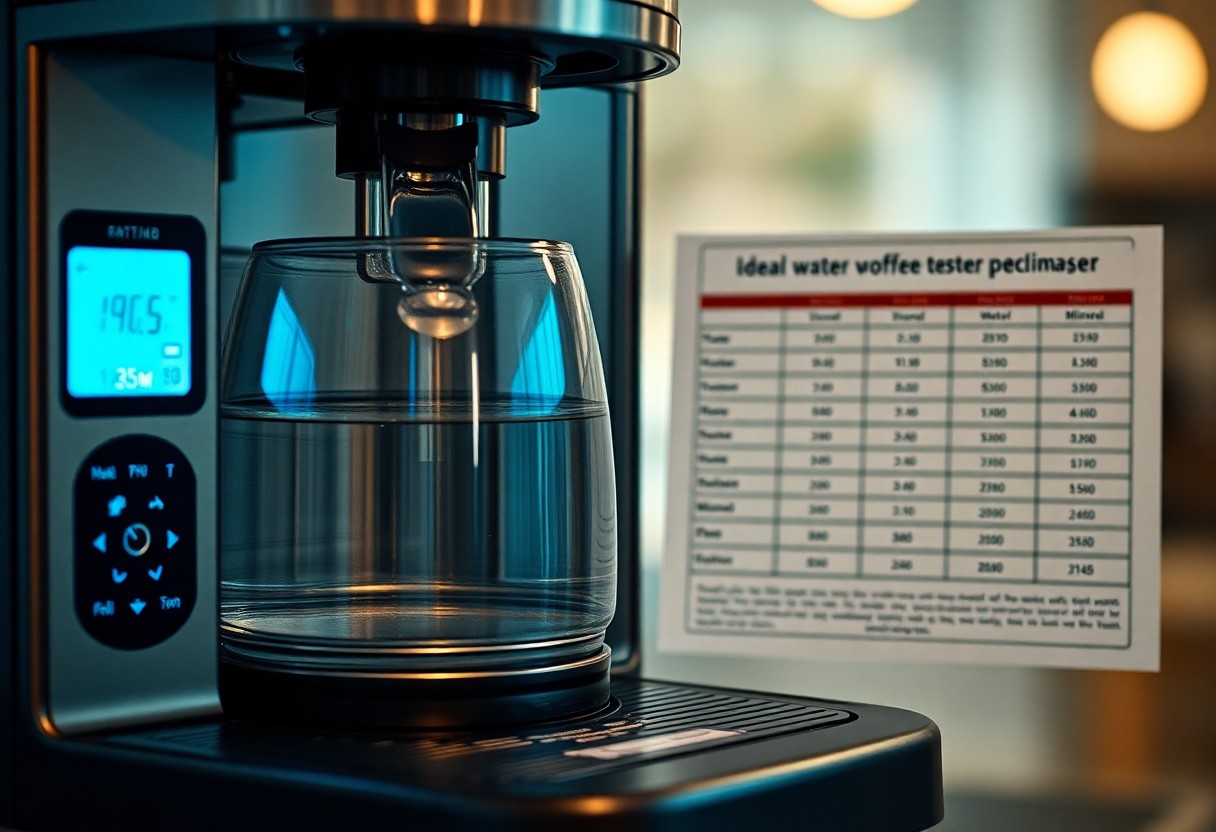
Utilizing the right techniques for water preparation is vital for brewing the perfect cup of coffee. The quality and composition of the water greatly influence the taste and overall experience of your coffee. From filtering options to understanding the significance of temperature, each aspect plays a vital role in extracting the desired flavors from your beans and achieving that ideal brew.
Filtering vs. Bottled: Pros and Cons
Choosing between filtered water and bottled water involves evaluating their respective benefits and drawbacks. Each option comes with its distinct advantages and potential downsides that can affect your coffee’s flavor profile and your convenience in preparation.
| Filtering Water | Bottled Water |
|---|---|
| Reduces chlorine and impurities | Consistent mineral content |
| Cost-effective over time | Convenient and readily available |
| Environmentally friendly | Varied flavors from different sources |
| Control over mineral levels | Must check for quality brands |
| Requires maintenance of filtering system | Potential chemical leaching from plastic bottles |
Water Temperature and Its Influence on Extraction
The temperature of your brewing water significantly impacts the extraction process. Specific temperature ranges optimize the dissolution of soluble compounds in coffee, which subsequently affects flavor and aroma. You want to aim for water heated between 195°F to 205°F (90°C to 96°C) for the best results in flavor extraction.
| Temperature (°F) | Effects on Extraction |
|---|---|
| Below 195°F | Under-extraction, weak flavors |
| 195°F to 205°F | Optimal extraction, balanced flavors |
| Above 205°F | Over-extraction, bitterness increases |
Maintaining water temperature within the ideal range is vital for achieving a well-rounded cup of coffee. For instance, using water heated above 205°F can lead to undesirable bitterness and over-extraction, whereas water that is too cool tends to produce a flat, underwhelming flavor. This balance is critical in brewing, so consider investing in a thermometer or temperature-controlled kettle to ensure precision.
| Temperature Range | Flavor Profile |
|---|---|
| Below 190°F | Muted, dull taste |
| 190°F to 195°F | Bright, acidic notes |
| 195°F to 200°F | Balanced sweetness and acidity |
| 200°F to 205°F | Rich, full-bodied flavor |
| Above 205°F | Harsh, overly bitter taste |
Troubleshooting Common Water Issues
Addressing water-related problems can elevate your coffee experience significantly. Your cup’s flavor may suffer from various water issues, such as off-flavors, excessive mineral content, or unwanted contaminants. Identifying these problems helps determine the best solutions to enhance your brewing. Making adjustments to your water source or filtration can significantly improve the overall quality of your coffee. By recognizing signs of poor water quality, you can preserve the integrity of your coffee and keep your machine in optimal condition.
Identifying Off-Flavors and Mineral Imbalance
Occasionally, you may notice unpleasant tastes or uneven extraction in your coffee. These issues often stem from off-flavors caused by high chlorine levels, sulfur odors, or an imbalance of minerals. To identify specific issues, consider conducting a taste test of your water. If coffee brewed with tap water leaves a metallic or chemical aftertaste, it indicates that contaminants need to be filtered out to achieve the desired flavor profile.
Maintaining Your Coffee Machine: Preventing Scale Build-Up
Scale build-up can severely hinder your coffee machine’s performance and affect your brew’s taste. To prevent this, regularly descaling with a suitable solution is necessary. The frequency of descaling depends on the hardness of your water; a monthly schedule might be necessary if you have very hard water. Utilize a mixture of equal parts water and white vinegar or a commercial descaling solution, running it through your machine as per the manufacturer’s guidance.
Consistent maintenance extends the life of your coffee machine and improves the quality of your brews. If you live in an area with hard water, installing a water softener can significantly reduce scale formation, thereby minimizing the need for frequent descaling. Furthermore, taking proactive measures, such as using filtered or bottled water, coupled with regular cleanings, will ensure your coffee machine operates efficiently, providing you with delicious cups of coffee every time.
Conclusion
Drawing together the insights from this guide, choosing the right water for your coffee machine significantly impacts the flavor and overall quality of your brew. You should opt for filtered or bottled water that is free from impurities and high in mineral content for optimal extraction. Avoid using distilled or tap water with excessive hardness, as these can alter your coffee’s taste and damage your machine. By prioritizing water quality, you enhance not only your coffee experience but also the longevity of your equipment.
FAQ
Q: What type of water is best for brewing coffee in a coffee machine?
A: The best type of water for brewing coffee is filtered water. This removes impurities and chlorine that can affect the taste of the coffee. Additionally, water that is free from heavy minerals or contaminants will help in extracting the flavors from the coffee grounds more effectively.
Q: Can I use bottled water in my coffee machine?
A: Yes, bottled water is a great option for coffee brewing. Look for bottled water that is low in minerals, as high mineral content can alter the taste of your coffee. Spring water can be a good choice, but avoid distilled water as it lacks minerals that enhance flavor extraction.
Q: Is tap water suitable for making coffee?
A: Tap water can be used for making coffee, but its suitability depends on its quality. If your tap water has a strong taste or odor due to chlorine, heavy minerals, or other impurities, it might not make the best cup of coffee. If you are unsure about your tap water quality, consider using a water filter to improve its taste and clarity.
Q: Does the temperature of the water affect the brewing process?
A: Yes, the temperature of the water does have an impact on coffee extraction. Ideally, the water temperature for brewing should be between 195°F to 205°F (90°C to 96°C). Using water that is too hot can result in over-extraction and bitterness, while water that is too cold may lead to under-extraction and a weak flavor.
Q: How often should I change the water in my coffee machine?
A: It is recommended to use fresh water each time you brew coffee to ensure optimal flavor. If you are storing water in the coffee machine, aim to change it every day. Additionally, if you notice any scale buildup due to hard water, perform regular descaling of your coffee machine to maintain water quality and device performance.