What Coffee to Use in a DeLonghi Espresso Machine – Bean Guide

Beans are at the heart of your DeLonghi espresso experience, and selecting the right ones can significantly impact the flavor and aroma of your brew. You should choose freshly roasted, high-quality beans that complement your espresso machine’s capabilities. Consider factors such as grind size, blend types, and origin to elevate your coffee game. For more insights on how to make the most of your coffee selection, check out the Coffee Basics resource.
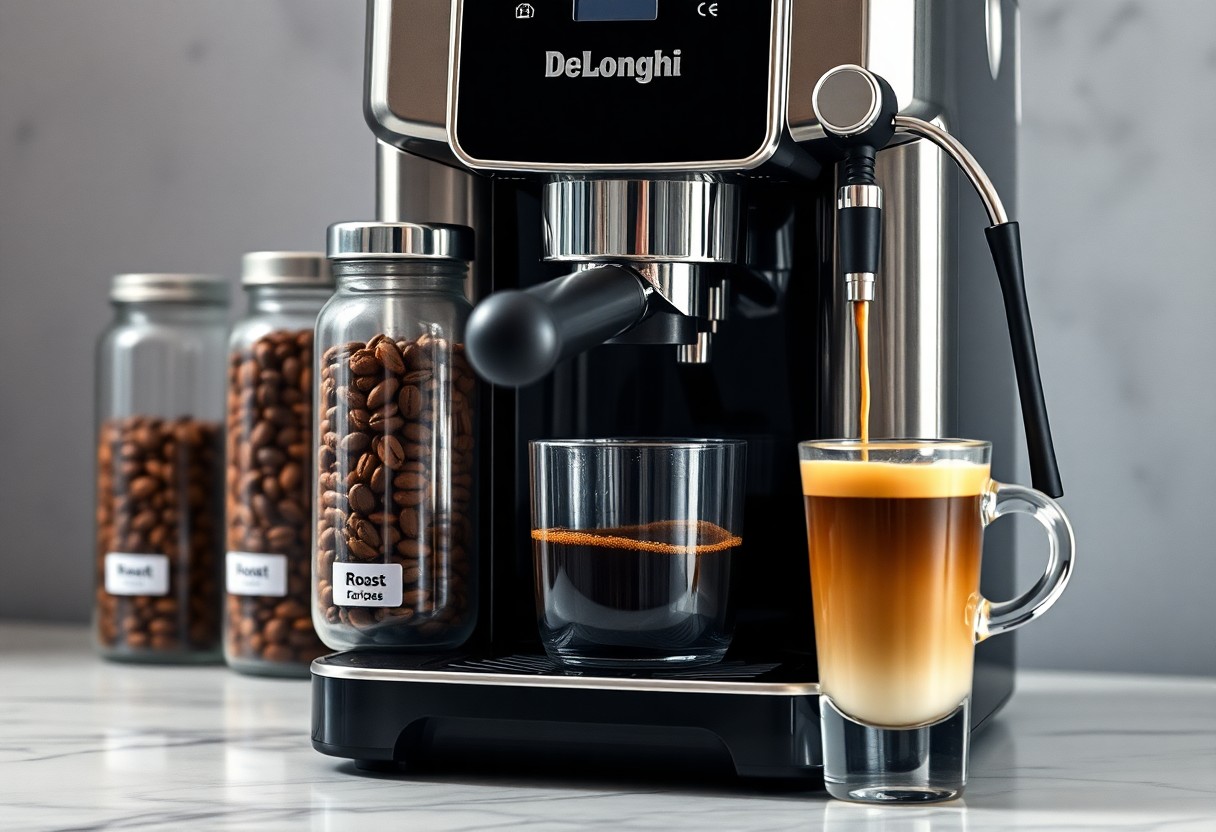
Key Takeaways:
- Select high-quality beans with a roast profile suitable for espresso.
- Opt for freshly roasted beans, ideally used within two to three weeks of roasting for optimal flavor.
- Experiment with various origins and blends to find your preferred taste profile.
- Grind beans just before brewing to preserve freshness and enhance extraction.
- Pay attention to the grind size, aiming for a fine consistency that works best for espresso.
Decoding Bean Preferences: What Your Taste Buds Crave
Your coffee experience is deeply personal, shaped by your unique taste preferences. Exploring various bean types can unveil odes to flavors you didn’t know you loved. – QUICK GUIDE – can assist in this journey, providing insights about selecting beans that align with your palate. The more you experiment, the closer you move toward your espresso ideal.
The Flavor Profile Spectrum: Light, Medium, and Dark Roasts
Roast level significantly impacts the taste of your espresso. Light roasts are known for their bright acidity and complex flavors, often carrying fruity, floral notes. Medium roasts provide a balanced taste between sweetness and acidity while showcasing a wider range of flavors. Dark roasts tend to have a bolder, richer profile, with more pronounced bitterness and chocolate or nutty undertones. Each roast brings a different dimension to your espresso, allowing you to tailor your brew to your preferences.
Single-Origin vs. Blends: What Works Best for Espresso
Single-origin coffees often shine with distinctive flavors resulting from their specific growing regions, while blends aim for a well-rounded profile by combining different beans. Choosing between them depends on your espresso style preference; single-origin can offer clarity and uniqueness, while blends typically provide consistency and balance.
Single-origin coffees can be a delightful choice for those eager to explore unique flavors tied to their geographical backgrounds, ranging from Ethiopian fruity notes to the chocolate notes from Colombian beans. On the other hand, blends deliver a harmonious taste, ideal for espresso enthusiasts seeking a stable flavor profile that aligns with the characteristics you expect from a café. Ultimately, trying both will expand your palate and enhance your espresso-making experience in your DeLonghi machine.
The Science of Grind Size: Maximizing Extraction
The grind size of your coffee beans significantly influences the extraction process, impacting both flavor and aroma. A consistent grind allows for an even extraction of oils and compounds, ensuring that your espresso is balanced and rich. Adjusting the grind size can also compensate for variations in your coffee beans or water temperature, allowing you to achieve the perfect shot every time without compromising the quality or richness that your DeLonghi espresso machine can provide.
The Perfect Grind: Achieving the Ideal Texture
Aiming for the perfect grind means finding that sweet spot between fine and coarse. Espresso typically requires a fine grind, resembling table salt, to achieve optimal pressure during extraction. If your grind is too coarse, water flows through too quickly, resulting in weak and under-extracted coffee. Conversely, an overly fine grind can lead to over-extraction, producing a bitter taste. Experimenting with your grinder settings can help you strike that ideal balance for your personal taste preferences.
How Grind Size Impacts Flavor and Crema
Grind size plays a pivotal role in the characteristics of your espresso, affecting both the flavor profile and the crema. The finer the grind, the more surface area is exposed when water passes through the coffee, leading to a more concentrated extraction of flavors. This enhanced extraction maximizes the release of crucial oils, which contribute to a rich and velvety crema on top of your espresso. Conversely, coarser grinds may yield a less complex flavor and a thinner crema, diminishing your overall coffee experience.
For instance, experiments show that a fine grind can increase extraction by up to 30% compared to a coarse grind, resulting in the development of nuanced flavors ranging from sweet and fruity to deep and chocolatey. Understanding this relationship enables you to tailor your grind size to highlight specific flavor notes present in your chosen coffee beans. By focusing on grind size adjustments, you can unlock the full potential of your DeLonghi espresso machine, ensuring that each cup serves as a delicious expression of your coffee’s unique character.
Roasting Levels and Espresso: Finding the Right Balance
Roasting levels significantly affect the flavor profile of your espresso. Each roast brings its own distinct character, influencing everything from aroma to body. While light roasts highlight floral notes and acidity, dark roasts offer deeper, richer flavors with chocolate and smokiness. Ultimately, finding the right roast depends on your personal preference and the type of espresso experience you seek.
The Role of Acidity in Espresso Flavor
Acidity plays a vital role in creating a complex flavor profile in your espresso. It enhances the brightness and liveliness of the drink, lending a refreshing quality that balances the richness of crema and body. The right level of acidity can elevate your espresso to new heights, enriching the subtleties of the beans. A well-balanced espresso should have a harmonious interplay of sweetness, bitterness, and acidity, allowing each component to shine.
Dark Roasts vs. Medium Roasts: Pros and Cons
Choosing between dark and medium roasts ultimately revolves around your personal taste and brewing method. Both roast levels have their merits, offering unique characteristics that can enhance your espresso. Understanding these differences will help you make an informed decision that best suits your palate.
Dark Roasts vs. Medium Roasts: Pros and Cons
| Dark Roasts | Medium Roasts |
|---|---|
| Bold, rich flavors | Balanced flavors |
| Low acidity | Medium acidity |
| Less complexity | More nuanced flavors |
| Often has chocolatey notes | More fruity and floral notes |
| More bitter with a heavier body | Smoother with a lighter body |
| Dark oils may affect grind | Less oily, easier to grind |
| Higher caffeine content (weight for weight) | Lower caffeine content (weight for weight) |
| Suitable for espresso-based drinks | Great for espresso and other brewing methods |
| May mask beans’ unique characteristics | Allows bean’s true profile to shine |
| Commonly used in cafes | Popular among coffee aficionados |
Each roast level presents its own appeal, allowing you to explore the diverse world of espresso. Dark roasts are favored for their bold flavors and low acidity, making them a popular choice in many cafes. However, if you appreciate a more nuanced flavor, medium roasts can deliver a delightful combination of sweetness and acidity. Ultimately, experimentation with different roast levels will lead you to your ideal espresso experience.
Sustainable Sips: The Ethics of Coffee Selection
Choosing coffee with sustainable practices in mind not only supports environmental health but also promotes ethical treatment of farmers. As a consumer, you have the power to influence the industry by selecting beans that adhere to fair labor practices and environmentally-friendly growing methods. Prioritizing sustainability in your coffee choices contributes to biodiversity, reduced carbon footprints, and improved living conditions for coffee growers around the world.
Fair Trade and Organic: What to Look For
Opt for Fair Trade certified beans, which ensure farmers receive fair wages and work in safe conditions. Additionally, organic certification indicates that beans are grown without synthetic pesticides and fertilizers, promoting better soil health. Look for labels that indicate these standards and research roasters who source responsibly, ensuring your cup of espresso not only tastes great but aligns with your values.
Eco-Friendly Brands That Excel in Espresso
Several brands prioritize sustainability while delivering exceptional espresso beans. For instance, Blue Bottle Coffee focuses on sourcing high-quality, organic beans and offers various environmentally-conscious options. Another standout, Stumptown Coffee Roasters, emphasizes direct trade relationships with farmers, ensuring fair compensation while striving for a sustainable future. Brands like these demonstrate that it’s possible to enjoy rich, flavorful espresso without compromising ethical beliefs.
By choosing brands like Blue Bottle and Stumptown, you contribute to a more sustainable coffee industry. These companies not only adhere to strict environmental and ethical standards but also invest in their farming communities. For example, Stumptown’s commitment to direct trade fosters long-term relationships with farmers, enhancing quality and sustainability. With every brew you make, supporting these brands allows you to enjoy a delicious espresso while championing ethical coffee production.

Brewing Techniques and Bean Harmony: A Practical Approach
Successful espresso brewing hinges on the perfect balance between your selected coffee beans and your brewing techniques. Understanding the unique characteristics of each bean allows you to adjust your approach, whether it’s manipulating grind size, extraction time, or water temperature. Specialty coffees may require a fine grind for optimal extraction, while more robust blends can shine with coarser settings. Tailoring your methods to suit the bean’s profile ensures a truly harmonious espresso experience.
Machine Settings: Tailoring Your DeLonghi for Different Beans
Each type of coffee bean demands its own set of machine settings for brewing perfection. Adjusting the grind size is necessary; finer grinds generally require lower water flow rates for a rich flavor, while coarser grinds can benefit from increased pressure. Your DeLonghi can be tweaked for extraction time—typically around 25-30 seconds—to create that ideal shot. These minimal adjustments can drastically alter the final cup, helping you uncover new depths in your favorite beans.
Maintenance Tips: Keeping Your Machine in Top Shape
Regular maintenance ensures your DeLonghi espresso machine delivers optimal performance and flavor. Routine tasks like cleaning the brew group and descaling the machine are vital for longevity. Always use filtered water to prevent mineral buildup that can affect taste and functionality. Additionally, regularly check seals and gaskets to prevent leaks and ensure a tight fit. The unwavering commitment to these maintenance practices will keep your machine brewing flawlessly.
- Clean the brew group every few weeks.
- Descale your machine every 3-6 months to avoid mineral buildup.
- Check and replace seals and gaskets as needed.
- Use filtered water for a better taste
- Store your beans in an airtight container to preserve freshness.
Pay attention to your DeLonghi’s maintenance schedule, as it can greatly extend the lifespan of your machine. Clean the brew group regularly to prevent coffee residue buildup that affects flavor, and ensure you’re using the right cleaning agents designed for espresso machines. Keep scouring the user manual to discover additional tips for maintenance; it can reveal insights specific to your DeLonghi model. The attention you give today will translate to coffee excellence tomorrow.
- Cleaning the brew group regularly is necessary.
- Follow a descaling schedule for consistent taste.
- Use filtered water to enjoy pure flavors.
- Replace seals to prevent air leaks.
- Store your coffee beans properly to maintain quality.
Summing up
From above, you should consider the type of beans you choose for your DeLonghi espresso machine, as this will significantly influence the flavor and aroma of your coffee. Opt for high-quality, freshly roasted beans that suit your taste preferences, whether you prefer a bold dark roast or a lighter, fruity profile. Additionally, don’t overlook the importance of proper grinding to maximize extraction and enhance your espresso experience. By selecting the right beans and ensuring proper preparation, you can elevate your coffee-making and savor a delicious espresso at home.
FAQ
Q: What type of coffee beans is best for a DeLonghi Espresso Machine?
A: For a DeLonghi Espresso Machine, it is recommended to use high-quality espresso beans. Look for beans that are specifically labeled as espresso or medium to dark roast. These beans tend to have the rich flavors and oils that are ideal for espresso extraction. Arabica beans are often preferred for their smooth taste, while Robusta beans can add a stronger crema and a bit of intensity.
Q: Should I use whole beans or pre-ground coffee in my DeLonghi Espresso Machine?
A: Whole beans are generally the best choice for your DeLonghi Espresso Machine. Grinding fresh coffee beans just before brewing allows for optimal flavor extraction and a fresher taste. If your machine has a built-in grinder, you’ll get the best results using whole beans. However, if you opt for pre-ground coffee, make sure it is specifically for espresso and is finely ground to ensure proper extraction.
Q: How fine should I grind my coffee for a DeLonghi Espresso Machine?
A: The grind size for coffee used in a DeLonghi Espresso Machine should be fine, resembling table salt or slightly finer. This allows the hot water to extract the flavors efficiently while creating a good crema. If your grind is too coarse, the espresso may taste weak and watery, while too fine of a grind can result in over-extraction and bitterness.
Q: How should I store my coffee beans to maintain freshness for my DeLonghi Espresso Machine?
A: To maintain the freshness of your coffee beans, store them in an airtight container in a cool, dark place, away from light, heat, and moisture. Using vacuum-sealed bags or containers can help preserve flavor and aroma. It’s also advisable to buy coffee in small batches to ensure you use it while it’s still fresh, as coffee beans start to lose their flavor within weeks of roasting.
Q: Are there any specific coffee blends that are recommended for a DeLonghi Espresso Machine?
A: Many coffee roasters offer blends specifically designed for espresso brewing. Popular choices include blends that combine Arabica and Robusta beans for a balance of flavor and crema. Look for blends labeled as Italian or espresso blends, which often feature tasting notes of chocolate, nuts, or caramel. Experimenting with different brands and blends can help you find your perfect cup.