What is a Tamper on a Coffee Machine – Espresso Tool

Just as you wouldn’t bake without a proper oven, you shouldn’t brew espresso without a tamper. This imperative tool compresses your coffee grounds, ensuring a uniform extraction of flavors during brewing. Using it correctly can significantly enhance the taste and quality of your espresso, while the wrong technique may lead to uneven shots and bitter flavors. Choosing the right tamper, with the appropriate size and weight, allows you to craft the perfect espresso shot, elevating your coffee experience to new heights. Invest in your brewing ritual and see the difference it makes!
Key Takeaways:
- A tamper is a specific tool used to compress coffee grounds into a puck in the portafilter before extraction in espresso machines.
- The size and shape of the tamper should match the diameter of the portafilter for optimal performance.
- Proper tamping technique involves applying even pressure to create a uniform coffee bed, preventing channeling during extraction.
- Tamping pressure is generally recommended to be around 30 pounds, although individual preferences may vary.
- A good quality tamper can enhance the consistency and quality of espresso shots, leading to better flavor and crema.
The Anatomy of a Perfect Espresso: Role of the Tamper
The tamper is a key player in crafting the perfect espresso, providing the force needed to compress the coffee grounds evenly within the portafilter. This compression ensures that water flows uniformly through the coffee puck, allowing for optimal extraction of flavors. A well-tamped espresso shot not only enhances taste but also impacts crema quality, resulting in a more enjoyable cup. Learn more about the specifics of tampers in this guide on What is an Espresso Tamper? Plus 6 Main Tamper Types.
Components of a Tamper
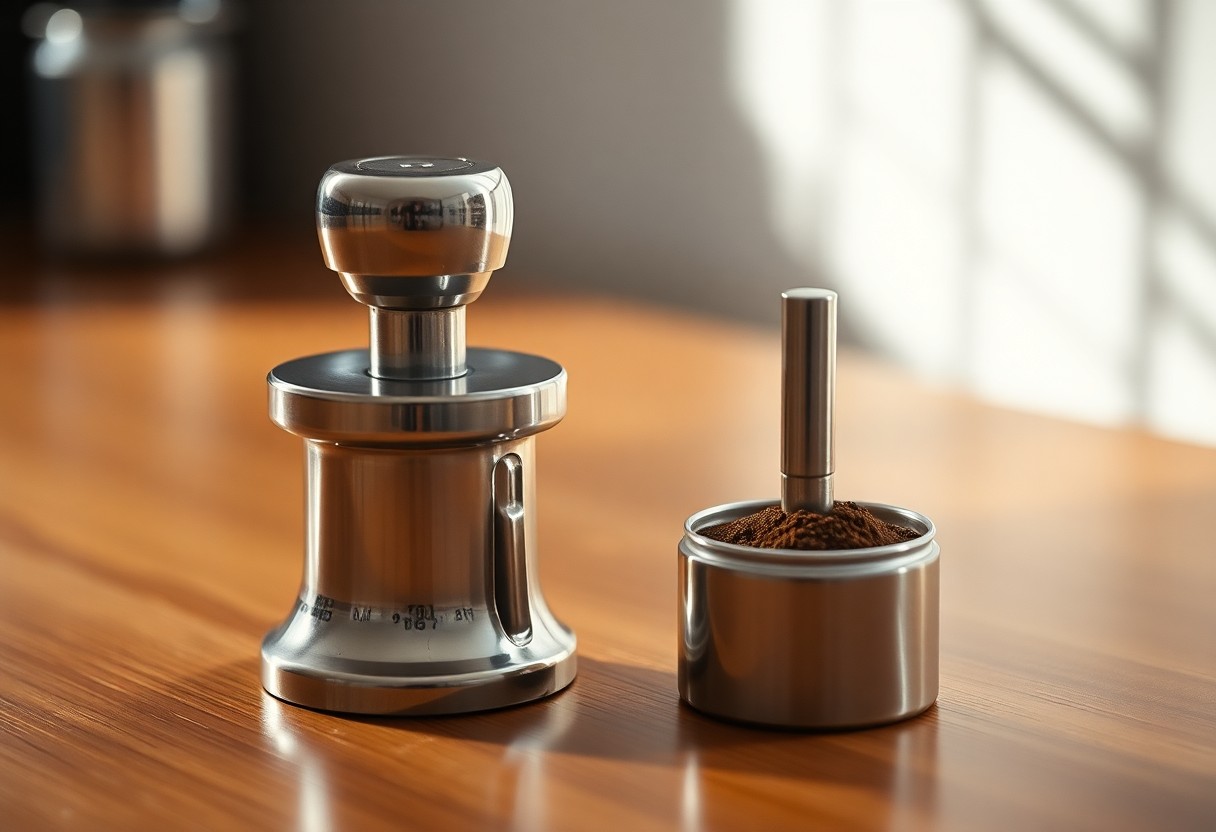
A tamper generally consists of a handle and a base. The base, often made of stainless steel or aluminum, ensures durability and provides the necessary weight for effective compression. Handles come in various materials, including plastic, wood, or metal, making them comfortable and easy to grip. The size of the tamper base must match your portafilter to create the perfect fit for even tamping.
How Tampers Influence Extraction Quality
Your technique when tamping directly influences the espresso extraction process. An uneven tamp can cause water to channel through the coffee grounds inconsistently, leading to under-extracted bitter flavors or over-extracted sour notes. Achieving even pressure is important for consistent flavor profiles and an inviting crema. Some experts recommend using a pressure of around 30 pounds for optimal results, ensuring that your espresso has a rich, balanced taste.
With a steady hand, tamping engages the full potential of your coffee beans. Inconsistent tamping can create “hot spots” where water pushes through at different rates, leaving some grounds over-extracted while others remain weak. To counter this, consider learning a consistent tamp technique, applying even pressure, and holding the tamper level. This diligence can lead to a remarkable difference in the resulting espresso, helping you elevate your coffee experience at home or in a café setting.
The Art of Tamping: Techniques for Success
Tamping is a skill that requires practice and precision, as the right technique can significantly influence your espresso’s flavor profile. Developing a steady hand and an eye for detail will enhance your brewing experience, leading to a consistent extraction and a rich, balanced shot of espresso.
Pressure and Consistency in Tamping
Applying uniform pressure while tamping is vital for achieving consistent results. You should aim for about 30 pounds of pressure when tamping the coffee grounds. Inconsistent pressure can lead to channeling or uneven extraction, which directly impacts the quality of your espresso.
Common Mistakes to Avoid
Avoiding common errors can elevate your espresso game significantly. One frequent mistake is tamping at an angle, which can create an uneven puck that leads to uneven extraction. Additionally, not ensuring that your coffee grounds are consistently spread can hinder proper tamping, resulting in unbalanced flavors.
Many struggle with tamping too hard or not hard enough, leading to an improperly extracted espresso. Over-tamping may compact the grounds excessively, choking the flow of water, while under-tamping can cause unevenness, producing a watery shot. Pay attention to your technique; always ensure that you tamp evenly and straight to create a level surface. Consistency is key; practice regularly and assess your shots critically to fine-tune your approach for that perfect espresso experience.
Materials Matter: Choosing the Right Tamper
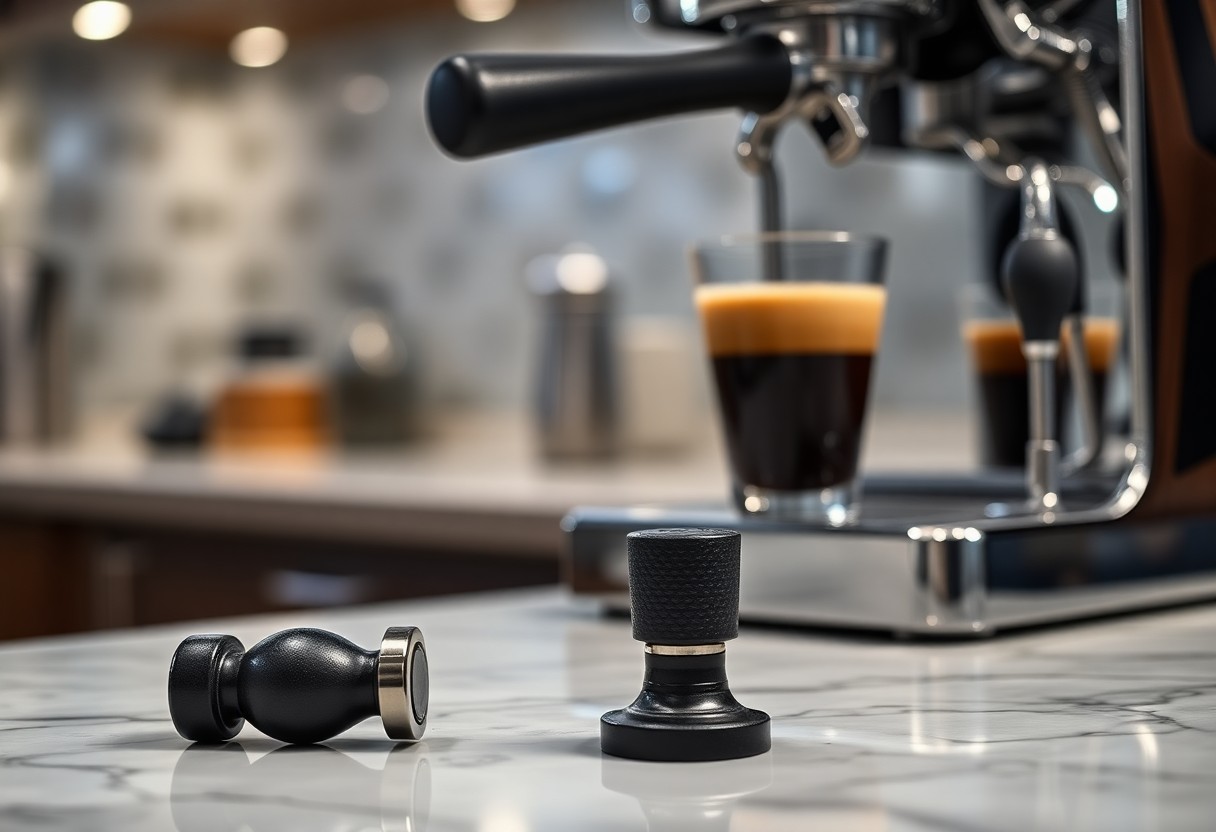
Your choice of tamper material can influence your espresso experience. Each material has unique properties that affect how you compress the coffee grounds. For a deeper understanding of Importance and Use of Espresso Tampers, consider how different materials can impact the quality of your coffee. Selecting the right tamper not only enhances your brewing efficiency but can also elevate your barista skills at home.
Comparing Stainless Steel, Aluminum, and Wood
| Material | Characteristics |
|---|---|
| Stainless Steel | Durable, heavy, excellent for consistent tamping; often preferred by professionals. |
| Aluminum | Lightweight, affordable, decent for beginners, but may lack heft for optimal pressure. |
| Wood | Traditional, aesthetically pleasing, provides a warm feel, but can be less durable and hard to clean. |
The Impact of Weight on Tamping
The weight of your tamper plays a pivotal role in achieving an even distribution of pressure. A heavy tamper allows you to apply sufficient force without the risk of fatigue, ultimately leading to a more consistent espresso extraction. On the other hand, a lighter tamper requires more effort and can lead to uneven tamping, impacting the overall flavor of your brew. Finding the right weight can enhance control and precision during the tamping process, making it a vital consideration for serious coffee enthusiasts.
When you choose a tamper, consider the overall weight — generally ranging from 200 to 600 grams. A heavier tamper can simplify the process of applying consistent pressure and reduces the effort you need to exert. For instance, experts often recommend a weight between 400 to 500 grams for optimal results. However, personal preference plays a significant role; some baristas enjoy the nuance of a lighter tamper, allowing for more tactile feedback during the tamp. Trying out various weights can help you determine what feels best for your technique and style.
Beyond the Basics: Advanced Tamping Strategies
Improving your tamping technique allows for greater extraction and fuller flavor profiles in your espresso shots. By exploring advanced strategies, you can enhance your brewing performance and consistency. Leveling, distributing, and even considering variations in your technique can make a significant difference. Here are some tactics to elevate your espresso game:
- Experiment with double tamping for compact grounds.
- Utilize body weight to exert consistent pressure.
- Incorporate a rotation technique for a more even distribution.
- Practice adjusting tamping depth based on coffee type.
| Technique | Description |
| Distribution Tool | Helps eliminate channeling by evenly spreading grounds before tamping. |
| Single vs Double Tamp | Using a double tamp can increase consistency in pressure applied. |
Using a Distribution Tool for Even Grounds
A distribution tool is a valuable addition to your espresso toolkit, ensuring that coffee grounds are evenly spread within the portafilter. This tool eliminates inconsistencies that may arise from the initial grind, minimizing the risk of channeling during extraction. By evenly distributing the grounds, you create a uniform surface area which ultimately leads to a balanced extraction and richer flavor in your espresso shots.
The Effect of Different Grind Sizes on Tamping
Grind size significantly influences the tamping pressure required and the overall extraction process. Finer grounds tend to create more resistance during tamping, leading you to apply greater pressure for optimal compaction. Conversely, coarser grinds require less force, as they create a looser bed. Understanding the relationship between grind size and tamping helps you adjust your technique to yield the perfect espresso shot.
The impact of grind sizes on tamping extends beyond mere resistance; it directly affects your espresso’s taste and crema quality. For finer grinds, the compact bed can lead to over-extraction if tamped too hard, resulting in bitter notes in your coffee. On the flip side, if coarser grinds are tamped too lightly, you’ll risk under-extraction, producing sour flavors. A balanced approach, often requiring multiple experiments, will assist you in discovering the sweet spot for your preferred coffee beans and brewing method.
Tamping Myths Busted: Separating Fact from Fiction
Debunking Common Misconceptions
Many espresso enthusiasts cling to myths surrounding tamping, such as the idea that a perfectly level tamp is unnecessary. In reality, uniform pressure and an even surface are important for optimal water flow through the coffee grounds, ensuring a balanced extraction. Some believe that tamping harder leads to better espresso, but excessive force can actually create over-extraction, resulting in bitterness. Understanding these misconceptions will sharpen your technique and enhance your overall brewing experience.
Insights from Industry Experts
Industry professionals emphasize that while tamping is a personal technique, there are universal principles that can guide your approach. Renowned barista trainers argue that consistency in pressure—around 30 pounds of force—is key to achieving a stable extraction. Additionally, using a tamper aligned with the portafilter’s rim helps in providing a smooth, even surface, leading to richer flavors in your espresso.
Experts like Scott Rao suggest that developing a routine around your tamping technique contributes to a more reliable espresso outcome. Regularly practicing your tamping pressure and alignment will make a noticeable difference in your shots. Keep in mind that no amount of equipment can replace the value of technique; honing your skills will allow for fuller moca flavors that elevate each cup.
To wrap up
As a reminder, a tamper is an vital tool for your espresso-making process, allowing you to compact the coffee grounds evenly in the portafilter. This step helps create the optimal resistance against water, ensuring consistent extraction and rich flavor in your espresso shots. When choosing a tamper, consider the size and material that best suits your needs to enhance your coffee-making experience. With the right tamper in your toolkit, you can achieve barista-quality espresso right at home.
FAQ
Q: What is a tamper and what role does it play in espresso making?
A: A tamper is a tool used in the espresso-making process to compress coffee grounds in the portafilter before brewing. This compression is vital for creating resistance against the water flow, which allows for an even extraction of flavors during the brewing process. A properly tamped coffee bed ensures that the water passes through the grounds uniformly, resulting in a rich and balanced espresso shot.
Q: How do I choose the right size tamper for my coffee machine?
A: To select the correct size tamper, you need to know the diameter of your portafilter basket. Most standard portafilters are either 58mm or 53mm, although some machines may have different sizes. It’s important to choose a tamper that perfectly fits your portafilter to ensure an even and uniform tamping action, which contributes to better espresso extraction. Check the manufacturer’s specifications for your espresso machine to find the exact size required.
Q: What materials are commonly used for tampers, and how do they affect performance?
A: Tampers are typically made from materials such as stainless steel, aluminum, or plastic. Stainless steel tampers are favored by many baristas for their durability and weight, which provides a solid feel during tamping. Aluminum tampers are lighter and may be less expensive, while plastic tampers are often more affordable but may not provide the same level of performance. The choice of material can influence the feel and control during the tamping process, making it a personal preference for espresso enthusiasts.
Q: Is there a specific technique for using a tamper correctly?
A: Yes, using a tamper effectively requires a specific technique. Firstly, distribute the coffee grounds evenly in the portafilter before tamping. When tamping, apply firm and even pressure straight down, rather than at an angle. It’s recommended to use around 30 pounds of pressure to achieve a proper compression. After tamping, the surface should be level and slightly polished. This technique helps create an evenly packed coffee bed, promoting optimal water flow and espresso extraction.
Q: Can using a tamper incorrectly affect the flavor of my espresso?
A: Absolutely, improper tamping can significantly impact the flavor and quality of your espresso. If tamping is too light, water may flow through the coffee grounds too quickly, resulting in a weak extraction and underdeveloped flavors. Conversely, if the tamp is too hard, it can lead to over-extraction, causing bitterness and undesirable tastes. Thus, mastering the tamping technique is important for achieving a balanced and flavorful espresso shot.