
What is a Pump Coffee Machine – Pressure System

There’s a lot to discover about pump coffee machines and their impressive pressure systems. If you enjoy brewing espresso or rich coffee at home, understanding how these machines work can enhance your experience. The pressure system uses a pump to force hot water through coffee grounds, ensuring maximum extraction of flavor and aroma. This blog post will guide you through the mechanics behind these machines, highlighting the benefits of consistent pressure and how it directly affects your coffee quality. Let’s explore the fascinating world of pump coffee machines!
Key Takeaways:
- A pump coffee machine utilizes a specific pressure system to force hot water through coffee grounds, which enhances flavor extraction and results in a richer cup of coffee.
- The pressure typically generated by a pump coffee machine is around 9 bars, which is imperative for optimal espresso preparation.
- These machines come with various features, including temperature control and programmable settings, allowing for greater customization in brewing coffee.
- Maintenance of pump coffee machines involves regular cleaning and descaling to ensure consistent performance and longevity.
- They are usually favored by coffee enthusiasts and baristas for their ability to produce high-quality espresso and specialty drinks.
The Mechanics of Pressure in Coffee Brewing
The mechanics of pressure in coffee brewing play a pivotal role in developing flavor and aroma. Pump coffee machines utilize a specific pressure level, usually around 9 bars, to achieve optimal extraction. This pressure helps to push water through finely ground coffee, ensuring that necessary oils and flavor compounds are adequately released. Understanding this dynamic is necessary for any coffee enthusiast. For further insights, you can explore Trying to understand pump pressure better.
How Pressure Influences Extraction
Pressure directly impacts the efficiency of flavor extraction during brewing. Higher pressure optimizes the emulsion of coffee oils and solids, leading to a richer taste experience. Conversely, too much pressure can result in over-extraction, producing bitterness. Understanding these nuances helps you dial in your brew for the perfect cup.
The Role of Pump Systems in Optimal Brewing
Pump systems are designed to maintain consistent pressure throughout the brewing process. They achieve this by drawing water from the reservoir and forcing it through the coffee grounds at a controlled rate, allowing for even extraction. This consistency not only affects taste but can also enhance the texture of your coffee, creating that coveted crema layer on your espresso.
Each pump coffee machine offers various pump types, such as rotary and vibratory pumps, which influence how pressure is delivered. Rotary pumps provide a steady flow, making them ideal for cafes where volume and quality are key. On the other hand, vibratory pumps are often more compact, suited for home machines while still delivering the necessary pressure. By understanding your machine’s pump system, you can tweak brewing parameters to maximize extraction and enjoyment.
Comparing Pump Coffee Machines to Other Brewing Methods
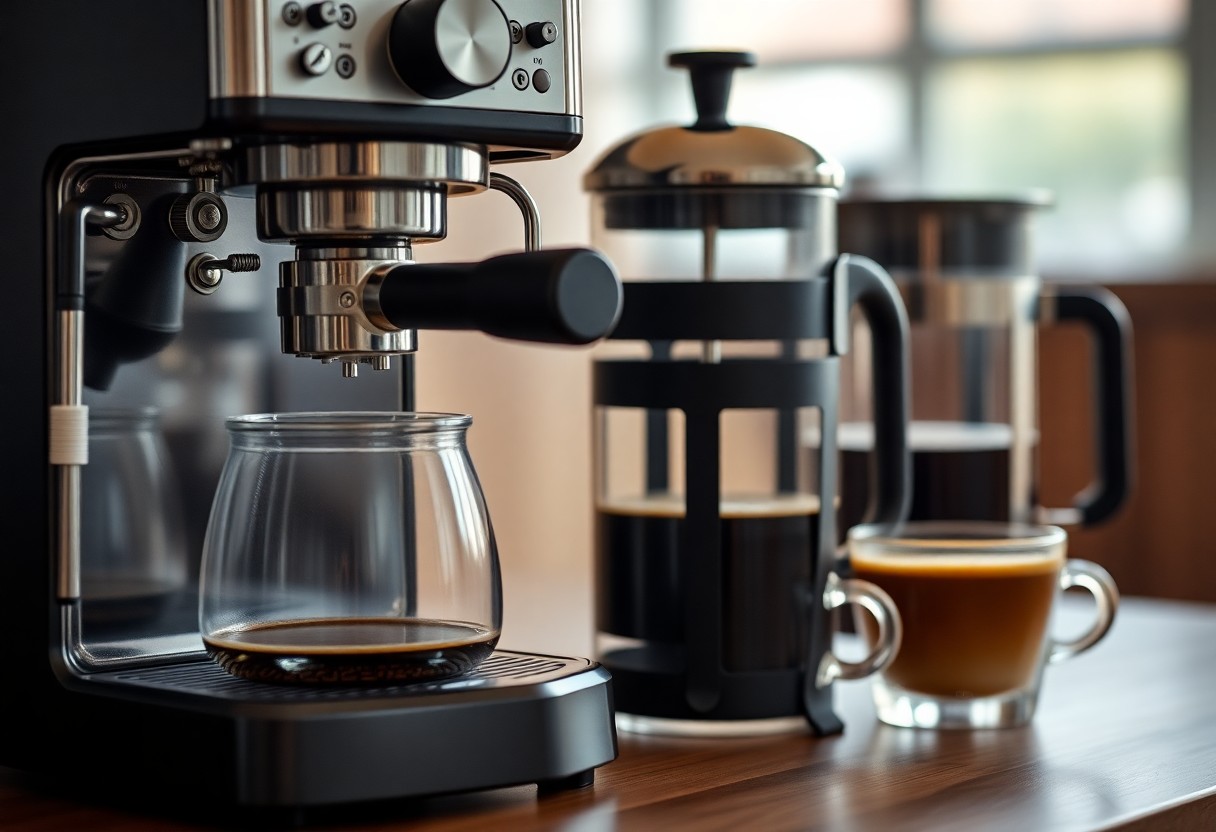
Evaluating pump coffee machines against other brewing methods highlights their unique contributions to the overall coffee experience. Methods like drip brewing or French press may yield satisfactory results, yet they often lack the rich crema and full-bodied flavor that pumps can deliver. Why do so many espresso machines have pumps that … is a conversation that researchs deeper into these distinctions.
| Pump Coffee Machine | Other Brewing Methods |
|---|---|
| Creating espresso with rich crema | Weaker flavor profiles (drip coffee) |
| Consistency in temperature and pressure | More variable outcomes (French press, AeroPress) |
| Faster extraction time | Longer brewing durations |
The Distinct Advantages of Pump Machines
Pump machines excel at delivering espresso with precision. The pressure maintained in these machines ensures optimal extraction of coffee oils and flavors, producing a richer, more complex cup. Additionally, a steady temperature during brewing further enhances the flavor profile, making your coffee consistently delicious with every cup.
Limitations and Considerations in Comparison
While pump coffee machines offer high-quality results, they often involve steeper initial costs and may require more maintenance than simpler methods. Some users may find the learning curve associated with mastering a pump espresso machine daunting compared to the straightforward functionality of a French press or drip pot. It’s crucial to weigh your expertise and willingness to commit to a pump coffee machine versus the ease of alternative brewing methods.
| Limitations | Considerations |
|---|---|
| Higher initial investment | Learning curve for optimal use |
| Regular maintenance required | Space considerations in the kitchen |
| Potentially complex setup | Consistency vs. variety in brewing |
The Technology Behind Pump Coffee Machines
Understanding the technology behind pump coffee machines reveals how they consistently deliver exceptional coffee. These machines use a specialized pressure system that forces hot water through coffee grounds, extracting optimal flavors and aromas. This technology not only improves the richness of your coffee but also allows for better control over brewing parameters like temperature and pressure. With advancements in design and engineering, your coffee experience can be both faster and more customizable than ever before.
Key Components and Their Functions
Key components of pump coffee machines contribute significantly to their performance. The boiler heats water to the ideal brewing temperature, while the pump generates the necessary pressure for extraction. Additionally, the portafilter holds your coffee grounds and fits onto the machine to ensure a secure seal during brewing. Pressure gauges help you monitor the brewing process, ensuring consistent results. The combination of these elements enables you to enjoy a rich and flavorful coffee experience every time.
Insights into Pump Types and Performance
Moonlighting as the heart of your pump coffee machine, various pump types provide differing performance levels. The most common types include rotary and vibratory pumps, each with unique characteristics. Rotary pumps, for instance, are often found in commercial settings due to their ability to maintain consistent pressure. Conversely, vibratory pumps are typically found in home machines, offering a more compact design. Performance metrics generally include extraction time, pressure stability, and consistency in flavor, ensuring you can find the perfect fit for your brewing needs.
| Component | Function |
| Boiler | Heats water for brewing |
| Pump | Generates brewing pressure |
| Portafilter | Holds coffee grounds securely |
| Pressure Gauge | Monitors extraction pressure |
| Steam Wand | Froths milk for beverages |
Various pump types exhibit different performances tailored to your specific needs, especially when customizing your coffee. Rotary pumps provide stable pressure, enhancing the consistency of extraction, which is paramount for delivering exceptional flavors. Alternatively, vibratory pumps are compact and often found in home machines, making them more accessible for personal use. When choosing your machine, consider factors like the size, durability, and availability of features that enhance your overall experience. This ensures you gain a powerful tool for crafting your perfect coffee.
- Rotary pumps offer stability for commercial setups.
- Vibratory pumps are compact for home use.
- Extraction time impacts flavor quality.
- Pressure control is crucial for consistency.
- Choosing the right pump affects your brewing experience.
Mastering Your Coffee Craft: Techniques with Pump Machines
Unlocking the full potential of your pump coffee machine involves understanding the intricate techniques that lead to the perfect brew. Focusing on the nuances of extraction, you can elevate your coffee-making skills while enjoying a customized output tailored to your personal palate. Whether you’re adjusting the grind size, experimenting with dosages, or fine-tuning the brewing time, mastering your pump machine will not only enhance the flavor but also allow you to express your creativity in each cup.
Brewing Settings: Pressure, Temperature, and Time
Fine-tuning your brewing settings can significantly impact the taste of your coffee. Understanding how pressure, temperature, and time interact is necessary for brewing excellence. Here’s a breakdown of these critical parameters:
| Pressure | 9-10 bars generally yield optimal extraction |
| Temperature | Between 90-96°C (194-205°F) for ideal brewing |
| Time | 25-30 seconds for espresso; adjust for other brews |
Tips for Achieving Consistency and Flavor Quality
To enhance consistency and flavor quality in your coffee, systematic practices and keen observations are key. Ensure that your grind size, dosage, and tamping technique are on point. Regular maintenance of your machine is necessary to avoid variations caused by residual coffee oils and buildup. Keep a brewing diary to note changes and outcomes, allowing for a more controlled environment for your experiments.
- Grind Size: Ensure it matches the brew type for optimal extraction.
- Dosage: Maintain consistent coffee weight for uniform results.
- Tamping Technique: Aim for an even, firm tamp to avoid channeling.
- Maintenance: Regularly clean your machine to prevent flavor degradation.
Consistency in coffee brewing leads to a straightforward yet effective path to quality beverages. Sticking to a routine for your grind size, dosage, and tamping technique ensures that each cup is comparable to your previous brews. Over time, the insights gathered from documenting each journey might redefine your understanding of flavors and preferences. Recognizing these subtleties is vital for perfecting your craft.
- Experimentation: Explore different beans and profiles to discover unique tastes.
- Brewing Diary: Track your brews for better future reference and improvements.
- Communicate: Engage with fellow coffee lovers to learn from their experiences.
- Feedback: Tasting notes from friends can provide new perspectives on your brews.
Consistency and taste can dramatically improve through an iterative approach to brewing. Actively experimenting with varying methods and documenting your findings not only enhances your knowledge but also refines your palate. Recognizing that each aspect of your brewing process plays a role will lead you to a superior coffee experience.
The Expert’s Perspective: Evolving Trends in Espresso Machines
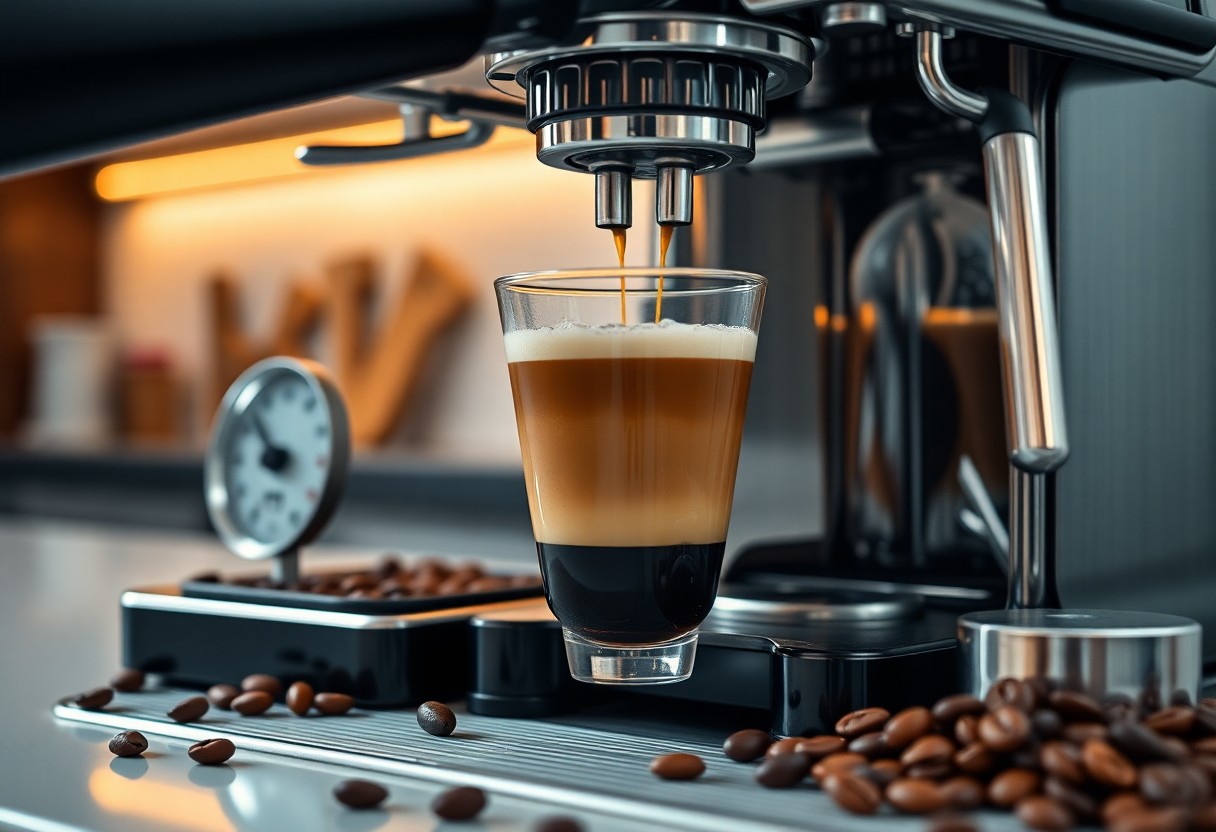
As the coffee industry evolves, so do the tools used by enthusiasts and professionals alike. Today, pressure profiling, customizable settings, and smart technology are revolutionizing the espresso experience. Expert baristas advocate for machines that adapt to various bean types and brewing styles, catering to a broader range of flavor profiles. As sustainability becomes increasingly important, energy-efficient designs are gaining traction, ensuring that you can enjoy your coffee without compromising the environment.
Innovations in Pump Technology
Recent advancements in pump technology focus on enhancing the precision and control of extraction processes. Innovations include dual boilers for simultaneous brewing and steaming, which minimizes wait times. Additionally, some machines now incorporate advanced sensors, allowing for customized pressure and temperature settings tailored to your preferences, making it easier than ever to perfect your espresso at home.
The Future of Coffee Brewing in a High-Pressure World
The future of coffee brewing is unmistakably linked to the high-pressure systems that dominate modern espresso machines. As coffee lovers gravitate toward more complex flavor profiles, equipment that can precisely control pressure variables will continue to gain popularity. You can expect machines designed with integrated apps that offer tutorials, real-time diagnostics, and the ability to share recipes and settings within the coffee community. This connectivity not only enhances your brewing experience but also encourages experimentation, making quality coffee more accessible than ever.
In this high-pressure landscape, traditional brewing methods may fade in comparison to machines designed for precision and personalization. Innovations in espresso technology, such as devices that adjust pressure using microprocessors, empower you to explore an array of variables that influence taste. As pressure extraction becomes a standard expectation, you will likely see an explosion of artisanal cafes and home baristas elevating coffee craftsmanship, turning brewing into both a science and an art form. With advancements like these, the evolution of your coffee journey promises to be both exciting and flavorful.
To wrap up
The pump coffee machine operates using a pressure system that is vital for extracting rich flavors from your coffee grounds. By utilizing a pressure pump, it forces hot water through the coffee, ensuring a consistent and flavorful brew. Understanding how this system works enhances your appreciation of your favorite coffee drinks and allows you to make informed choices when selecting your equipment. Whether you’re a casual drinker or a dedicated barista, knowing the mechanics behind your machine elevates your coffee experience.
FAQ
Q: What is a pump coffee machine?
A: A pump coffee machine is a type of espresso maker that uses a pump to create pressure, typically around 9 bars, necessary for brewing espresso. Unlike steam-driven machines, which rely on steam pressure, pump machines provide consistent brewing pressure, ensuring a rich and flavorful extraction of coffee grounds. This type of machine is favored by coffee enthusiasts for its ability to produce high-quality espresso and other coffee beverages.
Q: How does the pressure system in a pump coffee machine work?
A: The pressure system in a pump coffee machine operates using an electric pump that forces hot water through the coffee grounds. When the machine is turned on, the pump activates, drawing water from the reservoir and heating it to the optimal brewing temperature. Once heated, the pump generates pressure which forces the water through the compacted coffee grounds, extracting flavors, oils, and aromas along the way. This process results in a well-balanced espresso shot with a rich crema on top.
Q: Can I adjust the pressure on a pump coffee machine?
A: Many high-end pump coffee machines allow for pressure adjustments to suit different brewing styles. Some machines come equipped with pressure profiling features, which let users modify the pressure applied during the brewing process. Lower initial pressure can enhance flavor extraction, while higher pressure may produce a thicker crema. However, not all machines have this capability, so it’s important to check the specifications of a particular model.
Q: What are the advantages of using a pump coffee machine over other types?
A: Pump coffee machines are preferred by many coffee lovers due to several advantages. They offer consistent pressure for optimal extraction, which results in better flavor quality compared to steam-driven machines. Additionally, pump machines provide greater control over brewing variables, allowing users to experiment with different coffee types and grind sizes. This precision can lead to a more customized coffee experience and the ability to craft barista-level drinks at home.
Q: Do I need any special training to use a pump coffee machine effectively?
A: While using a pump coffee machine doesn’t require formal training, some knowledge of espresso-making principles can significantly enhance the experience. Understanding aspects such as grind size, tamping pressure, and brewing time is beneficial. Familiarizing oneself with the machine’s features and practicing regularly can improve skill levels. Many resources, including online tutorials and workshops, are available to help users learn effective techniques and get the most out of their pump coffee machine.