What Coffee Beans for an Espresso Machine – Bean Selection

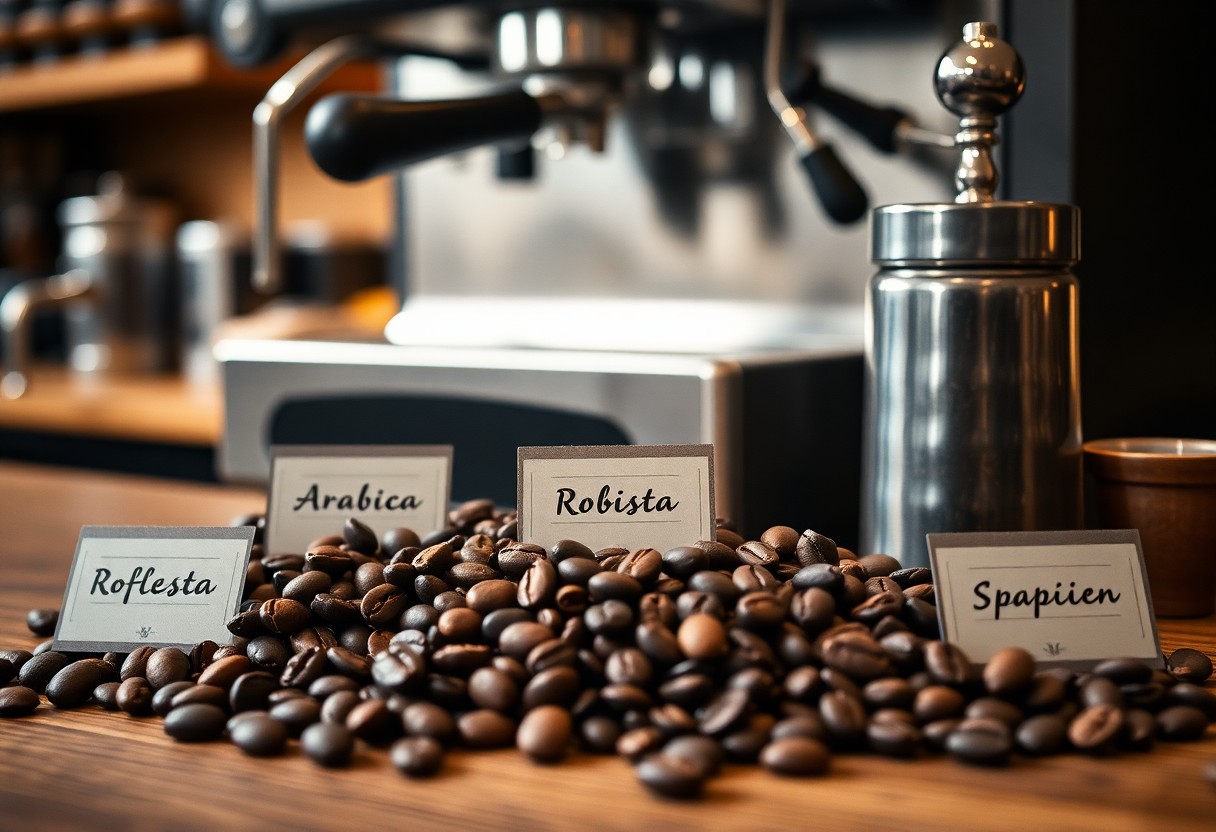
It’s imperative for you to understand the importance of bean selection when it comes to brewing the perfect espresso shot. The type of coffee beans you choose can significantly impact the flavor, aroma, and overall experience of your espresso. You’re aiming for a blend that complements your brewing style, enhances your palate, and delivers that rich crema you desire. In this guide, you’ll discover the best beans suited for your espresso machine so you can elevate your coffee game and enjoy each cup to its fullest.
Key Takeaways:
- Choose high-quality Arabica beans for a smoother, more nuanced flavor profile in your espresso.
- Robusta beans add crema and a stronger kick, making them a great choice if you prefer a bolder taste.
- Consider the roast level; medium to dark roasts are typically preferred for espresso to enhance caramelization and body.
- Freshness is key; use beans that have been roasted recently for optimal flavor and aroma.
- Experiment with different bean blends to find the perfect balance of acidity, sweetness, and bitterness for your personal taste.
Decoding Flavor Profiles: What Your Tastebuds Crave
Your palate plays a significant role in selecting the perfect coffee beans for your espresso. The wide array of flavor profiles—from fruity and bright to chocolatey and nutty—creates a unique experience tailored to your preferences. Understanding how different beans react to the roasting process can help you achieve the desired balance of acidity, sweetness, and bitterness, leading to a richer and more satisfying espresso shot.
Mapping the Bean to Your Preferences
Identifying the right beans begins with knowing your preferences. Are you drawn to bold, robust flavors or do you prefer lighter, more nuanced notes? Beans from Latin America typically offer bright acidity and fruity flavors, while African beans may present a floral, berry-like taste. Choose a blend or single-origin that aligns with your favorite flavor profile to enhance your espresso experience.
Exploring Aroma and Taste Relationships
Aromas greatly influence taste perception, creating a multi-layered coffee experience. Factors such as roast level, bean origin, and processing method all contribute to the overall aroma and flavor profile. For instance, a dark roast can evoke a rich, smoky scent that translates to deep, chocolatey flavors, while a light roast may exhibit fruity aromas with an invigorating acidic punch. Understanding these relationships can better guide your selections.
When you brew your espresso, you’re not just extracting flavors; you’re unlocking a sensory journey. For example, a coffee with pronounced floral aromas from Ethiopian beans often translates into vibrant, berry-like flavors on the palate, creating a harmonious experience. Conversely, a caramel note from Brazilian beans might linger in both aroma and taste, resulting in a smooth and sweet sip. Pay attention to how specific aromas correlate with tastes to refine your bean selection further; this can lead to an espresso that not only satisfies but delights your taste buds.

The Role of Roasting: How Roast Levels Influence Espresso
The roast level of your coffee beans plays a pivotal role in determining the flavor profile of your espresso. With a spectrum from light to dark, roasting transforms the natural characteristics of the bean, emphasizing different notes and aromas. While a lighter roast might deliver bright acidity and delicate flavors, a darker roast typically offers a bolder, richer taste accompanied by bittersweet undertones. Understanding how these roast levels interact with your brewing process can help you achieve the perfect cup every time.
Light vs. Dark Roast: A Flavor Showdown
Choosing between light and dark roast beans can significantly alter your espresso experience. Light roasts tend to preserve the bean’s original flavors, often exhibiting fruity and floral undertones that shine through during the brewing process. In contrast, dark roasts bring forth a full-bodied richness and pronounced bitterness, making them ideal for those who enjoy a robust, powerful espresso. Your preference between these two styles will greatly influence your espresso’s taste and aroma.
The Impact of Freshness: Roast Date Matters
Bean freshness is a vital factor that directly affects the quality of your espresso. Coffee beans start to lose their optimal flavor shortly after roasting, typically peaking within two to three weeks. Using beans roasted beyond this timeframe can lead to stale, muted flavors in your espresso. Prioritizing freshly roasted beans not only enhances taste but also elevates your brewing experience, giving you a vibrant and aromatic shot every time.
Within the first few days post-roast, the beans release carbon dioxide, a process called degassing that can influence your espresso’s crema and overall flavor extraction. For espresso, aim to use beans that are at least a few days old but still within that buoyant window of freshness. Sourcing from local roasters who provide roast dates on their packaging ensures that you consistently enjoy the best flavor possible. Consider investing in a small bag of beans for variety, rotating your selection to experience the diverse range of flavors that fresh coffees can offer.
From Origin to Cup: The Geography of Coffee Beans
The journey of coffee from its geographic origins to your espresso cup significantly influences flavor profiles. Various regions produce beans with distinct characteristics, shaped by local soil conditions, climate, and cultivation practices. For instance, beans from Ethiopia often exhibit floral notes, while Colombian coffee is known for its balanced acidity and nutty undertones. Recognizing the significance of these geographic factors can elevate your espresso experience and assist in selecting the perfect beans for your machine.
Regional Characteristics That Define Flavor
Different coffee-growing regions contribute unique flavor traits based on their environmental conditions. Beans from Central America, like Costa Rica, are often bright and fruity, while those from Brazil tend to be chocolatey and full-bodied. Understanding these regional nuances helps you tailor your choices to your taste preferences, enhancing the espresso experience.
The Influence of Altitude and Climate on Quality
Altitude and climate significantly impact the quality of coffee beans. Higher elevations tend to produce denser beans that mature more slowly, allowing for enhanced flavor development. Moreover, consistent temperatures and rainfall play a vital role. For example, beans grown in the cooler regions of Colombia and Guatemala often exhibit complex flavors that are highly prized in the coffee world.
Beans cultivated at elevations above 1,200 meters typically experience cooler temperatures during the night, which promotes a slower maturation process. This slow growth results in a higher concentration of sugars and acids, leading to a more nuanced flavor profile. For instance, the renowned gift of Colombian coffee heritage can be attributed to its ideal climate conditions, producing beans with vibrant acidity and rich flavors. Cultivation at these altitudes fosters a unique balance that elevates your espresso to the next level, delivering nuanced tasting notes that make each cup unforgettable.
The Art of Blends: Creating Your Perfect Espresso
Crafting the perfect espresso blend is as much an art as it is a science. By combining beans from different origins, you create a harmonious flavor profile that enhances the overall coffee experience. Your goal should be to balance acidity, sweetness, and body, which can lead to a more complex, inviting cup. Play around with various ratios and roast levels to discover what resonates with your palate, and don’t hesitate to experiment until you find that ideal combination that makes your espresso irresistible.
Single Origin vs. Blends: Pros and Cons
Each choice comes with its unique advantages and drawbacks that can greatly influence your espresso experience.
Pros and Cons
| Single Origin | Blends |
|---|---|
| Distinct flavor profile from a specific region | Complex flavors from various regions |
| Consistent quality assurance | Customization options for tailored taste |
| Less complexity, easier to brew | Dynamic flavors that evolve with each brew |
| Highlight specific tasting notes | Balance acidity and sweetness for a smoother cup |
| May vary significantly between harvests | More consistent flavor year-round |
| Typically preferred by purists | Great for creative coffee enthusiasts |
Crafting the Perfect Espresso Blend: Key Considerations
When crafting your espresso blend, various factors become crucial in achieving a rich, well-rounded flavor. Start by considering the origins and varieties of beans; each region offers unique flavor characteristics that contribute to your blend. Experiment with roast levels to enhance or mellow specific traits like acidity or sweetness. Ratios play an integral role as well — balancing light and dark roasts can create a fuller body while maintaining brightness. Finally, make incremental adjustments based on your brewing process, aiming for the perfect extraction to showcase every nuance in your cup.
To achieve the desired balance, monitor factors such as grind size, water temperature, and pressure during extraction. For instance, a coarser grind may enhance brightness, while a finer grind can emphasize richness. Additionally, keeping a tasting journal helps you track your experiments and discover what combinations resonate most with your preferences. Revisit your blends periodically, as coffee beans often change due to seasonal variations and availability, ensuring that your espresso stays as delightful as ever.
Grinding Strategies: Optimizing Bean Selection
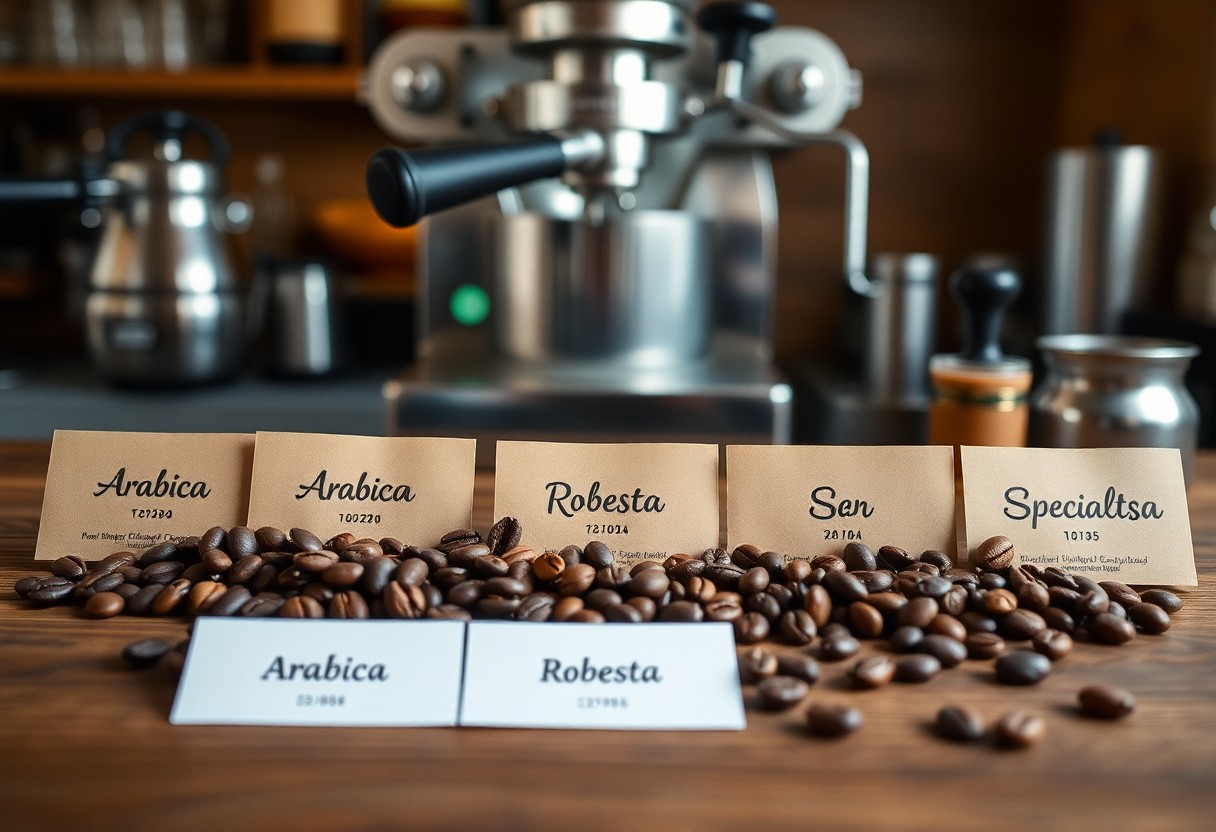
Your choice of grind size directly influences the flavor and quality of your espresso. A fine grind is typically preferred for espresso, but the ideal consistency varies based on several factors, including the bean type and roast level. By experimenting with different grind sizes, you can discover what best highlights the unique flavors of your selected beans, ultimately achieving a balanced and satisfying shot.
Grind Size and Extraction: Finding the Sweet Spot
Fine-tuning the grind size is necessary for optimal extraction. Too coarse of a grind can lead to under-extraction, yielding a sour flavor, while too fine a grind may cause over-extraction, resulting in bitterness. Aim to achieve a grind that allows an extraction time of around 25-30 seconds for a standard espresso shot, ensuring a rich, balanced flavor.
The Grinder’s Influence on Flavor Profile
Your grinder has a profound effect on your espresso’s flavor, impacting everything from consistency to taste. The type of grinder you use—whether blade, burr, or a high-end espresso-specific model—can dictate the particle size distribution, which leads to various extraction properties. A quality burr grinder typically delivers uniform particles, allowing for a more concentrated and flavorful espresso.
Investing in a high-quality burr grinder offers significant advantages, particularly in terms of control over the grind size and consistency. For example, in a study comparing different grinders, burr grinders consistently outperformed blade grinders in taste tests, producing shots with greater sweetness and complexity. Your espresso’s flavor profile can shift dramatically with subtle adjustments; thus, the right grinder not only enhances extraction but also promotes clarity of flavor, bringing out distinctive notes in your carefully selected beans. This attention to detail ensures that every cup of espresso is a true reflection of the beans’ character and quality.
To wrap up
As a reminder, selecting the right coffee beans for your espresso machine can significantly impact your brewing experience. Focus on beans with a medium to dark roast that complement your taste preferences and ensure they are freshly roasted for the best flavor. Pay attention to the origin, grind size, and blend versus single origin options to enhance your espresso shots. By experimenting with different beans, you can fine-tune your espresso to achieve the perfect balance and richness, ultimately elevating your coffee moments to new heights.
FAQ
Q: What type of coffee beans are best for espresso machines?
A: For espresso machines, it is recommended to use coffee beans that are specifically labeled for espresso. Typically, these beans are dark roasts because they produce a rich, bold flavor and have the right oily texture needed for creating the perfect crema. Arabica and Robusta beans are common choices, with many espresso blends consisting of a combination of both to enhance flavor and crema.
Q: How fresh should the coffee beans be for optimal espresso?
A: Freshness is important for the best espresso experience. Coffee beans should ideally be used within 2 to 4 weeks of roasting. Look for a roasting date on the package and opt for whole beans rather than pre-ground coffee to preserve flavor and aroma. Grinding the beans just before brewing will also significantly enhance the taste.
Q: Is single origin coffee good for espresso?
A: Yes, single origin coffee can be an excellent choice for espresso. These beans come from one specific region or farm, allowing unique flavors to shine through. If you enjoy exploring different taste profiles, single origin coffees can provide a wide range of flavors, but they may require more experimentation to extract the best shot compared to well-balanced blends.
Q: Should I choose light, medium, or dark roast for espresso?
A: Dark roasts are generally preferred for espresso due to their bold and complex flavors. They produce the thick crema that is characteristic of a good espresso shot. However, both medium and some light roasts can also work well if they have the right flavor profile. It’s worthwhile to try different roasts to find out which one suits your taste best.
Q: How can I decide between blends and single origin for espresso?
A: The choice between blends and single origin coffee depends on personal preference. Blends are designed to create a balanced flavor profile, making them more versatile for various espresso beverages. Single origins can showcase specific flavor notes and provide a different experience with every shot. Experimenting with both will help you understand your flavor preferences and the kind of espresso you enjoy.