What is the Best Manual Coffee Machine – Hands-On Brewing

With so many options on the market, finding the best manual coffee machine for your brewing needs can seem overwhelming. This guide will help you navigate through various types of manual machines, highlighting their unique features and brewing advantages. You’ll learn how to make an informed decision that suits your taste and lifestyle while enhancing your coffee experience. Get ready to indulge in the art of hands-on brewing and elevate your coffee game!
Key Takeaways:
- Manual coffee machines provide full control over the brewing process, allowing for customization of variables such as grind size, water temperature, and extraction time.
- Choosing the right manual coffee machine depends on personal preferences, including desired flavor profile, ease of use, and available brewing techniques.
- Common types of manual coffee machines include pour-over, French press, and Aeropress, each offering unique benefits and characteristics in the final cup.
- Investing in quality equipment, such as a good grinder and kettle, is necessary for optimizing the brewing experience with manual machines.
- Hands-on brewing encourages experimentation and mastery of techniques, leading to a deeper appreciation of coffee and the brewing art.
The Anatomy of a Great Manual Coffee Machine
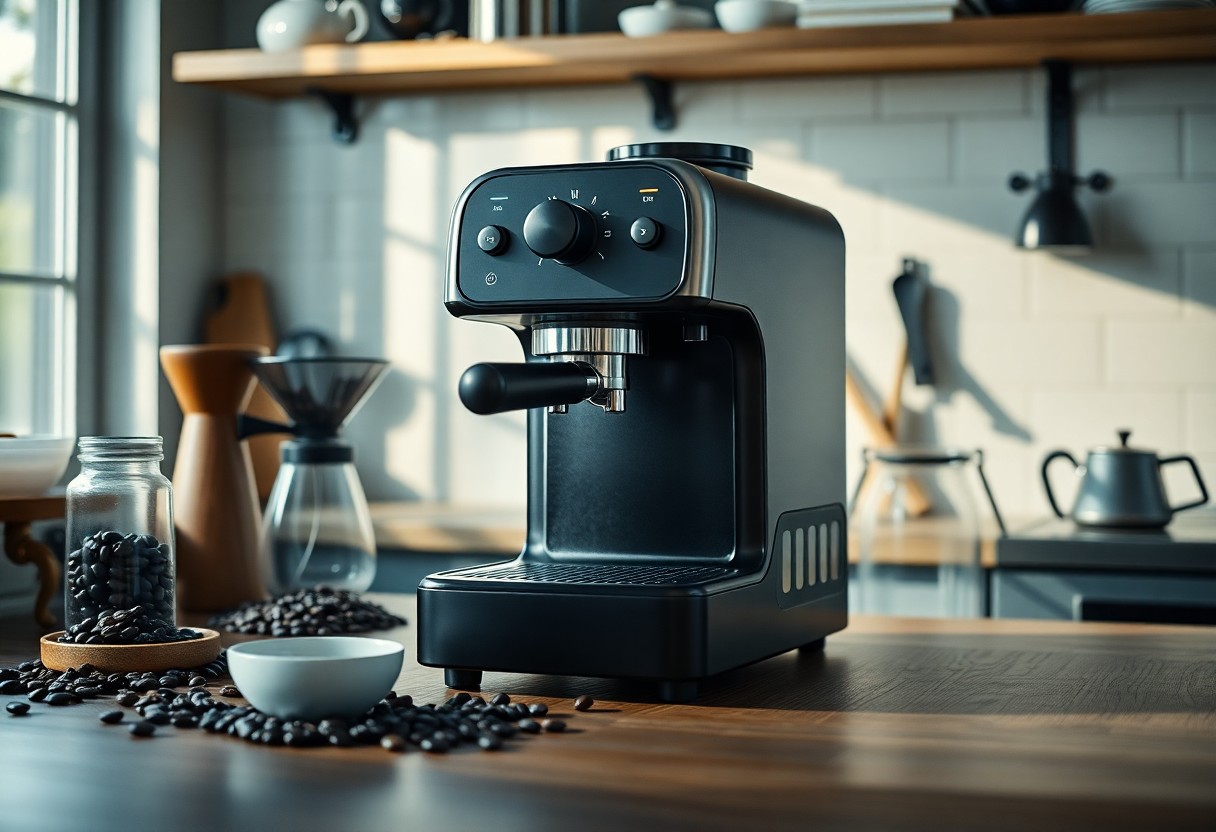
A great manual coffee machine is more than just a tool; it’s an experience that elevates your daily ritual. The best machines offer exceptional brewing capabilities while integrating thoughtful design features, allowing you to explore the rich world of coffee. Understanding the anatomy of these machines can help you choose the right one that suits your brewing style and preferences.
Key Features That Make a Machine Stand Out
When evaluating manual coffee machines, several features set top models apart from the rest. Look for these key features to ensure a superior brewing experience:
- Pressure control for optimal extraction
- Temperature stability to maintain flavor
- Build quality for durability and longevity
- Ergonomic design for ease of use
- Adjustable settings for personalized results
Knowing these features can enhance your brewing experience, leading to consistently delicious coffee.
The Importance of Build Quality and Materials
Build quality and materials significantly impact the performance of manual coffee machines. High-quality stainless steel, for instance, not only ensures longevity but also enhances heat retention for better brewing consistency. Additionally, robust components can withstand the rigors of daily use, preventing wear and tear. Investing in a machine made from premium materials is a smart choice that can lead to superior coffee quality and ease of maintenance, ultimately affecting your overall satisfaction with every cup brewed.
Brewing Techniques: Mastering the Art
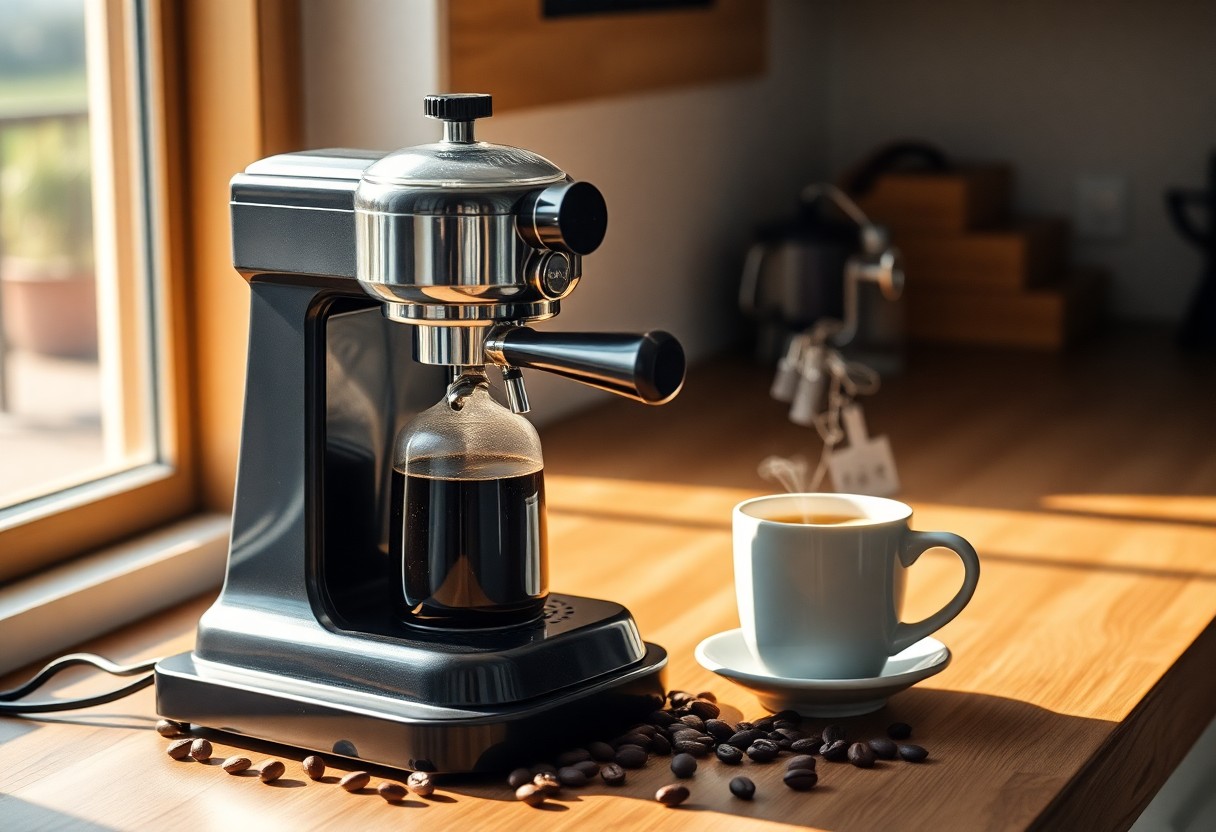
Delving into the nuances of manual coffee brewing elevates your coffee experience. With a variety of techniques, you can extract the fullest flavor from your beans. Whether it’s AeroPress, pour-over, or traditional espresso methods, each technique has its own rhythm and requirements. Redirect your curiosity towards finding the perfect manual espresso maker by checking out What’s the most best manual espresso maker suitable for …. Explore how each method influences taste and allows for personal expression in your daily grind.
Different Methods for Different Beans
Your choice of brewing method should align with the specific type of beans you’re using. For instance, light roast beans typically thrive in pour-over techniques that accentuate their brightness, while darker roasts often shine in espresso preparations. Additionally, utilizing a French press offers a full-bodied brew ideal for coarse grinds. Matching the right technique to your beans is important for achieving optimal flavor extraction and enjoyment.
How Variables Affect the Brew Quality
Variables such as grind size, brew time, and water temperature can significantly impact the quality of your coffee. Adjusting grind size influences extraction speed—finer grinds extract quicker and can lead to bitterness if over-brewed, while coarser grinds may result in under-extraction. Likewise, water temperature plays a pivotal role; too hot can scorch the beans, while too cool may not extract enough flavor. Carefully controlling these factors allows you to achieve the perfect cup consistently.
Understanding how variables affect your brew can be the difference between an average cup and an extraordinary one. For example, a brew time of 2-4 minutes works well for methods like pour-over and French press, while espresso requires a rapid 25-30 seconds. By fine-tuning these variables—such as experimenting with a finer grind for a longer extraction time or adjusting the water temperature—you can manipulate flavor notes, acidity, and body to suit your palate preferences. Engaging in this hands-on brewing experience makes you a more informed and empowered coffee enthusiast.
Comparing Popular Manual Coffee Machines
| Machine | Features |
|---|---|
| Bialetti Moka Express | Classic stovetop espresso maker, simple design, and great for rich, strong coffee. |
| Hario V60 | Conical dripper, promotes even extraction, offers versatility in brew method. |
| AeroPress | Portable, easy to clean, allows for both espresso and regular coffee brewing. |
| French Press | Full-bodied coffee, uses immersion brewing, perfect for those who enjoy a robust flavor. |
Reviews of Top Contenders in 2023
In 2023, the competition among manual coffee machines is fierce. The Bialetti Moka Express consistently receives accolades for its robust, authentic espresso vibes. Meanwhile, the Hario V60 is praised for its versatility and ability to produce nuanced flavors. The AeroPress remains a favorite for its portability and ease of use, appealing to coffee enthusiasts on-the-go. Lastly, the French Press excels in delivering a deeply satisfying cup of coffee with little effort, making it an enduring classic.
Performance Analysis: Taste Tests and Brewing Speed
Testing performance reveals notable differences in taste and brewing speed among these machines. The Bialetti Moka Express is quick, reaching optimal brewing temperature in less than 10 minutes, but some users note it may lack complexity compared to Hario V60’s brew, which highlights distinct flavors during a longer extraction process. In contrast, the AeroPress can deliver a concentrated coffee in under a minute, yet its taste profile sometimes leans towards brightness, which may not fit everyone’s palate.
When delving into performance, tasting various brews is crucial to truly appreciate each machine’s unique advantages. The Bialetti Moka Express offers a swift brewing experience, delivering intense flavors comparable to traditional espresso within minutes. However, the Hario V60 shines with its versatility, allowing for a more controlled pour-over process that enhances flavor complexity, albeit requiring a bit more time. The AeroPress impresses with its speed, yielding a full-bodied cup in under a minute but may lack depth compared to the other contenders. Ultimately, you’ll want to consider your taste preferences and brewing style when determining which manual coffee machine aligns best with your coffee journey.
The Cost-Benefit Conversation: Is Manual Worth It?
Judging whether investing in a manual coffee machine is worthwhile depends on your coffee habits and preferences. While the initial cost may be higher than automatic machines, the potential savings from brewing at home and the superior quality of coffee you produce can significantly balance the scales over time.
Initial Investment vs Long-Term Savings
Your initial investment in a quality manual coffee machine could range from $100 to $500 or more. However, considering you save an average of $3–$5 per cup by avoiding coffee shops, the long-term savings from daily brewing can quickly justify that upfront cost. Over a year, brewing just one cup per day can lead to substantial savings—a powerful incentive for serious coffee aficionados.
The Value of Craftsmanship and Experience
Choosing a manual coffee machine elevates the brewing process into an art form, fostering a deeper connection with your cup. The tactile nature of measuring, grinding, and brewing instills a sense of accomplishment and pride that an automatic machine simply cannot replicate. Many enthusiasts find that the hands-on experience not only enhances the flavors but also allows for personal experimentation, enabling you to discover your unique brew style.
This craft allows you to control every aspect of the brewing process—from grind size to water temperature—ensuring each cup reflects your personal taste. The satisfaction of mastering techniques like pour-over or French press can transform your morning ritual into a delightful journey. Enthusiasts often report a more profound enjoyment of their coffee, as the act of brewing becomes as fulfilling as savoring the final product. Investing in a manual machine not only offers better coffee but also a rewarding brewing experience that promotes a culture of mindfulness and appreciation for the craft.
Tips for Getting the Most Out of Your Manual Coffee Machine
Maximize your manual coffee machine experience by focusing on vital aspects like grind size, water temperature, and coffee-to-water ratio. To ensure optimal flavor extraction, pay attention to these details:
- Choose the right grind size for your brewing method.
- Experiment with water temperature to find your perfect brew.
- Use a precise coffee-to-water ratio to achieve consistency.
- Clean your machine regularly to maintain its performance.
Thou can elevate your brewing skills and enjoy rich flavors with a little practice.
Essential Maintenance Practices
Cleaning your manual coffee machine is not just beneficial, but vital for the longevity and taste of your coffee. Regularly removing coffee oils and residues ensures cleaner brews and prevents buildup. Always refer to your machine’s specific cleaning instructions, but a general practice is to flush out any leftover coffee and run water through the machine after every use. For deeper cleaning, descaling every few months can ensure your machine operates at its best.
Common Mistakes to Avoid
Overlooking the basics can lead to disappointing brews. A common mistake is using pre-ground coffee rather than fresh grounds, which can significantly diminish flavor. Additionally, ignoring water quality can introduce off-tastes to your coffee. Many also underestimate the importance of a consistent coffee-to-water ratio, leading to weaker or overly strong brews. Tracking these variables is vital for replicating a great cup.
By focusing on your grind size, water quality, and maintaining a consistent brewing process, avoiding these common pitfalls will boost your coffee game. Many enthusiasts often skip calibrating their machine, which can affect extraction times and brewing consistency. Experimentation is key, so balance your coffee preferences with technical precision, and thou will discover a richer, more satisfying coffee experience.
To wrap up
Conclusively, selecting the best manual coffee machine for hands-on brewing is important for enhancing your coffee experience. By considering factors such as ease of use, brewing method, and your personal taste preferences, you can make an informed decision. Whether you opt for a pour-over, French press, or another style, investing time in learning the nuances of your chosen machine will lead to a more satisfying cup every time. Take the plunge into manual brewing, and you’ll likely discover a new level of appreciation for your daily coffee ritual.
FAQ
Q: What features should I look for in a manual coffee machine?
A: When identifying a manual coffee machine, prioritize features such as build quality, ease of use, and maintenance requirements. Look for machines that allow for temperature control, pressure regulation, and have a good extraction process. Additionally, consider the type of coffee you prefer; some machines are better suited for espresso, while others excel at making pour-over or French press coffee.
Q: Is manual brewing better than automatic machines?
A: Manual brewing allows for greater control over the brewing process, enabling coffee enthusiasts to adjust variables such as grind size, water temperature, and brewing time for optimal flavor extraction. While automatic machines provide convenience, manual brewing can yield a more personalized and potentially superior cup of coffee for those willing to invest time and effort.
Q: How do I maintain a manual coffee machine?
A: Maintaining a manual coffee machine involves regular cleaning and occasional deep cleaning. After each use, rinse and dry all removable parts. Periodically descale the machine to prevent mineral buildup, which can affect performance. Additionally, replace any worn-out components as needed and ensure the machine is stored in a dry, cool place when not in use.
Q: Are manual coffee machines suitable for beginners?
A: Yes, many manual coffee machines are designed with beginners in mind. They often come with user-friendly guides and tips for brewing great coffee. However, some models may require a bit more skill or knowledge, especially those that involve precise techniques. It’s advisable for beginners to start with simpler manual options before progressing to more complex brewing methods.
Q: What is the price range for quality manual coffee machines?
A: Quality manual coffee machines vary significantly in price, typically ranging from $30 to over $500. Entry-level machines, like pour-over and French press options, can be quite affordable, while high-end espresso makers and advanced manual brewing devices may be more expensive. It’s imperative to balance your budget with the features and brewing style that suit your preferences for the best experience.